
SsangYong Tivoli vs XLV: Which SUV Makes More Sense for Everyday Life?

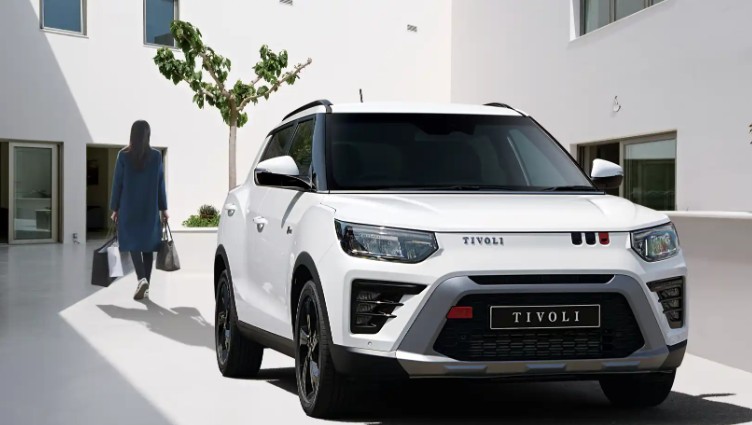
When we first compare the SsangYong Tivoli and the SsangYong XLV, it almost feels like comparing twins with different personalities. They share the same DNA, the same rugged Korean engineering roots, and even much of the same cabin design. Yet once we spend real time with both, their differences become surprisingly meaningful.
One is compact, urban, and agile. The other stretches practicality like a traveler squeezing one more outfit into a suitcase before boarding a flight.
So which one deserves a spot in your driveway?
In this detailed guide, we’ll explore design, practicality, reliability, fuel economy, driving feel, ownership costs, and much more to help determine whether the Tivoli or the XLV is the smarter buy.
Content in this publication
- Understanding the Relationship Between the Tivoli and XLV
- Exterior Design Differences
- Interior Quality and Cabin Experience
- Boot Space: The Biggest Difference
- Driving Experience Compared
- Engine Options and Performance
- Fuel Economy Comparison
- Ride Comfort and Suspension
- Technology and Infotainment
- Reliability: Are They Dependable?
- Maintenance Costs and Ownership Expenses
- Safety Features and Ratings
- Which SUV Is Better for Families?
- Parking and Urban Usability
- Used Market Value and Availability
- Who Should Buy the Tivoli?
- Who Should Buy the XLV?
- Common Problems to Watch For
- Trim Levels Worth Considering
- Tivoli vs XLV: Final Verdict
- Frequently Asked Questions
Understanding the Relationship Between the Tivoli and XLV
Before diving deeper, we need to clear up a common confusion.
The XLV is essentially an extended version of the Tivoli. Think of it as the Tivoli after a growth spurt. SsangYong took the standard Tivoli platform and stretched the rear section to create a more spacious crossover with significantly more luggage capacity.
That means:
- Similar engines
- Similar interiors
- Similar dashboard layout
- Similar driving dynamics
But the XLV adds:
- More cargo room
- Slightly improved rear practicality
- A different visual balance
It’s like choosing between a backpack and a weekend travel bag. Both carry your essentials, but one handles extra life baggage more gracefully.
Exterior Design Differences
The Tivoli Looks Sportier
The regular Tivoli has tighter proportions. Its shorter rear overhang gives it a youthful and energetic appearance.
For urban buyers, this matters.
The Tivoli feels:
- More modern
- More compact
- Easier to park
- Slightly more athletic visually
It resembles the kind of SUV designed for crowded city streets and spontaneous coffee-shop detours.
The XLV Prioritizes Function Over Form
The XLV extends the rear body to maximize storage.
Some drivers appreciate the added practicality. Others feel the extended rear looks slightly awkward compared to the cleaner Tivoli profile.
Still, practicality often wins real-world battles.
If we regularly carry luggage, sports equipment, strollers, or shopping bags, the XLV’s design suddenly starts making a lot more sense.
Interior Quality and Cabin Experience
Step inside either model, and we immediately notice familiar architecture.
The cabins feature:
- Large infotainment screens on newer models
- Comfortable seating
- Decent ergonomics
- Straightforward controls
SsangYong focused more on functionality than flashy luxury, and honestly, that approach ages better than overly complicated interiors.
Material Quality Is Better Than Many Expect
Many buyers underestimate SsangYong interiors until they sit inside one.
Soft-touch materials appear in several areas, and the build quality often feels sturdier than some budget rivals.
While neither model reaches premium German SUV standards, they punch above their weight.
The cabin atmosphere feels honest. Durable. Unpretentious.
And sometimes that’s exactly what we want.
Boot Space: The Biggest Difference
Tivoli Boot Capacity
The Tivoli offers respectable cargo space for a compact crossover.
For everyday usage, it handles:
- Grocery shopping
- Small family luggage
- Gym gear
- Daily commuting essentials
But once family trips enter the conversation, its limitations start appearing.
XLV Boot Space Changes Everything
This is where the XLV shines.
The enlarged rear section dramatically increases cargo capacity, making the XLV one of the most practical vehicles in its segment.
If we frequently carry:
- Pushchairs
- Camping gear
- Airport luggage
- Work equipment
- Dogs or pet crates
…the XLV becomes significantly more appealing.
The extra space feels liberating. Like upgrading from a small apartment to one with an extra room.
Driving Experience Compared
The Tivoli Feels More Agile
Because it’s shorter and lighter, the Tivoli tends to feel slightly more nimble.
In city driving, it:
- Turns more easily
- Fits into parking spots better
- Feels more responsive in tight areas
Drivers who spend most of their time navigating traffic may prefer the Tivoli’s compact character.
The XLV Feels More Relaxed
The XLV sacrifices a bit of agility for practicality.
Its longer body creates a calmer highway demeanor, especially during longer trips.
It feels more composed when fully loaded with passengers and luggage.
Not dramatically different—but noticeable enough.
You may be interested in reading Chery Tiggo 4 Pro vs Omoda 5: Which Compact SUV Makes More Sense in 2026?
Engine Options and Performance
Petrol Engines
Most Tivoli and XLV models came with turbocharged petrol engines designed for efficiency rather than outright speed.
Typical characteristics include:
- Smooth low-speed driving
- Adequate acceleration
- Quiet operation around town
However, don’t expect sports-car excitement.
These SUVs prioritize comfort and usability over aggressive performance.
Diesel Engines
The diesel versions remain popular among drivers covering high mileage.
Advantages include:
- Better motorway efficiency
- Stronger torque delivery
- More relaxed cruising
For long-distance commuters, the diesel often feels like the better fit.
Fuel Economy Comparison
Tivoli Fuel Consumption
The Tivoli usually edges ahead slightly in fuel efficiency thanks to its lower weight.
Real-world consumption varies depending on:
- Engine choice
- Driving style
- Transmission type
- Urban vs motorway use
Generally, owners report reasonable economy for a compact crossover.
XLV Economy Remains Competitive
Despite the larger rear body, the XLV still performs well in fuel consumption tests.
The difference between the two isn’t massive.
If practicality is our priority, the slight economy penalty of the XLV is usually worth it.
Ride Comfort and Suspension
Both SUVs Prioritize Comfort
SsangYong tuned these vehicles for daily comfort rather than sporty cornering.
That means:
- Softer suspension
- Relaxed ride quality
- Comfortable long-distance cruising
Potholes and rough roads are absorbed reasonably well.
This becomes especially valuable in cities where road quality resembles the surface of the moon.
Road Noise Can Be Noticeable
One area where both models fall slightly behind rivals is cabin insulation.
At higher speeds, we may notice:
- Wind noise
- Tire noise
- Some engine sound intrusion
It’s not unbearable, but competitors like the Hyundai Kona or Kia Sportage often feel more refined.
Technology and Infotainment
Older Models Feel Basic
Earlier Tivoli and XLV versions feature simpler infotainment systems.
Some lack:
- Apple CarPlay
- Android Auto
- Modern graphics
- Fast responsiveness
Still, simplicity has advantages.
Fewer complicated systems often mean fewer headaches later.
Newer Facelift Models Improved Significantly
Updated versions introduced:
- Better touchscreens
- Digital displays
- Enhanced connectivity
- Improved safety technology
If technology matters heavily to us, newer models are definitely worth targeting.
Reliability: Are They Dependable?
Mechanical Reliability Is Generally Solid
One of the most surprising aspects of SsangYong ownership is reliability.
Despite being less mainstream, many owners report:
- Durable engines
- Strong gearboxes
- Reliable mechanical components
The vehicles often feel over-engineered in certain areas.
Almost like a forgotten old-school approach to automotive durability.
Electrical Gremlins Occasionally Appear
Some owners have experienced issues involving:
- Sensors
- Infotainment glitches
- Warning lights
- Battery-related faults
These problems are usually manageable but worth checking before purchasing a used model.
Maintenance Costs and Ownership Expenses
Running Costs Are Reasonable
Compared to premium SUVs, both the Tivoli and XLV remain relatively affordable to maintain.
Parts prices are often:
- Lower than German rivals
- Comparable to mainstream brands
- Fairly accessible in many markets
Insurance costs also tend to stay manageable.
Resale Value Is Weaker
One downside of SsangYong ownership is depreciation.
Because the brand lacks widespread recognition, resale values often drop faster than competitors.
This creates:
- Bad news for new buyers
- Great news for used-car shoppers
Buying used can deliver exceptional value.
Safety Features and Ratings
Modern Safety Equipment Is Available
Depending on trim and model year, features may include:
You may be interested in readingChery Tiggo 4 Pro vs Omoda 5: Which Compact SUV Makes More Sense in 2026?You may be interested in reading
Chery Tiggo 4 vs MG ZS: Which Compact SUV Truly Deserves Your Money?- Lane departure warning
- Autonomous emergency braking
- Blind spot monitoring
- Multiple airbags
- Stability control
The newer versions especially improved safety credentials significantly.
Crash Protection Feels Reassuring
Both vehicles have solid structural designs.
The elevated driving position also gives drivers a greater sense of confidence and visibility on the road.
Which SUV Is Better for Families?
The XLV Wins for Practical Family Life
Families benefit enormously from the XLV’s larger cargo area.
That extra space becomes priceless during:
- School runs
- Weekend trips
- Shopping days
- Airport journeys
Children seem to come with endless accessories, and the XLV handles them more gracefully.
The Tivoli Still Works for Smaller Households
If we’re single, a couple, or a small family without heavy cargo needs, the Tivoli feels easier to live with daily.
It’s less bulky while still offering SUV practicality.
Parking and Urban Usability
Tivoli Excels in Tight Cities
In dense urban areas, the Tivoli’s compact footprint becomes a major advantage.
We can:
- Squeeze into tighter spaces
- Maneuver more easily
- Feel less stressed in traffic
It behaves more like a hatchback wearing hiking boots.
XLV Requires Slightly More Awareness
The XLV isn’t enormous, but its longer rear section does require extra attention when reversing or parking.
Rear parking sensors and cameras become especially helpful.
Used Market Value and Availability
The Tivoli Is Easier to Find
Because the Tivoli sold in greater numbers, used buyers generally have more choice.
This helps when searching for:
- Specific trims
- Preferred colors
- Better maintenance history
XLV Models Can Offer Better Bargains
Interestingly, the XLV sometimes costs only slightly more—or even the same—as the Tivoli in the used market.
That means buyers can occasionally gain extra practicality without paying extra money.
And that feels like finding hidden cash inside an old jacket pocket.
Who Should Buy the Tivoli?
The Tivoli Is Ideal If We Want:
- Easier city driving
- Sportier styling
- Better maneuverability
- Slightly lower fuel costs
- A simpler compact SUV experience
It suits drivers who prioritize convenience over maximum cargo space.
Who Should Buy the XLV?
The XLV Makes More Sense If We Need:
- Larger boot capacity
- Better family practicality
- More luggage space
- Greater long-trip versatility
- Enhanced cargo flexibility
It’s the better choice for active lifestyles and growing families.
Common Problems to Watch For
Potential used-car concerns include:
- Infotainment freezing
- Sensor warnings
- Suspension wear
- Battery drain problems
- DPF issues on diesel models
A proper inspection is essential before purchase.
Service History Matters Enormously
These vehicles reward owners who follow maintenance schedules carefully.
When shopping used, prioritize:
- Full service history
- Evidence of oil changes
- Proper diesel maintenance
- Transmission servicing records
A well-maintained Tivoli or XLV can remain dependable for many years.
Trim Levels Worth Considering
Higher Trims Add Significant Value
Premium trims often include:
- Heated seats
- Leather upholstery
- Advanced safety systems
- Better infotainment
- Larger alloy wheels
Because used prices remain reasonable, upgrading trims often provides excellent value.
Tivoli vs XLV: Final Verdict
Choosing between the SsangYong Tivoli and the XLV ultimately comes down to lifestyle.
The Tivoli feels sharper, easier, and more urban-focused. It’s the SUV equivalent of a comfortable sneaker—light, practical, and effortless for daily use.
The XLV, meanwhile, behaves like a hiking backpack with extra compartments. It sacrifices a little style and agility in exchange for genuine practicality.
Neither vehicle tries to be flashy.
Instead, they quietly focus on delivering value, durability, and functionality.
And honestly? That understated honesty can feel refreshing in a world filled with overly complicated SUVs trying too hard to impress.
If cargo space matters, choose the XLV.
If city agility matters more, choose the Tivoli.
Either way, both SUVs offer more substance than many people expect.
Frequently Asked Questions
Is the SsangYong XLV bigger than the Tivoli?
Yes. The XLV is an extended version of the Tivoli with a significantly larger boot and longer rear body section.
Which is better for families, the Tivoli or XLV?
The XLV is generally better for families because it offers much more cargo space for strollers, luggage, and daily family use.
Are SsangYong Tivoli and XLV reliable?
Both models are generally considered reliable, especially mechanically. However, some owners report occasional electrical or infotainment issues.
Does the XLV use more fuel than the Tivoli?
Usually slightly more, due to its larger size and additional weight, but the difference is relatively small in real-world driving.
You may be interested in readingChery Tiggo 4 Pro vs Omoda 5: Which Compact SUV Makes More Sense in 2026?You may be interested in reading
Chery Tiggo 4 vs MG ZS: Which Compact SUV Truly Deserves Your Money?You may be interested in reading
Chery Tiggo 4 vs Haval JolionWhich is easier to park?
The Tivoli is easier to park because it has a shorter body and more compact dimensions.
If you want to know other articles similar to SsangYong Tivoli vs XLV: Which SUV Makes More Sense for Everyday Life? you can visit the category Models.
Hyundai i40 vs i30: Which Hyundai Is Right for You?
Hyundai i40 vs Peugeot 508: Which Used Car Is Better?
Kia Rio vs Toyota Yaris: Which Small Car Makes More Sense?
Kia Rio vs Hyundai i20: Which Small Hatchback Makes More Sense?
Kia Rio or Similar UK: The Smart Buyer’s Guide to Small Cars That Still Make Sense
Kia Rio vs Hyundai i10: Which Small Car Makes More Sense?
Leave a Reply
More content of your interest