

Tesla Model 3 Max Charging Speed: Everything We Need to Know

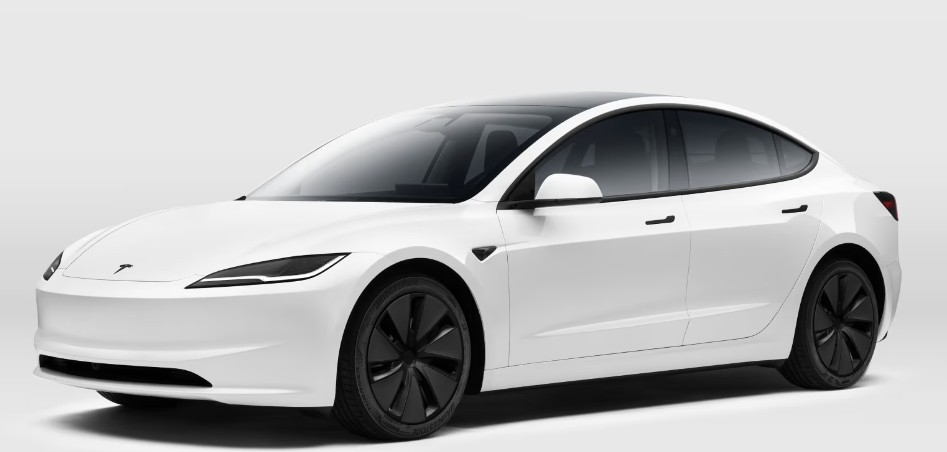
The Tesla Model 3 changed how many of us think about electric cars. It is quick, minimalist, efficient, and surprisingly practical for long-distance travel. But there is one topic that sparks endless debate among EV owners and curious buyers alike: Tesla Model 3 max charging speed.
How fast can it really charge? Why does charging sometimes feel lightning-fast and other times painfully slow? And perhaps most importantly, how do we unlock the absolute best charging performance from the Model 3?
Let’s dive deep into the world of charging curves, battery chemistry, Superchargers, home charging setups, and real-world charging behavior. By the end, we will understand not only the numbers on paper but also the hidden factors that shape charging speed in everyday life.
Content in this publication
- Why Charging Speed Matters More Than Range
- What Is the Tesla Model 3 Max Charging Speed?
- Understanding kW in Simple Terms
- How Tesla Superchargers Affect Charging Speed
- Why Your Tesla Rarely Charges at Maximum Speed
- The Sweet Spot for Fast Charging
- Battery Temperature Changes Everything
- How Long Does It Take to Charge a Tesla Model 3?
- Tesla Model 3 RWD vs Long Range Charging Speed
- Can Third-Party Chargers Match Tesla Speeds?
- The Hidden Role of State of Charge
- Why Tesla Charging Feels Faster Than Competitors
- Real-World Charging During Road Trips
- Factors That Reduce Charging Speed
- Home Charging vs Fast Charging
- Does Frequent Supercharging Damage the Battery?
- Best Practices for Maximum Charging Speed
- How Weather Impacts Tesla Charging Speed
- The Psychology of EV Charging
- Will Tesla Charging Speeds Improve in the Future?
- Tesla Model 3 Charging Speed Compared to Rivals
- Is 250 kW Actually Necessary?
- Charging Etiquette Every Tesla Owner Should Know
- The Future of Tesla Supercharging
- Final Thoughts on Tesla Model 3 Max Charging Speed
- FAQs
Why Charging Speed Matters More Than Range
Many people obsess over range. Yet in real-world ownership, charging speed often matters more.
Think about it like pouring water into a bottle. A bigger bottle helps, sure. But if the funnel is tiny, refilling still takes forever.
That is exactly how EV charging works.
A car with excellent charging speed can regain hundreds of miles in minutes rather than hours. This transforms road trips from stressful adventures into smooth journeys.
For the Tesla Model 3, charging speed is one of its greatest strengths.
What Is the Tesla Model 3 Max Charging Speed?
The maximum charging speed depends on the specific Model 3 version and the charger being used.
Here are the typical peak charging speeds:
| Tesla Model 3 Version | Max DC Fast Charging Speed |
|---|---|
| Rear-Wheel Drive (RWD) | Up to 170 kW |
| Long Range AWD | Up to 250 kW |
| Performance | Up to 250 kW |
At peak conditions, the Long Range and Performance models can add an astonishing amount of range in a short time.
Under ideal circumstances, Tesla claims:
- Up to 175 miles in about 15 minutes
- Rapid charging using V3 Superchargers
- Minimal waiting compared to older EV generations
The number “250 kW” sounds technical, but it is essentially the speed at which energy flows into the battery.
Imagine opening a fire hydrant instead of a kitchen faucet. That is the difference between slow AC charging and high-speed DC fast charging.
Understanding kW in Simple Terms
Before going deeper, we should simplify the terminology.
What Does kW Mean?
kW stands for kilowatts.
It measures charging power.
The higher the kW:
- The faster electricity flows
- The quicker the battery fills
- The shorter the charging stop
A simple comparison:
| Charging Type | Typical Speed |
|---|---|
| Standard wall outlet | 1–3 kW |
| Home wall charger | 7–11 kW |
| Public DC charger | 50–150 kW |
| Tesla V3 Supercharger | Up to 250 kW |
The jump is enormous.
Charging from a normal outlet is like sipping through a straw. Supercharging feels like opening floodgates.
How Tesla Superchargers Affect Charging Speed
Not all chargers are equal.
The Tesla Model 3 achieves maximum charging speed mainly through Tesla Superchargers.
Tesla V2 Superchargers
Older V2 stations typically provide:
- Up to 150 kW
- Shared power between stalls
- Slower peak performance
Tesla V3 Superchargers
The V3 network is where things become exciting.
These chargers provide:
- Up to 250 kW
- Dedicated power delivery
- Faster charging curves
- Reduced waiting times
The difference can feel dramatic during road trips.
Why Your Tesla Rarely Charges at Maximum Speed
Here is the truth many new owners discover quickly:
The Model 3 almost never stays at peak charging speed for long.
And that is perfectly normal.
Charging Curves Explained
EV batteries charge fastest when relatively empty.
As the battery fills:
- Charging speed gradually slows
- Heat management becomes critical
- Battery protection systems intervene
This is called the charging curve.
The curve usually looks something like this:
y=−0.002(x−20)2+250
This simplified graph represents how charging power peaks at lower battery percentages and tapers off as the battery fills.
The Sweet Spot for Fast Charging
The fastest charging usually happens between:
- 10% and 40% battery
- Sometimes up to 50–60%
After that, speeds gradually decline.
By 80%, charging slows significantly.
By 90–100%, it can feel painfully slow.
That is why experienced EV drivers rarely wait for 100% during road trips.
Instead, they:
- Charge briefly
- Continue driving
- Stop again later if necessary
Oddly enough, multiple short stops are often faster than one huge charging session.
Battery Temperature Changes Everything
Temperature is one of the biggest factors affecting Tesla Model 3 max charging speed.
Cold Batteries Charge Slowly
When batteries are cold:
- Internal resistance increases
- Charging speed drops dramatically
- Energy flow becomes restricted
In winter conditions, charging may initially feel disappointing.
Warm Batteries Charge Much Faster
A properly warmed battery can unlock full charging potential.
Tesla cleverly preconditions the battery when navigating to a Supercharger.
This process:
- Heats the battery beforehand
- Optimizes charging conditions
- Improves charging speed dramatically
It is like stretching before sprinting.
How Long Does It Take to Charge a Tesla Model 3?
Charging times vary based on:
- Battery size
- Charger type
- Weather
- Battery percentage
- Model variant
Here is a rough breakdown.
Using a Home Charger
| Charger Type | Estimated Time |
|---|---|
| Standard outlet | 24–48+ hours |
| Level 2 home charger | 6–10 hours |
Using a Supercharger
| Charging Session | Estimated Time |
|---|---|
| 10% to 80% | 20–30 minutes |
| 80% to 100% | Additional 20–40 minutes |
The last 20% always takes disproportionately longer.
Tesla Model 3 RWD vs Long Range Charging Speed
Not every Model 3 charges identically.
Rear-Wheel Drive (LFP Battery)
The RWD model often uses an LFP battery.
Benefits:
- Durable chemistry
- Can regularly charge to 100%
- Excellent longevity
Downsides:
- Lower peak charging speeds
- Slower cold-weather charging
Long Range and Performance
These versions:
- Charge faster
- Achieve higher peak kW
- Perform better during long trips
For road-trip enthusiasts, the Long Range often feels significantly more convenient.
Can Third-Party Chargers Match Tesla Speeds?
Sometimes yes. Sometimes no.
The Tesla Model 3 supports CCS charging in many markets, allowing compatibility with:
- Electrify America
- Ionity
- EVgo
- Other fast-charging networks
However, real-world speeds depend on:
- Charger quality
- Network congestion
- Cable cooling
- Battery condition
Tesla’s own Supercharger network usually remains the most reliable and consistent experience.
State of charge refers to current battery percentage.
It heavily influences charging speed.
Low State of Charge
At low percentages:
- Charging is fastest
- The battery eagerly accepts power
High State of Charge
At higher percentages:
- Charging slows intentionally
- Battery protection becomes priority
This is why arriving at a charger with 5–15% battery often produces the best charging speeds.
Why Tesla Charging Feels Faster Than Competitors
Some EVs advertise similar charging speeds but still feel slower in practice.
Why?
Because charging is about more than peak numbers.
Tesla excels in:
- Charging curve optimization
- Navigation integration
- Battery thermal management
- Reliable charger uptime
- Smart route planning
A competitor might briefly hit 250 kW for seconds.
Tesla often sustains high speeds more effectively.
The experience matters as much as the headline figure.
Real-World Charging During Road Trips
Let’s imagine a real scenario.
We pull into a Supercharger at 12% battery after highway driving.
The battery is already warm.
The charger immediately ramps toward peak speed.
Energy floods in rapidly.
By the time we:
- Stretch
- Use the restroom
- Grab coffee
- Answer messages
The battery may already be ready to continue.
This is why many Tesla owners describe road trips as surprisingly effortless.
The charging stop blends naturally into normal travel breaks.
Factors That Reduce Charging Speed
Sometimes charging disappoints us.
Here are the biggest culprits.
Cold Weather
Winter remains one of the largest charging enemies.
Battery Already Too Full
Starting at 70% means slower charging immediately.
Busy Superchargers
Older V2 stations may split power.
Battery Degradation
Older batteries may charge slightly slower.
Poor Charger Maintenance
Third-party networks can vary widely.
Home Charging vs Fast Charging
Fast charging grabs attention, but home charging defines daily ownership.
Home Charging Advantages
- Convenient overnight charging
- Lower electricity costs
- Reduced waiting
- Better battery health
Fast Charging Advantages
- Ideal for road trips
- Extremely rapid energy replenishment
- Minimal downtime
For most owners, home charging becomes the primary method.
Fast charging is simply the safety net that eliminates range anxiety.
Does Frequent Supercharging Damage the Battery?
This question appears everywhere online.
The short answer:
- Tesla batteries are very sophisticated
- Occasional Supercharging is completely normal
- Excessive DC fast charging may slightly accelerate degradation over many years
However, Tesla’s thermal systems are among the best in the EV world.
The company actively manages:
- Temperature
- Charging rates
- Battery stress
Most owners will likely never notice major problems from regular Supercharging.
Best Practices for Maximum Charging Speed
If we want the fastest charging possible, a few habits help tremendously.
Arrive With a Low Battery
Aim for:
- 10–20% charge before fast charging
This activates battery preconditioning.
Avoid Charging to 100% on Road Trips
80% is often the efficiency sweet spot.
Prefer V3 Superchargers
They provide better peak performance.
Charge After Driving
A warm battery charges faster than a cold parked one.
How Weather Impacts Tesla Charging Speed
Weather shapes EV behavior more than many people expect.
Summer Charging
Benefits:
- Warm batteries
- Faster charging
- Better efficiency
Potential downside:
- Overheating can slightly reduce sustained speed
Winter Charging
Challenges:
- Battery warming required
- Slower charging initially
- Reduced efficiency
Still, Tesla’s thermal management remains industry-leading.
The Psychology of EV Charging
Here is something fascinating.
Most of us grew up with gasoline stations.
We became conditioned to:
- Stop rarely
- Refuel instantly
- Leave immediately
EV charging changes that rhythm.
Instead of rushing:
- We pause briefly
- Recharge ourselves too
- Continue refreshed
The experience becomes less transactional and more integrated into the journey.
Strangely, many owners end up preferring it.
Will Tesla Charging Speeds Improve in the Future?
Almost certainly.
Battery technology evolves rapidly.
Future improvements may include:
- Higher charging voltages
- Better battery chemistry
- Improved thermal systems
- Faster Supercharger generations
Some future EVs may eventually charge in under 10 minutes.
That would fundamentally reshape transportation habits.
Tesla Model 3 Charging Speed Compared to Rivals
The Model 3 competes strongly against:
- Hyundai Ioniq 5
- Kia EV6
- BMW i4
- Polestar 2
- BYD Seal
Some rivals may briefly achieve higher charging peaks.
However, Tesla often wins in:
- Charger availability
- Reliability
- Route integration
- Consistency
Charging speed is not just about numbers. It is about the entire ecosystem.
Is 250 kW Actually Necessary?
For daily commuting?
Probably not.
For long-distance travel?
Absolutely.
High-speed charging transforms EV usability.
Without it, long trips become tedious.
With it, the Model 3 feels almost futuristic.
The car regains range so quickly that charging fades into the background of the journey.
That is the real magic.
Charging Etiquette Every Tesla Owner Should Know
Fast chargers are shared resources.
Good etiquette matters.
Helpful Charging Habits
- Move once charging slows significantly
- Avoid occupying chargers unnecessarily
- Use the correct stall when possible
- Respect queue order
Small courtesies improve the experience for everyone.
The Future of Tesla Supercharging
Tesla continues expanding globally.
The network increasingly supports:
- Non-Tesla EVs
- Faster stations
- Smarter load balancing
The company’s charging infrastructure may become as important as the vehicles themselves.
That is a remarkable shift in automotive history.
Final Thoughts on Tesla Model 3 Max Charging Speed
The Tesla Model 3 remains one of the best EVs for charging performance and long-distance usability.
Its combination of:
- Up to 250 kW charging
- Excellent efficiency
- Smart thermal management
- Industry-leading Supercharger integration
creates a charging experience that still feels ahead of much of the market.
But the real lesson is this:
Maximum charging speed is not just a number on a spec sheet.
It is the harmony between software, hardware, infrastructure, and intelligent battery management.
When everything works together, charging stops become short, smooth, and almost invisible.
And that is exactly what great technology should do.
FAQs
What is the maximum charging speed of the Tesla Model 3?
The Long Range and Performance models can charge at up to 250 kW using Tesla V3 Superchargers, while the RWD model typically peaks around 170 kW.
How long does it take to charge a Tesla Model 3 from 10% to 80%?
Using a fast Tesla Supercharger, charging from 10% to 80% usually takes around 20–30 minutes under ideal conditions.
Does cold weather reduce Tesla Model 3 charging speed?
Yes. Cold batteries charge significantly slower. Tesla uses battery preconditioning to warm the battery before fast charging.
Should we charge the Tesla Model 3 to 100% regularly?
For most models, daily charging to around 80–90% is recommended. However, LFP battery versions can more comfortably charge to 100% regularly.
Can the Tesla Model 3 use non-Tesla fast chargers?
Yes. Many Tesla Model 3 vehicles support CCS fast charging networks like Ionity and Electrify America, depending on the region and connector compatibility.
If you want to know other articles similar to Tesla Model 3 Max Charging Speed: Everything We Need to Know you can visit the category Service and Parts.
Toyota Hilux Payload Capacity: How Much Can a Hilux Really Carry?
Toyota Hilux Engine Oil: Complete Guide to Oil Types, Grades, Changes, and Maintenance
Toyota Hilux Tyre Pressure: The Complete PSI Guide
Toyota Hilux Weight: Kerb Weight, GVM, Payload and More
Toyota Hilux Towing Capacity: Complete Towing Guide
BMW M2 Oil Change Cost: What Owners Should Expect
Leave a Reply
More content of your interest