
Is Tesla Model 3 the Best Electric Car?

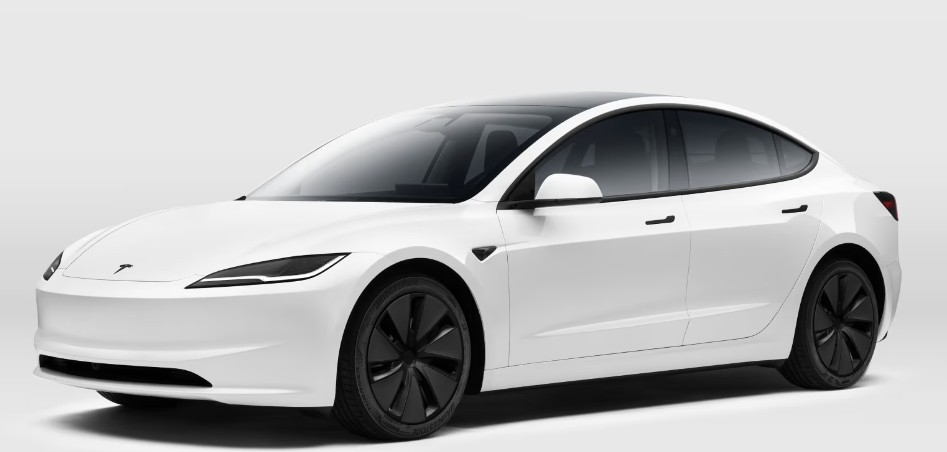
The electric vehicle market feels like a racetrack these days. Every month, another automaker arrives waving futuristic dashboards, longer ranges, faster charging, and promises of revolution. Yet somehow, amid all the noise, the Tesla Model 3 continues to sit at the center of the conversation like the lead singer of a band that refuses to leave the charts.
But here’s the real question we should ask ourselves: Is the Tesla Model 3 truly the best electric car, or has it simply become the default answer everyone repeats?
The answer is not as simple as a yes or no. Choosing the “best” electric car today depends on lifestyle, priorities, budget, charging access, driving habits, and even personality. Some drivers want cutting-edge software. Others want luxury. Some crave range, while others care more about comfort or reliability.
Still, there’s a reason the Model 3 dominates roads, headlines, and EV discussions worldwide. It changed the electric car industry the way smartphones changed communication — suddenly, what once felt futuristic became mainstream.
Let’s explore whether the Tesla Model 3 truly deserves the crown.
Content in this publication
- Why the Tesla Model 3 Became So Popular
- What Makes the Tesla Model 3 Stand Out
- Performance That Surprises People
- Minimalist Interior: Genius or Mistake?
- Charging Experience Compared to Rivals
- How Reliable Is the Tesla Model 3?
- Battery Longevity and Durability
- Technology Features That Keep Tesla Ahead
- Is the Tesla Model 3 Comfortable for Daily Driving?
- How the Tesla Model 3 Compares to Other EVs
- Energy Efficiency Is a Hidden Strength
- Ownership Costs and Savings
- Environmental Impact and Sustainability
- The Emotional Side of Tesla Ownership
- Who Should Buy a Tesla Model 3?
- Who Might Prefer Another EV?
- Is the Tesla Model 3 Overrated?
- The Future of the Tesla Model 3
- Final Verdict: Is the Tesla Model 3 the Best Electric Car?
- Frequently Asked Questions
Why the Tesla Model 3 Became So Popular
The rise of the Model 3 wasn’t accidental. Tesla managed to turn electric driving from a niche lifestyle into something aspirational and practical at the same time.
Before the Model 3 arrived, EVs often felt like compromises:
- Limited range
- Slow charging
- Strange styling
- Weak performance
- Tiny interiors
The Model 3 shattered those assumptions.
Suddenly, we had an EV capable of:
- Long-distance travel
- Sports-car acceleration
- Modern software updates
- Minimal maintenance
- Daily practicality
It wasn’t just another electric car. It felt like the future parked in a driveway.
What Makes the Tesla Model 3 Stand Out
Exceptional Electric Range
Range anxiety used to haunt EV buyers like a storm cloud hanging overhead. The Model 3 helped clear the sky.
Depending on the version, the Model 3 offers impressive real-world driving range that competes with or beats many rivals. For commuters, road trippers, and families alike, that matters enormously.
When we drive an EV, confidence changes everything. Nobody wants to stare nervously at a battery percentage while hunting for a charger.
The Model 3 provides that confidence.
Supercharger Network Advantage
This may actually be Tesla’s biggest weapon.
Owning an electric car without reliable charging infrastructure can feel like owning a smartphone with no signal. The vehicle itself might be brilliant, but the ecosystem matters just as much.
Tesla’s Supercharger network remains one of the smoothest charging experiences available.
Instead of:
- downloading multiple charging apps,
- juggling payment systems,
- or wondering if chargers actually work,
Tesla drivers typically plug in and charge with minimal hassle.
That convenience is difficult to overstate.
Software Feels Years Ahead
Many cars still behave like traditional vehicles with screens awkwardly glued onto dashboards. Tesla approached things differently.
The Model 3 feels more like a rolling tech platform.
Features include:
- Over-the-air updates
- Advanced navigation
- Real-time energy monitoring
- Entertainment apps
- Voice controls
- Smart route planning
The car evolves over time. That’s rare in the automotive world.
Buying most vehicles is like purchasing a frozen product. Buying a Tesla feels more like subscribing to a constantly updated service.
Performance That Surprises People
Instant Torque Changes Everything
The first time many people accelerate in a Model 3, they laugh.
Not politely.
We mean genuine, uncontrollable laughter.
Electric motors deliver instant torque, and the Model 3 uses it beautifully. Even the standard versions feel quick. Performance variants become shockingly fast.
The sensation is different from gasoline sports cars. There’s no roaring engine crescendo. Instead, acceleration arrives like a slingshot.
Silent.
Immediate.
Violent.
It feels futuristic.
Handling and Driving Dynamics
Despite its minimalist appearance, the Model 3 is genuinely engaging to drive.
The low battery placement creates:
- Better weight distribution
- Improved cornering stability
- Reduced body roll
That means the car hugs roads with surprising confidence.
Some EVs feel heavy and disconnected. The Model 3 often feels agile and alive.
Minimalist Interior: Genius or Mistake?
The Cabin Philosophy
Tesla stripped away buttons like a sculptor chiseling marble.
Inside the Model 3, we find:
- A giant central touchscreen
- Clean dashboard lines
- Minimal clutter
- Almost no physical controls
Some drivers adore it.
Others hate it.
There’s rarely an in-between.
Why Some People Love It
The cabin feels airy and modern.
Instead of overwhelming drivers with:
- knobs,
- switches,
- and confusing menus,
Tesla created a calm environment that resembles a Scandinavian living room mixed with a spaceship.
The simplicity can feel refreshing.
Why Others Dislike It
Minimalism sometimes sacrifices practicality.
Critics argue:
- Too many controls depend on the touchscreen
- Basic functions can require menu navigation
- There’s less tactile feedback
- It can feel sterile
For drivers who prefer traditional interiors, the Model 3 may feel emotionally cold.
Charging Experience Compared to Rivals
Home Charging Convenience
One of the biggest joys of EV ownership is waking up with a “full tank” every morning.
The Model 3 excels here.
You may be interested in reading Tesla Model 3 vs Polestar 2: Which Electric Car Truly Deserves Your Money?
For most owners:
- overnight charging is sufficient,
- public charging becomes occasional,
- and gas stations disappear from daily life.
That lifestyle shift feels surprisingly liberating.
Road Trips in a Tesla
Road trips used to expose EV weaknesses. Tesla turned them into strengths.
The navigation system automatically:
- plans charging stops,
- estimates battery usage,
- preconditions the battery,
- and guides drivers efficiently.
It removes much of the guesswork.
Other EV manufacturers are improving quickly, but Tesla still holds an edge in user experience.
How Reliable Is the Tesla Model 3?
Fewer Moving Parts
Electric vehicles naturally avoid many traditional maintenance headaches.
No:
- oil changes,
- transmission servicing,
- spark plugs,
- exhaust systems,
- or engine timing components.
That simplicity reduces long-term maintenance.
Build Quality Concerns
Here’s where the conversation becomes more complicated.
Tesla has improved manufacturing quality over the years, but some owners still report:
- panel gaps,
- paint inconsistencies,
- rattles,
- and occasional software bugs.
This is one area where legacy automakers sometimes outperform Tesla.
The Model 3 can feel technologically superior while simultaneously feeling imperfect in craftsmanship.
That contradiction defines Tesla ownership for many people.
Battery Longevity and Durability
Do Tesla Batteries Last?
Battery degradation scares many potential EV buyers.
Fortunately, Tesla batteries generally age well.
Most owners experience gradual, manageable range loss rather than catastrophic decline.
For many drivers, the battery remains highly usable even after years of ownership.
Thermal Management Matters
Tesla’s battery management system plays a major role here.
Efficient temperature control helps:
- preserve battery health,
- improve charging consistency,
- and maintain long-term performance.
Think of it like protecting an athlete from extreme heat during a marathon.
Technology Features That Keep Tesla Ahead
Autopilot and Driver Assistance
Tesla’s driver-assistance systems remain among the most discussed automotive technologies in the world.
Features include:
- adaptive cruise control,
- lane centering,
- traffic-aware driving assistance,
- and advanced navigation capabilities.
While not fully autonomous, the technology can dramatically reduce fatigue during long drives.
Over-the-Air Updates Feel Magical
Imagine waking up and discovering your car improved overnight.
That’s the Tesla experience.
Updates can add:
- new features,
- performance enhancements,
- interface improvements,
- bug fixes,
- and efficiency gains.
Most traditional automakers still struggle to match this flexibility.
Is the Tesla Model 3 Comfortable for Daily Driving?
Seats and Driving Position
The seats are generally supportive and comfortable for long journeys.
Drivers often appreciate:
- good visibility,
- comfortable ergonomics,
- and a spacious front cabin.
The panoramic glass roof also creates an open atmosphere that makes the cabin feel larger than it is.
Ride Comfort Debate
Ride quality depends heavily on expectations.
Some people find the suspension sporty and responsive.
Others think it feels too firm on rough roads.
Compared to luxury-focused EVs, the Model 3 can prioritize handling over softness.
It’s less “floating limousine” and more “tech-savvy athlete.”
How the Tesla Model 3 Compares to Other EVs
Against the Hyundai Ioniq 5
The Hyundai Ioniq 5 offers:
- retro-futuristic styling,
- ultra-fast charging,
- spacious interiors,
- and strong value.
Some buyers prefer its comfort and design personality.
However, Tesla still tends to lead in:
- software,
- charging network convenience,
- and efficiency.
Against the BYD Seal
The BYD Seal has become one of Tesla’s strongest competitors globally.
It offers:
- premium materials,
- competitive range,
- sleek styling,
- and strong pricing.
In some markets, it genuinely threatens Tesla dominance.
Still, Tesla’s ecosystem advantage remains difficult to beat.
Against the BMW i4
The BMW i4 appeals to drivers seeking traditional luxury.
Compared to the Model 3, it offers:
- richer interior materials,
- quieter cabins,
- and classic German refinement.
But Tesla often wins in:
- charging simplicity,
- software innovation,
- and energy efficiency.
Why Efficiency Matters More Than Raw Battery Size
Many buyers obsess over battery capacity numbers.
But efficiency matters just as much.
Tesla excels at extracting impressive range from relatively modest battery sizes.
That means:
You may be interested in readingTesla Model 3 vs Polestar 2: Which Electric Car Truly Deserves Your Money?You may be interested in reading
Tesla Model 3 vs BYD Seal: Which Electric Sedan Truly Deserves Your Money?- lower charging costs,
- smarter energy use,
- and better long-distance efficiency.
It’s like comparing two athletes. One simply uses energy better.
Ownership Costs and Savings
Lower Maintenance Costs
EV ownership often reduces long-term expenses.
The Model 3 eliminates:
- fuel costs,
- oil changes,
- many engine repairs,
- and several mechanical maintenance items.
Over years of ownership, those savings can become substantial.
Insurance Can Be Expensive
Here’s the trade-off.
Insurance for the Model 3 can sometimes cost more than expected due to:
- repair complexity,
- expensive components,
- and high-performance characteristics.
Potential buyers should factor this into total ownership costs.
Environmental Impact and Sustainability
Is It Truly Green?
No car is perfectly eco-friendly.
Battery production still carries environmental costs.
However, over time, EVs like the Model 3 generally produce lower lifetime emissions compared to gasoline vehicles — especially when powered by renewable energy.
The bigger picture matters.
Driving electric is less about perfection and more about progress.
The Emotional Side of Tesla Ownership
Tesla Feels Different
Many cars simply transport us.
Teslas often feel like participating in a technological movement.
Owners frequently describe:
- excitement,
- curiosity,
- community engagement,
- and fascination.
That emotional factor matters more than spreadsheets admit.
But Tesla Isn’t for Everyone
Some people dislike:
- the minimalist design,
- dependence on touchscreens,
- controversial public perception,
- or Tesla’s unconventional approach.
And that’s completely fair.
The “best” car always depends on the driver.
Who Should Buy a Tesla Model 3?
The Model 3 makes tremendous sense for people who:
- drive frequently,
- value technology,
- want excellent charging infrastructure,
- enjoy quick acceleration,
- and appreciate software innovation.
It especially suits:
- commuters,
- tech enthusiasts,
- road trippers,
- and first-time EV buyers.
Who Might Prefer Another EV?
Some buyers may prefer alternatives if they prioritize:
- softer ride comfort,
- more luxurious interiors,
- physical buttons,
- quieter cabins,
- or unique styling.
Competitors are improving rapidly, and the EV market has become far more competitive.
Tesla no longer stands alone on the mountain.
Is the Tesla Model 3 Overrated?
This question appears constantly online.
The truth?
The Model 3 is both slightly overrated and genuinely exceptional at the same time.
That sounds contradictory, but it’s accurate.
Because Tesla receives enormous attention, expectations become unrealistically high. People expect perfection.
Yet when we step back objectively, the Model 3 still delivers an incredibly compelling combination of:
- range,
- charging,
- performance,
- software,
- and practicality.
Very few EVs balance all those elements so effectively.
The Future of the Tesla Model 3
Competition Is Catching Up
Legacy automakers and Chinese EV manufacturers are advancing rapidly.
The gap Tesla once enjoyed is shrinking.
Modern rivals increasingly offer:
- excellent range,
- premium interiors,
- advanced safety,
- and competitive pricing.
That’s good news for consumers.
Tesla Still Shapes the Industry
Even so, Tesla continues influencing how the automotive industry evolves.
Many modern EV trends exist because Tesla forced manufacturers to rethink:
- software integration,
- charging infrastructure,
- battery efficiency,
- and user experience.
The Model 3 changed expectations forever.
Final Verdict: Is the Tesla Model 3 the Best Electric Car?
The answer depends on what “best” means to us.
If we value:
- software,
- charging convenience,
- efficiency,
- performance,
- and technological innovation,
then the Tesla Model 3 remains one of the strongest electric cars available.
But if we prioritize:
- luxury craftsmanship,
- traditional controls,
- softer ride quality,
- or unique design personality,
other EVs may suit us better.
The real achievement of the Model 3 isn’t merely being “the best.” It’s redefining what people expect from electric cars altogether.
It transformed EVs from futuristic experiments into realistic everyday machines.
And honestly? That legacy may matter more than rankings.
Frequently Asked Questions
Is the Tesla Model 3 reliable for long-term ownership?
Generally, yes. The Model 3 benefits from fewer moving mechanical parts than gasoline cars, though some owners report build quality inconsistencies.
How long does a Tesla Model 3 battery last?
Tesla batteries are designed for long-term durability, and many owners experience only gradual battery degradation over years of driving.
Is the Tesla Model 3 cheaper to maintain than gas cars?
Typically, yes. Maintenance costs are often lower because EVs avoid oil changes and many traditional engine-related repairs.
What is the biggest advantage of owning a Tesla Model 3?
Many owners point to the Supercharger network, software experience, and overall ease of EV ownership as major strengths.
You may be interested in readingTesla Model 3 vs Polestar 2: Which Electric Car Truly Deserves Your Money?You may be interested in reading
Tesla Model 3 vs BYD Seal: Which Electric Sedan Truly Deserves Your Money?You may be interested in reading
Tesla Model 3 vs BMW i4: Which Electric Sedan Truly Deserves Your Garage?Are there better alternatives to the Tesla Model 3 now?
Some rivals surpass the Model 3 in comfort, interior quality, or styling, but Tesla still remains highly competitive in technology and charging convenience.
If you want to know other articles similar to Is Tesla Model 3 the Best Electric Car? you can visit the category Models.
Opel Meriva vs Nissan Note: Which Used MPV Is Better?
Hyundai i40 vs i30: Which Hyundai Is Right for You?
Hyundai i40 vs Peugeot 508: Which Used Car Is Better?
Kia Rio vs Toyota Yaris: Which Small Car Makes More Sense?
Kia Rio vs Hyundai i20: Which Small Hatchback Makes More Sense?
Kia Rio or Similar UK: The Smart Buyer’s Guide to Small Cars That Still Make Sense
Leave a Reply
More content of your interest