

Dodge Charger vs Daytona: The Ultimate Muscle Car Evolution Guide

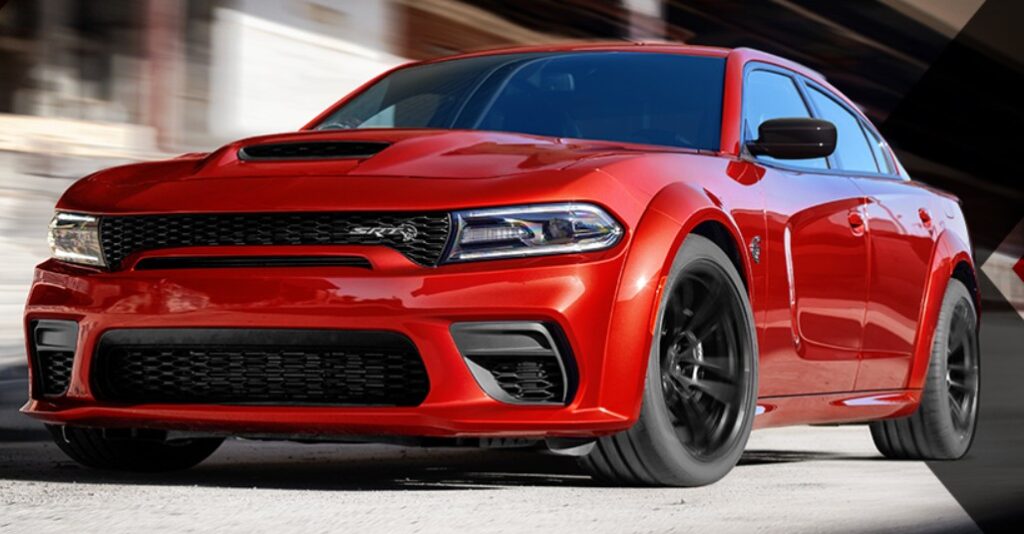
The battle of Dodge Charger vs Daytona is one of the most fascinating discussions in the modern automotive world. On one side, we have the legendary Dodge Charger, a nameplate that has symbolized American muscle for decades. On the other, we find the Daytona, a badge steeped in racing heritage that has evolved into Dodge’s vision of the future.
But which one truly deserves a place in your garage?
As the automotive industry shifts toward electrification, enthusiasts are asking difficult questions. Is the new Daytona a worthy successor to the Charger legacy? Does electric performance outperform traditional V8 power? And perhaps most importantly, which vehicle delivers the better overall experience?
Let's dive deep into this exciting comparison.
Content in this publication
- Understanding the Dodge Charger Legacy
- The Birth of the Daytona Name
- Why Dodge Created the New Daytona
- Dodge Charger vs Daytona: Quick Overview
- Exterior Design Comparison
- Performance: Traditional Power vs Electric Torque
- Acceleration Comparison
- Driving Experience Differences
- Sound: One of the Biggest Debates
- Interior Quality and Technology
- Practicality Comparison
- Maintenance Costs
- Fuel Costs vs Charging Costs
- Which Car Is Faster?
- Collectibility and Future Value
- Who Should Buy the Charger?
- Who Should Buy the Daytona?
- The Emotional Factor
- Dodge Charger vs Daytona: The Verdict
- Frequently Asked Questions
- Conclusion
Understanding the Dodge Charger Legacy
The Dodge Charger has always been more than a car. It's a statement.
Since its debut in the 1960s, the Charger has represented power, aggression, and unmistakable American styling. Its long hood, muscular stance, and thunderous engines have made it an icon among performance enthusiasts.
The Charger became particularly famous for:
- High-performance V8 engines
- Aggressive muscle car styling
- Four-door practicality
- Drag strip dominance
- Strong aftermarket support
For decades, the Charger embodied the philosophy that bigger engines equal bigger smiles.
The Birth of the Daytona Name
A Racing Legend Returns
The Daytona badge first appeared in 1969 with the famous Charger Daytona.
Designed specifically for NASCAR competition, the original Daytona featured:
- A massive rear wing
- A pointed aerodynamic nose
- Exceptional high-speed stability
- Record-breaking performance
The Daytona quickly became one of the most recognizable muscle cars ever produced.
Fast forward to today, and Dodge has revived the Daytona name for a completely new era.
Why Dodge Created the New Daytona
The automotive industry is changing rapidly.
Stricter emissions regulations and increasing demand for electric vehicles pushed Dodge toward innovation. Rather than simply creating another EV, Dodge wanted to preserve its performance heritage.
The result was the Daytona.
Instead of replacing excitement, Dodge aimed to redefine it.
Key Objectives Behind the Daytona
- Maintain muscle car performance
- Introduce electrification
- Attract younger buyers
- Meet future regulations
- Preserve Dodge's performance identity
The Daytona represents Dodge's bridge between tradition and tomorrow.
Dodge Charger vs Daytona: Quick Overview
| Category | Dodge Charger | Dodge Daytona |
|---|---|---|
| Powertrain | Gasoline V6/V8 | Electric |
| Sound | Traditional exhaust | Fratzonic exhaust system |
| Fuel | Gasoline | Electricity |
| Heritage | Classic muscle car | Modern evolution |
| Maintenance | Higher | Lower |
| Emissions | Higher | Zero tailpipe emissions |
| Technology | Modern | Highly advanced |
At first glance, the differences are dramatic.
Yet both vehicles pursue the same mission: delivering thrilling performance.
Exterior Design Comparison
The Charger's Aggressive Presence
The Charger has always looked intimidating.
Wide fenders, a large grille, and a low-slung profile give it an unmistakable road presence.
Its design communicates power before the engine even starts.
The Daytona's Futuristic Approach
The Daytona takes a different path.
Its styling blends classic Dodge cues with aerodynamic enhancements designed specifically for EV performance.
Notable features include:
- Illuminated front fascia
- Aerodynamic R-Wing design
- Flush door handles
- Streamlined bodywork
- Modern lighting signatures
The Daytona feels like a muscle car from the future.
Performance: Traditional Power vs Electric Torque
The Charger Experience
One of the Charger’s greatest strengths is its engine lineup.
Depending on trim level, drivers could choose from:
V6 Options
Efficient and practical while maintaining respectable performance.
5.7L HEMI V8
A perfect balance between power and everyday usability.
6.4L HEMI V8
A true performance powerhouse.
Supercharged Hellcat Variants
Pure insanity on four wheels.
The Charger became synonymous with horsepower wars.
The Daytona Experience
Electric motors change everything.
Instead of waiting for revs to build, the Daytona delivers maximum torque instantly.
Benefits include:
You may be interested in reading Nissan Altima Insurance Cost: Complete Guide to Rates, Savings, and Coverage
- Immediate acceleration
- Seamless power delivery
- No gear shifts
- Faster response times
- Consistent performance
The sensation feels less like launching a car and more like being fired from a slingshot.
Acceleration Comparison
Why EVs Are So Quick
Electric motors generate peak torque immediately.
Traditional engines require time to build power.
As a result:
- Daytona accelerates instantly
- Charger builds excitement progressively
- Daytona often achieves quicker launch times
- Charger offers more mechanical engagement
The choice depends on personal preference.
Do we prefer explosive efficiency or dramatic engine character?
Driving Experience Differences
The Emotional Side of the Charger
Driving a Charger is an event.
You hear the exhaust.
You feel the vibrations.
You sense the mechanical interaction.
Every acceleration feels theatrical.
The Charger isn't merely transportation.
It's a performance experience.
The Precision of the Daytona
The Daytona focuses on speed through technology.
The experience feels:
- Smooth
- Immediate
- Controlled
- Predictable
- Highly responsive
Rather than roaring like a lion, it strikes like lightning.
Both approaches create excitement in different ways.
Sound: One of the Biggest Debates
The Charger's V8 Symphony
For many enthusiasts, nothing beats a naturally aspirated or supercharged V8.
The rumble, growl, and roar create an emotional connection that defines muscle cars.
The Charger excels here.
The Daytona's Fratzonic Chambered Exhaust
Dodge understood enthusiasts' concerns.
That's why engineers developed the Fratzonic Chambered Exhaust system.
This innovative technology generates a distinctive performance sound designed to preserve the emotional aspect of driving.
While it differs from a V8, it adds personality often missing from EVs.
Interior Quality and Technology
Inside the Charger
The Charger provides:
- Comfortable seating
- Practical cabin space
- Traditional controls
- Modern infotainment systems
- Excellent daily usability
It balances performance with practicality.
Inside the Daytona
The Daytona introduces a more futuristic environment.
Features include:
- Digital instrument clusters
- Advanced connectivity
- Performance telemetry
- Premium materials
- Enhanced driver assistance systems
The cabin feels significantly more advanced.
Practicality Comparison
Daily Driving the Charger
Advantages include:
- Long-distance convenience
- Fast refueling
- Spacious rear seating
- Large trunk
- Familiar ownership experience
Road trips remain effortless.
Daily Driving the Daytona
Advantages include:
- Lower operating costs
- Reduced maintenance
- Quiet commuting
- Home charging convenience
- Modern technology integration
However, charging infrastructure remains a consideration for some buyers.
Maintenance Costs
Charger Ownership Costs
Gas-powered performance cars require:
- Oil changes
- Spark plug replacements
- Transmission servicing
- Cooling system maintenance
Over time, these costs accumulate.
Daytona Ownership Costs
Electric vehicles eliminate many traditional maintenance requirements.
Owners avoid:
- Oil changes
- Exhaust repairs
- Fuel system maintenance
- Engine-related wear items
This can significantly reduce long-term expenses.
You may be interested in readingNissan Altima Insurance Cost: Complete Guide to Rates, Savings, and CoverageYou may be interested in reading
Nissan Altima Best Years: Which Models Are Worth Buying?Fuel Costs vs Charging Costs
The Charger Perspective
Fuel prices fluctuate constantly.
Performance-oriented Chargers consume substantial amounts of gasoline under spirited driving.
The Daytona Perspective
Electric charging generally costs less than gasoline.
For drivers covering high annual mileage, savings can become substantial.
The difference grows larger each year.
Which Car Is Faster?
Straight-Line Performance
The Daytona benefits from instant torque.
In many situations, it launches harder and accelerates faster than traditional gasoline-powered vehicles.
Driver Engagement
The Charger offers:
- Gear changes
- Exhaust sound
- Mechanical drama
- Emotional feedback
Some drivers may value engagement over outright speed.
Collectibility and Future Value
Future Charger Collectibility
V8-powered Chargers are becoming increasingly rare.
As manufacturers move toward electrification, classic HEMI-powered models could become highly desirable.
Particularly:
- Hellcat models
- Scat Pack variants
- Special editions
Collectors are already paying attention.
Future Daytona Collectibility
As Dodge's first true electric muscle car, the Daytona could also become historically significant.
First-generation performance EVs often attract future collectors.
Its importance may extend beyond raw performance.
Who Should Buy the Charger?
The Charger remains ideal for drivers who:
- Love V8 engines
- Enjoy traditional muscle cars
- Appreciate mechanical engagement
- Prefer gasoline power
- Value muscle car heritage
For many enthusiasts, nothing replaces the HEMI experience.
Who Should Buy the Daytona?
The Daytona suits buyers who:
- Embrace new technology
- Want instant acceleration
- Prefer lower maintenance
- Seek future-focused performance
- Appreciate innovation
It represents the next chapter of muscle cars.
The Emotional Factor
Cars are rarely purchased with logic alone.
The Charger appeals to nostalgia, tradition, and sensory excitement.
The Daytona appeals to innovation, progress, and technological performance.
Neither approach is wrong.
Both simply target different visions of automotive passion.
Dodge Charger vs Daytona: The Verdict
Comparing the Dodge Charger and Daytona is like comparing a classic rock concert to a futuristic electronic music festival.
Both are thrilling.
The Charger celebrates the golden era of American muscle with thunderous engines and raw personality. It connects us to decades of automotive history.
The Daytona embraces the future with instant torque, cutting-edge technology, and groundbreaking electric performance. It challenges conventional expectations and redefines what a muscle car can be.
If we prioritize emotion, sound, and heritage, the Charger remains difficult to beat.
If we prioritize speed, efficiency, and innovation, the Daytona emerges as the clear choice.
Ultimately, the winner depends on what excites us most when we slide behind the wheel.
Frequently Asked Questions
1. Is the Daytona replacing the Dodge Charger?
The Daytona represents Dodge's new performance direction and serves as the modern evolution of the Charger lineup.
2. Is the Daytona fully electric?
Yes, modern Daytona models are designed primarily around electric powertrains.
3. Which is faster, the Charger or Daytona?
The Daytona generally benefits from quicker acceleration thanks to instant electric torque.
4. Does the Daytona make engine sounds?
It uses Dodge's Fratzonic Chambered Exhaust system to create a unique performance sound.
You may be interested in readingNissan Altima Insurance Cost: Complete Guide to Rates, Savings, and CoverageYou may be interested in reading
Nissan Altima Best Years: Which Models Are Worth Buying?You may be interested in reading
How Many Miles Can Nissan Altima Last? The Complete Longevity Guide5. Will V8 Chargers become collectible?
Many automotive enthusiasts believe HEMI-powered Chargers will become increasingly desirable as production shifts toward electrification.
Conclusion
The Dodge Charger and Daytona represent two eras of performance colliding on the same road. One celebrates gasoline-powered heritage, while the other embraces an electrified future. Rather than viewing them as rivals, we can see them as chapters in the same story—a story driven by speed, passion, and innovation. Whether we choose the roar of a HEMI or the surge of electric torque, both vehicles remind us why we fell in love with muscle cars in the first place.
If you want to know other articles similar to Dodge Charger vs Daytona: The Ultimate Muscle Car Evolution Guide you can visit the category Blog.
Is Nissan Rogue a Good Car? Reliability, Pros, Cons & What to Know
Nissan Rogue Not Starting? Common Causes and How to Fix It
Is Vauxhall Agila a Good Car? Reliability, Problems and Buying Guide

Honda Passport Life Expectancy: How Many Miles Can It Last?
Honda Passport Depreciation: How Well Does It Hold Its Value?
Nissan Rogue Reliability Rating: How Reliable Is the Rogue?
Leave a Reply
More content of your interest