

Audi TT Engine Size: Complete Guide to Every Engine Option

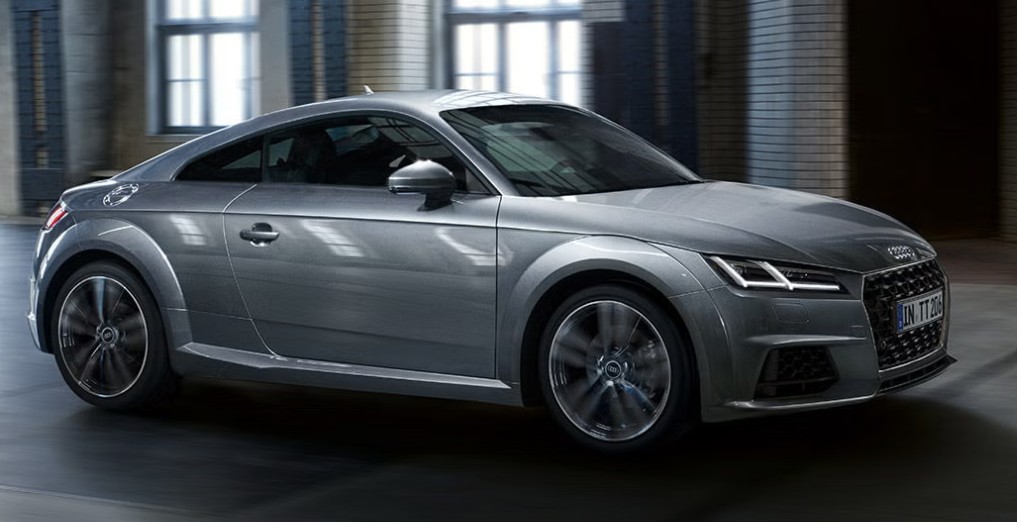
The Audi TT is one of those rare sports cars that manages to blend style, practicality, and performance into a single package. Since its debut in the late 1990s, the TT has evolved through multiple generations, offering a wide range of engines to suit different driving preferences. Whether we're searching for fuel efficiency, everyday usability, or thrilling acceleration, understanding Audi TT engine size options is essential before buying one.
In this comprehensive guide, we'll explore every Audi TT engine size, compare performance figures, examine reliability, and help determine which engine is best suited for different types of drivers.
Content in this publication
- Why Audi TT Engine Size Matters
- Audi TT Generations Overview
- The Most Common Audi TT Engine Size
- Audi TT 1.8 Engine Size Explained
- Audi TT 2.0 Engine Size: The Perfect Balance
- Audi TT 3.2 V6 Engine Size
- Audi TT RS Engine Size
- Audi TT Diesel Engine Sizes
- Comparing All Audi TT Engine Sizes
- Which Audi TT Engine Size Is Best?
- Engine Size and Fuel Consumption
- Engine Size and Insurance Costs
- Reliability by Engine Size
- Audi TT Engine Size and Performance
- Should You Choose Quattro or Front-Wheel Drive?
- Future Collectibility of Audi TT Engines
- Buying Tips Based on Engine Size
- Common Audi TT Engine Questions
- Conclusion
- Frequently Asked Questions
Why Audi TT Engine Size Matters
Engine size is much more than a number on a specification sheet. It affects nearly every aspect of the driving experience, including:
- Acceleration
- Fuel economy
- Insurance costs
- Maintenance expenses
- Road tax in some regions
- Long-term reliability
- Driving enjoyment
Choosing the right engine is like selecting the perfect pair of shoes. The wrong choice may still work, but the right one feels tailor-made.
Audi TT Generations Overview
Before diving into specific engine sizes, let's briefly understand the TT's evolution.
First Generation Audi TT (1998–2006)
The original TT became an instant design icon with its distinctive curves and minimalist styling.
Available engine sizes included:
- 1.8-liter turbocharged four-cylinder
- 3.2-liter V6
Second Generation Audi TT (2006–2014)
The second-generation model became lighter, faster, and more refined.
Engine options included:
- 1.8-liter TFSI
- 2.0-liter TFSI
- 2.0-liter TDI diesel
- 3.2-liter V6
- 2.5-liter five-cylinder TT RS
Third Generation Audi TT (2014–2023)
The final generation introduced advanced technology and sharper handling.
Available engines included:
- 1.8-liter TFSI
- 2.0-liter TFSI
- 2.0-liter TDI
- 2.5-liter five-cylinder TT RS
The Most Common Audi TT Engine Size
2.0-Liter TFSI Engine
The 2.0-liter turbocharged four-cylinder engine is by far the most common Audi TT engine.
Reasons for its popularity include:
- Strong performance
- Excellent fuel efficiency
- Good reliability
- Wide availability
- Affordable maintenance
Depending on model year and tune, power ranges from approximately 197 hp to over 300 hp.
For most drivers, this engine represents the sweet spot of the TT lineup.
Audi TT 1.8 Engine Size Explained
The Original 1.8 Turbo Legend
The 1.8-liter turbocharged engine became one of Audi's most celebrated powerplants.
It appeared in numerous Volkswagen Group vehicles and earned a reputation for tunability.
Power outputs included:
- 150 hp
- 180 hp
- 190 hp
- 225 hp
The 225-horsepower version especially transformed the TT into a genuine performance machine.
Benefits of the 1.8 Engine
Key advantages include:
- Excellent fuel economy
- Lower purchase prices
- Strong aftermarket support
- Proven durability
For enthusiasts who enjoy modifications, the 1.8T remains a favorite.
Potential Drawbacks
As these vehicles age, owners should watch for:
- Timing belt maintenance
- Turbocharger wear
- Coil pack failures
- Oil sludge issues
Regular servicing largely prevents major problems.
Audi TT 2.0 Engine Size: The Perfect Balance
Many enthusiasts consider the 2.0-liter TFSI engine the ideal TT powerplant.
Performance Characteristics
The 2.0 TFSI offers:
- Immediate turbo response
- Smooth power delivery
- Excellent motorway performance
- Strong overtaking ability
It's the automotive equivalent of a Swiss Army knife—capable in nearly every situation.
Fuel Economy
Depending on generation and transmission, drivers can expect:
- Around 30–45 mpg
- Lower emissions than larger engines
- Reduced running costs
Reliability Insights
Modern versions generally prove dependable when maintained properly.
Common concerns include:
- Carbon buildup
- Water pump failures
- Ignition coil issues
These problems are well documented and usually manageable.
Audi TT 3.2 V6 Engine Size
A Different Kind of Performance
Before turbocharged engines dominated the lineup, Audi offered the TT with a naturally aspirated 3.2-liter V6.
This engine produced approximately:
- 250 hp
Unlike smaller turbo engines, the V6 delivered power smoothly across the rev range.
Why Enthusiasts Love the V6
The appeal extends beyond performance.
Drivers often praise:
- Distinctive exhaust note
- Linear acceleration
- Mechanical character
- Refined operation
The sound alone makes many enthusiasts fall in love with this engine.
Considerations Before Buying
Potential downsides include:
- Higher fuel consumption
- Increased maintenance costs
- More expensive repairs
However, many owners feel the driving experience justifies the extra expense.
Audi TT RS Engine Size
The Famous 2.5-Liter Five-Cylinder
If the standard TT is impressive, the TT RS takes things to another level.
At its heart sits a legendary:
- 2.5-liter turbocharged five-cylinder engine
This powerplant became one of Audi's greatest modern achievements.
Power Figures Through the Years
Output ranged from:
- 335 hp
- 360 hp
- 394 hp
These figures transformed the TT RS into a supercar challenger.
Performance Numbers
Depending on generation:
- 0–60 mph in under 4 seconds
- Top speeds exceeding 170 mph with restrictions removed
That's serious performance from a compact sports coupe.
Audi TT Diesel Engine Sizes
The 2.0 TDI Option
Not everyone buys a sports car for maximum speed.
Audi recognized this by introducing a 2.0-liter TDI diesel engine.
Advantages of the Diesel TT
Benefits include:
- Outstanding fuel economy
- Strong low-end torque
- Long-distance comfort
- Reduced fuel costs
For high-mileage drivers, it can be surprisingly sensible.
Why Diesel Models Are Rare
Sports car buyers typically prioritize performance over economy.
As a result:
- Fewer diesel TTs were sold
- Availability is limited in some markets
Today they remain an unusual but interesting choice.
Comparing All Audi TT Engine Sizes
Quick Reference Table
| Engine Size | Power Range | Character |
|---|---|---|
| 1.8T | 150–225 hp | Efficient and tunable |
| 2.0 TFSI | 197–306 hp | Balanced performer |
| 2.0 TDI | 168–184 hp | Economy focused |
| 3.2 V6 | 250 hp | Smooth and refined |
| 2.5 TT RS | 335–394 hp | High-performance icon |
Which Audi TT Engine Size Is Best?
The answer depends entirely on our priorities.
Best for Daily Driving
The winner is:
2.0 TFSI
Why?
- Strong performance
- Good economy
- Broad availability
- Proven reliability
Best for Fuel Economy
The answer is:
2.0 TDI
Ideal for drivers covering significant annual mileage.
Best for Enthusiasts
Without question:
2.5 TT RS
Its unique five-cylinder soundtrack and explosive acceleration create a truly memorable experience.
Best Value for Money
Many buyers choose:
1.8 Turbo
Affordable purchase prices make it attractive for budget-conscious enthusiasts.
Engine Size and Fuel Consumption
Smaller Doesn't Always Mean Better
Many assume smaller engines automatically consume less fuel.
Reality is more complicated.
Turbocharged engines often produce similar performance to larger engines while maintaining reasonable efficiency.
Driving style also matters enormously.
Typical Fuel Economy Estimates
- 1.8T: 30–40 mpg
- 2.0 TFSI: 30–45 mpg
- 3.2 V6: 22–30 mpg
- 2.5 TT RS: 25–32 mpg
- 2.0 TDI: 45–60 mpg
Engine Size and Insurance Costs
Insurance companies consider:
- Engine displacement
- Horsepower
- Vehicle value
- Repair costs
Generally:
- 1.8 models cost less to insure
- TT RS models cost considerably more
Young drivers especially benefit from selecting smaller engine variants.
Reliability by Engine Size
Most Reliable Audi TT Engines
Strong contenders include:
- 2.0 TFSI (later versions)
- 1.8T with documented maintenance
- 2.0 TDI
Engines Requiring Extra Attention
Owners should carefully inspect:
- Early 2.0 TFSI engines for oil consumption
- Aging 3.2 V6 models for chain-related issues
- High-mileage TT RS examples for turbo wear
Service history is often more important than engine size itself.
Audi TT Engine Size and Performance
Acceleration Comparison
Approximate 0–60 mph times:
| Engine | 0–60 mph |
|---|---|
| 1.8T 150 hp | 8.5 sec |
| 1.8T 225 hp | 6.4 sec |
| 2.0 TFSI | 5.2–6.5 sec |
| 3.2 V6 | 5.7 sec |
| TT RS | 3.6–4.5 sec |
The difference between entry-level and TT RS models feels like comparing a sprint to a rocket launch.
Should You Choose Quattro or Front-Wheel Drive?
Engine size often determines drivetrain availability.
Front-Wheel Drive Models
Advantages:
- Lower purchase price
- Better fuel economy
- Simpler maintenance
Quattro Models
Benefits:
- Superior traction
- Better wet-weather performance
- Enhanced acceleration
Many higher-powered engines come paired with Audi's renowned quattro system.
Future Collectibility of Audi TT Engines
With TT production ending in 2023, some engine variants may become increasingly desirable.
Potential future classics include:
- 3.2 V6 models
- Original 225 hp 1.8T
- TT RS five-cylinder variants
Their unique character may become even more valuable as the automotive industry moves toward electrification.
Buying Tips Based on Engine Size
For Budget Buyers
Focus on:
- 1.8T models
- Well-documented service records
- Timing belt replacement history
For Everyday Drivers
Look for:
- 2.0 TFSI models
- Comprehensive maintenance records
- Lower-mileage examples
For Collectors
Prioritize:
- TT RS models
- V6 examples
- Original condition vehicles
Maintenance history should always outweigh mileage alone.
Common Audi TT Engine Questions
Is a Bigger Engine Always Faster?
Not necessarily.
Modern turbocharged engines often outperform larger naturally aspirated alternatives.
Can Audi TT Engines Be Tuned?
Absolutely.
Popular tuning targets include:
- 1.8T
- 2.0 TFSI
- 2.5 TT RS
Substantial power gains are often achievable with software upgrades.
Which Engine Holds Value Best?
The TT RS generally retains value most effectively thanks to its rarity and performance.
Conclusion
The Audi TT has offered an impressive variety of engine sizes throughout its lifespan, from efficient 1.8-liter turbocharged units to the exhilarating 2.5-liter five-cylinder monster found in the TT RS. Choosing the right Audi TT engine size ultimately depends on what we value most. If we want the ideal balance of performance and practicality, the 2.0 TFSI remains difficult to beat. If we crave character and exclusivity, the 3.2 V6 and TT RS engines stand in a league of their own.
Like choosing the perfect soundtrack for a road trip, selecting the right Audi TT engine shapes the entire experience. Fortunately, regardless of which engine we choose, the TT remains one of the most distinctive sports cars Audi has ever produced.
Frequently Asked Questions
1. What is the most common Audi TT engine size?
The 2.0-liter TFSI turbocharged engine is the most common Audi TT engine across modern generations.
2. Which Audi TT engine is the fastest?
The 2.5-liter five-cylinder engine in the TT RS is the fastest and most powerful TT engine.
3. Is the Audi TT 1.8T reliable?
Yes, the 1.8T is generally reliable when properly maintained and serviced on schedule.
4. Does the Audi TT come with a V6 engine?
Yes, Audi offered a 3.2-liter V6 engine in certain first- and second-generation TT models.
5. What is the best Audi TT engine for daily use?
Most drivers find the 2.0-liter TFSI engine provides the best combination of performance, efficiency, and reliability.
If you want to know other articles similar to Audi TT Engine Size: Complete Guide to Every Engine Option you can visit the category Service and Parts.
Kia Sorento Service Reset: How to Reset the Service Light
Kia Sorento Fuel Tank Capacity: Gallons, Litres and Model Differences
Kia Sorento Tyre Pressure: Recommended PSI, Bar and Complete Guide
Kia Sorento Boot Space: How Much Luggage Space Does It Really Have?
Kia Sorento Towing Capacity: How Much Can a Sorento Tow?

Honda Passport Payload Capacity: How Much Weight Can It Carry?
Leave a Reply
More content of your interest