

Fiat Punto Tire Pressure: The Complete Guide to Safer Driving and Better Performance

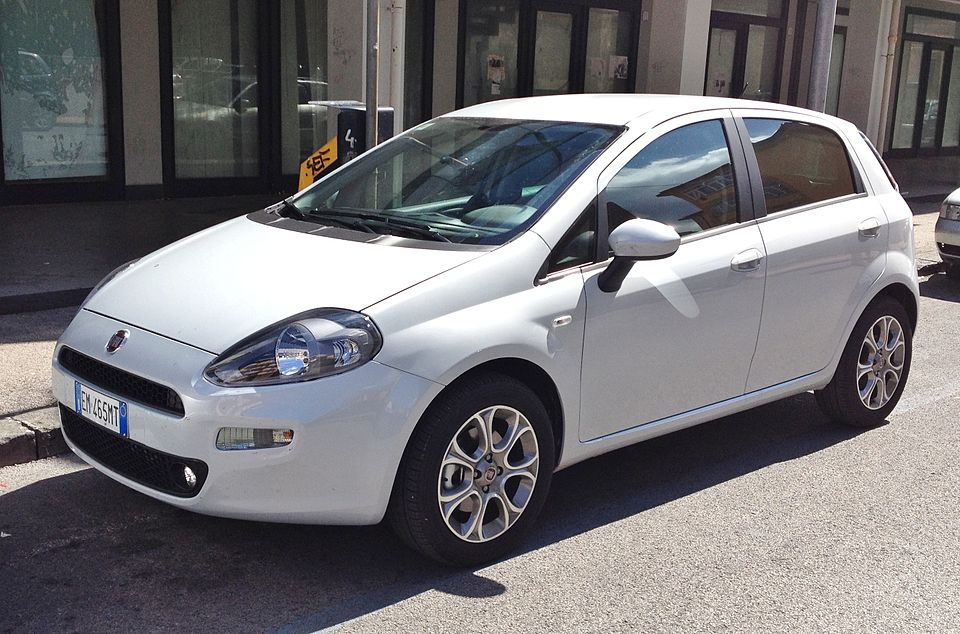
When it comes to maintaining a Fiat Punto, few things are as important—and as overlooked—as tire pressure. We often focus on engine oil, brakes, and fuel economy while forgetting that the only part of the car touching the road is a set of four tires. Think of them as the shoes of your vehicle. If they are uncomfortable, underinflated, or overinflated, every journey suffers.
Proper Fiat Punto tire pressure affects safety, fuel efficiency, tire lifespan, ride comfort, handling, and even braking performance. Whether you drive a city-friendly Fiat Punto, a sporty version, or an older model, understanding the correct tire pressure can save money and improve your driving experience.
In this comprehensive guide, we'll explore everything you need to know about Fiat Punto tire pressure, including recommended settings, seasonal adjustments, warning signs, maintenance tips, and answers to common questions.
Content in this publication
- Why Tire Pressure Matters in a Fiat Punto
- Understanding Fiat Punto Recommended Tire Pressure
- Where to Find Fiat Punto Tire Pressure Information
- PSI, BAR, and kPa Explained
- How to Check Fiat Punto Tire Pressure
- What Happens If Tire Pressure Is Too Low?
- What Happens If Tire Pressure Is Too High?
- Seasonal Changes and Tire Pressure
- How Often Should We Check Tire Pressure?
- Fiat Punto Tire Pressure Monitoring Systems
- Common Tire Sizes Found on Fiat Punto Models
- How Tire Pressure Affects Fuel Economy
- How Tire Pressure Influences Tire Wear
- Long-Distance Driving and Fiat Punto Tire Pressure
- Signs Your Fiat Punto Tires Need Attention
- Best Practices for Maintaining Fiat Punto Tire Pressure
- The Safety Connection: Why Pressure Is More Than a Number
- Conclusion
- Frequently Asked Questions
Why Tire Pressure Matters in a Fiat Punto
Many drivers underestimate the importance of tire pressure until a problem occurs. Yet maintaining the correct pressure delivers benefits every time we get behind the wheel.
Proper tire pressure helps:
- Improve fuel economy
- Extend tire lifespan
- Enhance steering precision
- Reduce braking distances
- Increase driving comfort
- Improve road safety
- Reduce uneven tire wear
Even a small pressure difference can affect how your Fiat Punto performs on the road.
Understanding Fiat Punto Recommended Tire Pressure
The correct tire pressure for a Fiat Punto varies depending on:
- Model year
- Engine type
- Tire size
- Passenger load
- Cargo weight
Most Fiat Punto models typically require pressures between 30 PSI and 35 PSI for everyday driving.
However, drivers should always verify the exact specification using:
- Driver's door jamb sticker
- Fuel filler flap label
- Owner's manual
These sources provide the manufacturer-approved settings.
Typical Fiat Punto Tire Pressure Range
For many standard Fiat Punto models:
| Position | PSI |
|---|---|
| Front Tires | 32 PSI |
| Rear Tires | 30 PSI |
| Fully Loaded Front | 34 PSI |
| Fully Loaded Rear | 36 PSI |
These values are examples and may vary by specific model.
Where to Find Fiat Punto Tire Pressure Information
Finding the correct pressure is easier than many people think.
Driver's Door Frame Label
Open the driver's door and inspect the inner pillar. Most Fiat Punto models display recommended pressures here.
Fuel Filler Cap Area
Some versions include a tire pressure chart inside the fuel door.
Owner's Manual
The owner's handbook contains detailed recommendations for different tire sizes and load conditions.
PSI, BAR, and kPa Explained
Tire pressure can be measured in three common units.
PSI (Pounds per Square Inch)
The most commonly used measurement in many countries.
BAR
Frequently used throughout Europe.
kPa (Kilopascals)
Another international pressure measurement standard.
Quick Conversion Guide
| PSI | BAR | kPa |
|---|---|---|
| 30 | 2.07 | 207 |
| 32 | 2.21 | 221 |
| 34 | 2.34 | 234 |
| 36 | 2.48 | 248 |
Knowing these conversions helps when using different air pumps.
How to Check Fiat Punto Tire Pressure
Checking tire pressure takes only a few minutes.
Step 1: Use a Reliable Gauge
Digital gauges tend to provide the most accurate readings.
Step 2: Check When Tires Are Cold
Measure pressure before driving or after the vehicle has been parked for several hours.
Step 3: Remove Valve Caps
Unscrew each cap carefully and place it somewhere safe.
Step 4: Measure Pressure
Press the gauge firmly onto the valve stem.
Step 5: Adjust as Necessary
Add or release air until reaching the recommended pressure.
Step 6: Replace Valve Caps
Protecting the valve stem helps prevent contamination and leaks.
What Happens If Tire Pressure Is Too Low?
Driving with underinflated tires creates several problems.
Reduced Fuel Economy
Low pressure increases rolling resistance, forcing the engine to work harder.
Premature Tire Wear
The outer edges of the tire wear faster than the center.
Poor Handling
Steering feels less responsive and cornering stability decreases.
Longer Braking Distances
Stopping safely becomes more difficult, especially in emergencies.
Higher Risk of Blowouts
Excessive heat builds up inside underinflated tires.
Imagine running a marathon in shoes that are too soft. Eventually, something gives way.
What Happens If Tire Pressure Is Too High?
Overinflation is also problematic.
Reduced Comfort
The ride becomes harsher over bumps and potholes.
Uneven Tire Wear
The center of the tread wears more quickly.
Reduced Traction
Less tire surface contacts the road.
Increased Vulnerability
Impacts from potholes become more severe.
Too much pressure turns your tire into a basketball rather than a cushion.
Seasonal Changes and Tire Pressure
Weather significantly affects tire pressure.
Winter Tire Pressure
Cold temperatures cause air molecules to contract.
As a rule:
- Tire pressure drops approximately 1 PSI for every 10°F decrease in temperature.
This means tires may lose pressure during winter months.
Summer Tire Pressure
Hot weather expands air inside tires.
Pressure readings may appear slightly higher during warm conditions.
Seasonal Tire Maintenance Tips
- Check monthly
- Monitor sudden temperature changes
- Verify pressure before long trips
- Inspect after seasonal transitions
How Often Should We Check Tire Pressure?
Experts recommend checking tire pressure:
- At least once per month
- Before long journeys
- After major temperature shifts
- Whenever handling feels unusual
Consistency is key.
A two-minute check today could prevent a costly repair tomorrow.
Fiat Punto Tire Pressure Monitoring Systems
Some newer Fiat Punto models include TPMS technology.
What Is TPMS?
TPMS stands for Tire Pressure Monitoring System.
The system alerts drivers when pressure falls below safe levels.
Direct TPMS
Uses sensors inside each wheel.
Indirect TPMS
Relies on wheel speed sensors from the ABS system.
Both systems help improve safety but should never replace manual inspections.
Common Tire Sizes Found on Fiat Punto Models
Different Punto versions use different tire dimensions.
Examples include:
- 175/65 R14
- 185/65 R15
- 195/55 R16
- 205/45 R17
Each tire size may require slightly different pressures.
Always verify specifications before adjusting.
How Tire Pressure Affects Fuel Economy
Fuel costs continue to rise, making efficiency more important than ever.
Reduced Rolling Resistance
Correct pressure allows tires to roll smoothly.
Engine Efficiency
The engine expends less energy moving the vehicle.
Potential Savings
Properly inflated tires can improve fuel efficiency by several percentage points.
While that may seem small, the savings accumulate over thousands of miles.
How Tire Pressure Influences Tire Wear
Tires represent a significant investment.
Underinflation Wear Pattern
The shoulders wear prematurely.
Overinflation Wear Pattern
The center tread wears faster.
Correct Inflation Pattern
Wear remains even across the tread surface.
Even wear means longer tire life and better value.
Long-Distance Driving and Fiat Punto Tire Pressure
Before embarking on a road trip, tire pressure deserves special attention.
Benefits of Proper Pressure During Travel
- Improved stability
- Better fuel economy
- Reduced tire heat
- Increased safety
Check Before Loading
Adjust pressure according to passenger and cargo weight recommendations.
A fully loaded Punto may require higher pressures than daily commuting conditions.
Signs Your Fiat Punto Tires Need Attention
Your car often communicates problems before they become serious.
Watch for:
- Steering pulling to one side
- Uneven tread wear
- Poor fuel economy
- Tire warning lights
- Increased road noise
- Reduced ride comfort
These symptoms may indicate pressure issues.
Simple Visual Inspection
Look for:
- Bulges
- Cracks
- Embedded objects
- Uneven tread patterns
A quick glance can reveal a surprising amount.
Best Practices for Maintaining Fiat Punto Tire Pressure
Maintaining proper pressure isn't complicated.
Create a Monthly Routine
Choose the same date each month.
Keep a Tire Gauge
Store one in the glove box.
Inspect Valve Caps
Replace damaged or missing caps.
Rotate Tires Regularly
Rotation promotes even wear.
Monitor Tread Depth
Healthy tread works together with correct pressure for maximum performance.
Maintenance Checklist
- Check pressure monthly
- Inspect tread depth
- Rotate tires
- Balance wheels
- Align suspension
- Replace damaged tires
The Safety Connection: Why Pressure Is More Than a Number
Tire pressure may seem like a small detail, but it influences nearly every aspect of driving.
Correct inflation affects:
- Emergency braking
- Wet-weather grip
- Cornering stability
- Tire longevity
- Driver confidence
In many ways, tire pressure acts as the foundation of vehicle safety.
Ignoring it is like building a house on unstable ground.
Conclusion
Maintaining the correct Fiat Punto tire pressure is one of the easiest and most cost-effective ways to improve safety, efficiency, and driving comfort. While many motorists focus on larger maintenance tasks, proper tire inflation quietly influences everything from fuel economy to braking performance.
By checking tire pressure monthly, adjusting for seasonal temperature changes, and following the manufacturer's recommendations, we can maximize tire life and enjoy a smoother driving experience. Whether we're commuting through city streets or heading out on a long road trip, properly inflated tires help keep every journey safer and more enjoyable.
Frequently Asked Questions
1. What is the recommended tire pressure for a Fiat Punto?
Most Fiat Punto models operate between 30 and 35 PSI, but exact specifications depend on model year and tire size.
2. How often should I check Fiat Punto tire pressure?
At least once per month and before any long journey.
3. Should tire pressure be checked when tires are hot or cold?
Always check when tires are cold for the most accurate reading.
4. Does cold weather reduce tire pressure?
Yes. Tire pressure typically drops about 1 PSI for every 10°F decrease in temperature.
5. Can incorrect tire pressure affect fuel economy?
Absolutely. Underinflated tires increase rolling resistance and fuel consumption.
If you want to know other articles similar to Fiat Punto Tire Pressure: The Complete Guide to Safer Driving and Better Performance you can visit the category Service and Parts.
Kia Sorento Service Reset: How to Reset the Service Light
Kia Sorento Fuel Tank Capacity: Gallons, Litres and Model Differences
Kia Sorento Tyre Pressure: Recommended PSI, Bar and Complete Guide
Kia Sorento Boot Space: How Much Luggage Space Does It Really Have?
Kia Sorento Towing Capacity: How Much Can a Sorento Tow?

Honda Passport Payload Capacity: How Much Weight Can It Carry?
Leave a Reply
More content of your interest