

Fiat Punto Grande Tyre Pressure: The Complete Guide for Safety, Comfort, and Performance

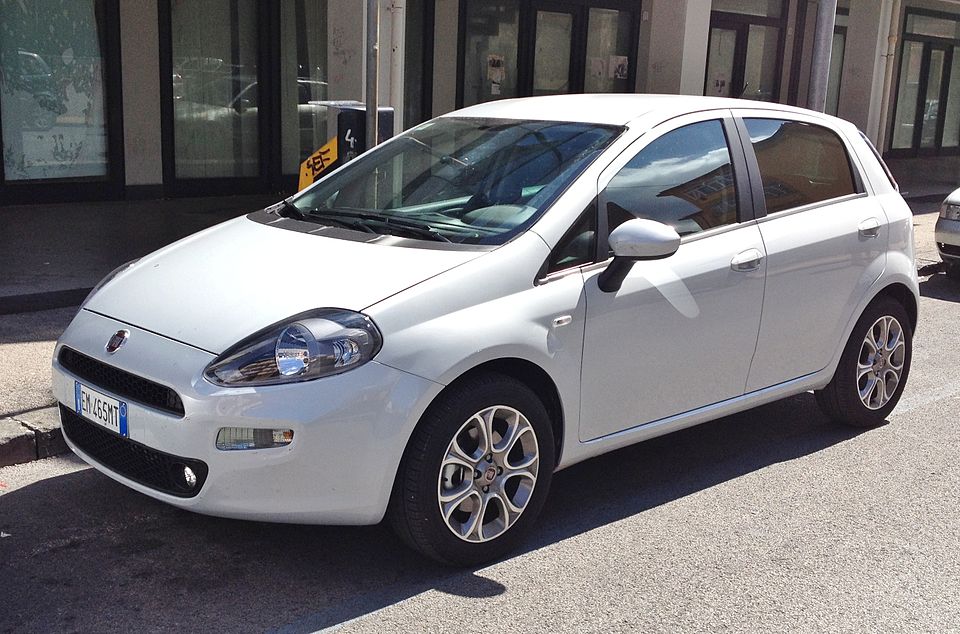
When it comes to maintaining a Fiat Punto Grande, few things are as important—and as frequently overlooked—as tyre pressure. Many drivers spend time washing their cars, changing the oil, or upgrading accessories, yet they forget the four components that actually connect the vehicle to the road.
The correct Fiat Punto Grande tyre pressure influences everything from fuel economy and handling to braking performance and tyre lifespan. Think of your tyres as the shoes your car wears every day. If your shoes are too tight or too loose, walking becomes uncomfortable. The same principle applies to your vehicle.
In this comprehensive guide, we'll explore everything you need to know about Fiat Punto Grande tyre pressure, including recommended PSI values, seasonal adjustments, common mistakes, warning signs, and practical maintenance tips.
Content in this publication
- Why Tyre Pressure Matters More Than Most Drivers Realize
- Understanding Fiat Punto Grande Tyre Pressure Measurements
- Recommended Fiat Punto Grande Tyre Pressure
- Where to Find the Official Tyre Pressure Information
- How to Check Fiat Punto Grande Tyre Pressure
- What Happens When Tyres Are Underinflated?
- The Risks of Overinflated Tyres
- How Temperature Affects Fiat Punto Grande Tyre Pressure
- Seasonal Tyre Pressure Tips
- Tyre Pressure and Fuel Economy
- How Tyre Pressure Influences Braking Distance
- Tyre Pressure and Handling Characteristics
- Signs Your Fiat Punto Grande Has Incorrect Tyre Pressure
- Tyre Pressure Monitoring Systems and the Punto Grande
- Best Practices for Long-Term Tyre Health
- Common Tyre Pressure Mistakes to Avoid
- Fiat Punto Grande Tyre Pressure for Long Journeys
- Choosing the Right Tyres for a Fiat Punto Grande
- The Relationship Between Tyre Pressure and Safety
- Creating a Simple Tyre Maintenance Routine
- Conclusion
- Frequently Asked Questions
Why Tyre Pressure Matters More Than Most Drivers Realize
Tyres are the foundation of your vehicle's performance. The pressure inside them determines how effectively they interact with the road surface.
When tyre pressure is correct, your Fiat Punto Grande enjoys:
- Better fuel efficiency
- Improved steering response
- Enhanced braking performance
- Longer tyre life
- Greater driving comfort
- Increased safety in wet conditions
Even a small deviation from recommended pressure levels can significantly affect vehicle performance.
Many drivers underestimate how expensive incorrect tyre pressure can become.
Underinflated tyres create more rolling resistance, forcing the engine to work harder. Over time, this translates into higher fuel consumption and premature tyre wear.
A tyre that should last 40,000 miles may need replacement thousands of miles earlier if pressure levels are neglected.
Understanding Fiat Punto Grande Tyre Pressure Measurements
Before checking tyre pressure, it helps to understand the units used.
PSI Explained
PSI stands for Pounds per Square Inch.
This is the most common pressure measurement used in many countries.
BAR Explained
Many European vehicles, including Fiat models, also display tyre pressures in BAR.
Conversion example:
- 29 PSI = 2.0 BAR
- 32 PSI = 2.2 BAR
- 35 PSI = 2.4 BAR
Knowing both measurements makes reading tyre information easier.
Recommended Fiat Punto Grande Tyre Pressure
The exact pressure depends on:
- Engine size
- Wheel size
- Passenger load
- Cargo weight
For most standard Fiat Punto Grande models, typical recommendations are:
| Condition | Front Tyres | Rear Tyres |
|---|---|---|
| Normal Driving | 32 PSI | 29 PSI |
| Full Load | 35 PSI | 32 PSI |
| Highway Driving | 33-35 PSI | 30-32 PSI |
Always verify the exact specification using:
- Driver's door pillar sticker
- Fuel flap label
- Owner's manual
These locations provide the manufacturer-approved figures for your specific model.
Where to Find the Official Tyre Pressure Information
Every Fiat Punto Grande includes official tyre pressure data.
Driver's Door Frame
Open the driver's door and inspect the inner pillar.
You'll usually find:
- Front tyre pressure
- Rear tyre pressure
- Full-load recommendations
- Tyre size information
Fuel Filler Flap
Many Punto Grande models display tyre pressure details inside the fuel filler door.
This makes checking specifications convenient while filling up.
Owner's Manual
The owner's handbook contains the most comprehensive information regarding tyre specifications.
How to Check Fiat Punto Grande Tyre Pressure
Checking tyre pressure is simple and only takes a few minutes.
Step 1: Use a Reliable Gauge
Digital gauges typically provide more accurate readings than older analogue versions.
Step 2: Check Cold Tyres
Measure pressure before driving.
Heat generated during driving increases tyre pressure, producing inaccurate readings.
Step 3: Remove Valve Cap
Unscrew the valve cap and place it somewhere safe.
Step 4: Attach the Gauge
Press firmly onto the valve stem.
Read the displayed pressure.
Step 5: Adjust as Necessary
Add or release air until reaching the recommended value.
Step 6: Replace the Cap
Valve caps protect against dirt and moisture.
Never leave them off.
What Happens When Tyres Are Underinflated?
Underinflation is one of the most common tyre-related issues.
Unfortunately, many drivers fail to notice it until damage has already occurred.
Reduced Fuel Economy
Soft tyres create additional friction against the road.
This increases fuel consumption.
Excessive Shoulder Wear
The outer edges wear faster than the centre.
This shortens tyre life considerably.
Poor Steering Response
The vehicle feels sluggish and less precise.
Cornering becomes less stable.
Increased Blowout Risk
Heat builds rapidly inside underinflated tyres, increasing the risk of failure.
The Risks of Overinflated Tyres
Some drivers believe adding extra air improves efficiency.
While slightly higher pressures may reduce rolling resistance, excessive inflation creates new problems.
Reduced Road Contact
Less tyre surface touches the road.
Grip levels decrease.
Harsher Ride Quality
Every bump feels more pronounced.
Comfort suffers significantly.
Centre Tread Wear
The middle portion of the tyre wears faster than the edges.
Replacement becomes necessary sooner.
How Temperature Affects Fiat Punto Grande Tyre Pressure
Tyres react constantly to temperature changes.
Winter Conditions
Cold weather reduces tyre pressure.
As a rule:
- Pressure drops approximately 1 PSI for every 10°F decrease in temperature.
Winter often reveals tyres that were already slightly underinflated.
Summer Conditions
Warm temperatures increase internal pressure.
Although this isn't usually dangerous, it's another reason why measurements should always be taken when tyres are cold.
Seasonal Tyre Pressure Tips
Different seasons require different maintenance habits.
Spring
Check pressure after winter ends.
Temperature fluctuations often create inconsistencies.
Summer
Inspect tyres before long road trips.
Heat and heavy loads can stress tyres considerably.
Autumn
Prepare for falling temperatures.
Pressure losses become more noticeable.
Winter
Check pressure more frequently.
Cold weather causes faster reductions.
Tyre Pressure and Fuel Economy
Many Fiat Punto Grande owners focus on reducing fuel costs.
Proper tyre pressure is one of the easiest ways to achieve this.
Why It Works
Correctly inflated tyres roll more efficiently.
The engine requires less effort to move the vehicle.
Potential Savings
Maintaining proper pressure can improve fuel economy by several percentage points over time.
While the improvement may seem small daily, annual savings can be substantial.
How Tyre Pressure Influences Braking Distance
Braking performance depends heavily on tyre condition.
Underinflated Tyres
The tyre deforms excessively under braking.
Stopping distances increase.
Overinflated Tyres
Reduced contact patches decrease available grip.
Emergency braking effectiveness declines.
Correct Pressure
Provides optimal contact between tyre and road.
This maximizes braking performance.
Tyre Pressure and Handling Characteristics
The Fiat Punto Grande is known for balanced city driving dynamics.
Proper tyre pressure helps preserve those characteristics.
Cornering Stability
Correct pressure supports predictable cornering behaviour.
Steering Precision
Inputs feel sharper and more responsive.
Road Feedback
Drivers receive clearer information from the road surface.
Signs Your Fiat Punto Grande Has Incorrect Tyre Pressure
Your vehicle often provides clues before a serious issue develops.
Watch for:
- Uneven tread wear
- Increased fuel consumption
- Steering pulling to one side
- Vibrations
- Reduced comfort
- Longer stopping distances
- Heavy steering feel
Recognizing these symptoms early can prevent expensive repairs.
Tyre Pressure Monitoring Systems and the Punto Grande
Some later Punto variants feature tyre pressure monitoring technology.
How TPMS Works
Sensors monitor air pressure levels.
When pressure drops below safe thresholds, a warning appears.
Why Manual Checks Still Matter
TPMS is helpful but not perfect.
Regular manual inspections remain essential.
Think of TPMS as a safety net, not a replacement for maintenance.
Best Practices for Long-Term Tyre Health
Keeping tyres healthy requires consistency rather than complexity.
Monthly Inspections
Check pressure at least once each month.
Inspect Before Long Trips
Always verify pressures before extended journeys.
Rotate Tyres Regularly
Rotation promotes even wear patterns.
Check for Damage
Inspect sidewalls and tread for:
- Cracks
- Cuts
- Bulges
- Embedded objects
Maintain Wheel Alignment
Misalignment can mimic pressure-related wear issues.
Common Tyre Pressure Mistakes to Avoid
Even experienced drivers occasionally make mistakes.
Checking Hot Tyres
Heat artificially increases readings.
Always check cold.
Ignoring the Spare Wheel
A flat spare tyre is useless during emergencies.
Using Maximum Sidewall Pressure
The number on the tyre sidewall is not the recommended operating pressure.
Always follow Fiat specifications.
Guessing Instead of Measuring
Visual inspection alone cannot accurately determine tyre pressure.
Fiat Punto Grande Tyre Pressure for Long Journeys
Long-distance travel places extra demands on tyres.
Before departing:
- Check all four tyres.
- Inspect the spare wheel.
- Increase pressure if carrying heavy loads according to Fiat recommendations.
- Examine tread depth.
- Look for visible damage.
This simple routine dramatically reduces the likelihood of roadside issues.
Choosing the Right Tyres for a Fiat Punto Grande
Tyre pressure works hand in hand with tyre quality.
Popular tyre categories include:
Economy Tyres
Affordable and suitable for everyday driving.
Touring Tyres
Excellent balance of comfort and longevity.
Performance Tyres
Enhanced grip and handling.
All-Season Tyres
Versatile performance throughout the year.
Regardless of tyre type, maintaining correct pressure remains essential.
The Relationship Between Tyre Pressure and Safety
Every safety system in your Fiat Punto Grande depends on tyre performance.
These include:
- ABS
- Electronic Stability Control
- Traction Control
- Emergency Braking Systems
When tyre pressure is incorrect, these technologies cannot operate at their full potential.
It's similar to trying to run a marathon while wearing shoes that don't fit. Even the best athlete would struggle.
Creating a Simple Tyre Maintenance Routine
The easiest way to avoid problems is to establish a routine.
A practical monthly checklist:
- Check pressure in all tyres
- Inspect tread depth
- Look for visible damage
- Verify valve condition
- Check spare tyre pressure
- Review tyre wear patterns
The entire process usually takes less than ten minutes.
Conclusion
The correct Fiat Punto Grande tyre pressure is one of the simplest yet most impactful aspects of vehicle maintenance. Properly inflated tyres improve fuel economy, enhance safety, increase tyre lifespan, and create a more enjoyable driving experience. Whether you're commuting through busy city streets or heading out on a long motorway journey, maintaining the recommended pressure ensures your Punto Grande performs exactly as Fiat intended.
Think of tyre pressure as the heartbeat of your car's connection to the road. It may be invisible, but its influence touches every mile you drive. By spending just a few minutes each month checking and adjusting tyre pressures, we can save money, improve safety, and enjoy smoother journeys for years to come.
Frequently Asked Questions
1. What is the recommended tyre pressure for a Fiat Punto Grande?
Most Fiat Punto Grande models typically use around 32 PSI in the front and 29 PSI in the rear, though exact figures vary by tyre size and model.
2. How often should I check my Fiat Punto Grande tyre pressure?
At least once per month and before any long-distance trip.
3. Should I increase tyre pressure when carrying heavy loads?
Yes. Fiat often recommends slightly higher pressures when the vehicle is fully loaded with passengers or luggage.
4. Can low tyre pressure affect fuel economy?
Absolutely. Underinflated tyres increase rolling resistance and can noticeably reduce fuel efficiency.
5. Is it safe to drive with slightly low tyre pressure?
It's best to correct the pressure immediately. Even small deviations can impact safety, handling, and tyre wear.
If you want to know other articles similar to Fiat Punto Grande Tyre Pressure: The Complete Guide for Safety, Comfort, and Performance you can visit the category Service and Parts.
Kia Sorento Service Reset: How to Reset the Service Light
Kia Sorento Fuel Tank Capacity: Gallons, Litres and Model Differences
Kia Sorento Tyre Pressure: Recommended PSI, Bar and Complete Guide
Kia Sorento Boot Space: How Much Luggage Space Does It Really Have?
Kia Sorento Towing Capacity: How Much Can a Sorento Tow?

Honda Passport Payload Capacity: How Much Weight Can It Carry?
Leave a Reply
More content of your interest