

Fiat Punto Indicators Not Working: Causes, Fixes, and Troubleshooting Guide

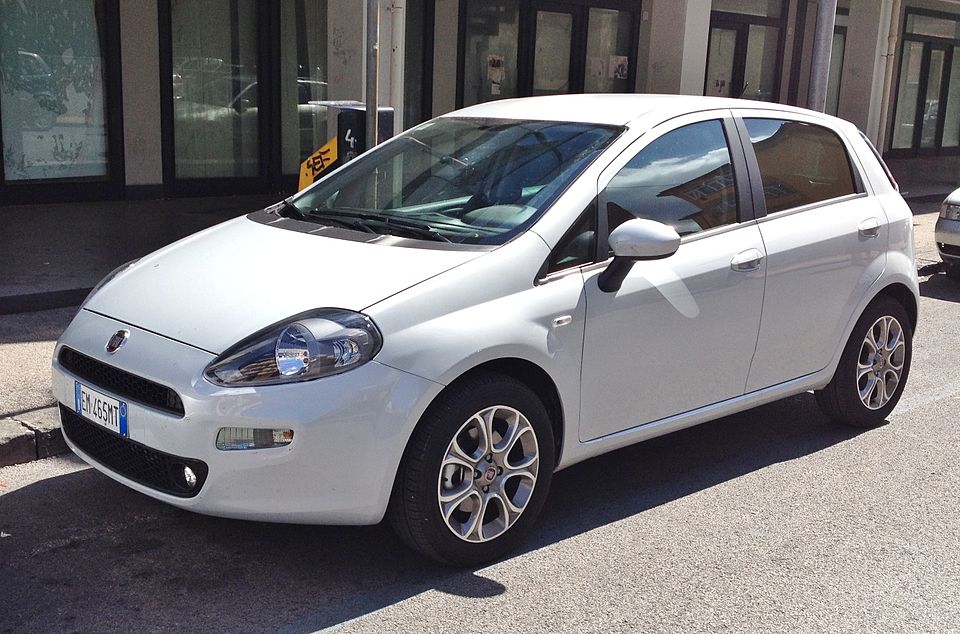
Few things are more frustrating than discovering your Fiat Punto indicators are not working. Indicators are one of the most important safety features in any vehicle. They communicate your intentions to other drivers, help prevent accidents, and ensure you remain compliant with traffic laws.
When a Fiat Punto develops indicator problems, the issue can range from something as simple as a blown fuse to a more complicated fault involving the body control module or steering column switch. The good news is that many indicator-related issues can be diagnosed and repaired without excessive expense.
In this comprehensive guide, we will explore the common causes, symptoms, troubleshooting methods, repair costs, and preventive measures for Fiat Punto indicator failures.
Content in this publication
- Why Working Indicators Are Essential
- Common Symptoms of Fiat Punto Indicator Problems
- Understanding How the Fiat Punto Indicator System Works
- Blown Indicator Fuse
- Faulty Indicator Relay
- Burnt-Out Indicator Bulbs
- Steering Column Indicator Stalk Problems
- Hazard Lights Work but Indicators Do Not
- Body Control Module (BCM) Issues
- Damaged Wiring and Electrical Connections
- Battery and Charging System Problems
- Water Damage and Moisture Intrusion
- Fiat Punto Indicator Flashing Too Fast
- Indicators Working Intermittently
- How to Troubleshoot Fiat Punto Indicators Step by Step
- Repair Costs for Fiat Punto Indicator Problems
- Can You Drive with Faulty Indicators?
- Preventing Future Indicator Problems
- When to Visit a Professional Mechanic
- Conclusion
- Frequently Asked Questions
Why Working Indicators Are Essential
Indicators serve as the language of the road. Without them, other drivers have no clear idea of your next move.
A properly functioning indicator system helps:
- Improve road safety
- Prevent collisions
- Meet legal driving requirements
- Communicate lane changes and turns
- Increase driver confidence
When indicators stop working, driving becomes risky and potentially illegal.
Common Symptoms of Fiat Punto Indicator Problems
Before diagnosing the fault, we need to identify the symptoms.
Typical signs include:
- Indicators not flashing at all
- One side not working
- Rapid flashing
- Dashboard indicator warning light staying on
- Clicking sound missing
- Hazard lights working but indicators not working
- Indicators working intermittently
- Dashboard arrows not illuminating
Each symptom often points toward a specific problem.
Understanding How the Fiat Punto Indicator System Works
The indicator system consists of several interconnected components.
Main Components
The system typically includes:
- Indicator bulbs
- Fuse box
- Indicator relay
- Steering column stalk switch
- Wiring harness
- Battery and charging system
- Body Control Module (BCM)
If any one of these components fails, the entire system can be affected.
Signal Flow Explained
When you move the indicator stalk:
- The stalk sends a signal.
- The control module processes the request.
- The relay activates.
- Power reaches the bulbs.
- The bulbs flash.
Think of it as a chain. One broken link can stop everything.
Blown Indicator Fuse
One of the simplest causes is a blown fuse.
How a Fuse Fails
Fuses protect electrical circuits from overload.
A fuse may blow because of:
- Short circuits
- Water intrusion
- Aging electrical components
- Incorrect bulb installation
Checking the Fuse
Locate the fuse box and inspect the indicator fuse.
Signs of a blown fuse include:
- Broken metal strip
- Burn marks
- Discoloration
Replacing a fuse is inexpensive and often resolves the issue immediately.
Faulty Indicator Relay
The relay controls the flashing action.
Symptoms of Relay Failure
A defective relay may cause:
- No flashing
- Constant illumination
- Fast flashing
- Intermittent operation
How to Test the Relay
Listen for the characteristic clicking sound.
If the relay remains silent or behaves inconsistently, replacement may be necessary.
Fortunately, relays are relatively affordable.
Burnt-Out Indicator Bulbs
Bulbs eventually fail due to age and repeated use.
Signs of a Failed Bulb
Common symptoms include:
- One side flashing rapidly
- Indicator warning light appearing
- One lamp remaining dark
Replacing the Bulb
Bulb replacement is usually straightforward.
Always ensure you install:
- Correct wattage
- Correct bulb type
- Quality replacement parts
Using incorrect bulbs can create additional electrical issues.
Steering Column Indicator Stalk Problems
The indicator stalk is heavily used throughout the life of the vehicle.
Over time, internal contacts wear out.
Symptoms of a Faulty Stalk
You may notice:
- Indicators activating inconsistently
- No response when moving the stalk
- Indicators cancelling incorrectly
- Excessive looseness
Diagnosing the Stalk
Technicians often use electrical testing equipment to verify continuity inside the switch.
If the contacts fail, replacement is generally the best solution.
Hazard Lights Work but Indicators Do Not
This is one of the most common Fiat Punto complaints.
What It Usually Means
If hazard lights function normally but indicators fail, the likely culprits include:
- Indicator stalk switch
- Steering column module
- BCM communication fault
Because hazards use separate activation controls, this symptom provides valuable diagnostic clues.
Recommended Inspection
Start by examining:
- Stalk switch connections
- Wiring connectors
- Steering column electronics
These components are often responsible.
Body Control Module (BCM) Issues
Modern Fiat Punto models rely heavily on electronic control systems.
The Body Control Module manages numerous vehicle functions.
What the BCM Controls
The BCM oversees:
- Indicators
- Hazard lights
- Central locking
- Interior lighting
- Alarm systems
Signs of BCM Failure
Possible indicators include:
- Multiple electrical faults
- Random warning lights
- Intermittent indicator operation
- Communication errors
Diagnosing BCM issues usually requires professional diagnostic equipment.
Damaged Wiring and Electrical Connections
Electrical wiring is the nervous system of the car.
Even a small wiring fault can create major problems.
Common Wiring Problems
Issues may include:
- Corrosion
- Loose connectors
- Broken wires
- Water damage
- Rodent damage
Where Wiring Problems Often Occur
Pay special attention to:
- Front light clusters
- Rear light assemblies
- Fuse box connections
- Steering column connectors
Visual inspection can often reveal obvious damage.
Battery and Charging System Problems
A weak battery can affect electrical systems unexpectedly.
How Low Voltage Causes Issues
Insufficient voltage may lead to:
- Erratic indicator operation
- Slow flashing
- Electronic module faults
Checking Battery Health
Inspect:
- Battery terminals
- Voltage levels
- Alternator output
A healthy charging system is critical for reliable electrical performance.
Water Damage and Moisture Intrusion
Water is the enemy of automotive electronics.
Areas Vulnerable to Moisture
Common trouble spots include:
- Fuse boxes
- Light assemblies
- Door wiring connectors
- Engine bay electrical connectors
Warning Signs
Look for:
- Green corrosion
- Rust
- Condensation
- Electrical intermittency
Addressing moisture quickly can prevent costly repairs.
Fiat Punto Indicator Flashing Too Fast
Rapid flashing is a classic warning sign.
Most Common Causes
Usually caused by:
- Failed bulb
- Incorrect replacement bulb
- Wiring resistance issues
Why Fast Flashing Happens
The system detects abnormal electrical resistance and increases the flash rate to alert the driver.
Think of it as the car's way of waving a red flag.
Indicators Working Intermittently
Intermittent faults can be particularly difficult to diagnose.
Potential Causes
Possible reasons include:
- Loose wiring
- Worn stalk switch
- Failing relay
- BCM glitches
Diagnostic Strategy
Intermittent issues require patience.
Track:
- Weather conditions
- Driving conditions
- Time of occurrence
Patterns often reveal the source.
How to Troubleshoot Fiat Punto Indicators Step by Step
A logical approach saves time and money.
Step 1: Check All Bulbs
Inspect every indicator bulb.
Replace any suspect units.
Step 2: Inspect Fuses
Verify fuse integrity.
Replace blown fuses with the correct rating.
Step 3: Test Hazard Lights
Determine whether hazards function correctly.
This narrows the diagnostic path.
Step 4: Listen for Relay Operation
Check for clicking sounds during indicator activation.
Step 5: Examine Wiring
Inspect connectors and visible wiring.
Look for damage or corrosion.
Step 6: Scan for Fault Codes
Use diagnostic equipment if necessary.
Electronic faults often leave digital clues behind.
Repair Costs for Fiat Punto Indicator Problems
Costs vary depending on the root cause.
Typical Repair Costs
| Problem | Estimated Cost |
|---|---|
| Bulb Replacement | $5–$25 |
| Fuse Replacement | $1–$10 |
| Relay Replacement | $15–$60 |
| Indicator Stalk Replacement | $80–$250 |
| Wiring Repair | $50–$300 |
| BCM Repair/Replacement | $200–$800+ |
Labor rates and vehicle model year will influence final pricing.
Can You Drive with Faulty Indicators?
Technically, the car may still move.
However, driving without functioning indicators is strongly discouraged.
Risks Include
- Increased accident risk
- Traffic violations
- Failed inspections
- Reduced driver communication
Indicators are not optional safety equipment.
Preventing Future Indicator Problems
Prevention is always cheaper than repair.
Maintenance Tips
- Replace bulbs proactively
- Keep connectors clean
- Avoid pressure washing electrical components
- Address moisture quickly
- Maintain battery health
- Perform regular inspections
Small preventive actions can extend the life of the entire system.
When to Visit a Professional Mechanic
Some issues exceed basic DIY troubleshooting.
Professional help is recommended when:
- BCM faults are suspected
- Diagnostic codes appear
- Wiring damage is extensive
- Multiple electrical systems fail simultaneously
Modern electrical systems can resemble a maze. Sometimes a specialist is the fastest route to the solution.
Conclusion
When Fiat Punto indicators stop working, the cause is usually found within a handful of components: bulbs, fuses, relays, wiring, the indicator stalk, or the Body Control Module. While simple issues like blown bulbs and fuses can often be fixed in minutes, more advanced electrical faults require systematic diagnosis.
The key is to approach the problem logically. Start with the easiest and least expensive checks before moving toward more complex repairs. With patience and proper troubleshooting, most Fiat Punto indicator issues can be resolved efficiently, restoring both safety and confidence behind the wheel.
Frequently Asked Questions
1. Why are my Fiat Punto indicators not working but hazards work?
This usually points to a faulty indicator stalk switch, steering column electronics, or a control module issue rather than the bulbs themselves.
2. Can a blown fuse stop both indicators from working?
Yes. A blown indicator fuse can disable the entire indicator circuit on both sides.
3. Why is my Fiat Punto indicator flashing rapidly?
Rapid flashing often indicates a failed bulb, incorrect bulb type, or wiring resistance problem.
4. How much does it cost to replace a Fiat Punto indicator stalk?
Replacement typically costs between $80 and $250, including labor, depending on the model and region.
5. Can a weak battery affect the indicators?
Yes. Low voltage can cause unusual electrical behavior, including indicator malfunctions and intermittent operation.
If you want to know other articles similar to Fiat Punto Indicators Not Working: Causes, Fixes, and Troubleshooting Guide you can visit the category Common Problems.
Nissan Rogue AC Not Working? Causes, Diagnosis, and Fixes

Kia Sorento Issues: Common Problems, Reliability and What to Watch For

Honda Passport Not Starting: Causes, Symptoms, and How to Fix It
Honda Passport Keyless Remote Battery Low: What It Means and How to Fix It
Nissan Rogue Apple CarPlay Not Working: Causes and Fixes
Nissan Rogue No Key Detected: Causes, Fixes, and What to Do
Leave a Reply
More content of your interest