

How Many BMW Series Are There? The Complete Guide to BMW’s Entire Lineup

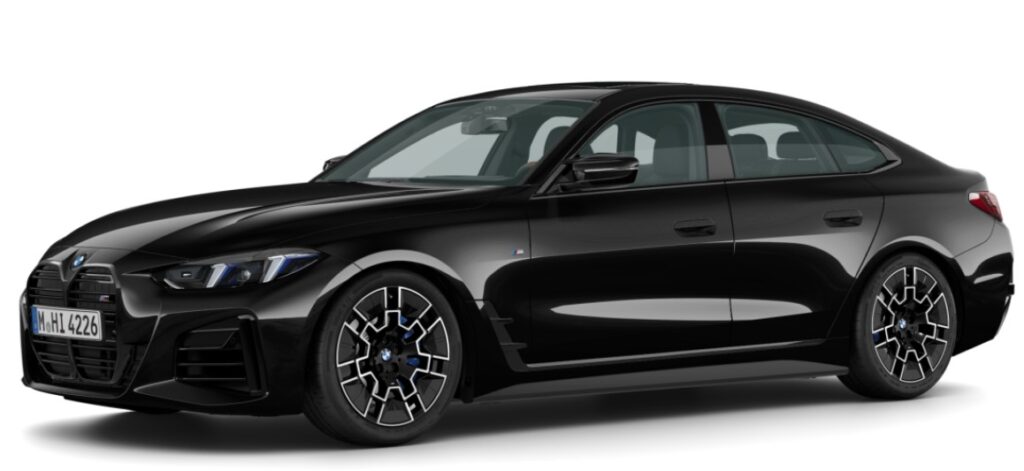
BMW is one of the most recognizable automotive brands in the world. Known for blending luxury, performance, innovation, and driving enjoyment, the German automaker has built an extensive range of vehicles to suit nearly every type of driver. Yet one question often confuses buyers and enthusiasts alike: How many BMW Series are there?
At first glance, the answer seems straightforward. BMW has numbered its vehicles into distinct series for decades. However, as the company expanded into SUVs, electric vehicles, high-performance models, and niche segments, the lineup became far more complex.
In this comprehensive guide, we’ll explore every BMW Series, explain how the brand’s naming system works, and help you understand where each model fits within the BMW family. By the end, you'll have a clear picture of BMW's entire lineup and why the company organizes its vehicles the way it does.
Content in this publication
- Understanding BMW’s Naming Structure
- How Many BMW Series Are There Today?
- BMW 1 Series: The Entry-Level BMW
- BMW 2 Series: Compact Yet Surprisingly Diverse
- BMW 3 Series: The Heart of BMW
- BMW 4 Series: The Stylish Alternative
- BMW 5 Series: Executive Luxury and Comfort
- BMW 6 Series: A Series With a Rich Legacy
- BMW 7 Series: The Flagship Luxury Sedan
- BMW 8 Series: Luxury Grand Touring at Its Finest
- BMW X Series: The SUV Family
- BMW i Series: BMW’s Electric Future
- BMW M Models: Performance Without Compromise
- BMW Z Series: Open-Air Driving Excitement
- How BMW’s Lineup Has Changed Over Time
- Which BMW Series Is Right for You?
- Why BMW Uses So Many Different Series
- The Future of BMW Series
- Conclusion
- Frequently Asked Questions
Understanding BMW’s Naming Structure
Before counting BMW Series, it’s important to understand the logic behind the brand’s naming convention.
Traditionally, BMW used numbers to distinguish vehicle sizes and market segments. Lower numbers generally represented smaller vehicles, while higher numbers indicated larger and more luxurious models.
For example:
- The 1 Series is compact and affordable.
- The 3 Series is a midsize sports sedan.
- The 7 Series is a full-size luxury flagship.
Over time, BMW expanded beyond this simple structure by introducing SUVs, electric vehicles, roadsters, and performance-focused models. Today, the numbering system still forms the backbone of BMW’s lineup, but it is only part of the story.
How Many BMW Series Are There Today?
If we focus strictly on BMW’s numbered passenger car families, there are currently eight main BMW Series:
- BMW 1 Series
- BMW 2 Series
- BMW 3 Series
- BMW 4 Series
- BMW 5 Series
- BMW 6 Series
- BMW 7 Series
- BMW 8 Series
These eight series represent the core of BMW’s passenger vehicle portfolio.
However, BMW also produces:
- X Series SUVs
- M performance vehicles
- i electric models
- Z sports cars
When all vehicle families are included, BMW offers one of the broadest lineups in the premium automotive market.
BMW 1 Series: The Entry-Level BMW
The BMW 1 Series serves as the brand’s gateway model.
Designed primarily as a premium compact hatchback, it gives drivers access to BMW ownership without the higher costs associated with larger models.
The 1 Series is particularly popular among:
- Young professionals
- Urban commuters
- First-time luxury buyers
- Drivers seeking efficiency and practicality
Despite being the smallest BMW, the 1 Series still delivers the brand’s signature sporty feel and premium interior quality.
BMW 2 Series: Compact Yet Surprisingly Diverse
The BMW 2 Series occupies a unique position in the lineup.
Unlike most model families, the 2 Series includes several distinct vehicle types. Depending on the market, buyers may find:
- Coupe models
- Convertible versions
- Gran Coupe variants
- Active Tourer models
This flexibility allows BMW to appeal to a wide range of customers.
The 2 Series Coupe, in particular, is often praised by enthusiasts because it retains much of the classic BMW driving experience in a compact package.
BMW 3 Series: The Heart of BMW
Few vehicles have shaped BMW’s identity more than the 3 Series.
Since its introduction, the 3 Series has become synonymous with the sports sedan segment. It is often considered the perfect balance between comfort, performance, practicality, and luxury.
Drivers appreciate the 3 Series because it offers:
- Responsive handling
- Premium interiors
- Modern technology
- Strong engine options
- Everyday usability
For many people, the 3 Series is the definitive BMW.
It embodies everything the brand stands for and remains one of the company’s best-selling vehicles worldwide.
BMW 4 Series: The Stylish Alternative
The BMW 4 Series evolved from the former 3 Series Coupe lineup.
BMW created the 4 Series to separate its sportier and more design-focused models from the traditional sedan range.
The 4 Series is available in several configurations:
- Coupe
- Convertible
- Gran Coupe
Compared to the 3 Series, the 4 Series emphasizes style and visual appeal. Its lower roofline, aggressive stance, and distinctive design elements create a more dramatic presence on the road.
For buyers who want luxury with an extra dose of personality, the 4 Series is often the perfect choice.
BMW 5 Series: Executive Luxury and Comfort
The 5 Series sits in the middle of BMW’s lineup and is often regarded as the sweet spot between performance and luxury.
Larger than the 3 Series but more agile than the 7 Series, it offers exceptional versatility.
The 5 Series is especially popular among:
- Business professionals
- Executives
- Frequent travelers
- Families seeking luxury transportation
Its spacious cabin, refined ride quality, and advanced technology make it one of the most respected executive sedans in the world.
You may be interested in reading BMW 4 Series vs 2 Series: Which BMW Coupe Is Right for You?
Many experts believe the 5 Series delivers the best overall balance within BMW’s lineup.
BMW 6 Series: A Series With a Rich Legacy
The BMW 6 Series has experienced several transformations throughout its history.
Over the years, it has appeared as:
- A luxury coupe
- A convertible
- A Gran Turismo
Although its role has changed depending on the market and generation, the 6 Series remains an important part of BMW’s heritage.
It successfully bridged the gap between sporty grand tourers and luxury cruisers, offering comfort and performance in equal measure.
BMW 7 Series: The Flagship Luxury Sedan
When BMW wants to showcase its latest technology, engineering, and luxury innovations, it typically does so in the 7 Series.
As the brand’s flagship sedan, the 7 Series represents the pinnacle of BMW luxury.
Depending on the model and specification, owners may enjoy features such as:
- Executive rear seating
- Massage functions
- Advanced driver assistance systems
- Premium entertainment technology
- High-end materials throughout the cabin
The 7 Series competes directly with the most prestigious luxury sedans in the world and serves as BMW’s technological showcase.
BMW 8 Series: Luxury Grand Touring at Its Finest
The BMW 8 Series occupies the top end of BMW’s performance-luxury lineup.
Designed as a grand tourer, it combines elegance, comfort, and high-speed capability.
Available body styles include:
- Coupe
- Convertible
- Gran Coupe
The 8 Series is aimed at drivers who want long-distance comfort without sacrificing performance.
Its combination of powerful engines, luxurious interiors, and striking design makes it one of BMW’s most desirable models.
BMW X Series: The SUV Family
While the numbered Series form BMW’s traditional lineup, the X Series represents the company’s rapidly growing SUV range.
BMW currently offers several X models.
BMW X1 and X2
The X1 and X2 serve as compact luxury SUVs.
They are ideal for city driving while providing greater practicality than traditional hatchbacks.
BMW X3 and X4
The X3 is one of BMW’s most popular SUVs worldwide.
The X4 offers a sportier alternative with coupe-inspired styling.
BMW X5 and X6
The X5 helped establish BMW as a leader in luxury SUVs.
Meanwhile, the X6 pioneered the SUV-coupe segment and remains one of the most distinctive vehicles on the road.
BMW X7
As BMW’s largest SUV, the X7 provides maximum luxury, space, and comfort.
It caters to buyers who require three-row seating without compromising premium features.
BMW i Series: BMW’s Electric Future
Electric mobility has become a major focus for BMW.
The company’s i Series represents its commitment to sustainable transportation and innovative technology.
Current electric offerings include:
- BMW i4
- BMW i5
- BMW i7
- BMW iX
- BMW iX1
- BMW iX2
These vehicles combine zero-emission driving with the premium experience BMW customers expect.
As battery technology improves, the i Series will likely play an increasingly important role in the company’s future.
BMW M Models: Performance Without Compromise
The letter “M” holds legendary status among automotive enthusiasts.
Originally developed for motorsport, BMW M vehicles represent the highest-performance versions of standard BMW models.
Popular M models include:
- M2
- M3
- M4
- M5
- M8
These vehicles feature:
You may be interested in readingBMW 4 Series vs 2 Series: Which BMW Coupe Is Right for You?You may be interested in reading
BMW 4 Series vs 5 Series: Which BMW Is the Better Choice for You?- More powerful engines
- Enhanced suspension systems
- Improved braking performance
- Aggressive styling
- Track-capable dynamics
For many enthusiasts, an M badge transforms a luxury car into a driving machine.
BMW Z Series: Open-Air Driving Excitement
The BMW Z Series focuses on pure driving enjoyment.
Today, the primary representative is the Z4 roadster.
The Z4 delivers:
- Convertible freedom
- Athletic handling
- Distinctive styling
- Engaging performance
Unlike SUVs or luxury sedans, the Z4 is designed to maximize driving pleasure and emotional appeal.
How BMW’s Lineup Has Changed Over Time
BMW’s model range has evolved significantly over the decades.
Several notable vehicles have come and gone, including:
- BMW i8
- BMW Z8
- BMW 3 Series GT
- BMW 5 Series GT
- BMW 6 Series Gran Coupe
These changes reflect shifting consumer preferences, technological advancements, and market trends.
BMW continuously adapts its portfolio to remain competitive while preserving its core identity.
Which BMW Series Is Right for You?
Choosing the right BMW depends on your priorities.
If you value affordability and city-friendly dimensions, the 1 Series or 2 Series may be ideal.
For drivers seeking the classic BMW experience, the 3 Series remains difficult to beat.
Those wanting executive comfort often gravitate toward the 5 Series.
Luxury-focused buyers frequently choose the 7 Series or X7.
Performance enthusiasts typically prefer M models.
Drivers embracing electrification may find the i4, i5, or iX especially appealing.
The diversity of BMW’s lineup ensures there is a model for nearly every lifestyle and budget.
Why BMW Uses So Many Different Series
Modern consumers have diverse needs.
Some prioritize performance.
Others need practicality.
Many seek luxury, efficiency, technology, or sustainability.
Rather than offering a limited selection, BMW creates specialized model families tailored to different customer preferences.
Think of the BMW lineup as a toolbox. Each tool serves a unique purpose, yet all share the same commitment to quality and engineering excellence.
The Future of BMW Series
The future of BMW will likely be shaped by electrification, digital technology, and sustainability.
Expect future models to feature:
- More advanced electric powertrains
- Improved autonomous driving systems
- Greater connectivity
- Enhanced efficiency
- Sustainable materials
While the automotive landscape continues to evolve, BMW’s core philosophy of delivering engaging driving experiences remains unchanged.
Conclusion
So, how many BMW Series are there?
The answer depends on how broadly you define the term. BMW currently offers eight primary numbered Series, ranging from the compact 1 Series to the luxurious 8 Series. Beyond these, the company has expanded into SUVs through the X Series, electric vehicles through the i Series, performance cars through BMW M, and sports cars through the Z Series.
Together, these model families create one of the most comprehensive premium vehicle portfolios in the world. Whether you want a practical hatchback, a luxurious sedan, a high-performance sports car, a spacious SUV, or an innovative electric vehicle, BMW offers a Series designed to meet your needs.
Frequently Asked Questions
How many BMW Series are there?
BMW currently has eight main numbered Series: 1, 2, 3, 4, 5, 6, 7, and 8 Series.
What is the most popular BMW Series?
The BMW 3 Series is generally considered the brand’s most iconic and best-selling passenger car.
Are BMW X models part of the BMW Series lineup?
Yes. The X Series represents BMW’s SUV family and includes models such as the X1, X3, X5, and X7.
What is the difference between BMW M models and regular BMW models?
BMW M models feature more powerful engines, upgraded suspension systems, enhanced performance capabilities, and sportier styling.
You may be interested in readingBMW 4 Series vs 2 Series: Which BMW Coupe Is Right for You?You may be interested in reading
BMW 4 Series vs 5 Series: Which BMW Is the Better Choice for You?You may be interested in reading
BMW 4 Series or Audi A5: Which Premium Coupe Should You Choose?Which BMW Series is the most luxurious?
The BMW 7 Series is BMW’s flagship luxury sedan, while the BMW X7 is its flagship luxury SUV.
If you want to know other articles similar to How Many BMW Series Are There? The Complete Guide to BMW’s Entire Lineup you can visit the category Models.
Honda Passport vs Toyota 4Runner: Which SUV Is Better?
Honda Passport vs Ford Bronco: Which SUV Is Better?
Honda Passport vs Ford Explorer: Which SUV Is Better?
Honda Passport or Pilot: Which SUV Is Better?
Honda Passport vs Jeep Grand Cherokee: Which SUV Is Better?
Honda Passport vs Nissan Pathfinder: Which SUV Is Better?
Leave a Reply
More content of your interest