

Ford Ka Overheating: Causes, Symptoms, Fixes, and Prevention

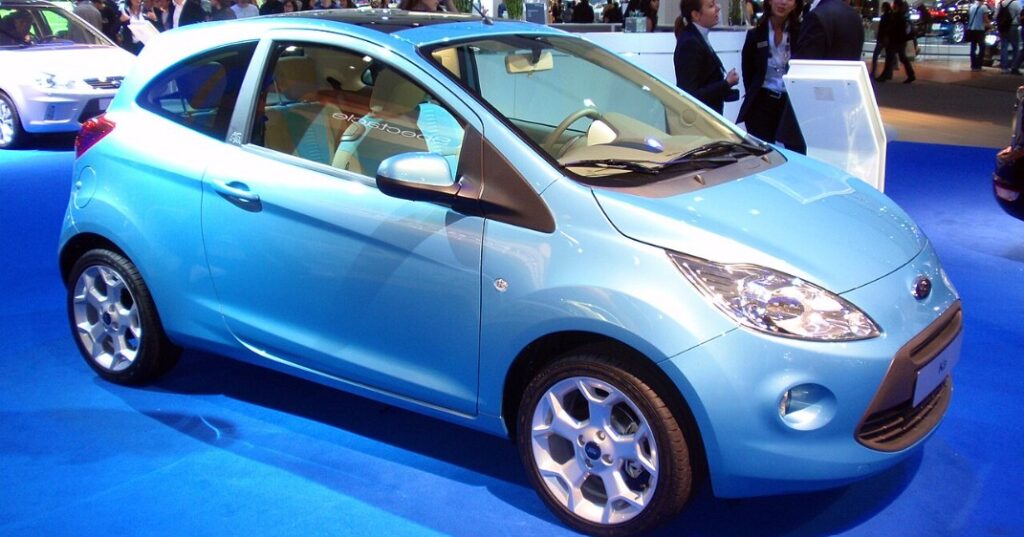
A Ford Ka overheating problem can turn a perfectly ordinary drive into a stressful roadside drama surprisingly quickly. One minute the car feels normal; the next, the cooling fan is roaring, a warning light appears, or steam begins creeping from beneath the bonnet.
Overheating isn't something we should ignore, even if the temperature returns to normal after a few minutes. An engine's cooling system works a little like our body's circulation system. Coolant constantly travels around the engine, collecting heat and carrying it toward the radiator. Interrupt that circulation anywhere, and temperatures can rise rapidly.
The tricky part is identifying exactly what has gone wrong.
A Ford Ka may overheat because of something relatively inexpensive, such as low coolant or a faulty thermostat. At the other end of the scale, persistent overheating can indicate cylinder-head or head-gasket trouble. Real-world owner reports also show thermostat-housing leaks and trapped air causing overheating symptoms on some Ka models.
So, rather than immediately assuming the worst, let's work through the symptoms logically.
Content in this publication
- Why Is My Ford Ka Overheating?
- Common Ford Ka Overheating Causes
- Low Coolant: The First Thing We Should Check
- Ford Ka Thermostat Problems
- Ford Ka Cooling Fan Not Working
- Ford Ka Water Pump Failure
- Air Trapped in the Ford Ka Cooling System
- Blocked Ford Ka Radiator
- Ford Ka Overheating But Coolant Is Full
- Ford Ka Overheating and Losing Coolant
- Ford Ka Head Gasket Symptoms
- Ford Ka Overheating When Idling
- Ford Ka Overheating While Driving
- Ford Ka Overheating Then Returning to Normal
- Ford Ka Temperature Sensor Problems
- What Should We Do When a Ford Ka Overheats?
- Can We Drive a Ford Ka That Is Overheating?
- How Mechanics Diagnose Ford Ka Overheating
- Ford Ka Overheating After Thermostat Replacement
- Ford Ka Overheating After Coolant Change
- Does Turning the Heater On Help an Overheating Ford Ka?
- How to Prevent Ford Ka Overheating
- Ford Ka Overheating Diagnosis: Follow the Pattern
- Is Ford Ka Overheating Expensive to Repair?
- Should We Repair or Replace an Older Ford Ka?
- Conclusion: Don't Ignore Ford Ka Overheating
- Frequently Asked Questions
Why Is My Ford Ka Overheating?
The basic reason is simple: the engine is producing more heat than its cooling system can remove.
Under normal conditions, coolant absorbs engine heat and flows through the radiator. Air passing across the radiator removes that heat before the coolant returns to the engine.
Several components make this process possible, including the water pump, thermostat, radiator, hoses, expansion tank, cooling fan, temperature sensors, and coolant itself.
If circulation stops, coolant escapes, airflow becomes inadequate, or combustion gases enter the cooling system, the temperature can rise beyond its safe operating range.
That's why Ford Ka overheating problems shouldn't be diagnosed by replacing random parts. We need to follow the clues.
Common Ford Ka Overheating Causes
Although the precise cooling-system layout varies by generation and engine, the same handful of faults account for many overheating situations.
The most important possibilities include:
- Low coolant or an external coolant leak
- Faulty thermostat or leaking thermostat housing
- Cooling fan failure
- Water pump failure or poor coolant circulation
- Air trapped inside the cooling system
- Blocked or restricted radiator
- Damaged coolant hoses
- Faulty temperature sensor or associated wiring
- Weak expansion-tank or pressure cap
- Cylinder-head-gasket failure
Low coolant, thermostats, hoses, radiator problems and cooling-fan faults are all established causes of engine overheating generally.
The symptoms surrounding the overheating usually help us narrow down which one is responsible.
Low Coolant: The First Thing We Should Check
Before dismantling anything, check the coolant level — but only when the engine is completely cold.
A cooling system without enough coolant simply cannot transport heat efficiently.
If the level has fallen below minimum, topping it up might temporarily stop the overheating. However, coolant doesn't normally disappear without a reason.
Think of the expansion tank as a bank account. If the balance keeps falling, money — or in this case coolant — is leaving somewhere.
Look around the engine bay for dried coolant residue, damp hose connections, staining around the thermostat housing, radiator leakage, or moisture underneath the vehicle.
A recurring coolant loss deserves investigation rather than endless topping-up.
Why Small Coolant Leaks Matter
A tiny leak might seem harmless because the Ka can continue running normally for days or weeks.
Eventually, however, the coolant level becomes sufficiently low that circulation deteriorates. Air can also enter the system.
That's when temperatures suddenly climb.
Some leaks also occur only when the system is hot and pressurised, making them difficult to spot while the car is sitting cold on the driveway.
Ford Ka Thermostat Problems
The thermostat regulates coolant movement between the engine and radiator.
When the engine is cold, it remains closed so the engine warms up efficiently. Once operating temperature is reached, it opens and allows coolant to circulate through the radiator.
If the thermostat becomes stuck closed, coolant remains trapped around the engine.
Temperature can then rise remarkably quickly.
Signs of a Stuck Ford Ka Thermostat
A thermostat problem becomes particularly suspicious when the engine heats normally at first and then rapidly becomes too hot.
The upper and lower radiator hoses may also show a large temperature difference because coolant isn't travelling through the radiator correctly.
Cabin-heater behaviour can provide another clue.
If the engine appears extremely hot but the heater blows cool or inconsistent air, coolant circulation may be poor or air may be trapped in the system.
Real-world Ka reports have documented thermostat-housing leakage creating an airlock and causing overheating together with weak cabin heat.
Thermostat Housing Leaks
Sometimes the thermostat itself isn't the only problem.
The housing around it can leak.
Plastic housings and sealing surfaces experience thousands of heating and cooling cycles. Over time, seals can deteriorate and housings can distort or crack.
Coolant escapes, air enters, and suddenly we're chasing an overheating problem that initially looks like a thermostat failure.
Whenever replacing a thermostat, inspecting the entire housing and nearby connections makes sense.
Ford Ka Cooling Fan Not Working
Does your Ford Ka stay cool at motorway speeds but overheat while sitting in traffic?
That pattern points strongly toward an airflow problem.
When we're driving quickly, air naturally passes through the radiator. When the car stops at traffic lights, that airflow disappears.
The electric cooling fan must then take over.
If it doesn't operate, coolant temperature begins climbing.
Why the Cooling Fan May Stop Working
The electric fan itself can fail, but we shouldn't automatically replace it.
The problem might instead involve its fuse, relay, wiring, electrical connector, temperature signal or control circuit.
That's why proper diagnosis matters.
If the fan motor works when supplied directly with power, the fault lies elsewhere.
Overheating Only in Traffic Is an Important Clue
Imagine the Ka behaving perfectly at 50 mph but becoming unhappy after ten minutes in congestion.
The radiator is clearly capable of shedding heat when air moves through it.
That immediately makes the cooling fan and its control system worth investigating.
Conversely, if the Ka overheats even at motorway speeds, we should broaden the diagnosis to coolant circulation, thermostat operation, radiator restriction and possible engine problems.
Ford Ka Water Pump Failure
The water pump is the heart of the cooling system.
Its job is to keep coolant circulating continuously through the engine and radiator.
A worn, damaged or ineffective pump can therefore cause severe overheating.
Depending on the engine and failure mode, we might notice coolant leakage, bearing noise or poor circulation.
Unfortunately, some water pumps can lose effectiveness without producing dramatic external symptoms.
Can a Water Pump Fail Without Leaking?
Yes.
We sometimes associate water-pump failure exclusively with visible coolant leaking from the pump area.
But mechanical circulation problems can occur internally too.
If coolant isn't being pushed efficiently through the engine, the engine can overheat despite the expansion tank appearing full.
That's one reason diagnosing overheating solely by looking for leaks can lead us down the wrong path.
Air Trapped in the Ford Ka Cooling System
Airlocks deserve more attention than they usually receive.
Cooling systems are designed to circulate liquid, not large pockets of air.
Air trapped after coolant loss, component replacement or improper bleeding can reduce circulation and create hot spots.
Possible symptoms include fluctuating temperatures, bubbling coolant, inconsistent cabin heating and sudden temperature increases.
A correctly performed cooling-system bleed is therefore essential after repairs involving coolant drainage.
Why the Heater Can Reveal an Airlock
The heater matrix depends on hot coolant flowing through it.
If the dashboard indicates a hot engine while the heater suddenly begins blowing cool air, coolant may not be circulating normally.
That doesn't prove an airlock exists, but it's an important diagnostic clue.
We shouldn't ignore it.
Blocked Ford Ka Radiator
Radiators aren't immortal.
Internally, deposits and contamination can restrict coolant passages. Externally, dirt, debris or damaged fins can reduce airflow.
Either situation limits the radiator's ability to remove heat.
A partially restricted radiator can be particularly frustrating because the car may operate normally during gentle driving yet overheat when pushed harder.
Think of drinking through a partially blocked straw. Fluid still passes through, but not nearly enough when demand increases.
How Do We Know Whether the Radiator Is Blocked?
Temperature differences across the radiator can sometimes reveal restricted areas.
A workshop may use an infrared thermometer or thermal imaging equipment to identify unusually cold sections after the engine reaches operating temperature.
We should avoid touching a hot radiator or coolant hoses unnecessarily. Cooling systems operate under pressure and can cause severe burns.
Ford Ka Overheating But Coolant Is Full
Seeing a full coolant tank doesn't clear the cooling system of suspicion.
There's still plenty that could be wrong.
The thermostat might not open. The water pump might not circulate coolant. The radiator could be restricted. The fan might not operate. Air could be trapped somewhere.
And, in more serious cases, the head gasket may be compromised.
So when someone says, "My Ford Ka is overheating but it has coolant," we shouldn't treat the coolant level as proof that everything else is healthy.
Coolant has to circulate properly and release its heat effectively.
Ford Ka Overheating and Losing Coolant
Coolant loss considerably changes the investigation.
Now we need to establish whether coolant is escaping externally or internally.
An external leak might leave wet patches, visible drips, coloured staining or a sweet coolant smell.
Internal coolant loss is more concerning.
Coolant may enter the combustion chamber or mix with engine oil if a head gasket or cylinder head becomes damaged.
Where Should We Look for Coolant Leaks?
Start with the obvious areas: expansion tank, cap, radiator, hose joints, thermostat housing and visible cooling-system connections.
Don't assume the largest component is responsible.
A small seal can leak enough coolant over several journeys to cause major trouble.
Real-world Ford Ka owner discussions have specifically reported leakage around thermostat housings preceding overheating problems.
A cooling-system pressure test is often one of the quickest professional ways to reveal difficult leaks.
Ford Ka Head Gasket Symptoms
Few phrases frighten owners quite like "head gasket."
Still, overheating doesn't automatically mean the gasket has failed.
In fact, the sequence can work the other way around: a simple cooling-system fault causes repeated overheating, and that overheating eventually damages the head gasket.
That's why continuing to drive an overheating Ford Ka is risky.
Signs Worth Investigating
Suspicious symptoms include persistent coolant loss with no obvious external leak, cooling-system pressure appearing unusually quickly after a cold start, repeated bubbling in the expansion tank, overheating despite other components checking out, white exhaust vapour after the engine is fully warm, or coolant contamination.
No single symptom provides a guaranteed diagnosis.
For example, condensation can produce harmless exhaust vapour during cold weather.
Proper tests matter.
Testing Before Replacing the Head Gasket
A technician may use cooling-system pressure tests, combustion-gas tests, compression measurements or leak-down testing depending on the symptoms.
That's much better than guessing.
Replacing a head gasket is substantial work. We want evidence before committing to that repair.
Ford Ka Overheating When Idling
If overheating mainly occurs while stationary, begin thinking about radiator airflow.
The cooling fan should activate as coolant temperature rises.
If it never comes on, investigate the electrical and control side of the fan system.
However, don't assume every idle-overheating problem is fan related.
Low coolant or poor circulation can produce similar symptoms.
The smartest diagnosis compares what happens during different driving conditions.
Does temperature immediately fall once we start moving?
If so, airflow becomes an especially important clue.
Ford Ka Overheating While Driving
Overheating while moving at normal road speed often points beyond simple fan operation.
Natural airflow should already be cooling the radiator.
We therefore need to consider restricted coolant flow, a stuck thermostat, low coolant, radiator blockage, water-pump performance or combustion-related problems.
Load matters as well.
A marginal cooling system may cope around town but overheat during steep climbs or prolonged high-speed driving.
The harder the engine works, the more heat it produces.
Ford Ka Overheating Then Returning to Normal
Temperature rising and then suddenly returning to normal can indicate intermittent coolant circulation.
Perhaps a thermostat is sticking before eventually opening.
Air inside the system can also move around and produce unstable readings.
Sensor or electrical faults are another possibility if the engine itself isn't genuinely overheating.
That distinction is important.
A dashboard warning tells us what the car's temperature-monitoring system believes is happening. It doesn't independently prove the coolant is boiling.
Professional diagnostic equipment can compare reported coolant temperature with actual engine behaviour.
Ford Ka Temperature Sensor Problems
Modern engine-management systems depend heavily on temperature data.
A faulty temperature sensor, damaged wiring or poor electrical connection can produce misleading readings or interfere with cooling-fan control.
That can create two very different situations.
In one, the engine really is overheating because the fan isn't being commanded correctly.
In another, the engine temperature is acceptable but the sensor data suggests otherwise.
This is where diagnostic scanning becomes valuable.
Instead of throwing components at the car, we can look at live temperature data and compare it with reality.
What Should We Do When a Ford Ka Overheats?
If the warning appears while driving, reduce engine load and find a safe place to stop.
Switch the engine off and allow it to cool.
Never immediately open a hot expansion tank or radiator cap.
A pressurised cooling system may contain coolant well above normal boiling temperature. Removing the cap suddenly can release scalding liquid and steam.
If there is visible steam, significant coolant loss, repeated overheating or abnormal engine behaviour, driving onward risks far more expensive damage.
Overheating guidance consistently recommends stopping rather than continuing to operate an engine at excessive temperature.
A recovery truck is cheaper than an engine.
Can We Drive a Ford Ka That Is Overheating?
We shouldn't.
A mildly elevated temperature may tempt us to nurse the car home, but there is no reliable way to know how quickly the situation might worsen.
Aluminium cylinder heads are particularly unforgiving of extreme temperature.
Overheating can distort components, damage seals and compromise the head gasket.
What began as a leaking hose or thermostat can therefore become a major engine repair.
It's the automotive equivalent of ignoring a dripping tap until the ceiling collapses.
How Mechanics Diagnose Ford Ka Overheating
A good diagnosis follows evidence instead of assumptions.
A technician normally begins by confirming the complaint and checking coolant condition and level.
The system can then be inspected for visible leakage and pressure-tested.
Cooling-fan operation, thermostat behaviour and actual coolant temperature can be checked next.
If circulation appears inadequate, attention turns toward the thermostat, radiator and water pump.
When coolant disappears without an external explanation or cooling-system pressure behaves abnormally, tests for combustion gases may follow.
This order matters because it prevents expensive parts from being replaced unnecessarily.
Ford Ka Overheating After Thermostat Replacement
So the thermostat has been changed — but the Ka still overheats.
What now?
First, don't assume the new thermostat proves that area is healthy.
A newly installed component can be defective, incorrectly fitted or accompanied by another problem.
More commonly, the cooling system may not have been bled properly after coolant was drained.
Check for trapped air, leaks around the thermostat housing, proper fan operation and genuine coolant circulation.
The original thermostat may also have been only one part of the problem.
Ford Ka Overheating After Coolant Change
Overheating that begins immediately after coolant replacement strongly suggests we should reconsider the bleeding and filling procedure.
Air may remain trapped.
Coolant level can also drop after the first heat cycle as trapped air moves into the expansion tank.
Rechecking the level after the engine has completely cooled is therefore important.
If temperature continues rising abnormally, stop driving and correct the fault rather than repeatedly adding coolant.
Does Turning the Heater On Help an Overheating Ford Ka?
Turning the cabin heater to maximum can remove a small amount of additional heat because the heater matrix effectively functions as a miniature radiator.
But we should view this as an emergency measure, not a repair.
If the engine is overheating, the real objective is to stop safely and diagnose the cooling-system fault.
Driving around with the heater blasting while the engine temperature remains excessive merely disguises the problem.
How to Prevent Ford Ka Overheating
Cooling-system maintenance isn't glamorous, but neither is standing beside a steaming Ka on a rainy afternoon.
Regularly inspect the coolant level when the engine is cold.
Look for new stains, leaks or deterioration around hoses.
Pay attention if the fan suddenly seems to run unusually often.
Don't ignore changes in heater performance either.
If coolant keeps needing attention, investigate why.
The strongest preventative habit is catching small faults early.
A slightly damp thermostat housing today may become an empty expansion tank several weeks from now.
Ford Ka Overheating Diagnosis: Follow the Pattern
The biggest mistake we can make is asking only, "What part causes overheating?"
There isn't one answer.
Instead, ask when it happens.
Overheating in stationary traffic directs our attention toward airflow and fan operation.
Overheating at motorway speed pushes circulation and radiator efficiency higher up the list.
Coolant disappearing means finding a leak becomes urgent.
Poor cabin heat while engine temperature rises suggests coolant may not be circulating through the heater matrix properly.
Bubbling and unexplained pressurisation justify deeper investigation.
Each symptom is a breadcrumb.
Follow enough breadcrumbs, and the diagnosis becomes much clearer.
Is Ford Ka Overheating Expensive to Repair?
It depends entirely on how early we catch the problem.
A hose, cap or relatively straightforward thermostat-related repair is one thing.
A damaged cylinder head after repeated overheating is another.
That's exactly why early diagnosis saves money.
People sometimes keep topping up coolant because the car "still drives fine."
That strategy can become painfully expensive.
Cooling-system faults rarely heal themselves.
Should We Repair or Replace an Older Ford Ka?
For an older Ka, repair economics matter.
If the car only requires a thermostat housing, hose, sensor or fan-related repair and is otherwise healthy, fixing it may make perfect sense.
If severe overheating has caused cylinder-head damage and the vehicle already needs several other major repairs, the decision becomes less obvious.
We should compare the repair estimate with the vehicle's condition and replacement cost, not simply its resale value.
A cheap car that we already know well can sometimes be better than another cheap used car carrying completely unknown problems.
Conclusion: Don't Ignore Ford Ka Overheating
A Ford Ka overheating problem can come from something as straightforward as low coolant or something as serious as head-gasket failure.
The key is diagnosis.
Start with coolant level and visible leaks. Consider when the overheating happens. Check cooling-fan operation. Investigate thermostat behaviour, coolant circulation, radiator condition and water-pump performance. If coolant continues disappearing or the cooling system behaves abnormally, test for internal engine problems rather than guessing.
Most importantly, don't continue driving once the engine is genuinely overheating.
An inexpensive cooling-system fault can become a very expensive engine repair surprisingly quickly.
Your Ka is effectively waving a red flag. We should listen before that flag turns into steam.
Frequently Asked Questions
1. Why does my Ford Ka keep overheating?
Repeated overheating commonly points toward coolant loss, poor coolant circulation, a faulty thermostat, radiator restriction, fan problems, water-pump trouble, trapped air or, in more serious situations, head-gasket failure. The conditions under which the overheating occurs are extremely useful for narrowing down the cause.
2. Why is my Ford Ka overheating but has coolant?
A full expansion tank doesn't guarantee that coolant is circulating. A stuck thermostat, faulty water pump, blocked radiator, trapped air or combustion-system problem can still cause overheating. Sensor faults can occasionally make the car report excessive temperature incorrectly as well.
3. Why does my Ford Ka overheat when sitting in traffic?
If temperature rises mainly while stationary but drops once the car begins moving, investigate cooling-fan operation and airflow through the radiator. At road speed, natural airflow cools the radiator. While stationary, the electric fan has to provide that airflow.
4. Can a Ford Ka thermostat cause overheating?
Yes. If the thermostat sticks closed, hot coolant cannot circulate normally through the radiator, and engine temperature may rise rapidly. Thermostat housings and seals should also be inspected because coolant leakage around this area can cause coolant loss and introduce air into the system.
5. Can I continue driving if my Ford Ka is overheating?
Driving an overheating Ford Ka isn't recommended. Continuing can turn a relatively inexpensive cooling-system fault into head-gasket, cylinder-head or engine damage. Stop safely, switch the engine off, allow it to cool and investigate the cause before continuing.
If you want to know other articles similar to Ford Ka Overheating: Causes, Symptoms, Fixes, and Prevention you can visit the category Common Problems.
Nissan Rogue AC Not Working? Causes, Diagnosis, and Fixes

Kia Sorento Issues: Common Problems, Reliability and What to Watch For

Honda Passport Not Starting: Causes, Symptoms, and How to Fix It
Honda Passport Keyless Remote Battery Low: What It Means and How to Fix It
Nissan Rogue Apple CarPlay Not Working: Causes and Fixes
Nissan Rogue No Key Detected: Causes, Fixes, and What to Do
Leave a Reply
More content of your interest