

Nissan Frontier Oil Type: Complete Guide by Year and Engine

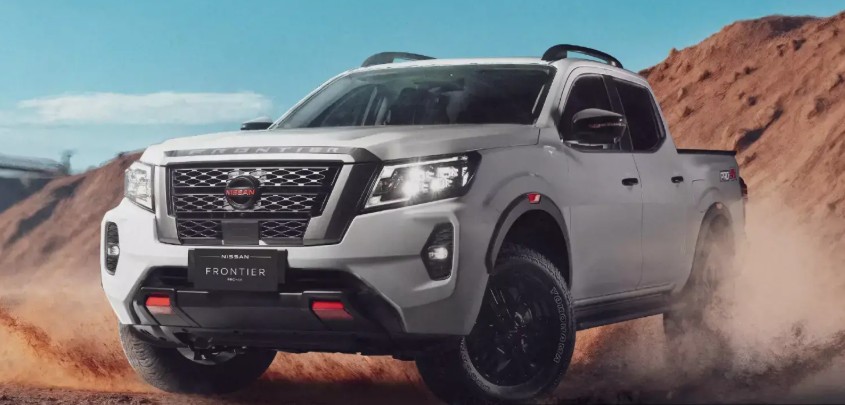
Choosing the correct Nissan Frontier oil type sounds simple until we stand in an auto-parts aisle staring at bottles marked 0W-20, 5W-30, synthetic, high-mileage, API SP, GF-6A, and half a dozen other specifications.
Then things get interesting.
The Frontier has been around for decades, and Nissan has changed engines, oil specifications, maintenance recommendations, and even the truck itself along the way. The oil that makes perfect sense in a newer 3.8-liter V6 Frontier may not be the factory recommendation for an older 4.0-liter V6 or 2.5-liter four-cylinder model.
So, rather than throwing out one viscosity and calling it a day, we're going to break down the Nissan Frontier engine oil requirements by generation, engine, driving conditions, and mileage.
For modern U.S.-market Frontiers, Nissan's own documentation is especially clear. The 2024 Frontier uses the 3.8-liter VQ38DD V6, and Nissan recommends 0W-20 SP motor oil or an equivalent synthetic 0W-20 meeting the specified standard. Nissan lists approximately 5 liters, or 5.25 U.S. quarts, with an oil-filter change.
But older Frontiers tell a different story.
Let's sort it out.
Content in this publication
- What Oil Does a Nissan Frontier Take?
- Nissan Frontier Oil Type Quick Reference
- Nissan Frontier 3.8L V6 Oil Type
- How Much Oil Does a 3.8L Nissan Frontier Take?
- Nissan Frontier 4.0 V6 Oil Type
- Nissan Frontier 2.5L Oil Type
- First-Generation Nissan Frontier Oil Type
- Second-Generation Nissan Frontier Oil Type
- 2022 and Newer Nissan Frontier Oil Type
- Does a Nissan Frontier Need Synthetic Oil?
- Full Synthetic vs Synthetic Blend for the Frontier
- What Does 0W-20 Mean?
- What Does 5W-30 Mean?
- Can We Use 5W-30 Instead of 0W-20?
- Can We Use 0W-20 Instead of 5W-30?
- Best Oil for a High-Mileage Nissan Frontier
- Best Nissan Frontier Oil for Towing
- Nissan Frontier Oil Change Interval
- How to Check Nissan Frontier Oil Level
- What Happens If We Use the Wrong Oil?
- Nissan Frontier Oil Filter: Does It Matter?
- Can We Mix Different Oil Brands?
- Does Oil Brand Matter?
- Nissan Frontier Oil Type in Hot Weather
- Nissan Frontier Oil Type in Cold Weather
- Nissan Frontier Oil Pressure Light vs Oil Level
- Common Nissan Frontier Oil Mistakes
- How to Choose the Correct Nissan Frontier Oil
- Is Nissan Genuine Motor Oil Required?
- Nissan Frontier Oil Type by Generation: Final Overview
- Conclusion: The Right Nissan Frontier Oil Is Engine-Specific
- Frequently Asked Questions
What Oil Does a Nissan Frontier Take?
The short answer is that the correct Nissan Frontier oil depends mainly on:
- Model year
- Engine
- Market or country
- Ambient temperature
- Manufacturer specification
- Previous maintenance history
For many newer North American Frontier trucks equipped with the 3.8-liter V6, SAE 0W-20 full-synthetic oil is the key recommendation.
Older Frontier models commonly used different viscosities, with 5W-30 being widely associated with many earlier gasoline-powered Frontiers. Because specifications changed across engines and years, however, we should never assume that a viscosity recommended for one Frontier automatically applies to another.
Think of engine oil like footwear. Hiking boots are excellent in the mountains, but we wouldn't wear them for a sprint simply because they're durable. The oil has to match the engine it is protecting.
Nissan Frontier Oil Type Quick Reference
Here's a useful starting point for U.S.-market trucks:
| Frontier Version | Typical Engine | Common Oil Recommendation |
|---|---|---|
| Newer Frontier | 3.8L V6 VQ38DD | 0W-20 full synthetic |
| Late D40 Frontier | 3.8L V6 | 0W-20; verify exact year |
| Earlier D40 Frontier | 4.0L V6 VQ40DE | Commonly 5W-30 |
| Earlier D40 Frontier | 2.5L 4-cylinder QR25DE | Commonly 5W-30 |
| First-generation Frontier | Various 4-cylinder/V6 engines | Varies by year and climate |
| Global Frontier/NP300/Navara | Gasoline or diesel engines | Market- and engine-specific |
The table should be treated as a shopping guide rather than a replacement for the owner's manual. International Frontier and NP300 models are especially important to verify because their engine lineups differ substantially from U.S. trucks.
Nissan Frontier 3.8L V6 Oil Type
Recommended Oil for the VQ38DD Engine
The current-generation North American Frontier uses Nissan's 3.8-liter VQ38DD V6.
For the 2024 Frontier, Nissan specifies Genuine Nissan Motor Oil 0W-20 SP or an equivalent oil. If Nissan-branded oil is unavailable, the manual allows an appropriate synthetic 0W-20 meeting the required specifications.
The 2022 Frontier carries essentially the same recommendation: 0W-20 motor oil, with Nissan identifying API SP/GF-6-type requirements in its technical information.
That makes choosing oil for these Frontiers pleasantly straightforward.
Look for a bottle marked:
SAE 0W-20
and make sure it carries the appropriate modern API/ILSAC certification specified for your model year.
Why Does Nissan Use 0W-20?
Modern engines are designed around extremely precise oil passages, bearing clearances, variable valve-timing systems, emissions requirements, and efficiency targets.
A relatively low-viscosity oil such as 0W-20 flows quickly when the engine starts cold.
That's important because startup is one of the moments when engine components need lubrication most urgently.
The “0W” portion represents the oil's cold-temperature viscosity behavior, while “20” describes its viscosity range at operating temperature.
So 0W-20 is not simply “thin oil.”
It is oil engineered to behave predictably across a broad temperature range.
How Much Oil Does a 3.8L Nissan Frontier Take?
Oil capacity matters almost as much as oil viscosity.
For the 2024 3.8-liter Frontier, Nissan lists approximately:
5.0 liters
or
5.25 U.S. quarts
when changing the engine oil and oil filter.
The 2022 manual provides the same approximate 5-liter/5.25-quart drain-and-refill figure with a filter replacement.
Don't automatically pour the entire container into the engine without checking the dipstick, though.
Some residual oil remains inside an engine during routine draining, and actual refill quantity can vary slightly depending on how thoroughly the old oil drains.
Our safer routine is:
- Drain the old oil.
- Install the correct filter.
- Add slightly less than the listed capacity.
- Start the engine briefly.
- Shut it off and allow oil to settle.
- Check the dipstick.
- Add oil gradually until the level is correct.
Overfilling isn't a bonus. More oil does not mean more protection.
Nissan Frontier 4.0 V6 Oil Type
The 4.0-liter VQ40DE is one of the engines most closely associated with the second-generation Frontier.
For many of these trucks, 5W-30 has traditionally been the recommended viscosity.
The VQ40DE powered countless Frontier trucks and became known for delivering strong low-end torque and a fairly straightforward ownership experience.
Its lubrication requirements reflect the era in which the engine was engineered.
That doesn't automatically mean we should switch an older VQ40DE to the ultra-light viscosity used by today's Frontier simply because newer oil technology exists.
Should We Put 0W-20 in a 4.0 Frontier?
We shouldn't make the switch based solely on the fact that Nissan uses 0W-20 in newer vehicles.
Nissan does state more generally that its Genuine 0W-20 oil is approved as a substitute in certain applications originally calling for 5W-30, but that broad guidance shouldn't override the exact manual for an individual Frontier year and engine.
When dealing with an older truck, the owner's manual remains the strongest reference.
That's especially true if:
- The engine has high mileage
- Oil consumption is already present
- Internal repairs have been performed
- The truck operates in extreme heat
- The vehicle regularly tows
- Its maintenance history is unknown
An engine with 180,000 miles isn't living the same life it did when it left the factory.
Nissan Frontier 2.5L Oil Type
Several earlier North American Frontiers used Nissan's 2.5-liter QR25DE four-cylinder engine.
Many of these models specify or commonly use 5W-30, depending on year.
The four-cylinder Frontier doesn't receive as much attention as the V6, but the same basic rule applies: match the oil to the specific engine and model-year specification.
Don't buy oil based only on the word “Frontier.”
Two trucks parked next to each other can carry the same badge while having completely different powertrains.
First-Generation Nissan Frontier Oil Type
The first-generation Frontier arrived in North America for the late 1990s and continued into the early 2000s.
Nissan offered multiple engines across that generation.
That makes blanket oil recommendations particularly risky.
Nissan's archived documentation for the 1998 Frontier contains dedicated engine-oil and viscosity information, reflecting the fact that oil choice was already dependent on engine specification and operating conditions rather than simply the model name.
For an early Frontier, we recommend identifying three things before buying oil:
1. Model Year
A 1998 Frontier and a 2004 Frontier aren't necessarily identical mechanically.
2. Engine Code or Displacement
Check the emissions label, VIN information, owner's manual, or engine-bay documentation.
3. Recommended Temperature Range
Older manuals sometimes provide viscosity charts based on expected ambient temperatures.
That's especially useful when deciding among acceptable viscosity options.
Second-Generation Nissan Frontier Oil Type
The second-generation Frontier is the truck many owners picture when someone says “Frontier.”
Introduced for the 2005 model year in North America, it remained on sale for an unusually long period.
That longevity is precisely why we shouldn't treat every D40 Frontier as mechanically identical.
Earlier versions commonly featured the:
4.0L VQ40DE V6
This is where 5W-30 becomes especially relevant.
2.5L QR25DE Four-Cylinder
Again, 5W-30 is common on many applications.
Later 3.8L VQ38DD
Near the end of the previous-generation truck's life, Nissan introduced the newer 3.8-liter V6 before the fully redesigned Frontier arrived.
That engine represents an important dividing line because its lubrication specification moved toward the modern 0W-20 recommendation.
In other words, choosing Frontier oil purely by body style can trip us up.
2022 and Newer Nissan Frontier Oil Type
The redesigned 2022 Frontier brought modern styling, technology, and refinement, while retaining the 3.8-liter V6 that had appeared shortly before the redesign.
For these trucks, 0W-20 is the headline viscosity.
Nissan's 2022 documentation calls for Genuine Nissan 0W-20 SP or an appropriate synthetic equivalent meeting the specified standard.
The 2024 manual continues that recommendation and identifies the engine as the 3.8-liter VQ38DD.
Best Oil Type for a Newer Nissan Frontier
We'd generally choose a reputable full-synthetic 0W-20 that clearly displays the required API/ILSAC specifications.
There's no need to obsess over the logo on the bottle.
What's far more important is that the oil meets the proper specification.
Does a Nissan Frontier Need Synthetic Oil?
For newer Frontiers calling for modern 0W-20 oil, full synthetic is the natural choice and aligns with Nissan's specified synthetic alternative in the current manuals.
With older Frontiers, the answer becomes less black-and-white.
An engine originally designed around conventional oil can generally operate perfectly well on a compatible modern synthetic oil of the correct viscosity and specification.
Synthetic oil has several potential advantages:
- Better low-temperature flow
- Excellent resistance to thermal breakdown
- Strong oxidation resistance
- Good deposit control
- Consistent viscosity
- Strong protection during demanding operation
But synthetic oil isn't magic.
A neglected engine filled with premium oil is still neglected.
Maintenance consistency beats marketing.
Full Synthetic vs Synthetic Blend for the Frontier
Full Synthetic
This is our preferred choice for newer Frontiers and demanding use.
It's particularly attractive when the truck sees:
- Towing
- Long highway trips
- Hot climates
- Cold starts
- Repeated short journeys
- Off-road driving
- Extended engine idling
Synthetic Blend
A blend can work well when it meets the required viscosity and certification.
It's often less expensive than full synthetic.
Conventional Oil
Conventional oil may still be compatible with some older Frontier engines where allowed by Nissan's original specification.
However, modern full-synthetic oils are so widely available that many owners choose synthetic even for older trucks.
What Does 0W-20 Mean?
Oil viscosity labels look mysterious until we break them apart.
Take 0W-20.
The 0W
The first number tells us about oil behavior at lower temperatures.
The “W” refers to winter performance.
A lower number generally means easier flow during cold starts.
The 20
The second number reflects viscosity at operating temperature under standardized testing.
It's tempting to believe thicker always equals better protection.
It doesn't.
The engine's oil pump, bearings, hydraulic components, and oil passages were engineered around a particular viscosity range.
Using the recommended oil is like sending the right-size key into a lock.
Force the wrong one in and nothing improves.
What Does 5W-30 Mean?
The principle is identical.
Compared with 0W-20, 5W-30 has different cold- and operating-temperature viscosity characteristics.
It became one of the most common oil grades in gasoline vehicles for decades, which is why owners of older Nissan Frontiers see it so frequently.
When your manual specifies 5W-30, there's usually no reason to second-guess Nissan because someone on a forum prefers thicker oil.
Can We Use 5W-30 Instead of 0W-20?
Sometimes alternative viscosities may be permitted by a manufacturer under specific conditions, but we shouldn't automatically substitute 5W-30 for 0W-20 in a Frontier designed around 0W-20.
Modern engines use oil for more than simple lubrication.
Oil can affect:
- Variable valve timing
- Hydraulic control systems
- Cold-start performance
- Fuel economy
- Oil pressure behavior
- Engine efficiency
The safest answer is wonderfully boring:
Use the viscosity specified by Nissan for your exact model year and engine.
Boring maintenance often produces exciting longevity.
Can We Use 0W-20 Instead of 5W-30?
Again, don't make the decision solely because 0W-20 is newer.
Nissan notes that its Genuine 0W-20 can be used in place of 5W-30 in certain applications, but the manufacturer's vehicle-specific documentation should still be checked before changing viscosity.
For a high-mileage Frontier that has spent years using 5W-30, consistency may also matter.
Changing viscosity to chase theoretical improvements isn't always worthwhile.
Best Oil for a High-Mileage Nissan Frontier
Once a Frontier crosses 100,000 miles, owners often start looking at high-mileage oils.
That's reasonable.
High-mileage formulations may contain additive packages designed with aging engines and seals in mind.
But the words “high mileage” don't replace the viscosity specification.
If your truck requires 5W-30, start with a high-mileage 5W-30.
If it requires 0W-20, start with a compatible high-mileage 0W-20.
When High-Mileage Oil Makes Sense
We'd consider it when:
- Mileage exceeds roughly 75,000–100,000 miles
- Minor oil seepage has begun
- Oil consumption has increased
- The truck has been maintained consistently
- We want an additive package tailored to aging engines
If the engine is leaking heavily or burning a quart every few hundred miles, though, the bottle isn't going to repair worn mechanical components.
Best Nissan Frontier Oil for Towing
Towing places extra thermal and mechanical load on an engine.
That doesn't automatically mean we should pour thicker oil into it.
Instead, we'd focus on:
- Correct factory viscosity
- High-quality full-synthetic oil
- Proper oil level
- Fresh oil filter
- More conservative service intervals
- Cooling-system condition
Nissan specifically classifies trailer towing and several other demanding operating patterns among severe-use conditions in its 2024 Frontier maintenance information.
That's a crucial distinction.
Hard use generally changes how aggressively we maintain the truck, not necessarily which viscosity we invent for it.
Nissan Frontier Oil Change Interval
Oil-change intervals depend on year and use.
Nissan's maintenance information for the 2024 Frontier distinguishes between standard and severe operation, with oil and filter servicing appearing repeatedly throughout the maintenance schedule.
Nissan's U.S. maintenance portal also identifies intervals that can differ depending on operating conditions and directs owners back to the exact owner's manual for complete requirements.
The practical lesson?
Don't rely exclusively on a universal “change it every X miles” slogan.
Change Oil More Frequently If You:
- Tow regularly
- Drive on dusty roads
- Spend lots of time idling
- Take repeated short trips
- Drive off-road
- Operate in extreme temperatures
- Carry heavy loads
- Frequently encounter muddy or rough roads
Nissan itself identifies conditions such as extensive idling, dusty operation, rough or muddy roads, and trailer towing as severe-use examples.
How to Check Nissan Frontier Oil Level
Checking the dipstick takes a minute and can save an engine.
We recommend:
- Park on level ground.
- Bring the engine to normal operating temperature.
- Shut the engine off.
- Wait several minutes for oil to drain into the pan.
- Remove the dipstick.
- Wipe it clean.
- Reinsert it fully.
- Pull it out again.
- Check the oil level.
- Add oil gradually if needed.
The 2024 Frontier places the oil filler cap and dipstick clearly within the engine compartment, and Nissan identifies both in the owner's manual.
Don't Ignore Sudden Oil Loss
If the level repeatedly drops, find out why.
Possible causes include:
- External leaks
- Valve-cover leaks
- Oil-pan seepage
- Filter or drain-plug leakage
- Internal oil consumption
- Worn piston rings
- Valve-seal wear
Adding oil every week is monitoring the problem, not fixing it.
What Happens If We Use the Wrong Oil?
Using an incorrect viscosity once isn't guaranteed to destroy an engine immediately.
But repeatedly using unsuitable oil can affect lubrication and engine operation.
Potential consequences include:
- Increased startup wear
- Reduced lubrication performance
- Poor cold flow
- Altered oil pressure
- Reduced fuel economy
- Increased deposits
- Variable valve-timing problems
- Premature internal wear
Nissan specifically warns in the modern Frontier manual that choosing an oil viscosity other than the recommended viscosity can cause serious engine damage.
That's about as clear as manufacturer guidance gets.
Nissan Frontier Oil Filter: Does It Matter?
Absolutely.
Oil and filter work as a team.
Fresh oil passing through a poor-quality filter is like drinking clean water through a dirty straw.
Nissan recommends using a Genuine Nissan oil filter or an appropriate equivalent meeting the required standards. Its documentation emphasizes proper filtration as part of the oil-change process.
A good filter should provide:
- Proper fitment
- Correct sealing
- Adequate filtration
- Reliable bypass-valve operation
- Appropriate oil-flow capacity
Always confirm the filter part number using your exact year and engine.
Can We Mix Different Oil Brands?
Generally, compatible motor oils of the same required viscosity and specification can be mixed in an emergency.
Suppose the dipstick is low and we're hundreds of miles from home.
Adding a compatible 0W-20 from another reputable brand is far better than driving with dangerously low oil because we can't find our usual bottle.
Still, routine oil changes are cleaner when we use one consistent, specification-compliant product.
Does Oil Brand Matter?
Less than many people think.
Brand loyalty becomes almost tribal in automotive discussions.
One driver swears by Brand A. Another claims their Frontier runs quieter on Brand B. Someone else has used Brand C for 250,000 miles and won't hear another word about it.
The more useful questions are:
Is the viscosity correct?
Does the oil meet the required API/ILSAC standard?
Are we changing it on schedule?
Those factors matter far more than having a fashionable label on the bottle.
Nissan Frontier Oil Type in Hot Weather
People living in very hot climates sometimes assume they automatically need much thicker oil.
That isn't necessarily true.
Modern multigrade oils are engineered to operate across broad temperature ranges.
If Nissan specifies 0W-20 for your engine, high ambient temperature alone doesn't automatically justify jumping to 10W-40.
For older Frontiers where the manual provides multiple viscosity options based on temperature, follow that chart.
The owner's manual wins.
Nissan Frontier Oil Type in Cold Weather
Cold weather highlights one advantage of low-viscosity synthetic oils.
Engine oil thickens as temperature drops.
A properly specified oil such as 0W-20 flows rapidly during a cold start and helps oil reach critical surfaces sooner.
For owners living through freezing winters, that matters.
But again, we don't choose oil based only on climate.
We choose among the viscosities approved for that engine and climate.
Nissan Frontier Oil Pressure Light vs Oil Level
Here's an important distinction.
The oil-pressure warning light isn't simply a reminder to add oil.
Low oil pressure can indicate a serious lubrication problem.
Possible causes include:
- Critically low oil level
- Oil-pump problems
- Internal engine wear
- Blocked oil passages
- Sensor failure
- Mechanical failure
If the oil-pressure warning illuminates while driving, don't casually continue for another 30 miles hoping it disappears.
Shut the engine down safely and investigate.
A few minutes without sufficient oil pressure can turn a manageable problem into an engine replacement.
Common Nissan Frontier Oil Mistakes
Using Oil Based Only on the Truck's Name
“It's a Frontier, so it takes 5W-30.”
Not necessarily.
Buying the Thickest Oil Available
Thicker doesn't automatically mean stronger.
Ignoring the Oil Specification
Two bottles can both say 0W-20 while meeting different performance standards.
Overfilling the Engine
Oil above the maximum line can create its own problems.
Never Checking Between Services
Even a healthy engine can consume some oil.
Using the Wrong Filter
Engine displacement and year matter when selecting filters.
Stretching Oil Changes Because the Oil Is Synthetic
Synthetic oil lasts well, but it doesn't make contamination disappear.
How to Choose the Correct Nissan Frontier Oil
Here's the simplest process we've found.
Step 1: Identify the Year
Start with the model year.
Step 2: Identify the Engine
Don't skip this step.
Step 3: Check the Owner's Manual
Find the fluids or capacities section.
Step 4: Match the SAE Viscosity
Examples include:
- 0W-20
- 5W-30
Step 5: Match the Required Specification
Look for the API and ILSAC classifications called for by Nissan.
Step 6: Buy Enough Oil
Remember that capacity may change when replacing the filter.
Step 7: Verify the Dipstick After Filling
Never let the bottle size determine the final level.
One Rule Worth Remembering
The correct oil isn't necessarily the most expensive oil.
It's the oil that satisfies Nissan's specifications for your engine.
Is Nissan Genuine Motor Oil Required?
No, we don't necessarily have to buy a Nissan-branded bottle.
Nissan's own newer Frontier manuals recognize equivalent oil meeting the required viscosity and performance specification. For the 2024 truck, Nissan specifically permits an equivalent synthetic 0W-20 meeting the required SP/GF-6A-type standard when the Genuine Nissan product isn't available.
That gives owners plenty of choices.
What matters is compatibility.
Nissan Frontier Oil Type by Generation: Final Overview
If we reduce this entire guide to its essential message, it looks like this:
Newer 3.8L V6 Frontier: generally 0W-20 synthetic meeting the specified modern standards.
Older 4.0L V6 Frontier: commonly 5W-30, but verify your year.
Older 2.5L four-cylinder Frontier: commonly 5W-30, depending on year.
First-generation Frontier: verify the individual engine, year, and temperature chart.
International Frontier/NP300/Navara models: check the local manual because diesel and gasoline engine options differ substantially from the North American Frontier.
That final point deserves extra emphasis.
A Google search for “Nissan Frontier oil type” can pull information from the United States, Canada, Mexico, Colombia, Australia, South Africa, and other markets.
Those trucks aren't always mechanically identical.
Conclusion: The Right Nissan Frontier Oil Is Engine-Specific
Choosing the correct Nissan Frontier oil type isn't complicated once we stop searching for a one-size-fits-all answer.
Newer North American Frontiers with the 3.8-liter VQ38DD V6 generally call for 0W-20 synthetic motor oil meeting Nissan's specified performance standards, and Nissan lists approximately 5.25 U.S. quarts with a filter change for the 2024 model.
Older 4.0-liter and 2.5-liter Frontier engines commonly point us toward 5W-30, while first-generation and international trucks require more careful year-and-engine verification.
The smartest habit is simple: identify the engine, open the manual, match the viscosity and specification, use a quality filter, and check the dipstick afterward.
Oil is cheap.
Engines aren't.
Frequently Asked Questions
1. What oil does a Nissan Frontier take?
Newer North American Nissan Frontiers with the 3.8-liter V6 generally use 0W-20 synthetic oil meeting Nissan's required specifications. Older 4.0-liter and 2.5-liter Frontier engines commonly use 5W-30, although the owner's manual should always be checked for the exact year and engine.
2. Does the Nissan Frontier require full synthetic oil?
Full synthetic 0W-20 is the appropriate choice for modern Frontier models where Nissan specifies synthetic 0W-20 or an equivalent meeting the required standards. Older Frontier engines may have different requirements.
3. How much oil does a Nissan Frontier 3.8L take?
The 2024 Nissan Frontier 3.8L V6 has a listed drain-and-refill capacity of approximately 5 liters or 5.25 U.S. quarts with the oil filter replaced. Always verify the final level using the dipstick.
4. Can I use 5W-30 instead of 0W-20 in my Nissan Frontier?
Don't automatically substitute viscosities. While manufacturers sometimes permit alternatives in specific applications, a Frontier designed for 0W-20 should normally receive the viscosity specified in its owner's manual. Using an incorrect viscosity can affect lubrication and engine operation.
5. What is the best oil for a high-mileage Nissan Frontier?
Use a reputable high-mileage oil that still matches your Frontier's required viscosity and specifications. For an older truck calling for 5W-30, a high-mileage full-synthetic 5W-30 may be an excellent choice. For a newer truck requiring 0W-20, stay with an approved 0W-20 formula.
If you want to know other articles similar to Nissan Frontier Oil Type: Complete Guide by Year and Engine you can visit the category Service and Parts.
Nissan Rogue Oil Change Cost: Prices, Service Options, and What to Expect
Nissan Rogue Key Battery Replacement: Easy Step-by-Step Guide
Nissan Rogue Oil Change Interval: Complete Guide by Model Year
Nissan Rogue Brake Pads and Rotors Cost: Complete 2026 Guide

Kia Sorento Service Reset: How to Reset the Service Light
Kia Sorento Fuel Tank Capacity: Gallons, Litres and Model Differences
Leave a Reply
More content of your interest