

Hyundai Santa Fe Wiper Blade Size: Complete Guide by Year

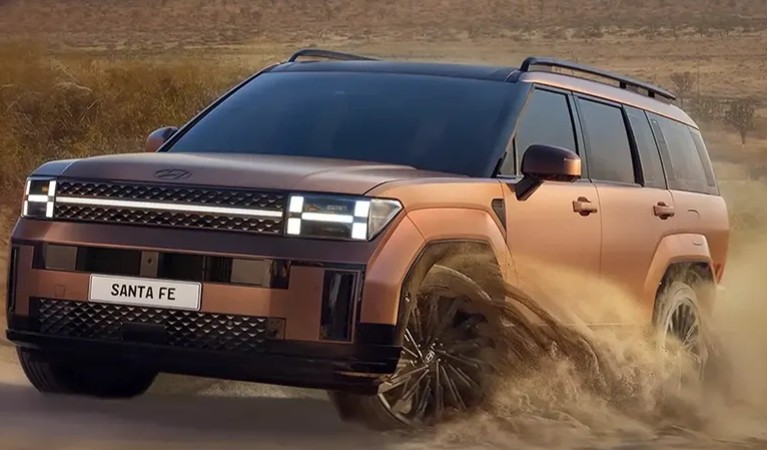
Finding the correct Hyundai Santa Fe wiper blade size sounds like one of those five-minute jobs—until we discover that the driver blade, passenger blade, rear blade, and even the attachment system can change from one model year to another.
Buy the wrong size and the consequences range from mildly annoying to downright frustrating. A blade that is too short leaves part of the windshield untouched. One that is too long may strike another blade, hit the windshield trim, or fail to follow the glass properly.
Thankfully, choosing Santa Fe windshield wipers becomes much easier once we know the model year.
As a general aftermarket fitment guide, many Santa Fe models use combinations ranging from 24 inches on the driver side on older vehicles to 26 inches on newer generations, while passenger blades commonly range from 14 to 18 inches. Rear blades are considerably shorter.
Let’s break down the sizes, generations, installation considerations, and replacement tips so we can buy the right blades the first time.
Content in this publication
- Hyundai Santa Fe Wiper Blade Size Chart
- What Size Wiper Blades Does a Hyundai Santa Fe Take?
- 2024–2026 Hyundai Santa Fe Wiper Blade Size
- 2019–2023 Hyundai Santa Fe Wiper Blade Size
- 2013–2018 Hyundai Santa Fe Wiper Blade Size
- 2007–2012 Hyundai Santa Fe Wiper Blade Size
- First-Generation Hyundai Santa Fe Wiper Blade Size
- Hyundai Santa Fe Driver-Side Wiper Size
- Hyundai Santa Fe Passenger-Side Wiper Size
- Hyundai Santa Fe Rear Wiper Blade Size
- How Do We Know Our Santa Fe Wipers Need Replacing?
- How Often Should Hyundai Santa Fe Wiper Blades Be Replaced?
- Beam vs Conventional Wipers for the Hyundai Santa Fe
- Can We Install a Different Wiper Blade Size?
- Does Trim Level Change the Santa Fe Wiper Size?
- How to Replace Hyundai Santa Fe Wiper Blades
- How to Choose the Best Wipers for a Santa Fe
- OEM vs Aftermarket Hyundai Santa Fe Wiper Blades
- Why New Wiper Blades Sometimes Streak
- Can We Replace Only One Santa Fe Wiper Blade?
- Common Hyundai Santa Fe Wiper Blade Mistakes
- How to Confirm Your Exact Hyundai Santa Fe Wiper Size
- Hyundai Santa Fe Wiper Blade Size: Our Final Thoughts
- Frequently Asked Questions
Hyundai Santa Fe Wiper Blade Size Chart
Here is a useful starting point for commonly listed North American Hyundai Santa Fe fitments.
| Hyundai Santa Fe Model Year | Driver Side | Passenger Side | Rear |
|---|---|---|---|
| 2024–2026* | 26 in | 18 in | Verify fitment |
| 2019–2023 | 26 in | 16 in | 12 in |
| 2013–2018 | 26 in | 14 in | 12 in |
| 2007–2012 | 24 in | 18 in | Approx. 12–14 in depending on year/catalog |
| Earlier models | Varies | Varies | Varies |
*Current aftermarket catalogs list a 26-inch driver and 18-inch passenger blade for the latest-generation Santa Fe, but the newer generation also uses a different attachment on some applications, so blade length alone is not enough. For example, current 2025 fitment data lists 26/18-inch front blades with a wide push-button attachment.
For comparison, aftermarket fitment listings identify 26/16/12 inches for the 2019 Santa Fe, 26/14/12 inches for the 2013 Santa Fe, and 24/18 inches at the front of the 2007 Santa Fe.
Because different markets sometimes receive different bodies or equipment during transitional model years, we should always confirm the vehicle's exact year and connector before ordering.
What Size Wiper Blades Does a Hyundai Santa Fe Take?
There isn't one answer that works for every Santa Fe.
That's the most important thing to understand.
The Hyundai Santa Fe has existed for several generations, and Hyundai has changed the dimensions of the windshield, body, wiper arms, and wiping system along the way.
A typical newer Santa Fe may use:
- Driver side: 26 inches
- Passenger side: 14, 16, or 18 inches depending on generation
- Rear: commonly around 12 inches on several earlier generations
- Connector: varies by year and generation
Think of wiper blades like shoes. Knowing that someone wears "large" isn't enough. We still need the actual size and the correct fit.
And with wipers, the connector is effectively the shoe width.
A perfect-length blade with the wrong connector may never attach to the arm.
2024–2026 Hyundai Santa Fe Wiper Blade Size
The fifth-generation Santa Fe represents a substantial redesign, and owners should be especially careful when buying replacement blades for these vehicles.
Common aftermarket fitment information for the 2024 and 2025 Hyundai Santa Fe lists:
Driver: 26 inches
Passenger: 18 inches
A 2025 fitment catalog additionally identifies a 22 mm wide push-button attachment, illustrating why simply grabbing a 26-inch and an 18-inch universal blade from the shelf isn't always enough.
Why Connector Style Matters on the New Santa Fe
Older vehicles frequently used straightforward J-hook wiper arms. Many modern vehicles have moved toward more aerodynamic connector systems.
The advantage?
They can create a cleaner appearance and help the blade sit closer to the windshield.
The disadvantage?
We have to pay closer attention when shopping.
Before buying replacement blades for a 2024, 2025, or 2026 Santa Fe, enter the complete vehicle information into the blade manufacturer's fitment tool.
That extra minute can save us a return trip to the store.
2019–2023 Hyundai Santa Fe Wiper Blade Size
For many fourth-generation Santa Fe models, one of the most commonly listed combinations is:
Driver side: 26 inches
Passenger side: 16 inches
Rear: 12 inches
A 2019 Santa Fe fitment catalog, for example, lists exactly that 26/16/12 combination.
It's an easy combination to remember:
26 + 16 up front, 12 in the back.
Why the Driver Blade Is So Much Larger
The driver's windshield area receives priority because that's where unobstructed visibility matters most.
The longer 26-inch blade sweeps a large section directly in front of the steering wheel.
Meanwhile, the shorter passenger blade occupies a differently shaped section of the windshield.
Installing two blades of equal length wouldn't necessarily clean more glass. In fact, the blades might collide with each other or extend beyond their intended wiping zones.
Windshield wiping systems are carefully arranged around blade length, arm position, and glass curvature.
2013–2018 Hyundai Santa Fe Wiper Blade Size
The third-generation Santa Fe commonly uses another popular combination:
Driver: 26 inches
Passenger: 14 inches
Rear: 12 inches
A 2013 Santa Fe fitment catalog lists 26-, 14-, and 12-inch blades respectively, and the same 26/14/12 configuration is also listed for the 2013 Santa Fe Sport.
That shorter passenger blade can surprise owners.
We might look at the windshield and think, "Surely a 16-inch blade would cover more glass."
Technically it might—but more isn't always better.
A blade that exceeds Hyundai's intended wiping envelope can interfere with the driver blade or perform poorly near the edge of the curved windshield.
Santa Fe vs Santa Fe Sport Wiper Sizes
This generation deserves extra attention because Hyundai used Santa Fe and Santa Fe Sport naming in certain markets, including North America.
Parts catalogs can therefore distinguish between:
- Santa Fe
- Santa Fe Sport
- Santa Fe XL
- Short-wheelbase models
- Long-wheelbase models
Never assume a part listed for "Santa Fe" automatically fits every Santa Fe-derived body style from the same year.
Hyundai's genuine parts catalogs themselves distinguish among different applications and part numbers across Santa Fe versions and production years.
2007–2012 Hyundai Santa Fe Wiper Blade Size
Second-generation Santa Fe models commonly use:
Driver side: 24 inches
Passenger side: 18 inches
For example, detailed 2007 fitment information lists a 24-inch driver blade and 18-inch passenger blade. Tire Rack fitment data for a 2007 Santa Fe SE independently lists the same two front sizes.
That makes the second generation noticeably different from newer Santa Fe models, where the driver blade commonly grows to 26 inches.
What About the Rear Blade?
Rear wiper listings can be less consistent between catalogs, particularly across older years and international versions.
Some 2007 fitment information lists a 14-inch rear blade, while broader generation charts occasionally show different figures.
That's exactly why we recommend treating rear-wiper dimensions with more caution than the front pair.
If we're replacing the rear blade, check:
- Model year
- Market
- Exact Santa Fe variant
- Blade manufacturer's application catalog
- Existing rear blade or genuine Hyundai part number
The rear wiper may be small, but buying it blindly can still leave us holding a blade that refuses to fit.
First-Generation Hyundai Santa Fe Wiper Blade Size
Early Santa Fe models require even more care.
Why?
Because online size charts for vehicles from the early 2000s can conflict, and equipment can differ among regions.
Instead of publishing one supposedly universal measurement that may send someone shopping for the wrong blade, we prefer the safer approach: use the vehicle's production year, VIN-compatible catalog, or exact existing blade measurement.
This matters particularly for a first-generation Santa Fe that may already have had its wiper arms or blade assemblies replaced during more than two decades of service.
How to Measure an Existing Wiper Blade
Measuring a wiper blade is simple.
Raise the wiper arm carefully and measure the blade from one end to the other along its length.
Round to the nearest standard inch.
For example:
- Around 26 inches = buy a 26-inch blade
- Around 18 inches = buy an 18-inch blade
- Around 16 inches = buy a 16-inch blade
But remember: measurement confirms length, not connector compatibility.
Always examine how the current blade attaches to the arm too.
Hyundai Santa Fe Driver-Side Wiper Size
Across many modern Santa Fe generations, the driver side uses a 26-inch blade.
Older second-generation models commonly use 24 inches.
The driver blade is generally the longest because its job is to clear the largest practical field of vision in front of the person driving.
This is the blade we absolutely don't want to compromise on.
A cheap, worn, or poorly fitting driver's blade can smear water across the exact area we're trying to look through.
At highway speeds in heavy rain, that seemingly insignificant strip of rubber suddenly becomes one of the hardest-working safety components on the vehicle.
Hyundai Santa Fe Passenger-Side Wiper Size
The passenger blade has changed more significantly across Santa Fe generations.
Depending on the year, commonly listed sizes include:
- 14 inches
- 16 inches
- 18 inches
That makes the passenger blade one of the easiest to get wrong.
Someone may remember that their previous Santa Fe used a 16-inch passenger blade and purchase the same blade for a newer Santa Fe—only to discover the latest vehicle requires 18 inches.
We should shop by model year, not merely by vehicle name.
Hyundai Santa Fe Rear Wiper Blade Size
Many Santa Fe models also have a rear windshield wiper, which is especially useful on an SUV.
The near-vertical rear glass naturally attracts road spray, dirt, and grime.
Drive on a wet highway for half an hour and the rear window can look as though someone painted it with muddy water.
Rear wiper sizes commonly sit around the 12-inch range on several generations, although some years may differ.
Do We Really Need to Replace the Rear Wiper?
Yes—although many owners forget about it.
The front blades receive all the attention because we watch them operate constantly.
The rear blade quietly deteriorates in the background.
Eventually, we turn it on and hear:
scratch… scrape… squeak.
A damaged rear blade may leave streaks or drag hardened rubber across the glass.
Replacing it alongside the front blades can be a sensible habit, particularly if all three were installed at roughly the same time.
How Do We Know Our Santa Fe Wipers Need Replacing?
Wipers usually tell us they're dying long before they completely fail.
We just have to listen—and look.
Typical warning signs include:
- Water streaks remaining after each pass
- Chattering across the windshield
- Squeaking
- Sections of glass that remain untouched
- Visible cracks in the rubber
- Rubber separating from the blade
- Blade vibration at highway speed
- Smearing that gets worse instead of better
Bosch notes that cracking of the rubber element contributes to wiper deterioration, which is one reason premium blade designs focus heavily on rubber durability and resistance to environmental exposure.
Sometimes the Blade Isn't the Problem
Before throwing away relatively new wipers, clean the windshield and blade edge.
Road film, wax, insects, dust, and oily residue can create streaking even when the rubber is still healthy.
A clean microfiber cloth and suitable glass cleaner can make a surprising difference.
If the blade continues skipping or streaking afterward, replacement becomes more likely.
How Often Should Hyundai Santa Fe Wiper Blades Be Replaced?
There's no magical date when a wiper suddenly expires.
Its life depends on conditions.
Hot sun can dry the rubber.
Freezing weather can harden it.
Dust works against the wiping edge like fine sandpaper.
Snow and ice add physical stress.
Constant rain obviously increases usage.
That's why inspection matters more than blindly following a calendar.
We should check the blades regularly and replace them when performance begins declining.
Hot Climates Can Be Brutal on Wipers
We often associate worn windshield wipers with winter, but heat can be equally aggressive.
A vehicle parked outside all day experiences extremely high windshield temperatures.
The rubber sits against that hot glass for hours like a rubber band left on a radiator.
Eventually it becomes harder and less flexible.
Once that happens, smooth wiping turns into skipping and streaking.
Beam vs Conventional Wipers for the Hyundai Santa Fe
Once we've found the right size, another question appears:
Which type should we buy?
Conventional Wiper Blades
Traditional blades use a visible metal frame with several pressure points.
Advantages include:
- Usually cheaper
- Widely available
- Simple design
- Good performance when properly fitted
They're perfectly adequate for many drivers.
Beam Wiper Blades
Beam blades eliminate the traditional external frame and use a curved flexible structure.
They tend to follow modern curved windshields more naturally and often provide more uniform pressure.
Advantages include:
- Sleeker appearance
- Better resistance to snow buildup
- More even windshield contact
- Good performance at higher speeds
- Fewer external moving joints
Bosch, for example, describes its beam-style ICON blade as using a bracketless aerodynamic design intended to distribute pressure across the blade.
Hybrid Wiper Blades
Hybrid blades attempt to combine aspects of conventional and beam designs.
We get structural support with a more aerodynamic outer shell.
Hyundai owners who want something closer to an original-equipment appearance may find this style appealing.
Can We Install a Different Wiper Blade Size?
Physically?
Sometimes.
Should we?
Usually not.
Going one inch longer sounds harmless, but blade clearance is carefully calculated.
A longer blade could:
- Hit the other wiper
- Touch windshield trim
- Lift at the edge of the glass
- Put additional stress on the wiper system
- Leave inconsistent pressure across the windshield
A shorter blade is less likely to create mechanical interference, but it sacrifices wiping coverage.
The safe choice is simple:
Use the specified size unless a reputable manufacturer explicitly lists an alternative for that exact vehicle.
Does Trim Level Change the Santa Fe Wiper Size?
Usually, blade size follows the body and model generation rather than cosmetic trim level.
So an SE, SEL, Limited, Calligraphy, or XRT from the same body generation may share the same basic windshield dimensions.
However, that doesn't mean we should buy solely according to trim assumptions.
Production changes, market differences, hybrid variants, body configurations, and connector revisions are all reasons to run the exact vehicle through a proper fitment database.
When ordering online, enter:
Year → Hyundai → Santa Fe → Engine/trim if requested
Don't skip the final vehicle verification merely because the blade length looks familiar.
How to Replace Hyundai Santa Fe Wiper Blades
Changing windshield wipers is one of the easiest DIY maintenance jobs we can perform.
The process generally goes something like this:
- Confirm the new blades match the vehicle.
- Position the wipers for replacement according to the owner's manual.
- Carefully raise the wiper arm away from the windshield.
- Release the old blade from its connector.
- Attach the new blade using its correct adapter.
- Make sure it clicks or locks securely.
- Lower the arm gently.
- Test the wipers with washer fluid.
Hyundai includes dedicated blade inspection and blade replacement instructions in current Santa Fe owner documentation, so that should be our primary reference for the exact vehicle.
Never Let the Bare Wiper Arm Snap Down
This deserves its own warning.
Once the blade is removed, we have a metal wiper arm sitting under spring tension.
If it slips from our hand and snaps onto the windshield, the impact can damage the glass.
Keep one hand on the arm or place a folded towel over the windshield while working.
A $20 wiper change isn't much fun if it turns into a windshield replacement.
How to Choose the Best Wipers for a Santa Fe
Price isn't the only consideration.
We should think about where and how the vehicle is driven.
For Regular City Driving
A quality conventional or midrange beam blade is usually sufficient.
For Heavy Rain
Look for blades that maintain consistent contact across the windshield at speed.
Aerodynamic beam blades can work particularly well here.
For Snow and Ice
A frameless or protected beam design can reduce places where snow and ice accumulate.
For Hot, Sunny Climates
Rubber durability becomes particularly important.
Silicone-based blades are often marketed for increased longevity, although they usually cost more.
OEM vs Aftermarket Hyundai Santa Fe Wiper Blades
OEM blades are attractive because we know they're designed around the original vehicle.
Hyundai genuine-parts catalogs list dedicated Santa Fe blade assemblies and inserts for different production ranges, showing that Hyundai itself uses different parts across generations.
Aftermarket blades, however, offer more choice.
We can choose from brands such as Bosch, Rain-X, PIAA, TRICO, and others.
Neither approach is automatically superior.
The key is getting:
correct length + correct attachment + good blade quality.
An expensive blade that doesn't fit correctly is still the wrong blade.
Why New Wiper Blades Sometimes Streak
Imagine buying brand-new premium blades, installing them, and seeing streaks five minutes later.
Annoying, right?
Before blaming the wipers, inspect the windshield.
Possible causes include:
- Wax residue
- Silicone contamination
- Greasy road film
- Tree sap
- Improper installation
- Protective blade covers not removed
- Dirty rubber
- Incorrect adapter seating
Clean the glass thoroughly and make sure the blade is locked squarely onto the arm.
If one section consistently misses the glass, the blade may be defective or incompatible.
Can We Replace Only One Santa Fe Wiper Blade?
Yes.
But replacing front blades as a pair usually makes sense when both are approximately the same age.
If one blade has deteriorated because of sun, weather, and mileage, the other has lived through exactly the same conditions.
Replacing only the terrible blade can leave us with one perfectly clear section of windshield and another streaky one.
That said, if one relatively new blade becomes damaged by debris, there's no mechanical requirement to throw away its healthy partner.
Use common sense rather than a rigid rule.
Common Hyundai Santa Fe Wiper Blade Mistakes
Wiper replacement is simple, yet several mistakes appear again and again.
Buying Two Identical Front Blades
The driver and passenger sides usually require different lengths.
Ignoring the Connector
Blade length is only half the equation.
Guessing Based on Another Model Year
A 2013, 2019, and 2025 Santa Fe may all carry the same badge, but their wiper requirements aren't necessarily identical.
Forcing the Adapter
If we have to wrestle violently with the connector, something may be wrong.
Stop and compare the adapter instructions.
Dropping the Wiper Arm
Never release an uncovered metal arm against the windshield.
How to Confirm Your Exact Hyundai Santa Fe Wiper Size
If we want maximum certainty, use more than one verification method.
The best options are:
- Check the exact model year in a reputable wiper manufacturer's fitment database.
- Consult the Hyundai owner's information for replacement procedure and equipment guidance.
- Check a Hyundai genuine-parts catalog using the VIN when necessary.
- Compare the new blades with the existing blades before removing them.
- Verify connector style as well as length.
This is especially important when buying for a vehicle produced around a generation change.
The year printed on the registration document doesn't always tell the entire global-market story.
Hyundai Santa Fe Wiper Blade Size: Our Final Thoughts
Finding the correct Hyundai Santa Fe wiper blade size is easy once we stop treating every Santa Fe as the same vehicle.
As a quick reference, many 2019–2023 Santa Fe models use 26-inch and 16-inch front blades, many 2013–2018 models use 26 and 14 inches, and the 2007 Santa Fe commonly uses a 24/18-inch front combination. Current fitment information for the latest generation lists a 26/18-inch front combination, while its attachment style deserves special attention.
The key lesson is simple:
Don't shop by vehicle name alone.
Shop by year, generation, blade position, and connector.
Wipers may be inexpensive compared with tires, brakes, or suspension components, but when a wall of rain hits the windshield at night, those skinny strips of rubber suddenly feel incredibly important.
Clear glass means better information.
Better information means better decisions behind the wheel.
And that's one inexpensive piece of maintenance we shouldn't overlook.
Frequently Asked Questions
1. What size windshield wipers does a Hyundai Santa Fe use?
It depends on the model year. Many newer Santa Fe models use a 26-inch driver-side blade, while the passenger blade may be 14, 16, or 18 inches depending on generation. Older models can use a 24-inch driver blade. Always verify your exact year before purchasing.
2. What size wiper blades fit a 2019 Hyundai Santa Fe?
Common aftermarket fitment information lists a 26-inch driver blade, 16-inch passenger blade, and 12-inch rear blade for the 2019 Hyundai Santa Fe.
3. What size wiper blades fit a 2013 Hyundai Santa Fe?
The commonly listed combination for a 2013 Santa Fe is 26 inches on the driver side, 14 inches on the passenger side, and 12 inches at the rear.
4. Can I put larger wiper blades on my Hyundai Santa Fe?
We generally shouldn't unless the blade manufacturer specifically approves the alternative size for our exact model. Oversized blades can collide, contact windshield trim, or fail to maintain proper contact with the glass.
5. Are Hyundai Santa Fe driver and passenger wipers the same size?
Usually not. The driver blade is typically longer. Depending on the generation, the Santa Fe may use combinations such as 24/18, 26/14, 26/16, or 26/18 inches. Checking both positions separately prevents ordering the wrong pair.
If you want to know other articles similar to Hyundai Santa Fe Wiper Blade Size: Complete Guide by Year you can visit the category Service and Parts.
Nissan Rogue Oil Change Cost: Prices, Service Options, and What to Expect
Nissan Rogue Key Battery Replacement: Easy Step-by-Step Guide
Nissan Rogue Oil Change Interval: Complete Guide by Model Year
Nissan Rogue Brake Pads and Rotors Cost: Complete 2026 Guide

Kia Sorento Service Reset: How to Reset the Service Light
Kia Sorento Fuel Tank Capacity: Gallons, Litres and Model Differences
Leave a Reply
More content of your interest