

Mazda 6 i-Stop Flashing: Causes, Diagnosis, and Fixes

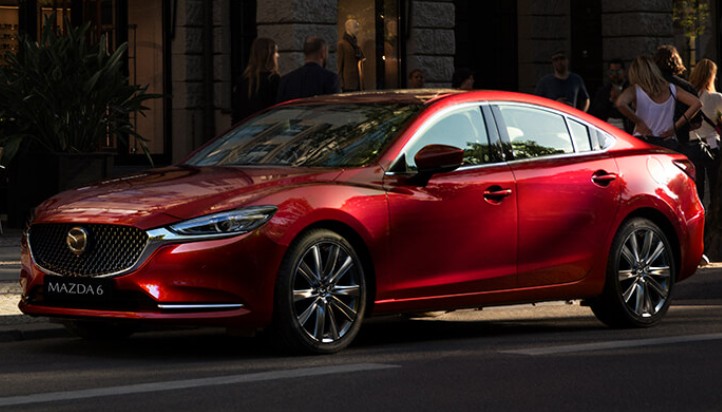
Seeing the Mazda 6 i-stop flashing on the dashboard can be confusing, especially when the car appears to start, drive, and behave normally. One minute everything seems fine; the next, that little i-stop symbol begins blinking like it is trying to tell us a secret.
The good news is that a flashing i-stop light does not automatically mean the engine is about to fail. The bad news? We should not simply ignore it.
Mazda's i-stop system depends on several parts of the car working together, including the battery, charging system, sensors, engine management electronics, brakes, and—in some versions—the clutch and transmission controls. When something falls outside the system's expected operating range, i-stop may become unavailable or display a warning.
Mazda's own guidance is particularly important here: depending on the model and situation, an i-stop warning can indicate a system malfunction requiring inspection. Mazda also advises having warning lights checked when they remain illuminated, continue flashing, or return after disappearing.
So, what exactly should we do when the Mazda 6 i-stop light is flashing? Let's break it down without turning this into an electrical-engineering textbook.
Content in this publication
- What Does i-Stop Do on a Mazda 6?
- Why Is My Mazda 6 i-Stop Flashing?
- Weak Battery and Mazda 6 i-Stop Problems
- Can an Old Battery Make the i-Stop Light Flash?
- Mazda 6 i-Stop Flashing After Battery Replacement
- Could the Alternator or Charging System Cause a Flashing i-Stop Light?
- Mazda 6 i-Stop Flashing but Car Drives Normally
- Mazda 6 i-Stop Flashing and Check Engine Light
- Mazda 6 i-Stop Flashing After Jump Start
- Could a Brake Switch Affect Mazda i-Stop?
- Mazda 6 Manual Transmission and Flashing i-Stop
- Green vs Amber i-Stop Indicator
- How to Diagnose a Mazda 6 i-Stop Flashing Light
- How to Reset Mazda 6 i-Stop Flashing
- Can We Turn Off i-Stop Instead?
- Common Mistakes When the Mazda 6 i-Stop Light Flashes
- Is the Mazda 6 Safe to Drive With i-Stop Flashing?
- How Much Can a Mazda 6 i-Stop Repair Cost?
- How to Prevent Future i-Stop Problems
- Mazda 6 i-Stop Flashing Troubleshooting Checklist
- Mazda 6 i-Stop Flashing: The Bottom Line
- Frequently Asked Questions About Mazda 6 i-Stop Flashing
What Does i-Stop Do on a Mazda 6?
Before diagnosing the warning, it helps to understand what i-stop actually does.
Mazda's i-stop system is its automatic engine stop/start technology. Under suitable conditions, it temporarily switches off the engine while the vehicle is stationary and restarts it when we're ready to move.
Imagine sitting at a long traffic light. Keeping the engine idling burns fuel even though the Mazda isn't moving. With i-stop active, the engine can shut down temporarily instead.
Once we're ready to continue, the system restarts the engine.
Simple on the surface.
Behind the scenes, though, i-stop is watching numerous operating conditions before deciding whether shutting off the engine is appropriate. If those conditions aren't satisfied, the engine may simply continue running.
That alone doesn't necessarily indicate a fault.
This distinction matters.
Sometimes i-stop simply doesn't activate. That can happen because the system's operating conditions have not been met. Depending on the vehicle specification and operating situation, factors such as battery condition and other vehicle demands can affect stop/start operation.
A persistent warning or flashing indication, however, deserves more attention.
Mazda's owner's information explains that warning and indicator behavior can vary by transmission and market. For example, certain normal operating situations can produce an i-stop indication, while a continuing warning associated with a malfunction requires inspection.
In other words, don't diagnose the car from the words "flashing i-stop" alone.
We need context.
Why Is My Mazda 6 i-Stop Flashing?
There isn't one universal cause.
The i-stop system operates more like an orchestra than a solo musician. Battery condition, engine controls, switches, sensors, charging equipment, and other systems all need to play roughly the right notes.
If one section goes badly out of tune, i-stop may stop participating.
Among the areas worth investigating are:
- Battery condition or inadequate state of charge
- Battery replacement or incorrect battery specification
- Charging-system problems
- Stored diagnostic trouble codes
- i-stop system faults
- Brake or clutch-related inputs, depending on transmission
- Sensor or electrical faults
- Recent battery disconnection or electrical work
- A warning condition elsewhere in the vehicle
Let's examine the possibilities individually.
Weak Battery and Mazda 6 i-Stop Problems
If we're troubleshooting an i-stop problem, the 12-volt battery deserves early attention.
Stop/start technology places unusual demands on a battery. The vehicle isn't simply starting once in the morning and running continuously until we reach our destination. The system must continuously evaluate whether sufficient electrical capacity exists for automatic stopping and restarting.
That means a battery can sometimes still crank the engine yet perform poorly enough under testing or charging conditions that stop/start operation becomes restricted.
Think of it like a phone battery that still turns the phone on but suddenly drops from 40% to 10%. It technically works, but it isn't healthy.
Symptoms That May Point Toward Battery Trouble
Battery-related issues become more plausible when we notice several symptoms together.
For example:
- The engine cranks more slowly than normal.
- i-stop gradually stops operating.
- Electrical warnings appear intermittently.
- The problem is worse after the car sits overnight.
- The battery is several years old.
- The warning appeared after extremely cold conditions or prolonged storage.
- Multiple warning messages appear at roughly the same time.
None of these symptoms proves the battery is responsible. They simply make battery testing a logical first move.
Why Measuring Voltage Alone Isn't Always Enough
Here's where DIY diagnosis often goes wrong.
We connect a multimeter, see something around normal resting voltage, and declare the battery perfect.
Not so fast.
Battery voltage is useful, but health also involves factors such as capacity, internal resistance, ability to provide current, state of charge, and charging-system behavior.
A proper battery test can tell us considerably more than a quick voltage reading.
Can an Old Battery Make the i-Stop Light Flash?
Potentially, yes, because i-stop depends on the vehicle's electrical system operating correctly.
However, replacing the battery purely because the i-stop light flashes is expensive guesswork.
We'd rather test first.
If the battery fails an appropriate battery-health test, replacement becomes far easier to justify. If it passes convincingly, we can move down the diagnostic tree instead of firing the parts cannon at the Mazda.
Does a Mazda 6 Need a Special Battery for i-Stop?
This is one area where we should avoid universal claims.
Mazda 6 battery requirements vary with year, engine, market, and equipment. Vehicles fitted with stop/start technology may require a battery designed to meet the electrical demands of that particular system.
Rather than buying a battery based purely on physical size or price, check the exact specification required for the VIN or model year.
A battery that physically fits isn't automatically the correct battery.
Why the Correct Battery Specification Matters
Installing an unsuitable battery can create problems beyond shortened battery life.
The vehicle's energy-management strategy has been designed around particular battery characteristics. If we substitute something fundamentally different simply because the terminals line up, we may solve one problem and invite another.
Always verify:
- Battery technology
- Capacity specification
- Cold-cranking specification
- Physical dimensions
- Terminal orientation
- Manufacturer requirements for the exact model
Mazda 6 i-Stop Flashing After Battery Replacement
This scenario deserves its own section because it catches owners off guard.
Suppose the Mazda had battery trouble. We install a new battery, the engine now starts beautifully…and the i-stop warning remains.
What gives?
Replacing the failed component does not always erase every stored fault or immediately restore all learned system conditions.
Depending on the Mazda 6 version and the work performed, additional diagnosis, fault-code clearing, initialization, or relearning procedures may be required.
This is why random internet reset tricks should be treated carefully.
A procedure appropriate for one Mazda generation or market may be irrelevant to another.
Should We Reset i-Stop After Changing the Battery?
The correct answer is: follow the procedure applicable to the exact model and battery repair.
Don't assume every Mazda 6 requires the same sequence involving pedals, buttons, steering movements, or ignition cycling.
Some online reset procedures are copied across model years as though every Mazda were electronically identical.
They're not.
If the warning persists after battery replacement, first confirm:
- The replacement battery is the correct type and specification.
- Battery terminals are secure.
- Electrical connections haven't been disturbed.
- Charging voltage and system operation are normal.
- Relevant diagnostic trouble codes have been checked.
Only then should an applicable initialization or reset procedure be performed.
Could the Alternator or Charging System Cause a Flashing i-Stop Light?
Yes, a charging-system issue deserves consideration when diagnosing battery-related or electrical warnings.
The battery is only half the story.
If the charging system doesn't replenish the battery properly, a brand-new battery can eventually end up in the same miserable condition as the old one.
It's like replacing a leaking bucket without fixing the tap that's supposed to fill it.
Signs Worth Checking Alongside the i-Stop Warning
Look for symptoms such as:
- Battery warning light
- Repeated low-battery problems
- Headlights changing noticeably in brightness
- Electrical systems behaving unpredictably
- Difficulty starting
- A battery that repeatedly becomes discharged
- Other charging or battery-management messages
If these appear together, testing the battery and charging system makes more sense than focusing solely on i-stop.
Mazda 6 i-Stop Flashing but Car Drives Normally
This is extremely frustrating because the Mazda may feel absolutely fine.
The engine starts.
Acceleration feels normal.
The gearbox behaves normally.
Nothing smells strange.
Yet i-stop flashes.
Can we keep driving?
There isn't one answer for every warning combination. Mazda advises taking appropriate action when warning lights illuminate or flash and consulting an authorised repairer if a warning does not disappear or returns.
If the only obvious symptom is an i-stop issue and the car otherwise behaves normally, we may still be able to drive it to obtain diagnosis. However, we shouldn't automatically assume the problem is harmless.
When We Should Stop Treating It as “Just i-Stop”
The situation becomes more urgent if the flashing i-stop warning is accompanied by:
- Battery or charging warning
- Engine warning light
- Overheating
- Oil-pressure warning
- Brake warning
- Severe loss of power
- Engine stalling
- Burning smell
- Smoke
- Very difficult starting
- Multiple electrical systems suddenly failing
At that point, we're dealing with more than an inconvenience involving stop/start operation.
Mazda 6 i-Stop Flashing and Check Engine Light
If the check-engine light appears at the same time, don't assume i-stop itself created the engine fault.
Often the smarter way to think about it is the reverse: an engine-management problem may cause the vehicle to suspend i-stop because the system no longer considers automatic stop/start operation appropriate.
That means our first diagnostic step should be reading the stored fault codes.
Why OBD Codes Matter
Modern cars communicate through diagnostic trouble codes.
Without reading them, we're effectively trying to diagnose the Mazda while wearing a blindfold.
An OBD scan might direct us toward:
- Electrical supply problems
- Engine-management faults
- Sensor faults
- Communication errors
- Charging-system issues
- Other systems affecting stop/start availability
A fault code isn't always a direct instruction to replace the component named in its description, but it gives us a much better starting point.
Mazda 6 i-Stop Flashing After Jump Start
A flat battery followed by a jump start is another useful clue.
If the battery became deeply discharged, the electrical system may still be dealing with low charge or stored faults even though the engine is now running.
Don't assume a successful jump means the battery is healthy.
A jump pack simply supplied enough external power to start the engine.
What We Should Do After a Flat Battery
We should consider:
- Testing battery condition
- Checking the charging system
- Inspecting battery terminals
- Scanning for diagnostic trouble codes if warnings remain
- Confirming the battery is charging correctly
- Following applicable Mazda procedures before attempting random resets
If the battery repeatedly goes flat, find the cause instead of endlessly jump-starting it.
Could a Brake Switch Affect Mazda i-Stop?
Potentially, depending on the vehicle configuration.
Automatic stop/start operation depends on knowing what the driver and vehicle are doing. Inputs associated with braking, transmission state, engine conditions, and other systems can therefore matter.
Mazda's own i-stop documentation illustrates how the system responds differently according to driving and transmission conditions. For example, certain versions use pedal or transmission inputs as part of normal i-stop operation.
A faulty input can therefore be relevant during diagnosis.
That doesn't mean we should immediately buy a brake switch because a forum post said so.
Test first.
Mazda 6 Manual Transmission and Flashing i-Stop
Here's an important complication: not every flashing i-stop indication represents the same fault condition.
Mazda documentation explains that on some manual-transmission configurations, the i-stop indicator can flash as part of normal operation when the shift lever is moved out of neutral while the engine is stopped. Depressing the clutch allows the engine to restart and the indication to clear.
That's a perfect example of why dashboard context matters.
A light that flashes for several seconds during a specific stop/start event is very different from an amber warning that flashes continuously every time we drive.
Ask These Questions Before Diagnosing Anything
When does the light flash?
Does it happen:
- Only when stopped?
- Immediately after starting?
- Continuously while driving?
- After the engine automatically stops?
- Following battery replacement?
- After a flat battery?
- Together with another dashboard light?
Those answers dramatically narrow the possibilities.
Green vs Amber i-Stop Indicator
Color matters.
Mazda uses indicators and warning lights to communicate both normal operation and faults. The owner's manual distinguishes between the i-stop indicator used to show system operation and warning behavior associated with a malfunction.
So before Googling “Mazda 6 istop flashing fix,” identify exactly what you're seeing.
Green i-Stop Light
A green indication may relate to normal i-stop system operation depending on the model and circumstances.
It isn't automatically something to repair.
Amber i-Stop Warning
A persistent amber i-stop warning deserves more attention, particularly when it continues to flash.
Mazda's guidance for warning lights is straightforward: if a warning persists or returns, the vehicle should be inspected.
Don't Diagnose by Color Alone
Even here, context remains important.
Model year, market, instrument-cluster design, transmission, and accompanying messages can change what a particular indication means.
The owner's manual for the exact vehicle remains the better reference.
How to Diagnose a Mazda 6 i-Stop Flashing Light
Instead of replacing components randomly, we can follow a logical sequence.
Think of diagnosis like following footprints through snow. Each test should tell us where to step next.
Step 1: Check for Other Warning Lights
Look carefully at the dashboard.
Are we seeing:
- Check-engine light?
- Battery warning?
- Master warning?
- Brake warning?
- ABS/DSC warning?
- Battery-management message?
Write down every warning before switching the ignition off.
Better still, take a photo.
The combination of warnings can be far more useful than the i-stop symbol alone.
Step 2: Check the Battery's History
Ask ourselves:
How old is the battery?
Has the Mazda recently struggled to start?
Has it been parked for weeks?
Was the battery recently replaced?
Did the i-stop problem begin immediately after battery work?
These questions cost nothing and often steer diagnosis in the right direction.
Step 3: Inspect Battery Connections
With the car safely switched off, visually inspect the battery area.
Loose, damaged, badly corroded, or poorly connected terminals can cause electrical headaches that seem much more mysterious than they really are.
Don't disconnect things unnecessarily just to “reset” the car.
Step 4: Have the Battery Properly Tested
A professional battery-health test is more valuable than guessing based on age alone.
If the battery is weak or defective, address that first.
If it's healthy, move on.
Step 5: Check Charging-System Performance
A failing battery may be the victim rather than the culprit.
If the vehicle isn't charging properly, replacing batteries repeatedly is like filling a bathtub without putting the plug in.
Test the system rather than assuming.
Step 6: Read Diagnostic Trouble Codes
This may be the most productive step when the warning persists.
A capable scan tool can reveal stored faults that a basic dashboard message cannot.
Don't just erase the codes immediately.
Record them first.
Clearing evidence before diagnosis is like wiping fingerprints off a crime scene.
Step 7: Verify Repairs Before Resetting Anything
Suppose we discover a weak battery and replace it.
Great.
Now retest.
If the fault remains, investigate why rather than endlessly performing resets.
A reset should finish a repair—not substitute for one.
How to Reset Mazda 6 i-Stop Flashing
This is probably the section most readers jump straight to.
And here's the answer nobody loves:
There isn't a single universal Mazda 6 i-stop reset procedure that should be blindly applied to every year and specification.
Procedures can differ depending on vehicle configuration and the actual fault.
More importantly, if the system has detected a genuine malfunction, resetting a warning without repairing the underlying issue accomplishes very little.
Before Attempting Any Reset
Make sure:
- The battery is healthy.
- The correct battery is installed.
- Battery terminals are secure.
- Charging-system operation is satisfactory.
- Relevant trouble codes have been checked.
- The original fault has been corrected.
Only then does a model-appropriate initialization or fault-clearing procedure make sense.
Will Disconnecting the Battery Reset i-Stop?
We wouldn't recommend battery disconnection as a universal troubleshooting technique.
Modern vehicles store learned information and diagnostic data, and disconnecting power can create additional inconvenience without fixing the original fault.
If the component causing the warning remains defective, the warning may simply return.
Can We Turn Off i-Stop Instead?
Some Mazda 6 versions provide a way to temporarily disable i-stop operation.
However, disabling the feature is not the same as repairing a warning.
That's an important distinction.
If we simply prefer not to use automatic stop/start, that's one conversation.
If an amber warning is flashing because the system has detected a malfunction, pressing an OFF button doesn't magically repair the electrical or mechanical cause.
Common Mistakes When the Mazda 6 i-Stop Light Flashes
The fastest way to make an inexpensive problem expensive is to diagnose it by guessing.
Here are the mistakes we'd avoid:
- Immediately replacing the battery without testing it. The battery may be responsible, but prove it first.
- Buying the cheapest battery that physically fits. Correct specification matters.
- Repeatedly clearing codes. A returning code is information, not an annoyance.
- Disconnecting the battery hoping everything resets. It may accomplish nothing useful.
- Replacing sensors based on forum posts. Similar symptoms can have different causes.
- Ignoring accompanying warning lights. They may contain the real clue.
- Assuming every flashing i-stop light means the same thing. Mazda's own documentation shows that indication behavior varies with operating circumstances and transmission configuration.
Is the Mazda 6 Safe to Drive With i-Stop Flashing?
We need to separate the convenience feature from the underlying fault.
If i-stop simply isn't available while the vehicle otherwise starts and operates normally, the car may still be driveable for diagnosis.
However, a warning light is information from the vehicle, not decoration.
Mazda recommends appropriate action when warning lights illuminate or flash and inspection when they remain active or return.
So we'd avoid declaring the car “perfectly safe” without knowing why the warning exists.
Get Immediate Help if the Car Shows Serious Symptoms
Don't continue driving solely because someone online said i-stop faults are harmless if you also have serious symptoms such as overheating, oil-pressure loss, major brake warnings, smoke, stalling, or significant electrical failure.
Those symptoms change the situation entirely.
How Much Can a Mazda 6 i-Stop Repair Cost?
There's no meaningful single repair price because “i-stop flashing” isn't a diagnosis.
The final cost depends on what caused the warning.
At the inexpensive end, we might discover a connection or battery-related issue.
At the other end, diagnosis could uncover charging-system trouble, wiring damage, a sensor fault, or another electronic problem.
This is precisely why paying for accurate diagnosis can save money.
The cheapest part is often the part we never needed to buy.
How to Prevent Future i-Stop Problems
We can't prevent every electronic fault, but good electrical-system maintenance certainly helps.
Keep the Battery Healthy
Cars that make frequent short journeys may spend less time replenishing the energy used during starting and accessory operation.
If our driving pattern involves endless five-minute trips, battery condition deserves closer attention.
Use the Correct Replacement Parts
Especially with batteries, “close enough” isn't always close enough.
Use specifications intended for the vehicle.
Don't Ignore Slow Starting
A sluggish starter can be an early clue that battery performance is deteriorating.
Waiting until the Mazda refuses to start in a supermarket car park isn't exactly the most convenient diagnostic strategy.
Investigate Repeat Warnings
If the warning disappears today but comes back next week, don't assume the Mazda healed itself.
Intermittent faults can be especially useful to diagnose while stored codes and freeze-frame information remain available.
Mazda 6 i-Stop Flashing Troubleshooting Checklist
When that blinking symbol appears, here's the practical order we'd follow:
- Identify whether the indicator is green or amber.
- Note exactly when it starts flashing.
- Photograph all dashboard warnings.
- Check whether the engine starts normally.
- Consider the age and recent history of the battery.
- Inspect battery terminals and obvious connections.
- Test battery condition rather than guessing.
- Test charging-system performance if appropriate.
- Scan the vehicle for diagnostic trouble codes.
- Record codes before clearing them.
- Verify that replacement batteries meet the correct specification.
- Repair the underlying fault.
- Perform any applicable initialization or reset procedure.
- Confirm that the warning remains off during subsequent drives.
That approach isn't glamorous, but good troubleshooting rarely is.
It's simply much cheaper than replacing parts until the light happens to disappear.
Mazda 6 i-Stop Flashing: The Bottom Line
A Mazda 6 i-stop flashing warning doesn't automatically spell disaster, but it shouldn't be dismissed either.
Start by identifying exactly which i-stop indicator is flashing and when it occurs. Some indicator behavior can be part of normal i-stop operation on particular configurations, while a persistent warning can indicate a malfunction that requires inspection. Mazda itself recommends having the vehicle checked when a warning persists or repeatedly returns.
From there, take the sensible route.
Check battery history. Test the battery properly. Inspect the charging system where appropriate. Look for accompanying warnings. Scan for diagnostic trouble codes. And only perform a reset after we've addressed the actual problem.
The key idea is simple: don't repair the dashboard light—repair whatever made the dashboard light appear.
Do that, and the Mazda usually becomes far less mysterious.
Frequently Asked Questions About Mazda 6 i-Stop Flashing
1. Why is the i-stop light flashing on my Mazda 6?
The meaning depends on the indicator color, transmission, model year, and circumstances. A persistent warning can indicate an i-stop system malfunction, while Mazda documentation also describes certain flashing indications that occur during normal system operation on specific configurations. If the warning continuously flashes or keeps returning, the vehicle should be diagnosed rather than simply reset.
2. Can a weak battery cause Mazda 6 i-stop problems?
Battery condition is an important part of diagnosing stop/start problems because the system depends heavily on reliable electrical power. If the battery is old, the engine cranks slowly, or the Mazda recently needed a jump start, battery testing should be high on the diagnostic list. Don't replace it solely on suspicion—have its condition tested.
3. Why is my Mazda 6 i-stop flashing after changing the battery?
The original electrical fault may still be present, the replacement battery may not match the vehicle's required specification, a connection could be loose, diagnostic codes may remain stored, or an applicable initialization procedure may still be required. Verify the repair and scan the car before trying random reset sequences.
4. Can I drive with the Mazda 6 i-stop light flashing?
That depends on what is causing the warning and whether other symptoms are present. If the Mazda drives normally and only the i-stop function is affected, it may be possible to drive to a workshop for diagnosis. If other serious warning lights, starting trouble, stalling, overheating, brake problems, or electrical failures appear, the vehicle needs more urgent attention. Mazda recommends inspection when warning lights persist or recur.
5. How do I reset a flashing i-stop light on a Mazda 6?
First diagnose and repair the underlying cause. There is no reset procedure we should assume applies universally to every Mazda 6 generation, engine, transmission, and market. Check battery health, charging performance, electrical connections, and diagnostic codes first. Once the problem is corrected, follow the appropriate procedure for the exact vehicle or have a qualified technician perform the initialization.
If you want to know other articles similar to Mazda 6 i-Stop Flashing: Causes, Diagnosis, and Fixes you can visit the category Service and Parts.
Kia Sorento Service Reset: How to Reset the Service Light
Kia Sorento Fuel Tank Capacity: Gallons, Litres and Model Differences
Kia Sorento Tyre Pressure: Recommended PSI, Bar and Complete Guide
Kia Sorento Boot Space: How Much Luggage Space Does It Really Have?
Kia Sorento Towing Capacity: How Much Can a Sorento Tow?

Honda Passport Payload Capacity: How Much Weight Can It Carry?
Leave a Reply
More content of your interest