
Audi A6 vs BMW 5 Series: Which Luxury Sedan Is Better?

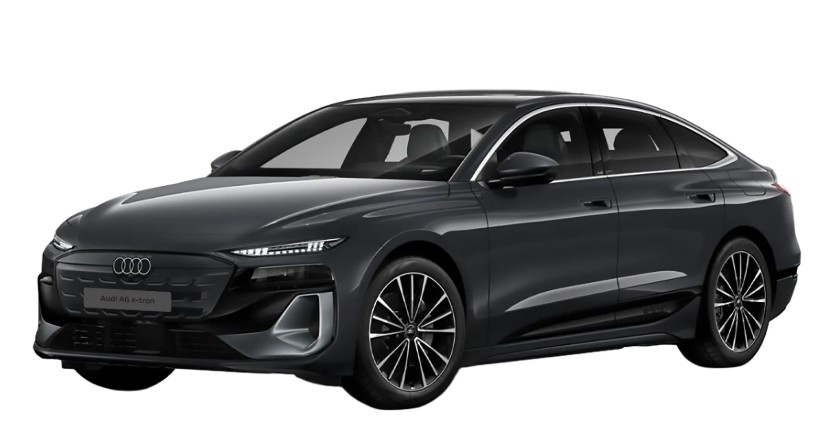
The Audi A6 vs BMW 5 Series battle is one of those rivalries that never really ends. Both cars occupy the sweet spot of the executive luxury sedan market: large enough to feel genuinely prestigious, refined enough to swallow motorway miles without effort, yet still manageable enough to drive every day.
But they approach that mission differently.
The Audi A6 traditionally feels like the calm, immaculately dressed professional in the room. It places a huge emphasis on refinement, understated design, cabin quality, stability, and technology. The BMW 5 Series, meanwhile, usually adds a little more movement to the equation. It wants the driver to participate. Even when BMW makes the 5 Series softer and more luxurious, there is typically a layer of driver engagement hiding underneath.
So which one should we buy?
There isn't a universal winner. The better car depends on whether we prioritize comfort, handling, interior atmosphere, technology, practicality, performance, or ownership costs. Let's compare them properly.
Content in this publication
- Audi A6 vs BMW 5 Series at a Glance
- Exterior Design: Understatement vs Presence
- Interior Quality: Audi A6 vs BMW 5 Series
- Technology and Infotainment
- Comfort: Which Is Better for Long Journeys?
- Audi A6 vs BMW 5 Series Driving Experience
- Engine and Performance Comparison
- Quattro vs xDrive
- Fuel Economy
- Audi A6 vs BMW 5 Series Practicality
- Boot Space
- Safety and Driver Assistance
- Audi A6 vs BMW 5 Series Reliability
- Maintenance Costs
- Audi A6 vs BMW 5 Series Depreciation
- Used Audi A6 vs Used BMW 5 Series
- Audi A6 vs BMW 5 Series for Highway Driving
- Audi A6 vs BMW 5 Series for City Driving
- Which Is Better for Families?
- Which Is Better for Driving Enthusiasts?
- Which Is Better for Luxury and Refinement?
- Who Should Buy the Audi A6?
- Who Should Buy the BMW 5 Series?
- Audi A6 vs BMW 5 Series: Final Verdict
- Frequently Asked Questions
Audi A6 vs BMW 5 Series at a Glance
Before diving into the details, here's the easiest way to understand the personalities of these two executive sedans.
| Category | Audi A6 | BMW 5 Series |
|---|---|---|
| Overall character | Refined and understated | Luxury with a sportier edge |
| Ride comfort | Excellent | Excellent |
| Handling | Secure and predictable | Typically more engaging |
| Interior design | Minimalist, technological | Driver-focused, modern |
| Cabin quality | Excellent | Excellent |
| Highway cruising | Outstanding | Outstanding |
| Rear-seat comfort | Very good | Very good |
| Performance options | Broad range | Broad range |
| AWD availability | Quattro on selected models | xDrive on selected models |
| Best suited to | Comfort and discreet luxury | Drivers wanting more involvement |
Neither car is remotely basic. We're splitting hairs between two of the strongest luxury sedans in the segment.
The Main Difference Between the Audi A6 and BMW 5 Series
If we had to reduce the entire comparison to one sentence, we'd say this:
The Audi A6 tends to prioritize polished refinement, while the BMW 5 Series tends to blend refinement with a more dynamic driving character.
That distinction isn't as dramatic as it once was. Modern 5 Series models have become increasingly comfortable and technologically sophisticated, while modern A6 generations can be remarkably capable on a winding road.
Still, their personalities remain recognizable.
Exterior Design: Understatement vs Presence
Design is subjective, but Audi and BMW clearly speak different visual languages.
The A6 has traditionally been one of Audi's most conservative luxury sedans. That's not an insult. In fact, it's part of its appeal.
The proportions are clean, the detailing is precise, and the overall shape usually avoids unnecessary drama. An A6 can look expensive without shouting across the parking lot.
It's the automotive equivalent of a beautifully tailored dark suit.
The 5 Series tends to make a stronger statement. Depending on the generation and trim, BMW uses larger grilles, more expressive lighting signatures, deeper body sculpting, and stronger visual contrasts.
Some buyers will prefer the Audi's timeless approach. Others will appreciate the BMW's greater road presence.
Which One Looks More Expensive?
Both can look suitably premium, but trim specification matters enormously.
An entry-level version on modest wheels can look surprisingly restrained, while an A6 S line or 5 Series M Sport can transform the same basic shape with:
- Larger alloy wheels
- Sportier bumpers
- Dark exterior detailing
- More aggressive side skirts
- Upgraded lighting
- Sport suspension on certain configurations
If subtlety matters, we'd lean toward the A6.
If we want the car to announce itself slightly more confidently, the 5 Series usually makes the stronger visual statement.
Interior Quality: Audi A6 vs BMW 5 Series
This is where things become seriously competitive.
Audi built much of its modern reputation on interior design and material quality. The A6 often delivers that familiar Audi sensation where switches feel precisely damped, surfaces line up beautifully, and the entire dashboard appears engineered rather than simply styled.
BMW has closed whatever gap once existed.
Recent 5 Series cabins combine large digital displays, premium materials, sophisticated ambient lighting, and a layout that still tends to orient important controls toward the driver.
Audi A6 Interior
Inside the A6, the emphasis is generally on architectural simplicity.
Audi often uses horizontal dashboard elements to make the cabin feel wider. Depending on the generation and specification, digital displays dominate the cockpit, while higher trims can bring leather upholstery, premium audio systems, upgraded ambient lighting, and more luxurious decorative materials.
The overall feeling is restrained.
Nothing needs to scream "luxury" because everything quietly suggests it.
BMW 5 Series Interior
The 5 Series feels slightly more driver-centric.
BMW's dashboard architecture traditionally places more emphasis on the relationship between the seat, steering wheel, instruments, and infotainment system.
Recent generations have pushed heavily toward digital interfaces, yet BMW still tries to preserve the sense that the driver sits at the center of the experience.
Which Has the Better Cabin?
We could happily live with either.
Choose the Audi A6 if we prefer:
- Clean, minimalist design
- Technical-looking interiors
- Understated luxury
- Strong perceived build quality
Choose the BMW 5 Series if we prefer:
- A more driver-oriented cockpit
- More expressive cabin design
- A slightly sportier atmosphere
- BMW's particular infotainment philosophy
The winner here is largely personal preference.
Technology and Infotainment
Executive sedans have effectively become computers with leather seats, so technology matters enormously.
Both Audi and BMW offer sophisticated digital instrument displays, smartphone integration, navigation, connected services, driver-assistance technology, premium sound options, configurable driving modes, and increasingly advanced voice controls.
Audi's Digital Approach
Audi has often pursued a sleek, screen-heavy design.
The advantage is visual cleanliness. When everything is switched on, the A6 can feel like the command deck of a very expensive aircraft.
The disadvantage?
Touch-sensitive controls aren't always as convenient as physical buttons when we're moving.
A control that looks gorgeous while parked may become slightly irritating when we're trying to adjust something on a rough road.
BMW's iDrive Philosophy
BMW's iDrive system has evolved dramatically over the years.
Older versions gained praise for combining a central controller with clear menus, while newer versions increasingly rely on touchscreens, voice interaction, shortcuts, and digital interfaces.
BMW generally does an excellent job of presenting huge amounts of information without making the system completely overwhelming.
Still, buyers moving between generations should test the interface personally because the experience varies significantly depending on model year.
Comfort: Which Is Better for Long Journeys?
This is arguably the most important category.
Nobody buys an executive sedan expecting it to ride like a shopping cart.
Both cars are superb long-distance machines, but the A6 often feels particularly composed at motorway speeds. Wind noise is well suppressed, the cabin feels isolated, and the chassis tends to settle into a calm rhythm.
The BMW 5 Series is equally capable of demolishing huge distances, although suspension configuration can influence the experience noticeably.
Large wheels, low-profile tires, sport suspension, and performance-focused trims can trade a little softness for sharper body control.
Audi A6 Ride Comfort
The A6 typically excels at making difficult roads feel less dramatic.
Rather than constantly communicating every surface imperfection, it prefers to filter the world.
Some versions can be equipped with sophisticated suspension systems, and the newest A6 generation available in various markets can offer features such as adaptive air suspension and all-wheel steering, reinforcing its focus on combining comfort with stability.
BMW 5 Series Ride Comfort
The 5 Series is also exceptionally comfortable, particularly when configured sensibly.
Smaller wheels and comfort-oriented suspension setups make a huge difference.
An aggressively specified M Sport model on enormous wheels may look fantastic, but if we're spending several hours per day driving over broken city roads, we should consider whether those wheels are actually helping us.
Comfort Winner
For pure isolation, we'd give the Audi A6 a narrow advantage.
For buyers who want comfort without sacrificing as much steering and chassis feedback, the BMW 5 Series may be the more satisfying compromise.
Audi A6 vs BMW 5 Series Driving Experience
Here we arrive at BMW's traditional hunting ground.
The 5 Series has spent decades building its reputation as the executive sedan for people who actually enjoy driving.
That doesn't automatically make every 5 Series dramatically sportier than every A6, but the philosophy remains.
BMW 5 Series Handling
A good 5 Series has a natural balance that makes a large luxury sedan feel smaller from behind the wheel.
Turn into a sweeping corner and the chassis tends to respond progressively rather than reluctantly.
The steering may not be as communicative as older BMWs, but the overall experience usually feels deliberate and controlled.
It's less like steering a luxury lounge and more like wearing an expensive running shoe: comfortable, yes, but still designed to move.
Audi A6 Handling
The A6 responds differently.
Its greatest strength is confidence.
Audi's quattro all-wheel-drive systems on compatible variants can provide huge reassurance in poor weather, while the chassis generally feels planted and stable.
You may be interested in reading Audi A6 vs A7: Which Luxury Audi Is the Better Choice?
Push the car hard and the A6 tends to remain impressively composed.
The BMW may feel more playful.
The Audi often feels more unshakeable.
Which One Is More Fun to Drive?
For most driving enthusiasts, we'd choose the BMW 5 Series.
The 5 Series generally offers a stronger sense of interaction between driver and chassis.
However, if our definition of enjoyable driving involves feeling secure, calm, and effortlessly fast regardless of conditions, the A6 makes a compelling argument.
Engine and Performance Comparison
This category becomes complicated because both model lines have been sold with numerous engines across different countries and generations.
Depending on the market, buyers may encounter:
- Four-cylinder gasoline engines
- Six-cylinder gasoline engines
- Diesel engines
- Mild-hybrid systems
- Plug-in hybrids
- High-performance derivatives
- Rear-wheel-drive versions
- All-wheel-drive versions
The important lesson is simple: compare equivalent engines, not just badges.
An entry-level A6 and a high-output 5 Series are obviously not meaningful rivals, and vice versa.
Audi A6 Performance
The current A6 family offered internationally includes multiple gasoline and diesel configurations, with electrification used on several powertrains. Audi's newest A6 generation also continues to offer quattro all-wheel drive on selected versions.
Performance can range from relaxed executive-sedan pace to genuinely rapid acceleration.
Audi's powertrains usually emphasize smoothness and effortless speed rather than theatrical behavior.
BMW 5 Series Performance
BMW takes a similarly broad approach.
Over different generations we've seen everything from efficient four-cylinder 5 Series models to powerful six-cylinder versions, plug-in hybrids, electric i5 derivatives, and extremely serious M cars.
For regular buyers, the middle of the range usually offers the best balance.
A well-powered four-cylinder engine is enough for daily driving, while a six-cylinder model adds the effortless surge that feels especially appropriate in a premium executive sedan.
Quattro vs xDrive
One of the most common secondary comparisons is Audi quattro vs BMW xDrive.
Both systems can dramatically improve traction in poor weather, particularly when accelerating on wet, snowy, or slippery surfaces.
Audi has built "quattro" into its brand identity for decades.
BMW's xDrive has become equally common across much of its lineup.
Which AWD System Is Better?
For normal road use, both are extremely capable.
The difference that matters more is how the vehicle is calibrated.
BMW often tries to preserve a more rear-biased driving sensation where possible, while Audi traditionally prioritizes stability and secure traction.
For snow, heavy rain, mountain roads, or climates with unpredictable weather, either can be an excellent choice.
Fuel Economy
Fuel economy depends heavily on engine, drivetrain, tire size, driving conditions, and whether we're comparing gasoline, diesel, hybrid, or electrified versions.
That's why quoting a single "Audi A6 mpg vs BMW 5 Series mpg" number can be misleading.
Still, both manufacturers have made substantial efforts to improve efficiency through technologies such as:
- Turbocharging
- Mild-hybrid assistance
- Plug-in hybrid systems
- Cylinder-management strategies
- Improved aerodynamics
- Optimized automatic transmissions
- Weight-saving measures
Audi notes that its latest combustion-engine A6 generation achieves a drag coefficient as low as 0.23 in the Sedan, highlighting how seriously aerodynamics now influence efficiency.
For buyers covering enormous annual mileage, diesel versions—where still offered—can remain attractive.
For shorter commutes with home charging, a plug-in hybrid may make more sense.
Audi A6 vs BMW 5 Series Practicality
Luxury sedans aren't SUVs, but they're more practical than many people assume.
Both provide generous rear-seat accommodation and trunks large enough for typical family or business use.
The Audi A6 has traditionally offered a broad, useful trunk opening, and Avant wagon versions available in some markets dramatically increase cargo flexibility.
BMW has likewise offered Touring versions of the 5 Series in selected regions.
Rear-Seat Space
Adults can sit comfortably in the rear of either vehicle.
The differences often come down to seat design rather than headline measurements.
Important questions to test in person include:
- Is there enough space beneath the front seats for rear passengers' feet?
- Does the center tunnel make the middle seat awkward?
- Is the seat base long enough to support taller passengers?
- Does a panoramic roof reduce headroom?
- Are rear climate controls included?
If the vehicle will frequently carry clients or adult passengers, these details matter more than shaving half a second from the 0–60 time.
Boot Space
Both cars provide the sort of luggage capacity expected from a large sedan.
Exact figures vary by generation and powertrain because batteries, hybrid hardware, and drivetrain packaging can alter available trunk volume.
If cargo space is a priority, always check the specific version we're considering.
Plug-in hybrid variants can sometimes sacrifice luggage capacity because components need to live somewhere.
Safety and Driver Assistance
Modern examples of both cars offer extensive safety technology.
Depending on market and trim, features can include:
- Adaptive cruise control
- Lane-keeping assistance
- Blind-spot monitoring
- Parking cameras
- Automatic emergency braking
- Rear cross-traffic assistance
- Traffic-sign recognition
- Driver-attention monitoring
- Automated parking functions
Higher trims can sometimes bundle these features into expensive option packages, so buyers should read the equipment list carefully.
A used luxury car advertised as "fully loaded" may be considerably less loaded than the seller imagines.
Audi A6 vs BMW 5 Series Reliability
This is one of the most searched questions, and it's also one of the hardest to answer responsibly.
Neither model should be judged solely by its badge.
Reliability varies considerably between engines, transmissions, electronic systems, generations, and even individual maintenance histories.
A meticulously serviced ten-year-old A6 may be a better purchase than a neglected five-year-old 5 Series.
The reverse can easily be true.
What Usually Causes Expensive Problems?
On used luxury sedans, potential expenses can involve:
- Suspension components
- Cooling systems
- Turbocharger-related components
- Oil leaks
- Electronic modules
- Sensors
- Infotainment systems
- Advanced lighting systems
- Automatic transmissions
- AWD components
- Hybrid batteries or electronics on electrified versions
These vehicles were expensive when new, and replacement parts haven't forgotten that fact.
Which Is More Reliable?
There's no honest blanket answer covering every A6 and every 5 Series.
Instead, research the exact:
year + engine + transmission + drivetrain
That's the combination that matters.
A pre-purchase inspection from a specialist familiar with Audi or BMW can be worth far more than dozens of generic reliability rankings.
Maintenance Costs
Premium engineering brings premium maintenance.
Routine servicing isn't necessarily terrifying, but neglected maintenance can snowball rapidly.
The BMW 5 Series and Audi A6 both use sophisticated components, and labor costs at dealerships or specialist workshops can be significant.
Consumables can also be expensive.
Large wheels mean expensive tires.
Powerful engines mean substantial brakes.
Adaptive suspension means more complicated dampers.
Luxury headlights can cost considerably more to replace than conventional units.
Which Is Cheaper to Maintain?
The answer depends heavily on model and location.
For used examples, we would prioritize service history over a small difference in average running costs.
Buying the cheapest A6 or 5 Series on the market because it fits the budget can be like adopting a racehorse because the stable gave it away.
You may be interested in readingAudi A6 vs A7: Which Luxury Audi Is the Better Choice?You may be interested in reading
Audi A6 vs Skoda Superb: Which Executive Car Is Better?The purchase price may be the cheapest part of the relationship.
Audi A6 vs BMW 5 Series Depreciation
Large premium sedans can depreciate significantly during their early years.
That's uncomfortable for new buyers—but fascinating for used-car shoppers.
A three- to five-year-old luxury sedan may offer enormous amounts of technology, performance, and comfort for far less than its original list price.
However, depreciation is rarely random.
The market knows that older luxury cars can become expensive to maintain.
Which Holds Value Better?
Resale varies by country, specification, engine, color, and economic conditions.
Performance versions and particularly desirable configurations may hold value differently from entry-level fleet-oriented models.
Generally, we'd focus less on predicting resale perfectly and more on buying the version that already represents strong value.
Used Audi A6 vs Used BMW 5 Series
Used is where this comparison becomes especially interesting.
At the same budget, we may find:
- A newer four-cylinder car
- An older six-cylinder model
- A higher-mileage premium trim
- A lower-mileage base version
- A diesel highway car
- A plug-in hybrid
- A previous-generation performance model
The temptation to chase specification is enormous.
Resist it.
A clean, well-documented car with fewer options is usually a better purchase than a suspiciously cheap flagship packed with technology.
Used-Car Inspection Checklist
Before buying either model, we would check:
- Complete maintenance history
- Cold-start behavior
- Transmission smoothness
- Suspension noises
- Tire wear patterns
- Cooling-system condition
- Oil or coolant leaks
- Dashboard warning lights
- Infotainment functionality
- Parking sensors and cameras
- Air-conditioning performance
- Evidence of accident repair
- Battery condition
- AWD system operation where applicable
- Manufacturer-specific recall history
A professional diagnostic scan is highly recommended.
Audi A6 vs BMW 5 Series for Highway Driving
This is where both cars justify their existence.
At sustained motorway speeds, either vehicle can feel almost unnaturally relaxed.
Road noise fades.
The seats support rather than restrain.
Turbocharged engines barely seem to work.
The miles disappear underneath us.
The A6 feels particularly serene.
The 5 Series adds a little more connection.
For someone driving hundreds of highway miles every week, either is vastly more appealing than many similarly priced compact luxury SUVs.
Audi A6 vs BMW 5 Series for City Driving
Neither car is tiny.
Parking spaces and narrow streets remind us that these are substantial executive sedans.
Fortunately, parking sensors, cameras, automated parking systems, and other driver aids can make city use far easier.
The biggest issue may actually be wheel choice.
Massive alloy wheels look spectacular under showroom lighting but can become expensive enemies around potholes and curbs.
For urban use, we'd seriously consider a smaller wheel package.
Your spine—and your tire budget—may thank you.
Which Is Better for Families?
Both cars work surprisingly well as family vehicles.
They offer:
- Four proper doors
- Spacious rear seating
- Large trunks
- Strong safety equipment
- Comfortable highway manners
- Child-seat compatibility
- Excellent climate control
The primary limitation compared with an SUV is vertical cargo space.
If we regularly carry bicycles, large dogs, strollers, sports equipment, or bulky furniture, an A6 Avant or 5 Series Touring may make more sense where available.
Otherwise, the sedans are perfectly capable family cars.
Which Is Better for Driving Enthusiasts?
BMW.
It's the predictable answer, but there's a reason.
The 5 Series generally communicates its mass better, responds more naturally to enthusiastic inputs, and preserves more of the classic sport-sedan experience.
That doesn't mean the A6 is dull.
Far from it.
A powerful quattro-equipped A6 can cover ground at extraordinary speed while remaining composed enough to make the driver wonder where all the drama went.
But if we wake up early on Sunday specifically because a mountain road is empty, the BMW would usually be our first choice.
Which Is Better for Luxury and Refinement?
Here we'd lean toward Audi.
The A6 has an almost clinical calmness to it.
The cabin architecture, exterior restraint, stable ride, and subdued personality make it exceptionally good at disappearing around its passengers.
Luxury doesn't always mean excitement.
Sometimes luxury means arriving after four hours behind the wheel and feeling as though we've driven for forty minutes.
The A6 understands that concept beautifully.
Who Should Buy the Audi A6?
The Audi A6 makes the most sense for buyers who prioritize refinement over theatricality.
We'd choose it if we want:
- Understated styling
- Excellent highway refinement
- Strong cabin quality
- Confident all-weather performance
- A polished rather than aggressive personality
- A luxury sedan that doesn't need constant attention
It's particularly appealing to drivers who appreciate engineering that works quietly in the background.
Who Should Buy the BMW 5 Series?
The BMW 5 Series suits buyers who still want the act of driving to matter.
Choose the BMW if we prioritize:
- Sharper handling
- A more driver-focused cockpit
- Strong performance choices
- Traditional rear-drive-inspired dynamics
- Modern technology
- A slightly more expressive personality
The 5 Series manages an unusual trick: it can behave like a luxury limousine on Monday morning and a sports sedan on Sunday afternoon.
Audi A6 vs BMW 5 Series: Final Verdict
So, which is better in the Audi A6 vs BMW 5 Series comparison?
If we judge these cars purely by competence, the answer is frustratingly close.
The Audi A6 is our choice for buyers who prioritize quiet sophistication, confident stability, elegant interior design, and effortless long-distance refinement.
The BMW 5 Series gets our vote for buyers who want comparable luxury but prefer more driver involvement, sharper responses, and a slightly sportier personality.
Neither choice is wrong.
Think of them as two first-class tickets to the same destination.
The Audi offers the quieter lounge.
The BMW lets us visit the cockpit.
Our Overall Category Winners
- Best for comfort: Audi A6
- Best for handling: BMW 5 Series
- Best for understated design: Audi A6
- Best for driving enthusiasts: BMW 5 Series
- Best cabin: Tie — personal preference matters
- Best highway cruiser: Audi A6 by a narrow margin
- Best all-rounder: BMW 5 Series by a narrow margin
- Best used purchase: Whichever has the stronger service history
The final decision should come after driving both.
Specifications can tell us plenty about horsepower, luggage capacity, and technology.
They cannot tell us which steering wheel we'll want to grab every morning.
Frequently Asked Questions
Is an Audi A6 better than a BMW 5 Series?
The Audi A6 may be better for buyers prioritizing comfort, understated styling, cabin refinement, and confident all-weather performance. The BMW 5 Series is generally more appealing to drivers who want sharper handling and greater involvement behind the wheel. Neither is objectively superior in every category.
Is the BMW 5 Series more reliable than the Audi A6?
Reliability varies significantly by generation, engine, transmission, drivetrain, and maintenance history. Instead of comparing the badges alone, research the exact model year and powertrain you're considering. For used cars, a documented service history and professional pre-purchase inspection are especially important.
Which is more comfortable, Audi A6 or BMW 5 Series?
Both are excellent long-distance cars, but the Audi A6 often has a slightly more comfort-oriented personality. The BMW 5 Series can be equally comfortable when properly configured, although large wheels and sport-oriented suspension packages can make some versions firmer.
You may be interested in readingAudi A6 vs A7: Which Luxury Audi Is the Better Choice?You may be interested in reading
Audi A6 vs Skoda Superb: Which Executive Car Is Better?You may be interested in reading
Audi A6 vs A8: Which Luxury Audi Sedan Should You Buy?Which is faster, Audi A6 or BMW 5 Series?
It depends entirely on the engine and trim being compared. Both model ranges include relatively efficient entry-level versions as well as much faster variants. Comparing equivalent engines and drivetrains gives a much more meaningful answer than comparing the A6 and 5 Series badges alone.
Should I buy a used Audi A6 or BMW 5 Series?
Buy the better-maintained car rather than automatically choosing one brand. Look for complete service history, correct maintenance, healthy suspension and drivetrain components, clean diagnostic scans, and evidence that previous owners haven't postponed expensive repairs. Condition matters enormously on older luxury cars.
If you want to know other articles similar to Audi A6 vs BMW 5 Series: Which Luxury Sedan Is Better? you can visit the category Models.
Honda Passport vs Toyota 4Runner: Which SUV Is Better?
Honda Passport vs Ford Bronco: Which SUV Is Better?
Honda Passport vs Ford Explorer: Which SUV Is Better?
Honda Passport or Pilot: Which SUV Is Better?
Honda Passport vs Jeep Grand Cherokee: Which SUV Is Better?
Honda Passport vs Nissan Pathfinder: Which SUV Is Better?
Leave a Reply
More content of your interest