

Vauxhall Agila Tyre Pressure: Complete PSI and Bar Guide

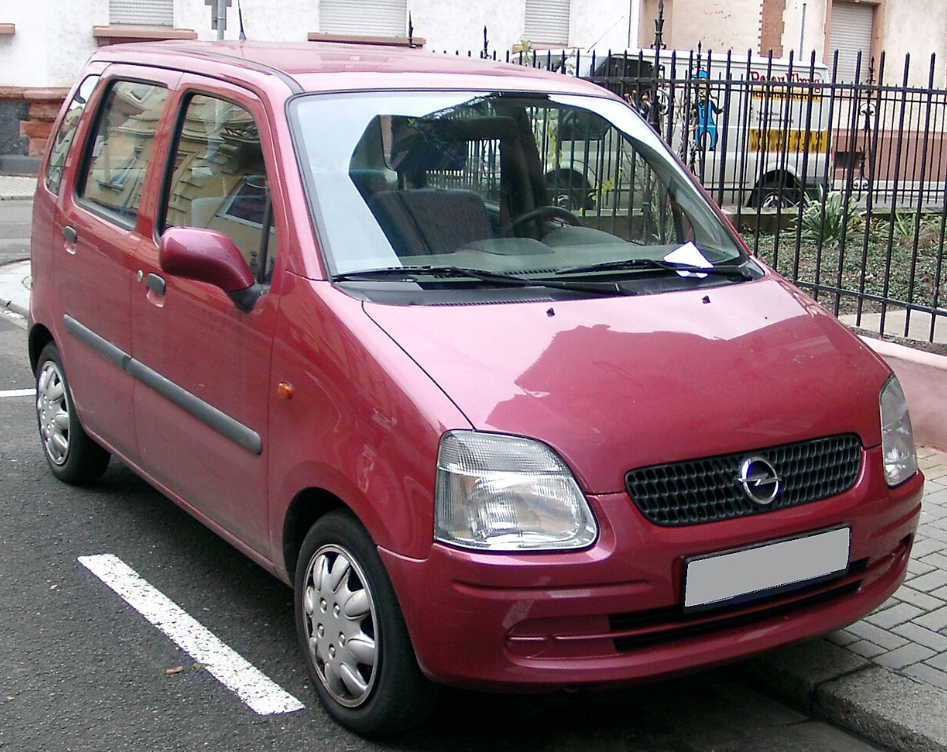
Maintaining the correct Vauxhall Agila tyre pressure is essential for safe driving, improved fuel efficiency, longer tyre life, and comfortable handling. Whether we drive an older Agila A or the newer Agila B, knowing the recommended tyre pressure helps us avoid unnecessary maintenance costs and improve everyday performance.
But what is the correct tyre pressure for a Vauxhall Agila?
For many Vauxhall Agila models manufactured between 2008 and 2014, the recommended front tyre pressure is approximately 33 PSI (2.3 bar). Rear tyre pressure generally ranges between 30 and 33 PSI (2.1–2.3 bar) under normal driving conditions, depending on tyre size and engine.
However, these figures are not universal. The correct pressure depends on the vehicle's generation, tyre dimensions, engine specification, and passenger or luggage load.
In this complete guide, we'll explain the recommended Vauxhall Agila tyre pressures, differences between generations, tyre pressure settings for various wheel sizes, full-load recommendations, and practical maintenance tips.
Content in this publication
- What Is the Correct Tyre Pressure for a Vauxhall Agila?
- Vauxhall Agila Tyre Pressure Chart by Model and Engine
- Vauxhall Agila A Tyre Pressure (2000–2007)
- Vauxhall Agila Tyre Pressure by Tyre Size
- Where to Find the Tyre Pressure Sticker on a Vauxhall Agila
- How to Check Vauxhall Agila Tyre Pressure
- How Often Should We Check Vauxhall Agila Tyre Pressure?
- Vauxhall Agila Tyre Pressure for a Full Load
- What Is the ECO Tyre Pressure for the Vauxhall Agila?
- Why Correct Vauxhall Agila Tyre Pressure Matters
- What Happens if Vauxhall Agila Tyre Pressure Is Too Low?
- What Happens if Vauxhall Agila Tyre Pressure Is Too High?
- Does Vauxhall Agila Tyre Pressure Change in Winter?
- Vauxhall Agila Spare Tyre Pressure
- How to Read Vauxhall Agila Tyre Size Numbers
- Common Vauxhall Agila Tyre Pressure Problems
- Can Incorrect Tyre Pressure Affect the Vauxhall Agila MOT?
- Vauxhall Agila Tyre Pressure Maintenance Tips
- Frequently Asked Questions About Vauxhall Agila Tyre Pressure
- Conclusion: What Is the Best Tyre Pressure for a Vauxhall Agila?
What Is the Correct Tyre Pressure for a Vauxhall Agila?
The recommended tyre pressure depends primarily on the vehicle's generation and engine.
The Vauxhall Agila was produced in two main generations:
- Vauxhall Agila A (2000–2007): The original compact city car, commonly equipped with 14-inch wheels.
- Vauxhall Agila B (2008–2014): The second-generation model, available with different petrol and diesel engines and 14-inch or 15-inch wheels.
For the second-generation petrol models, the recommended normal-load tyre pressures include:
| Tyre Size | Front Tyre Pressure | Rear Tyre Pressure |
|---|---|---|
| 165/70 R14 | 33 PSI (2.3 bar) | 33 PSI (2.3 bar) |
| 185/60 R15 | 33 PSI (2.3 bar) | 30 PSI (2.1 bar) |
These values generally apply to the 1.0 and 1.2 petrol versions with up to three occupants.
We should always verify the exact specifications using the tyre pressure label or owner's manual, particularly when dealing with older vehicles or alternative tyre sizes.
Vauxhall Agila Tyre Pressure Chart by Model and Engine
One of the easiest ways to identify the correct tyre pressure is to compare the vehicle's engine, tyre size, and loading conditions.
Vauxhall Agila B Petrol Tyre Pressure
The second-generation Vauxhall Agila was available with 1.0-litre and 1.2-litre petrol engines.
These models use different tyre pressure settings depending on tyre size and vehicle load.
| Tyre Size | Driving Conditions | Front | Rear |
|---|---|---|---|
| 165/70 R14 | Normal load | 33 PSI | 33 PSI |
| 165/70 R14 | Full load | 36 PSI | 41 PSI |
| 185/60 R15 | Normal load | 33 PSI | 30 PSI |
| 185/60 R15 | ECO setting | 41 PSI | 36 PSI |
| 185/60 R15 | Full load | 33 PSI | 38 PSI |
The ECO setting applies only to the specified configuration and should not be used as a general recommendation for every Agila.
For everyday driving with one or two passengers, the normal-load settings generally provide the intended balance between comfort, handling, and tyre wear.
Vauxhall Agila 1.3 CDTI Diesel Tyre Pressure
The 1.3 CDTI diesel engine has slightly different tyre pressure requirements.
Due to differences in vehicle specifications, the recommended front tyre pressure is higher than on equivalent petrol models.
| Tyre Size | Driving Conditions | Front | Rear |
|---|---|---|---|
| 165/70 R14 | Normal load | 36 PSI (2.5 bar) | 33 PSI (2.3 bar) |
| 165/70 R14 | Full load | 36 PSI (2.5 bar) | 41 PSI (2.8 bar) |
| 185/60 R15 | Normal load | 36 PSI (2.5 bar) | 30 PSI (2.1 bar) |
| 185/60 R15 | Full load | 36 PSI (2.5 bar) | 38 PSI (2.6 bar) |
These specifications correspond to certain early Agila B diesel configurations.
Before adjusting tyre pressure, we should confirm that our vehicle has the corresponding engine and tyre dimensions.
Vauxhall Agila A Tyre Pressure (2000–2007)
The first-generation Vauxhall Agila uses different tyre sizes and inflation specifications from the later model.
Common factory tyre sizes include:
- 155/65 R14
- 165/60 R14
Some earlier Agila A versions specify approximately 30 PSI (2.1 bar) at the front and 33 PSI (2.3 bar) at the rear.
However, later petrol versions equipped with Z10XEP and Z12XEP engines may use different recommended settings.
For certain later models, the specifications include:
| Driving Conditions | Front Pressure | Rear Pressure |
|---|---|---|
| Normal load | 33 PSI (2.3 bar) | 33 PSI (2.3 bar) |
| Full load | 35 PSI (2.4 bar) | 44 PSI (3.0 bar) |
The difference between earlier and later specifications is important.
We should never assume that every Vauxhall Agila manufactured between 2000 and 2007 requires identical tyre pressures.
Engine type, production year, tyre dimensions, and load ratings can all influence the manufacturer's recommendations.
Vauxhall Agila Tyre Pressure by Tyre Size
Understanding the tyre size is one of the most important steps when selecting the correct inflation pressure.
Vauxhall Agila 165/70 R14 Tyre Pressure
The 165/70 R14 tyre size is commonly associated with the second-generation Vauxhall Agila.
For petrol versions, the normal recommended pressure is:
- Front tyres: 33 PSI (2.3 bar)
- Rear tyres: 33 PSI (2.3 bar)
When the vehicle is fully loaded, the pressures increase to approximately 36 PSI at the front and 41 PSI at the rear.
For the 1.3 CDTI diesel version, the normal recommended front pressure is 36 PSI.
Vauxhall Agila 185/60 R15 Tyre Pressure
The 185/60 R15 tyre option has slightly different inflation requirements.
Under normal conditions, petrol versions typically use:
- Front tyres: 33 PSI (2.3 bar)
- Rear tyres: 30 PSI (2.1 bar)
When carrying a full load, certain petrol configurations require 33 PSI at the front and 38 PSI at the rear.
We should avoid using identical pressures on all four tyres unless the manufacturer specifically recommends this arrangement.
Vauxhall Agila 155/65 R14 Tyre Pressure
The 155/65 R14 tyre size is associated with the original Vauxhall Agila A.
Some later petrol configurations specify approximately 33 PSI at both the front and rear under normal driving conditions.
However, earlier production versions may use lower front tyre pressures.
Checking the appropriate owner's manual is especially important for vehicles manufactured before the mid-2000s.
Vauxhall Agila 165/60 R14 Tyre Pressure
The 165/60 R14 tyre size is another common option for the first-generation Agila.
Certain later petrol versions specify approximately 33 PSI at the front and rear during normal driving.
Nevertheless, we should verify the correct pressure using the vehicle's specifications rather than selecting a figure based only on tyre size.
The tyre's load index and the engine fitted to the vehicle also matter.
Where to Find the Tyre Pressure Sticker on a Vauxhall Agila
The easiest way to confirm the correct tyre pressure is to locate the manufacturer's tyre information label.
On the Vauxhall Agila B, this information is generally located on the driver's door pillar.
To find it, we can follow these steps:
- Open the driver's door.
- Examine the door pillar for the tyre pressure label.
- Identify the tyre dimensions fitted to the vehicle.
- Check the recommended front and rear pressures.
- Select the appropriate setting for normal or fully loaded driving.
The label may display tyre pressure in both PSI and bar.
If the sticker is missing or unreadable, we should consult the owner's manual for the relevant model year.
How to Check Vauxhall Agila Tyre Pressure
Checking tyre pressure is a simple maintenance task that we can perform at home or at most petrol stations.
Step 1: Allow the Tyres to Cool
Tyre pressures should be measured when the tyres are cold.
Ideally, we should check them before driving or after the vehicle has been parked for several hours.
Driving generates heat inside the tyres, which increases their internal pressure.
Measuring immediately after a long journey can produce readings above the recommended cold-pressure values.
Step 2: Use an Accurate Tyre Pressure Gauge
We can use several types of equipment, including:
- Digital tyre pressure gauges.
- Manual dial pressure gauges.
- Portable electric tyre inflators.
- Petrol station air compressors.
Digital gauges are particularly convenient because they often display measurements in both PSI and bar.
Before checking the tyres, we should make sure that the equipment is working correctly.
Step 3: Remove the Valve Cap
Locate the tyre valve and carefully unscrew its protective cap.
Keep the cap somewhere safe because it helps protect the valve from dirt and moisture.
Next, place the pressure gauge firmly onto the valve until we obtain a stable reading.
Step 4: Compare the Reading With the Recommended Pressure
Suppose our Agila B has 185/60 R15 tyres and a petrol engine.
The normal recommended pressures are:
- Front tyres: 33 PSI.
- Rear tyres: 30 PSI.
If a front tyre measures 28 PSI, we should inflate it to the recommended 33 PSI while cold.
If the pressure is higher than the recommended value and the tyre is genuinely cold, we can carefully release air until the correct setting is reached.
Step 5: Check All Four Tyres
Repeat the process for every wheel.
After checking the tyres, replace the valve caps securely.
If one tyre consistently loses pressure faster than the others, we should arrange an inspection to identify possible punctures, valve problems, or other damage.
How Often Should We Check Vauxhall Agila Tyre Pressure?
Vauxhall recommends checking cold tyre pressures at least every 14 days and before long journeys.
This includes checking the spare wheel when the vehicle has one.
A practical maintenance routine includes:
- Checking tyre pressure every two weeks.
- Checking before motorway journeys.
- Checking before carrying heavy luggage.
- Rechecking after significant temperature changes.
- Inspecting tyres for visible damage or unusual wear.
Regular checks are particularly important because tyres can gradually lose pressure without showing obvious visual signs.
A tyre that appears properly inflated may still be several PSI below its recommended pressure.
Vauxhall Agila Tyre Pressure for a Full Load
When carrying additional passengers or luggage, we may need to increase tyre pressure according to the manufacturer's full-load specifications.
This is because the tyres must support additional vehicle weight.
For example, a second-generation petrol Agila equipped with 165/70 R14 tyres uses:
| Loading Condition | Front | Rear |
|---|---|---|
| Up to three occupants | 33 PSI | 33 PSI |
| Full load | 36 PSI | 41 PSI |
The increase in rear pressure is significant because the rear axle supports more weight when the vehicle is heavily loaded.
When Should We Use Full-Load Tyre Pressure?
Full-load settings are intended for situations such as:
- Travelling with the maximum permitted number of passengers.
- Carrying substantial luggage.
- Transporting heavier items within the vehicle's permitted weight limits.
- Taking a holiday with a fully loaded boot.
However, we should not automatically use full-load pressures during everyday driving.
Higher inflation settings can produce a firmer ride when the vehicle is lightly loaded.
The best approach is to follow the manufacturer's recommendations for the actual loading conditions.
What Is the ECO Tyre Pressure for the Vauxhall Agila?
Some second-generation Agila configurations include an ECO tyre pressure setting designed to improve fuel efficiency.
For certain 1.0 and 1.2 petrol versions fitted with 185/60 R15 tyres, the specified ECO setting is:
| Tyre Position | ECO Pressure |
|---|---|
| Front tyres | 41 PSI (2.8 bar) |
| Rear tyres | 36 PSI (2.5 bar) |
These pressures apply to the manufacturer's designated ECO configuration for up to three occupants.
They should not be applied to unrelated tyre sizes or models.
Does Higher Tyre Pressure Improve Fuel Economy?
Correctly using an approved ECO setting can reduce rolling resistance.
Rolling resistance is the force a tyre must overcome as it rolls along the road.
When rolling resistance decreases, the engine may require slightly less energy to maintain a particular speed.
However, higher tyre pressures can also create disadvantages:
- Firmer ride quality.
- Reduced comfort over rough surfaces.
- Different steering and handling characteristics.
- Potentially uneven tyre wear if pressures exceed the appropriate settings.
We should therefore use only the ECO pressures specifically approved for our vehicle.
Why Correct Vauxhall Agila Tyre Pressure Matters
Tyre inflation affects more than fuel consumption. It influences several important aspects of everyday driving.
Better Road Safety
Correctly inflated tyres help maintain the intended contact between the tyre and road.
This supports predictable steering, braking, and cornering behaviour.
Underinflated tyres can flex excessively, generating additional heat and increasing the risk of tyre failure.
Improved Fuel Efficiency
When tyres are underinflated, rolling resistance generally increases.
The engine must work harder to move the vehicle, potentially increasing fuel consumption.
Although the difference may appear small on individual journeys, it can become more noticeable over thousands of miles.
Longer Tyre Life
Incorrect inflation can accelerate tyre wear.
Underinflation often contributes to wear around the outer shoulders, while excessive inflation can contribute to increased wear around the centre of the tread.
Maintaining the recommended pressures helps promote more even wear.
More Comfortable Driving
Appropriate tyre inflation also supports the suspension system.
Tyres that are too hard may transfer more road vibrations into the cabin, whereas severely underinflated tyres can make handling feel imprecise.
What Happens if Vauxhall Agila Tyre Pressure Is Too Low?
Driving with underinflated tyres can cause several problems.
Increased Fuel Consumption
Low tyre pressure increases tyre deformation as the wheel rotates.
This additional movement consumes energy, potentially increasing the amount of fuel required to drive a given distance.
Poor Steering Response
When tyre pressure becomes too low, steering may feel less precise.
The vehicle may respond more slowly to steering inputs, particularly during cornering or sudden manoeuvres.
Uneven Tyre Wear
Underinflation commonly causes additional wear around the tyre shoulders.
Over time, this may shorten tyre lifespan and require earlier replacement.
Greater Risk of Tyre Damage
A severely underinflated tyre generates more heat during driving.
This can damage its internal structure and potentially contribute to sudden tyre failure.
If a tyre is visibly flat or severely underinflated, we should avoid driving until it has been safely inspected and repaired.
What Happens if Vauxhall Agila Tyre Pressure Is Too High?
Overinflation can also create problems.
Tyres inflated beyond their appropriate recommended settings may become less comfortable and more vulnerable to certain types of road damage.
Possible consequences include:
- Harsh ride quality.
- Increased sensitivity to potholes.
- Uneven tread wear.
- Changes in road grip and handling.
- Reduced ability to absorb small road irregularities.
However, we should distinguish between excessive inflation and manufacturer-approved higher settings.
For example, 41 PSI may seem high compared with a typical comfort setting, but it is specifically listed for certain Agila configurations.
The important factor is whether the pressure matches the vehicle's approved specification.
Does Vauxhall Agila Tyre Pressure Change in Winter?
Tyre pressure naturally changes with temperature.
As the surrounding temperature decreases, the pressure inside a tyre generally falls.
As a rough guideline, tyre pressure may change by approximately 1 PSI for every 10°F (about 5.6°C) change in temperature.
This means a tyre inflated correctly during warmer weather may show a lower reading on a cold winter morning.
Should We Increase Tyre Pressure in Cold Weather?
We should maintain the manufacturer's recommended cold tyre pressure rather than automatically adding extra air beyond the specified value.
When temperatures fall, we can:
- Measure tyre pressure before driving.
- Compare the measurement with the recommended cold-pressure setting.
- Add air if the pressure is below the recommendation.
- Check the remaining tyres.
- Repeat the inspection regularly throughout winter.
The aim is to maintain the specified cold pressure, regardless of seasonal temperature changes.
Vauxhall Agila Spare Tyre Pressure
Spare tyre pressure deserves special attention because spare wheels may remain unused for long periods.
For certain second-generation Agila models, the specified temporary spare tyre pressure is:
| Spare Tyre Specification | Recommended Pressure |
|---|---|
| T125/70 R15 | 61 PSI (4.2 bar) |
This is substantially higher than the normal road-wheel pressures.
Temporary spare tyres are designed differently from standard tyres and must follow their specific inflation and operating restrictions.
If our Agila has a full-size spare wheel instead of a temporary spare, we should follow the vehicle's guidance for that wheel.
We should never assume that every spare tyre requires 61 PSI.
How to Read Vauxhall Agila Tyre Size Numbers
Understanding tyre sidewall markings helps us identify the correct tyre pressure specifications.
Let's use 185/60 R15 as an example.
| Marking | Meaning |
|---|---|
| 185 | Tyre width in millimetres |
| 60 | Sidewall height as a percentage of tyre width |
| R | Radial tyre construction |
| 15 | Wheel diameter in inches |
Additional markings identify the tyre's load index and speed rating.
These are important when choosing replacement tyres because the new tyres must meet the vehicle manufacturer's requirements.
We should avoid selecting replacement tyres solely on price or appearance without verifying compatibility.
Common Vauxhall Agila Tyre Pressure Problems
Even when we check tyre pressures regularly, certain issues can develop.
One Tyre Keeps Losing Air
If the same tyre repeatedly loses pressure, possible explanations include:
- A small puncture.
- A damaged tyre valve.
- Air leaking around the wheel rim.
- Corrosion around the bead-sealing surface.
- Physical damage to the tyre.
We should arrange a professional inspection rather than repeatedly inflating a tyre without investigating the cause.
Tyre Pressure Changes After Driving
A tyre may show a higher reading after driving because heat increases internal pressure.
This is normal.
We should not release air from hot tyres simply to match the recommended cold-pressure figure.
Instead, wait until the tyres have cooled before making the final adjustment.
The Car Pulls to One Side
Unequal tyre pressures can contribute to steering pull.
However, other potential causes include wheel alignment problems, uneven tyre wear, and suspension issues.
If correcting tyre pressure does not solve the problem, further mechanical inspection may be necessary.
The Tyres Wear Unevenly
Uneven wear can indicate incorrect pressure, but it can also result from wheel alignment or suspension problems.
We should examine the wear pattern and avoid assuming that tyre pressure is always the only cause.
Can Incorrect Tyre Pressure Affect the Vauxhall Agila MOT?
Tyre condition is an important part of the UK MOT inspection.
Although a conventional passenger car does not automatically fail its MOT simply because its tyres are a few PSI away from the recommended pressure, tyre defects and visibly unsafe inflation conditions can create problems.
Inspectors assess issues such as:
- Tyre damage.
- Tread depth.
- Tyre suitability.
- Visible structural defects.
- Other applicable tyre-related safety requirements.
We should check tyre inflation and overall condition before the test.
Correctly inflated tyres also make it easier to inspect the tread and identify unusual wear.
Vauxhall Agila Tyre Pressure Maintenance Tips
To keep our Vauxhall Agila in good condition, we recommend combining tyre pressure checks with a broader maintenance routine.
Check Tyres When Cold
Cold measurements provide the most reliable comparison with the manufacturer's recommended pressure.
Checking before our first journey of the day is usually the most convenient approach.
Use the Correct Pressure for Vehicle Load
We should adjust tyre pressures according to passenger numbers and luggage weight whenever the manufacturer specifies different settings.
Inspect Tyre Tread Regularly
Tyre pressure is only one aspect of tyre maintenance.
We should also monitor tread depth and inspect for cuts, bulges, cracking, and uneven wear.
Check Tyre Valves
Damaged valves can allow air to escape gradually.
If a tyre repeatedly loses pressure without an obvious puncture, the valve should be inspected.
Prepare for Long Journeys
Before a long motorway trip, we should check the pressure of all four tyres and inspect the spare wheel if fitted.
Monitor Seasonal Changes
Temperature changes can affect inflation pressure.
Regular checks during colder months help us maintain the correct settings.
Avoid Overloading the Vehicle
Even properly inflated tyres have load limits.
We should never exceed the vehicle's maximum permitted weight or the tyres' load-carrying capabilities.
Frequently Asked Questions About Vauxhall Agila Tyre Pressure
1. What PSI should Vauxhall Agila tyres be?
For many second-generation petrol Vauxhall Agila models with 165/70 R14 tyres, the normal recommended pressure is 33 PSI at both the front and rear. Models using 185/60 R15 tyres typically require 33 PSI at the front and 30 PSI at the rear under normal conditions. Other versions may need different settings.
2. What is the Vauxhall Agila tyre pressure in bar?
For common Agila B petrol configurations, recommended normal pressures include 2.3 bar at the front and either 2.1 or 2.3 bar at the rear, depending on tyre size. We should check the manufacturer's label for the exact specification.
3. Is 35 PSI too high for a Vauxhall Agila?
Not necessarily. Whether 35 PSI is appropriate depends on the tyre size, engine, and loading conditions. Some Agila models require more than 35 PSI under full-load conditions. We should follow the specified pressure rather than relying on a general figure.
4. Should Vauxhall Agila front and rear tyres have the same pressure?
Not always. Some models use identical front and rear pressures, while others require different settings. For example, an Agila B petrol model with 185/60 R15 tyres uses 33 PSI at the front and 30 PSI at the rear for normal driving.
5. How often should I inflate my Vauxhall Agila tyres?
We should check tyre pressure at least every two weeks and add air whenever measurements fall below the recommended cold-pressure values. Checking before longer journeys is also important. We do not need to add air if the pressure is already correct.
Conclusion: What Is the Best Tyre Pressure for a Vauxhall Agila?
Choosing the correct Vauxhall Agila tyre pressure is one of the easiest ways to improve safety, fuel efficiency, and tyre longevity.
For many second-generation petrol models, 33 PSI at the front and 30–33 PSI at the rear is appropriate for normal driving. However, the correct figures can vary significantly for diesel engines, earlier Agila A models, alternative tyre sizes, and fully loaded vehicles.
We should always use the manufacturer's tyre pressure label or the appropriate owner's manual as our final reference.
By checking tyre pressure regularly, adjusting it for the vehicle's load, and inspecting the tyres for damage or uneven wear, we can keep our Vauxhall Agila safer, more economical, and more comfortable to drive.
If you want to know other articles similar to Vauxhall Agila Tyre Pressure: Complete PSI and Bar Guide you can visit the category Service and Parts.
Kia Sorento Windscreen Replacement Cost: Complete 2026 Price Guide
Kia Sorento Tyre Pressure Reset: Complete TPMS Guide
Kia Sorento Hybrid Towing Capacity: Complete Guide
Kia Sorento Engine Size: Complete Guide to All Engines
Kia Sorento Service Cost: Complete 2026 Maintenance Guide
Kia Sorento Key Fob Battery Replacement: Complete DIY Guide
Leave a Reply
More content of your interest