
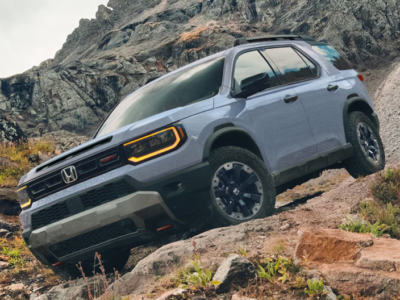
Honda Passport or Pilot: Which SUV Is Better?

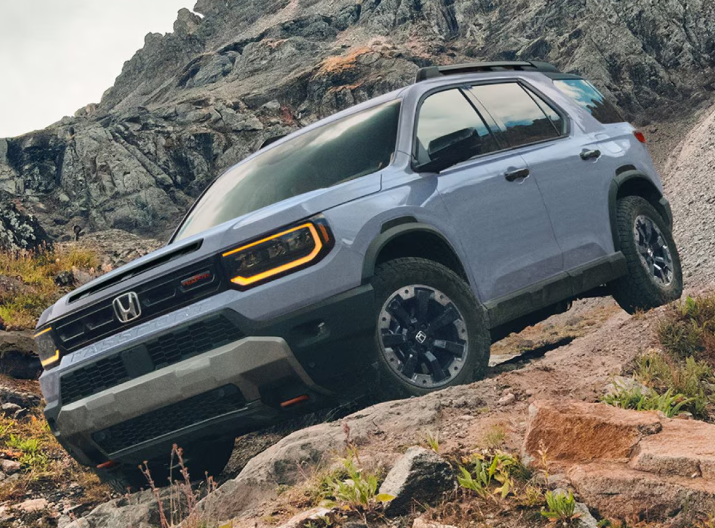
Choosing between the Honda Passport or Pilot can be difficult because both SUVs offer impressive performance, comfortable interiors, advanced safety features, and the reliability reputation associated with Honda.
However, despite sharing several mechanical components, these two vehicles are designed for different lifestyles.
The Honda Passport is a rugged, two-row midsize SUV that emphasizes adventure, cargo flexibility, and all-wheel-drive capability. Meanwhile, the Honda Pilot is a larger, three-row SUV designed for families who need additional seating without sacrificing comfort or performance.
So, should we buy the Honda Passport or Honda Pilot?
The answer depends on how many passengers we regularly transport, where we drive, and how much interior space we actually need.
In this comprehensive Honda Passport vs Pilot comparison, we'll examine their engines, fuel economy, dimensions, interior comfort, cargo capacity, towing capabilities, off-road performance, reliability, maintenance costs, and overall value.
By the end, we'll have a clearer understanding of which Honda SUV is the better choice for our driving needs.
Content in this publication
- Honda Passport vs Pilot: Quick Comparison
- What Is the Main Difference Between the Honda Passport and Pilot?
- Honda Passport vs Pilot Exterior Design
- Honda Passport vs Pilot Dimensions
- Honda Passport vs Pilot Interior Space
- Honda Passport or Pilot: Which Has More Cargo Space?
- Honda Passport vs Pilot Engine and Performance
- Honda Passport vs Pilot Driving Experience
- Honda Passport vs Pilot Off-Road Capability
- Honda Passport vs Pilot Towing Capacity
- Honda Passport vs Pilot Fuel Economy
- Honda Passport vs Pilot Ride Comfort
- Honda Passport vs Pilot Technology
- Honda Passport vs Pilot Safety
- Honda Passport vs Pilot Reliability
- Honda Passport vs Pilot Maintenance Costs
- Honda Passport vs Pilot Price
- Honda Passport or Pilot for Families?
- Honda Passport or Pilot for Daily Driving?
- Honda Passport or Pilot for Snow?
- Honda Passport or Pilot for Camping?
- Honda Passport TrailSport vs Pilot TrailSport
- Honda Passport vs Pilot: Pros and Cons
- Honda Passport or Pilot: Which One Should You Buy?
- Honda Passport vs Pilot: Overall Comparison
- Frequently Asked Questions
- Conclusion: Honda Passport or Pilot?
Honda Passport vs Pilot: Quick Comparison
Before exploring the differences in detail, let's compare the main specifications of the 2026 Honda Passport and Honda Pilot.
| Specification | Honda Passport | Honda Pilot |
|---|---|---|
| SUV category | Two-row midsize SUV | Three-row midsize SUV |
| Seating capacity | 5 passengers | 7–8 passengers |
| Engine | 3.5L V6 | 3.5L V6 |
| Horsepower | 285 hp | 285 hp |
| Torque | 262 lb-ft | 262 lb-ft |
| Transmission | 10-speed automatic | 10-speed automatic |
| Drivetrain | Standard AWD | FWD or AWD |
| Maximum towing capacity | 5,000 lbs | 5,000 lbs with AWD |
| Length | 191.5 inches | 200.1–200.4 inches |
| Ground clearance | 8.3 inches | 7.3–8.3 inches |
| Starting MSRP | $44,950 | $42,395 |
| Main advantage | Adventure capability | Family versatility |
Specifications and starting prices refer to 2026 U.S. models. Prices exclude destination fees, taxes, optional equipment, and dealer charges.
Our initial verdict: The Honda Passport is generally the better choice for couples, smaller families, and outdoor enthusiasts. The Honda Pilot makes more sense for larger families or anyone who regularly needs a third row.
Interestingly, the Pilot can have a lower starting price despite offering more passenger capacity.
This makes the comparison particularly interesting for buyers seeking the best combination of practicality and value.
What Is the Main Difference Between the Honda Passport and Pilot?
The most important difference between the Honda Passport and Pilot is their seating configuration.
The Passport has two rows and accommodates five passengers. It prioritizes interior comfort, cargo space, and outdoor capability.
The Pilot offers three rows with seating for seven or eight passengers, depending on the configuration.
Although both vehicles belong to the midsize SUV category, the Pilot is longer to accommodate its additional seats.
The Passport also comes standard with all-wheel drive, while the Pilot offers front-wheel-drive and all-wheel-drive configurations.
Both SUVs use a 3.5-liter V6 engine producing 285 horsepower, so engine performance is relatively similar.
The Passport's rugged design makes it especially appealing to outdoor enthusiasts, whereas the Pilot emphasizes family transportation and passenger flexibility.
Ultimately, the biggest question isn't which SUV has the most horsepower. It's whether we need five seats or the flexibility of a third row.
Honda Passport vs Pilot Exterior Design
Exterior styling is one of the first noticeable differences between these Honda SUVs.
Honda Passport Exterior Design
The redesigned Honda Passport features a bold, rugged appearance.
Its upright front end, prominent grille, muscular wheel arches, and boxy proportions give it a distinctive adventure-oriented personality.
Compared with previous generations, the newer Passport adopts a more traditional SUV appearance.
The relatively short body also contributes to its practical character.
At approximately 191.5 inches long, the Passport is substantial without being as lengthy as the Pilot.
Its styling is particularly attractive to drivers who prefer a rugged SUV over a conventional family crossover.
Honda Pilot Exterior Design
The Honda Pilot has a more elongated appearance that reflects its three-row interior.
Its front end is similarly bold, but the longer roofline and extended rear section make it look larger.
The Pilot's design emphasizes functionality and family practicality while maintaining a modern appearance.
The TrailSport version introduces additional rugged styling elements, including distinctive wheels, all-terrain tires, and exterior details intended to emphasize outdoor capability.
Which SUV Looks Better?
Design is subjective, but we prefer the Passport for its rugged proportions and more adventurous personality.
The Pilot is an excellent option for buyers who prefer a larger, more traditional three-row SUV.
Design winner: Honda Passport.
Honda Passport vs Pilot Dimensions
Dimensions matter when choosing an SUV, especially for drivers who regularly navigate parking garages, narrow streets, or crowded urban areas.
Here is how the two models compare.
| Dimension | Honda Passport | Honda Pilot |
|---|---|---|
| Length | 191.5 inches | 200.1–200.4 inches |
| Width | 79.4 inches | 78.5 inches |
| Height | 73.1 inches | 70.9–72.0 inches |
| Wheelbase | 113.6 inches | 113.8 inches |
| Ground clearance | 8.3 inches | 7.3–8.3 inches |
| Seating rows | 2 | 3 |
The Pilot is approximately nine inches longer than the Passport.
However, the Passport is slightly wider and taller.
This is an interesting difference because the Passport can look more substantial despite having a shorter overall length.
The Pilot's additional length helps accommodate its third row and provides greater flexibility for transporting passengers.
For city driving, the Passport's shorter body may be easier to manage in certain parking spaces.
However, neither SUV is particularly small, so both require some attention when maneuvering in tight areas.
Honda Passport vs Pilot Interior Space
Interior space is one of the most important factors when choosing between the Honda Passport or Pilot.
Both vehicles provide comfortable front seats, spacious cabins, and practical storage solutions.
However, their seating arrangements serve different purposes.
Honda Passport Interior
The Passport accommodates five passengers across two rows.
Its interior emphasizes generous legroom, accessible controls, and a large cargo compartment.
The second row provides approximately 40.9 inches of legroom, making it comfortable for many taller passengers.
Because the Passport doesn't include a third row, the rear portion of the cabin can prioritize luggage and recreational equipment.
This configuration works particularly well for couples, families with one or two children, and drivers who rarely transport more than four passengers.
Honda Pilot Interior
The Pilot accommodates seven or eight passengers, depending on the trim and seating configuration.
Its second row offers approximately 40.8 inches of legroom, while the third row provides around 32.5 inches.
Although the third row can accommodate adults on shorter journeys, children and teenagers may find it more comfortable during extended trips.
Certain configurations also offer a removable second-row center seat, allowing greater flexibility between seating arrangements.
This makes the Pilot particularly useful for families who regularly transport several children or additional relatives.
Which Honda SUV Has More Passenger Space?
The Pilot wins because it offers a third row without significantly compromising second-row legroom.
However, the Passport still provides excellent comfort for five occupants.
Interior space winner: Honda Pilot.
Honda Passport or Pilot: Which Has More Cargo Space?
Cargo capacity is another important difference between these SUVs.
The Honda Passport offers approximately 44 cubic feet of cargo space behind its second row, depending on the measurement used.
Folding the rear seats creates a much larger loading area for equipment, furniture, luggage, or recreational gear.
Honda advertises up to approximately 104.6 cubic feet using its maximum cargo-volume measurement.
The Pilot offers approximately 18.6 cubic feet behind its third row under its standard measurement.
Folding the third row expands usable cargo space to approximately 48.5 cubic feet.
With both rear seating rows folded, the Pilot provides approximately 87 cubic feet under the standard measurement, with a higher maximum-volume figure depending on configuration.
Because cargo measurements can use different standards, it's important to compare figures calculated under equivalent conditions.
Honda Passport Cargo Advantages
The Passport's biggest advantage is having a large cargo area available while all five passenger seats remain usable.
We can carry camping equipment, golf bags, suitcases, groceries, or sports gear without rearranging the interior.
For outdoor enthusiasts, this is particularly convenient.
Honda Pilot Cargo Advantages
The Pilot offers greater versatility.
We can transport seven or eight people, fold the third row when additional luggage space is required, or fold both rear rows to carry larger objects.
However, when all three rows are occupied, cargo space becomes considerably more limited.
Families traveling with seven passengers may need a roof cargo box for additional luggage.
Cargo winner: Passport for everyday five-passenger cargo practicality; Pilot for flexible seating and cargo arrangements.
Honda Passport vs Pilot Engine and Performance
Both SUVs share similar engine specifications.
The 2026 Honda Passport and Pilot use a naturally aspirated 3.5-liter V6 engine.
This engine produces:
- 285 horsepower
- 262 lb-ft of torque
- Power delivered through a 10-speed automatic transmission
Unlike some competing SUVs that use smaller turbocharged engines, Honda continues to offer naturally aspirated V6 power in these models.
Honda Passport Performance
The Passport delivers smooth acceleration and strong highway performance.
Its V6 engine provides enough power for overtaking, merging onto highways, and traveling with passengers and luggage.
The 10-speed automatic transmission helps balance acceleration and fuel efficiency.
Standard all-wheel drive also contributes to confident traction on slippery roads.
Although the Passport isn't a sports SUV, its performance is more than adequate for everyday driving.
Honda Pilot Performance
The Pilot offers similarly strong engine performance.
Despite being a larger vehicle, it benefits from the same 285-horsepower V6.
Its transmission provides smooth operation during normal driving and highway cruising.
The Pilot's additional body length doesn't dramatically change its acceleration.
However, differences in curb weight, drivetrain configuration, and tires can affect performance.
Which Is Faster: Honda Passport or Pilot?
The Passport may have a small acceleration advantage in certain configurations, but the difference isn't substantial.
Independent testing has recorded approximately 6.8 seconds from 0 to 60 mph for a Passport RTL and around 7.1 seconds for a Pilot Elite.
These figures come from different configurations and should not be interpreted as a perfectly controlled comparison.
For most drivers, acceleration differences are unlikely to determine which SUV is better.
Performance winner: Tie.
Honda Passport vs Pilot Driving Experience
Although both SUVs use similar engines, their driving characteristics aren't identical.
The Passport feels slightly more maneuverable because of its shorter body.
Its steering, suspension, and overall proportions make it appealing to drivers who enjoy winding roads and occasional outdoor adventures.
The Pilot emphasizes stable, comfortable transportation.
Its larger cabin and family-oriented configuration make it well suited to longer highway journeys.
Both SUVs use unibody construction rather than traditional body-on-frame architecture.
This generally contributes to a more comfortable, car-like driving experience compared with many traditional off-road vehicles.
Which Is Easier to Drive?
The Passport has an advantage in certain urban situations because it's shorter.
The Pilot's additional length can make parking and maneuvering slightly more challenging.
However, both offer a commanding driving position, modern assistance features, and predictable handling.
For daily commuting with relatively few passengers, we would lean toward the Passport.
You may be interested in reading Honda Passport vs Ford Explorer: Which SUV Is Better?
For family road trips, the Pilot's added interior flexibility becomes more valuable.
Honda Passport vs Pilot Off-Road Capability
Off-road performance is one of the most interesting areas of this comparison.
Both SUVs offer adventure-oriented TrailSport configurations, but the Passport is more directly focused on outdoor exploration.
Honda Passport Off-Road Capability
The Passport comes standard with Honda's intelligent all-wheel-drive system.
This helps distribute torque between the wheels according to driving conditions.
TrailSport models add features intended to improve performance away from paved roads.
Depending on the model year and configuration, these include:
- All-terrain tires
- Underbody protection
- Off-road-tuned suspension
- Multiple driving modes
- Advanced traction management
- Trail-oriented camera technology
The Passport's shorter body also contributes to favorable approach and departure geometry.
This can be advantageous when navigating uneven trails or steep terrain.
Honda Pilot Off-Road Capability
The Pilot TrailSport also offers genuine improvements for outdoor driving.
Its equipment includes all-terrain tires, enhanced suspension tuning, underbody protection, and an advanced AWD system.
The 2026 Pilot TrailSport offers approximately 8.3 inches of ground clearance, matching the 2026 Passport.
However, its longer body creates less favorable approach and departure angles in certain situations.
The Pilot is capable of handling many gravel roads, campsites, and moderately difficult outdoor routes.
Nevertheless, its three-row design means it prioritizes passenger transportation alongside adventure capability.
Passport TrailSport vs Pilot TrailSport
If we're planning frequent trips to remote campsites, forest roads, or uneven terrain, the Passport TrailSport is generally the more appropriate choice.
If we want off-road capability while transporting a larger family, the Pilot TrailSport offers an attractive compromise.
Neither vehicle is intended to replace a purpose-built rock crawler.
Off-road winner: Honda Passport.
Honda Passport vs Pilot Towing Capacity
Towing capacity is another area where these two Honda SUVs are closely matched.
The Passport can tow up to 5,000 pounds when properly equipped.
The Pilot also offers a maximum towing capacity of 5,000 pounds in appropriate AWD configurations.
Front-wheel-drive Pilot models are generally rated for up to 3,500 pounds.
What Can These SUVs Tow?
Depending on trailer weight and configuration, the available towing capacity may be suitable for:
- Small recreational boats
- Utility trailers
- Lightweight camping trailers
- Certain small travel trailers
- Motorcycle trailers
However, towing capacity isn't determined only by the trailer's empty weight.
We also need to consider passengers, luggage, accessories, tongue weight, and the vehicle's maximum permitted load.
A trailer weighing less than 5,000 pounds may still require careful evaluation of the SUV's equipment and load limits.
For frequent towing, we should consult the owner's manual and confirm the specifications of the exact vehicle.
Towing winner: Tie between appropriately equipped AWD models.
Honda Passport vs Pilot Fuel Economy
Fuel efficiency is especially relevant because both vehicles use relatively large V6 engines.
Neither SUV is available with a conventional hybrid powertrain in the 2026 U.S. lineup.
However, their fuel economy is reasonably competitive for V6-powered midsize SUVs.
Honda Passport vs Pilot MPG
| Model | City MPG | Highway MPG | Combined MPG |
|---|---|---|---|
| Passport RTL AWD | 19 | 25 | 21 |
| Passport TrailSport AWD | 18 | 23 | 20 |
| Pilot FWD | 19 | 27 | 22 |
| Pilot AWD (non-TrailSport) | 19 | 25 | 21 |
| Pilot TrailSport AWD | 18 | 23 | 20 |
These figures represent EPA estimates for the 2026 U.S. models.
Does the Passport Get Better Gas Mileage?
Not necessarily.
The front-wheel-drive Pilot offers slightly better fuel economy than the Passport RTL.
However, comparable AWD versions deliver nearly identical results.
TrailSport configurations are also closely matched.
Their all-terrain tires and adventure-focused equipment can contribute to lower fuel efficiency compared with standard configurations.
Which SUV Costs Less in Gas?
For buyers choosing between AWD models, the difference in gasoline expenses may be minimal.
Driving habits, traffic conditions, weather, and annual mileage will have a greater influence on fuel costs.
Both models may consume considerably more fuel than smaller hybrid SUVs.
Fuel economy winner: Honda Pilot FWD, with AWD versions essentially tied.
Honda Passport vs Pilot Ride Comfort
Comfort is a major strength of both Honda SUVs.
The Passport offers supportive seating, a spacious cabin, and a suspension designed to balance everyday comfort with confident handling.
Its rear seating area provides enough room for adults, while the large cargo compartment helps accommodate luggage without compromising passenger space.
The Pilot is equally focused on comfort but adds more seating options.
Its larger cabin can make family trips easier, particularly when children need additional room.
Both vehicles feature noise-reduction measures to help create a quieter driving environment.
Which Is Better for Long Road Trips?
For two to five passengers, the Passport is an excellent highway companion.
Its large cargo area makes packing easier, and passengers enjoy generous legroom.
The Pilot becomes more useful when six or more people are traveling.
Its third row can eliminate the need for a second vehicle.
However, when every seat is occupied, we should consider the reduced space available for luggage.
Comfort winner: Pilot for large families; Passport for smaller groups.
Honda Passport vs Pilot Technology
Both SUVs provide modern infotainment and connectivity technology.
The 2026 models offer a 12.3-inch central touchscreen, Google built-in features, and smartphone connectivity.
Wireless Apple CarPlay and Android Auto allow compatible smartphones to connect without cables.
Honda Passport Technology Features
Depending on the trim, the Passport offers:
- 12.3-inch touchscreen
- Google built-in
- Wireless Apple CarPlay
- Wireless Android Auto
- Wireless smartphone charging
- Premium Bose audio system
- Digital instrument display
- TrailWatch camera assistance
Its interior emphasizes convenient controls and technology that supports both highway driving and outdoor adventures.
Honda Pilot Technology Features
The Pilot offers many of the same technology features.
Depending on the configuration, additional equipment may include CabinTalk, premium audio, a head-up display, and advanced camera systems.
CabinTalk is particularly useful for families because it helps front-seat occupants communicate with passengers sitting farther back.
The Pilot also provides additional convenience features designed around its larger cabin.
Which SUV Has Better Technology?
Neither has a decisive advantage.
The Passport offers useful adventure-related features, while the Pilot provides technology better suited to families.
We recommend comparing specific trims rather than assuming that one model includes every available feature.
Technology winner: Tie.
Honda Passport vs Pilot Safety
Safety is an important consideration when purchasing either SUV.
Both models offer Honda Sensing, a collection of driver-assistance technologies designed to help drivers identify certain hazards and maintain safer driving behavior.
Depending on the configuration, available features include:
- Collision Mitigation Braking System
- Adaptive cruise control
- Lane Keeping Assist System
- Road Departure Mitigation
- Blind-spot monitoring
- Rear cross-traffic alert
- Traffic sign recognition
These technologies can provide assistance, but they don't replace the driver's responsibility to remain attentive.
Is the Passport Safer Than the Pilot?
We shouldn't assume that the larger Pilot automatically provides better crash protection.
Safety depends on several factors, including vehicle structure, safety equipment, crash circumstances, and occupant restraint systems.
Both SUVs are designed with modern Honda safety engineering.
For a precise comparison, buyers should review independent crash-test ratings for the specific model year and trim.
Families should also evaluate child-seat installation, rear-seat access, and seating configurations.
The Pilot's additional row provides flexibility for transporting several children.
Safety winner: No clear overall winner without comparing specific test results.
Honda Passport vs Pilot Reliability
Reliability is one of the most important considerations when choosing between these vehicles.
Honda has a long history of producing durable engines and practical SUVs.
However, that reputation doesn't guarantee that every Passport or Pilot will be problem-free.
Is the Honda Passport Reliable?
The Honda Passport uses a naturally aspirated V6 engine and a 10-speed automatic transmission.
These components offer strong everyday performance.
However, the redesigned 2026 Passport introduced significant changes compared with previous versions.
As a result, long-term reliability data for this generation remains limited.
Potential buyers should pay attention to routine maintenance, transmission operation, software updates, and any applicable recalls.
Is the Honda Pilot Reliable?
The Pilot also uses a naturally aspirated 3.5-liter V6 and 10-speed automatic transmission.
The current-generation Pilot has been available longer than the redesigned Passport, providing more real-world ownership experience.
Nevertheless, reliability can vary according to model year, maintenance history, driving conditions, and manufacturing changes.
No vehicle should be considered completely immune to mechanical or electronic issues.
Which Lasts Longer: Passport or Pilot?
Both have the potential to provide many years of service when properly maintained.
However, there isn't enough reliable long-term evidence to guarantee that one will outlast the other.
Driving habits and maintenance quality will influence durability.
Frequent towing, aggressive driving, poor road conditions, and delayed servicing can accelerate wear.
Reliability winner: Too close to call.
Honda Passport vs Pilot Maintenance Costs
Maintenance expenses should be broadly comparable because both SUVs share several major mechanical components.
Routine services include oil and filter changes, tire rotations, brake inspections, fluid checks, and replacement of wear items.
The 3.5-liter V6 engines have similar general maintenance needs.
However, exact service costs depend on location, dealership pricing, labor rates, and replacement parts.
Does the Passport Cost More to Maintain?
Not necessarily.
The Passport includes AWD as standard equipment, while the Pilot is available with front-wheel drive.
AWD vehicles have additional drivetrain components that may require servicing.
Nevertheless, an AWD Pilot has comparable drivetrain maintenance considerations.
TrailSport versions may also generate additional tire-related expenses because of their specialized equipment.
You may be interested in readingHonda Passport vs Ford Explorer: Which SUV Is Better?You may be interested in reading
Honda Passport vs Ford Bronco: Which SUV Is Better?Drivers who frequently travel off-road may experience faster wear on tires, brakes, and suspension components.
Which Honda SUV Is Cheaper to Own?
The total cost of ownership depends on more than maintenance.
We also need to consider:
- Purchase price
- Insurance premiums
- Fuel expenses
- Registration and taxes
- Tires and brakes
- Depreciation
- Financing costs
The Pilot's lower starting price may appeal to budget-conscious buyers, but insurance and equipment differences can change the total cost.
For buyers comparing similarly equipped AWD trims, long-term ownership expenses may be relatively close.
Honda Passport vs Pilot Price
The starting price comparison produces a surprising result.
The 2026 Honda Passport starts at approximately $44,950 MSRP.
The 2026 Honda Pilot starts at approximately $42,395 MSRP.
That makes the entry-level Pilot about $2,555 less expensive.
These prices exclude destination charges, optional equipment, taxes, and dealer fees.
Why Is the Passport More Expensive?
One important reason is standard all-wheel drive.
The Passport includes AWD across its lineup, while the least expensive Pilot configurations use front-wheel drive.
The Passport also emphasizes rugged equipment and adventure-oriented styling.
However, comparing base prices alone doesn't provide the full picture.
When choosing equivalent AWD configurations with similar convenience features, the pricing difference may change.
Is the Passport Worth the Extra Money?
We believe the Passport is worth considering if its standard AWD, rugged design, and two-row cargo configuration match our lifestyle.
However, the Pilot provides excellent value for buyers who prioritize passenger capacity.
If we need three rows, paying for a Passport simply because it looks more adventurous would not make much practical sense.
Value winner: Honda Pilot for passenger capacity; Passport for adventure-oriented buyers.
Honda Passport or Pilot for Families?
Family size is one of the easiest ways to make this decision.
The Passport is a practical choice for couples and families with one or two children.
Its generous rear-seat legroom and large cargo area make everyday activities convenient.
There is plenty of room for groceries, luggage, backpacks, sports equipment, and other family essentials.
However, the Pilot becomes more attractive as passenger requirements increase.
Families with three or more children may appreciate the third row, particularly when installing multiple child seats.
The Pilot is also useful for transporting grandparents, friends, or other relatives.
Is the Honda Passport Big Enough for a Family of Four?
Absolutely.
For a family of four, the Passport provides generous passenger space and an excellent cargo compartment.
Unless we regularly transport additional people, the Pilot's third row may remain unused.
Is the Honda Pilot Better for a Growing Family?
Generally, yes.
Its flexible seating arrangements provide additional capacity as transportation needs change.
A family that currently needs only five seats may appreciate the extra row several years later.
Family winner: Honda Pilot.
Honda Passport or Pilot for Daily Driving?
Both vehicles are suitable for everyday transportation.
The Passport's shorter body can make driving through crowded streets and parking in certain spaces easier.
Its standard AWD also provides additional traction when accelerating on slippery surfaces.
The Pilot offers a comfortable driving position and excellent visibility for a large family SUV.
However, its greater length may make tight parking situations slightly more challenging.
Which Is Better for City Driving?
We would generally choose the Passport for city driving if we don't need extra seats.
Its shorter dimensions offer a practical advantage.
However, the Pilot's technology and driver-assistance features can also make everyday driving manageable.
For drivers who prioritize fuel efficiency above passenger capacity, a smaller SUV or hybrid may be worth considering.
Honda Passport or Pilot for Snow?
Both vehicles can perform well in winter conditions when properly equipped.
The Passport's standard AWD is particularly appealing in regions with frequent snowfall.
The Pilot also offers advanced AWD technology on applicable trims.
These systems can improve traction during acceleration on slippery surfaces.
However, winter tires remain essential for maximizing braking and cornering grip.
AWD doesn't eliminate the risks associated with icy roads or reduce stopping distances simply because all four wheels can receive engine power.
Is the Passport Better in Snow?
Compared with a front-wheel-drive Pilot, the Passport's standard AWD may provide an advantage during acceleration on slippery surfaces.
However, when comparing AWD versions, the difference becomes much smaller.
Tire choice, driving technique, and road conditions are extremely important.
Snow driving winner: Tie between AWD models with suitable tires.
Honda Passport or Pilot for Camping?
Camping is an activity where the Passport's characteristics become especially appealing.
Its large cargo compartment can accommodate tents, folding chairs, coolers, sleeping bags, and outdoor equipment.
Its rugged design and AWD capability are also useful when accessing many campsites.
The Pilot is attractive for larger camping groups.
Its third row allows more passengers to travel together.
However, carrying seven or eight people significantly reduces the luggage space available.
Which SUV Is Better for Outdoor Adventures?
For couples, solo travelers, and smaller families, the Passport is our preferred choice.
Its balance of cargo space, rugged equipment, and maneuverability makes it particularly practical.
For larger families who occasionally visit campgrounds, the Pilot offers a better compromise between passenger capacity and adventure capability.
Honda Passport TrailSport vs Pilot TrailSport
TrailSport versions deserve special attention because they are designed for drivers who enjoy outdoor activities.
Honda Passport TrailSport
The Passport TrailSport emphasizes off-road performance.
Its equipment includes adventure-oriented tires, protective components, specialized suspension tuning, and advanced AWD technology.
Its shorter overhangs also help when navigating uneven terrain.
This combination makes it appealing to drivers who regularly visit remote campsites or explore unpaved roads.
Honda Pilot TrailSport
The Pilot TrailSport combines rugged equipment with three-row practicality.
Its all-terrain tires, AWD system, and suspension improvements allow it to handle many outdoor conditions.
However, the longer body may limit maneuverability on certain difficult trails.
Which TrailSport Should We Choose?
The Passport TrailSport is generally better for drivers who prioritize off-road capability and rarely need more than five seats.
The Pilot TrailSport is better for families who want to explore outdoors while preserving seven-passenger capacity.
Both remain versatile SUVs rather than specialized extreme off-road vehicles.
Honda Passport vs Pilot: Pros and Cons
Honda Passport Pros
- Rugged and distinctive exterior design
- Standard all-wheel drive
- Generous two-row cargo space
- Strong V6 engine
- Comfortable seating for five
- More manageable overall length
- Favorable off-road geometry
- Adventure-oriented TrailSport configurations
Honda Passport Cons
- No third-row seating
- Higher entry-level price
- Fuel economy similar to the larger Pilot
- Limited long-term data for the redesigned generation
- Fewer seating configurations
Honda Pilot Pros
- Seating for seven or eight passengers
- Spacious and comfortable interior
- Flexible seating arrangements
- Strong V6 performance
- Lower starting MSRP
- Available all-wheel drive
- Family-oriented technology
- Useful towing capacity
Honda Pilot Cons
- Longer body makes some parking situations harder
- Less cargo room with all three rows occupied
- Third-row comfort can be limited for taller adults
- Fuel efficiency is modest compared with hybrid alternatives
- Less favorable off-road geometry than the Passport
Honda Passport or Pilot: Which One Should You Buy?
The best choice depends on our daily driving requirements.
Choose the Honda Passport if:
- We rarely need more than five seats.
- We enjoy camping, hiking, and outdoor adventures.
- We prefer a rugged SUV appearance.
- We want standard AWD.
- We prioritize a large cargo area behind the second row.
- We want a slightly shorter SUV.
Choose the Honda Pilot if:
- We regularly transport six or more passengers.
- We have a growing family.
- We want three rows of seating.
- We frequently travel with relatives or friends.
- We prioritize interior flexibility.
- We want a lower starting price in front-wheel-drive form.
For buyers who only need five seats, the Passport may offer a better combination of practicality and outdoor capability.
For larger households, the Pilot's additional seating capacity is difficult to ignore.
Honda Passport vs Pilot: Overall Comparison
| Category | Winner |
|---|---|
| Exterior design | Honda Passport |
| Passenger capacity | Honda Pilot |
| Interior flexibility | Honda Pilot |
| Everyday five-seat cargo use | Honda Passport |
| Engine performance | Tie |
| Fuel economy | Honda Pilot FWD |
| Off-road capability | Honda Passport |
| Towing capacity | Tie with AWD |
| Family practicality | Honda Pilot |
| Daily urban maneuverability | Honda Passport |
| Technology | Tie |
| Reliability | Too close to call |
| Starting price | Honda Pilot |
| Camping and outdoor adventures | Honda Passport |
| Larger family road trips | Honda Pilot |
There isn't a universal winner.
The Passport delivers a more focused adventure-oriented experience, while the Pilot provides greater passenger versatility.
Both are excellent choices when their capabilities match the buyer's needs.
Frequently Asked Questions
1. Is the Honda Passport Better Than the Pilot?
The Honda Passport is better for drivers who prioritize rugged styling, standard all-wheel drive, cargo space, and outdoor adventures.
The Honda Pilot is better for larger families because it offers three rows of seating.
Both use powerful V6 engines and provide comfortable interiors, so the decision depends primarily on passenger requirements and intended use.
2. Is the Honda Pilot Bigger Than the Passport?
Yes. The Honda Pilot is approximately nine inches longer than the 2026 Passport.
It also offers seating for seven or eight passengers, while the Passport accommodates five.
Interestingly, the Passport is slightly wider and taller, despite having a shorter body.
3. Which Has Better Gas Mileage, Honda Passport or Pilot?
The front-wheel-drive Honda Pilot offers slightly better EPA fuel economy than the Passport.
However, comparable all-wheel-drive versions achieve nearly identical results.
The 2026 Passport RTL AWD and non-TrailSport Pilot AWD both achieve approximately 21 mpg combined.
4. Which Is More Reliable, Honda Passport or Pilot?
Both SUVs use related V6 engines and automatic transmissions.
However, the redesigned Passport has less long-term ownership data than the current-generation Pilot.
There is currently no reliable basis for guaranteeing that either vehicle will have fewer mechanical problems over many years.
Regular maintenance remains important for both models.
5. Is the Honda Passport or Pilot Better for Off-Road Driving?
The Honda Passport generally has the advantage because of its shorter overhangs, standard AWD, and adventure-focused design.
The Passport TrailSport is particularly suitable for drivers who regularly explore unpaved routes.
However, the Pilot TrailSport remains a capable alternative for families who need a third row.
Conclusion: Honda Passport or Pilot?
When comparing the Honda Passport or Pilot, we find two capable SUVs that offer similar engine performance, modern technology, comfortable interiors, and the versatility expected from Honda.
However, their differences become clear when we consider their intended purposes.
The Passport emphasizes outdoor capability, standard AWD, rugged styling, and a generous two-row cargo area.
It is an excellent choice for couples, smaller families, and outdoor enthusiasts who regularly transport camping equipment or recreational gear.
The Pilot focuses on family transportation.
Its third row, flexible seating arrangements, and spacious cabin make it especially attractive to larger households.
It also offers a lower starting price in its entry-level front-wheel-drive configuration.
Our final verdict: We would choose the Honda Passport for an adventure-focused lifestyle with five or fewer passengers. However, if we regularly need six, seven, or eight seats, the Honda Pilot is the more practical purchase.
You may be interested in readingHonda Passport vs Ford Explorer: Which SUV Is Better?You may be interested in reading
Honda Passport vs Ford Bronco: Which SUV Is Better?You may be interested in reading
 Test Drive Review: The Fiat 500 Abarth 0-60 Acceleration
Ultimately, the better SUV isn't necessarily the larger or more expensive one. It's the vehicle that best matches our family size, everyday driving habits, budget, and lifestyle.
If you want to know other articles similar to Honda Passport or Pilot: Which SUV Is Better? you can visit the category Models.
Honda Passport vs Toyota 4Runner: Which SUV Is Better?
Honda Passport vs Ford Bronco: Which SUV Is Better?
Honda Passport vs Ford Explorer: Which SUV Is Better?
Honda Passport vs Jeep Grand Cherokee: Which SUV Is Better?
Honda Passport vs Nissan Pathfinder: Which SUV Is Better?
Honda Passport vs Toyota RAV4: Which SUV Is Better?
Leave a Reply
More content of your interest