
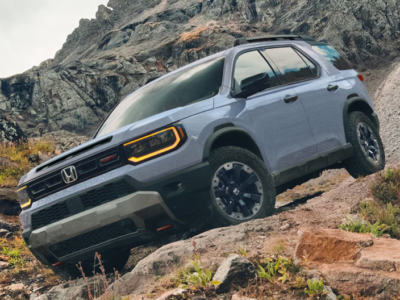
Honda Passport vs Toyota 4Runner: Which SUV Is Better?

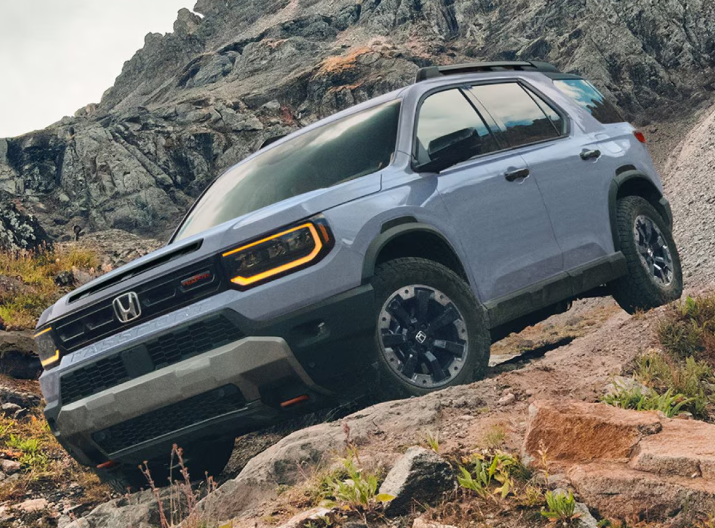
The Honda Passport versus Toyota 4Runner comparison is particularly interesting for anyone looking for a rugged, spacious, and capable midsize SUV. Both vehicles combine adventurous styling with everyday practicality, but they approach the SUV experience in very different ways.
The Honda Passport focuses on comfort, smooth performance, spacious seating, and confident all-wheel-drive capability. Meanwhile, the Toyota 4Runner prioritizes off-road performance, towing ability, durability, and traditional body-on-frame construction.
With the arrival of the redesigned Honda Passport and sixth-generation Toyota 4Runner, both SUVs now offer updated technology, improved designs, and enhanced performance.
But which one should we choose?
In this comprehensive comparison, we'll explore their engines, reliability, fuel economy, off-road capability, comfort, cargo space, maintenance costs, and overall value to determine which SUV makes the most sense for different drivers.
Content in this publication
- Honda Passport vs Toyota 4Runner: Quick Comparison
- 1. Exterior Design: Which SUV Looks Better?
- 2. Engine Performance: V6 vs Turbocharged Engine
- 3. Honda Passport vs Toyota 4Runner Fuel Economy
- 4. Off-Road Capability: Passport vs 4Runner
- 5. Ride Comfort and Highway Driving
- 6. Interior Design and Material Quality
- 7. Seating Capacity and Passenger Space
- 8. Cargo Space and Practicality
- 9. Towing Capacity: Which SUV Can Tow More?
- 10. Honda Passport vs Toyota 4Runner Reliability
- 11. Maintenance Costs and Ownership Expenses
- 12. Safety Features and Driver Assistance
- 13. Technology and Infotainment
- 14. Driving in Snow and Bad Weather
- 15. Toyota 4Runner vs Honda Passport Ground Clearance
- 16. Honda Passport vs Toyota 4Runner Price
- 17. Resale Value and Depreciation
- 18. Honda Passport Advantages and Disadvantages
- 19. Toyota 4Runner Advantages and Disadvantages
- 20. Which SUV Is Better for Families?
- 21. Which SUV Is Better for Long Road Trips?
- 22. Which SUV Is Better for Camping and Overlanding?
- 23. Should We Buy a Honda Passport or Toyota 4Runner?
- Frequently Asked Questions
- 1. Is the Honda Passport better than the Toyota 4Runner?
- 2. Which is more reliable, the Honda Passport or Toyota 4Runner?
- 3. Which has better gas mileage, the Honda Passport or Toyota 4Runner?
- 4. Can the Honda Passport go off-road like the Toyota 4Runner?
- 5. Is the Toyota 4Runner worth buying over the Honda Passport?
- Final Verdict: Honda Passport vs Toyota 4Runner
Honda Passport vs Toyota 4Runner: Quick Comparison
Let's start with an overview of the main specifications for the 2026 models.
| Feature | Honda Passport | Toyota 4Runner |
|---|---|---|
| Vehicle type | Midsize SUV | Midsize SUV |
| Construction | Unibody | Body-on-frame |
| Standard engine | 3.5L V6 | 2.4L turbocharged 4-cylinder |
| Horsepower | 285 hp | 278 hp |
| Torque | 262 lb-ft | 317 lb-ft |
| Hybrid available | No | Yes |
| Hybrid horsepower | N/A | 326 hp |
| Transmission | 10-speed automatic | 8-speed automatic |
| Drivetrain | Standard AWD | RWD or 4WD |
| Maximum towing capacity | 5,000 lbs | 6,000 lbs |
| Seating capacity | 5 | 5 or 7 |
| Low-range four-wheel drive | No | Available |
| Best for | Comfort and daily driving | Off-roading and towing |
These specifications reveal the fundamental difference between the two vehicles.
The Passport is designed to deliver a comfortable, refined driving experience while retaining enough capability for dirt roads, camping trips, and moderate off-road adventures.
The 4Runner offers more traditional SUV engineering, making it particularly attractive to drivers who frequently encounter difficult terrain or need greater towing capability.
1. Exterior Design: Which SUV Looks Better?
Honda Passport Exterior
The redesigned Honda Passport has a much more aggressive appearance than its predecessor.
Honda has introduced a boxier profile, muscular body panels, a more upright front end, and rugged styling details that give the Passport a distinctive personality.
Notable exterior features include:
- Prominent front grille.
- Squared-off body proportions.
- Wide wheel arches.
- Standard 18-inch alloy wheels.
- Available all-terrain tires.
- Rugged TrailSport styling.
- Functional underbody protection on off-road-oriented trims.
The Passport strikes a balance between modern SUV styling and traditional adventure-oriented design.
It looks capable without appearing excessively large or intimidating.
Toyota 4Runner Exterior
The Toyota 4Runner has always been known for its rugged appearance, and the latest generation continues that tradition.
Its angular bodywork, aggressive front fascia, pronounced wheel arches, and upright proportions reinforce its off-road personality.
Depending on the trim, exterior highlights include:
- Distinctive Toyota grille designs.
- Available 33-inch all-terrain tires.
- Raised suspension configurations.
- Protective skid plates.
- Aggressive TRD Pro styling.
- Overlanding equipment on Trailhunter models.
- Power-operated rear window.
The 4Runner looks particularly impressive in its specialized off-road configurations.
Our verdict: We prefer the Toyota 4Runner for its unmistakable off-road styling, although the Honda Passport offers a cleaner, more understated design that may appeal to a broader audience.
2. Engine Performance: V6 vs Turbocharged Engine
Performance is one of the most important differences between these two SUVs.
Honda Passport 3.5-Liter V6
The Honda Passport features a naturally aspirated 3.5-liter V6 engine.
Its specifications include:
- 285 horsepower.
- 262 lb-ft of torque.
- 10-speed automatic transmission.
- Standard all-wheel drive.
The V6 delivers smooth, predictable acceleration and a relatively refined driving experience.
One advantage of this configuration is its naturally aspirated design. Unlike turbocharged engines, it doesn't depend on forced induction to produce power.
We also appreciate the V6's smooth operation during highway driving and everyday acceleration.
However, its lower torque output means the Passport may need higher engine speeds when climbing steep hills or accelerating with a heavy load.
Toyota 4Runner 2.4-Liter Turbo Engine
The standard Toyota 4Runner uses a 2.4-liter turbocharged four-cylinder engine.
It produces:
- 278 horsepower.
- 317 lb-ft of torque.
- 8-speed automatic transmission.
Although the Toyota has slightly less horsepower than the Honda, it produces substantially more torque.
This additional torque helps with low-speed acceleration, steep terrain, and demanding driving conditions.
The turbocharged engine also gives the 4Runner strong pulling power without requiring the engine to operate at particularly high RPM.
Toyota 4Runner i-FORCE MAX Hybrid
Toyota offers an additional powertrain that gives the 4Runner a significant performance advantage.
The available i-FORCE MAX hybrid system produces:
- 326 horsepower.
- 465 lb-ft of torque.
- 8-speed automatic transmission.
This setup combines a turbocharged gasoline engine with an electric motor.
The result is impressive low-end torque and stronger overall performance than either standard gasoline engine.
The hybrid system is especially useful when accelerating from low speeds or driving through challenging terrain.
Winner: Toyota 4Runner. Its available hybrid powertrain delivers significantly more torque and horsepower than the Passport.
3. Honda Passport vs Toyota 4Runner Fuel Economy
Fuel consumption plays an important role in long-term ownership costs.
Neither SUV is particularly economical compared with smaller crossovers, but their different powertrains produce noticeable differences in efficiency.
Honda Passport MPG
The 2026 Passport delivers approximately the following EPA-estimated fuel economy:
| Version | City MPG | Highway MPG | Combined MPG |
|---|---|---|---|
| Passport RTL AWD | 19 | 25 | 21 |
| Passport TrailSport AWD | 18 | 23 | 20 |
| Passport TrailSport Elite AWD | 18 | 23 | 20 |
The TrailSport models consume slightly more fuel because of their off-road-oriented tires and equipment.
Toyota 4Runner MPG
The Toyota 4Runner offers several drivetrain configurations.
| Version | City MPG | Highway MPG | Combined MPG |
|---|---|---|---|
| Gasoline RWD, select trims | 20 | 26 | 22 |
| Gasoline 4WD, select trims | 19 | 25 | 21 |
| i-FORCE MAX Hybrid 4WD | 23 | 24 | 23 |
Actual fuel consumption will depend on driving conditions, terrain, tire selection, and vehicle configuration.
Which SUV Is More Fuel Efficient?
The Toyota 4Runner Hybrid generally provides the best combined fuel economy.
However, the difference between the two vehicles is not enormous.
The regular Passport achieves approximately 21 MPG combined, while the hybrid 4Runner reaches approximately 23 MPG.
Over thousands of miles, this difference can reduce gasoline expenses.
Nevertheless, the hybrid 4Runner typically costs more to purchase, so buyers should consider whether the fuel savings justify the additional investment.
Winner: Toyota 4Runner Hybrid.
4. Off-Road Capability: Passport vs 4Runner
Off-road performance is arguably the biggest distinction between these SUVs.
Honda Passport Off-Road Performance
The Honda Passport is more capable off pavement than many conventional crossovers.
Its second-generation i-VTM4 all-wheel-drive system can distribute torque between the front and rear axles and actively manage power between the rear wheels.
This technology helps improve traction when driving on:
- Gravel roads.
- Snow-covered surfaces.
- Muddy trails.
- Wet pavement.
- Uneven dirt roads.
- Moderate off-road terrain.
TrailSport models add equipment designed specifically for off-road driving, including all-terrain tires, protective components, and an off-road-tuned suspension.
The Passport is suitable for camping trips, remote mountain roads, and many recreational trails.
However, it doesn't offer the same mechanical off-road hardware as the 4Runner.
In particular, it lacks a traditional low-range transfer case.
Toyota 4Runner Off-Road Performance
The Toyota 4Runner is built around a body-on-frame platform designed to withstand demanding driving conditions.
Its available off-road equipment includes:
- Four-wheel drive with low-range gearing.
- Available electronically controlled locking rear differential.
- Multi-Terrain Select.
- Crawl Control.
- Available electronically disconnecting stabilizer bar.
- Specialized off-road suspension systems.
- Underbody protection.
- Aggressive all-terrain tires.
These features give the 4Runner a substantial advantage on steep climbs, rocky trails, deep ruts, and other difficult terrain.
The TRD Off-Road, TRD Pro, and Trailhunter configurations are particularly attractive for off-road enthusiasts.
Which Is Better for Serious Off-Roading?
For technical off-roading, the Toyota 4Runner is clearly the better option.
Its body-on-frame construction, low-range gearing, specialized suspension configurations, and available locking differential make it better suited to challenging terrain.
However, the Passport remains a practical choice for drivers who occasionally leave paved roads but primarily use their SUV for commuting and family travel.
Winner: Toyota 4Runner.
5. Ride Comfort and Highway Driving
Not everyone needs an SUV capable of navigating difficult trails.
For many buyers, comfort during daily driving is more important.
Honda Passport Driving Comfort
The Honda Passport has a major advantage when it comes to everyday refinement.
Its unibody construction and independent suspension help deliver a smoother ride over typical road imperfections.
The Passport generally feels more composed when driving through corners, changing lanes, or traveling at highway speeds.
Its steering response and overall driving characteristics are closer to those of a large crossover than a traditional truck.
The V6 engine also contributes to a smooth driving experience.
For long highway trips, these characteristics can make a meaningful difference.
Toyota 4Runner Driving Comfort
The redesigned Toyota 4Runner offers improved technology and refinement compared with its predecessor.
Nevertheless, its body-on-frame platform retains some characteristics associated with traditional trucks.
Drivers may notice more body movement over uneven pavement, depending on the suspension configuration.
Off-road-oriented trims with aggressive tires can also produce additional road noise and a firmer ride.
The 4Runner's driving position is commanding, and its suspension is designed to cope with demanding conditions.
However, it doesn't feel quite as car-like as the Passport during everyday commuting.
Winner: Honda Passport. We would choose the Passport for long-distance highway driving and everyday comfort.
6. Interior Design and Material Quality
Both manufacturers have significantly improved their interior designs.
Honda Passport Interior
The Honda Passport features a modern, functional cabin with an emphasis on usability.
Its interior highlights include:
- Spacious front seats.
- Comfortable second-row seating.
- Digital instrument display.
- Large central touchscreen.
- Wireless smartphone connectivity.
- Practical physical controls.
- Multiple storage compartments.
- Available premium audio system.
- Available heated and ventilated seating.
One of the Passport's strengths is its straightforward interior layout.
Honda has maintained physical controls for important functions, making the vehicle easier to operate while driving.
The cabin feels particularly well suited to families and drivers who value comfort over flashy design.
Toyota 4Runner Interior
The Toyota 4Runner has received substantial interior improvements.
Depending on the trim, equipment may include:
- Large multimedia touchscreen.
- Digital instrument cluster.
- Wireless Apple CarPlay and Android Auto.
- Available premium audio.
- Heated and ventilated seats.
- Multiple USB charging ports.
- Durable off-road-oriented materials.
- Advanced camera systems.
Toyota also offers a variety of interior configurations.
Some emphasize durability and easy cleaning, while others prioritize luxury and convenience.
Higher trims can feel considerably more upscale than the entry-level versions.
Winner: Tie. The Honda feels more family-oriented, while the Toyota offers a wider range of rugged and premium interior configurations.
You may be interested in reading Toyota Corolla AE86 Engine Swap – The Ultimate Guide
7. Seating Capacity and Passenger Space
Passenger accommodation is another important factor.
Honda Passport Seating
The Honda Passport offers seating for five passengers across two rows.
Its generous cabin dimensions provide comfortable accommodations for adults in both rows.
The rear seats offer substantial legroom and headroom, making the Passport particularly attractive for families with older children or adults who frequently travel together.
Because it doesn't have a third row, Honda can dedicate more interior space to passenger comfort and cargo storage.
Toyota 4Runner Seating
The Toyota 4Runner is available in five-passenger configurations, while select gasoline models offer optional seven-passenger seating.
This gives the Toyota greater flexibility for larger families.
However, the available third row is considerably smaller than the first two rows.
It is better suited to occasional use or shorter passengers than regular long-distance travel by adults.
The third row also reduces usable cargo space when occupied.
Which SUV Has More Comfortable Seats?
For five passengers, we generally prefer the Honda Passport.
Its cabin is spacious, and its road-oriented suspension makes long journeys more comfortable.
However, the 4Runner has an advantage for buyers who occasionally need seating for six or seven people.
Winner: Honda Passport for five-passenger comfort; Toyota 4Runner for optional seven-passenger versatility.
8. Cargo Space and Practicality
Cargo capacity matters whether we're carrying groceries, luggage, camping equipment, or sports gear.
Honda Passport Cargo Space
The redesigned Honda Passport offers a large cargo area behind its second-row seats.
Its wide opening, practical interior layout, and foldable rear seats make loading bulky items relatively easy.
The Passport is particularly useful for:
- Family vacations.
- Camping equipment.
- Large suitcases.
- Sports accessories.
- Shopping trips.
- Everyday cargo transportation.
Honda also incorporates useful storage solutions throughout the cabin.
Toyota 4Runner Cargo Space
The Toyota 4Runner also provides generous cargo capacity, particularly in its two-row configurations.
Its tall, boxy body allows it to accommodate substantial amounts of luggage and outdoor equipment.
One particularly useful feature is the power-operated rear window.
This allows drivers to access smaller items without opening the entire tailgate.
However, cargo capacity varies considerably between gasoline, hybrid, and three-row configurations.
The available third row and hybrid battery packaging can reduce usable storage space.
Which SUV Is More Practical?
The Passport offers excellent cargo usability and an uncomplicated two-row layout.
The Toyota 4Runner can provide greater cargo flexibility in certain configurations, particularly when transporting outdoor equipment.
We recommend comparing the exact trim and seating configuration before making a decision based entirely on cargo volume.
Winner: Tie, depending on configuration and intended use.
9. Towing Capacity: Which SUV Can Tow More?
Towing capability is important for buyers who regularly transport boats, trailers, or recreational equipment.
Honda Passport Towing Capacity
The Honda Passport can tow up to 5,000 pounds when properly equipped.
This capacity is sufficient for many recreational applications, including:
- Small camping trailers.
- Lightweight boats.
- Utility trailers.
- Small recreational equipment trailers.
Its V6 engine provides predictable power delivery, while the standard AWD system helps improve traction.
Toyota 4Runner Towing Capacity
The Toyota 4Runner offers a maximum towing capacity of up to 6,000 pounds on appropriately equipped gasoline models.
The hybrid powertrain has a lower maximum rating of approximately 5,800 pounds.
This gives the Toyota an advantage for drivers who frequently tow heavier recreational equipment.
Its body-on-frame construction also suits its traditional utility-focused character.
Is the 4Runner Better for Towing?
Yes, particularly in gasoline configurations with the maximum tow rating.
However, maximum towing capacity isn't the only factor to consider.
Payload, tongue weight, trailer brakes, passenger weight, and vehicle equipment all affect how much a particular SUV can safely tow.
Winner: Toyota 4Runner.
10. Honda Passport vs Toyota 4Runner Reliability
Reliability is one of the most frequently discussed aspects of this comparison.
Both Honda and Toyota have strong reputations for producing dependable vehicles, but reputation alone cannot predict the performance of an individual model.
Is the Honda Passport Reliable?
The Honda Passport benefits from Honda's extensive experience with V6 engines and automatic transmissions.
Its naturally aspirated 3.5-liter engine avoids the additional turbocharging hardware found in the Toyota's gasoline powertrain.
That simpler engine configuration may appeal to buyers who prioritize traditional mechanical design.
However, naturally aspirated engines are not automatically more reliable than turbocharged alternatives.
Maintenance history, manufacturing quality, cooling systems, electronics, and transmission durability all play important roles.
The redesigned Passport also introduces updated mechanical systems, meaning its long-term reliability cannot yet be established from many years of ownership data.
Is the Toyota 4Runner Reliable?
The Toyota 4Runner has a longstanding reputation for durability.
Older generations are widely recognized for their ability to accumulate high mileage when properly maintained.
However, the sixth-generation 4Runner represents a substantial mechanical change.
It introduces a turbocharged four-cylinder engine, a new platform, and an available hybrid system.
These components differ significantly from the naturally aspirated V6 engines used in previous generations.
As a result, we shouldn't assume that the latest 4Runner will automatically match the longevity of older models.
Which SUV Will Last Longer?
It is too early to declare a definitive winner between the latest generations.
Both vehicles have the potential to provide many years of service, but long-term maintenance and reliability records will become clearer as they accumulate mileage.
Regular servicing, appropriate fluid changes, and avoiding excessive mechanical stress are more important than choosing a brand solely because of its reputation.
Winner: Too early to determine for the redesigned generations.
11. Maintenance Costs and Ownership Expenses
Maintenance expenses can vary significantly depending on vehicle configuration and driving habits.
Honda Passport Maintenance
The Honda Passport's maintenance requirements include routine services such as:
- Engine oil and filter replacement.
- Brake inspections.
- Tire rotation.
- Transmission servicing.
- Differential fluid maintenance.
- Engine air filter replacement.
- Timing belt replacement according to the maintenance schedule.
The V6's timing belt is an important long-term maintenance consideration.
Drivers should factor this service into their ownership budget rather than focusing exclusively on routine oil changes.
Toyota 4Runner Maintenance
The Toyota 4Runner requires similar routine maintenance, including:
- Engine oil and filter replacement.
- Brake system inspections.
- Tire rotations.
- Transmission fluid servicing.
- Differential maintenance.
- Transfer case servicing on 4WD models.
- Inspection of off-road components.
Turbocharged engines also require appropriate lubrication and cooling system maintenance.
Hybrid models incorporate additional electrical components, although this doesn't necessarily mean they will have higher maintenance costs.
Which SUV Is Cheaper to Maintain?
For ordinary road use, both vehicles should have manageable maintenance requirements when properly serviced.
However, specialized off-road tires, suspension components, and frequent rough-terrain use can increase ownership costs for certain 4Runner configurations.
The Passport may be less expensive to operate for drivers who primarily use their vehicle on paved roads, but exact costs depend on mileage, labor rates, maintenance schedules, and repairs.
12. Safety Features and Driver Assistance
Modern safety technology is essential for family-oriented SUVs.
Fortunately, both Honda and Toyota offer extensive driver-assistance equipment.
Honda Passport Safety
The Honda Passport includes Honda Sensing technologies designed to help improve awareness and reduce certain driving risks.
Available systems include:
- Collision mitigation braking.
- Adaptive cruise control.
- Lane keeping assistance.
- Road departure mitigation.
- Blind-spot monitoring.
- Rear cross-traffic monitoring.
- Traffic sign recognition.
These systems are especially useful during commuting and highway driving.
Toyota 4Runner Safety
The Toyota 4Runner features Toyota Safety Sense 3.0.
Depending on equipment, its safety technologies include:
- Pre-collision system.
- Adaptive cruise control.
- Lane departure alert.
- Lane tracing assistance.
- Road sign assistance.
- Automatic high beams.
- Proactive driving assistance.
- Blind-spot monitoring.
Specialized trims also offer camera systems that can assist with low-speed maneuvering and off-road visibility.
Which SUV Is Safer?
Both offer comprehensive active safety technology.
However, we shouldn't determine overall safety solely from the number of driver-assistance features.
Independent crash-test ratings, occupant protection, visibility, braking performance, and vehicle configuration should also be considered.
Winner: Tie without a direct comparison of current independent crash-test results.
13. Technology and Infotainment
Both vehicles now offer modern multimedia systems.
Honda Passport Technology
The Honda Passport features a 12.3-inch central touchscreen and a 10.2-inch digital instrument cluster.
It also offers wireless smartphone integration and modern connectivity features.
The infotainment system is designed to be straightforward and accessible, which is beneficial during everyday driving.
Honda continues to use physical controls for several frequently accessed functions.
Toyota 4Runner Technology
The Toyota 4Runner offers a standard touchscreen, with a larger 14-inch display available on selected trims.
It also provides a digital instrument display, wireless smartphone compatibility, and available premium audio equipment.
Higher trims offer additional camera functionality and convenience features.
The larger available central display may appeal to drivers who prioritize navigation and multimedia technology.
Winner: Tie. The Toyota offers a larger available touchscreen, while the Honda provides a user-friendly technology layout.
14. Driving in Snow and Bad Weather
Both SUVs are capable of handling challenging weather when equipped with appropriate tires.
You may be interested in readingToyota Corolla AE86 Engine Swap – The Ultimate GuideYou may be interested in reading
 Does the Toyota Camry Have CVT Transmission?
Honda Passport in Snow
The Passport's standard AWD system is particularly useful on slippery roads.
Its torque-vectoring technology helps distribute power to improve traction and handling.
The Passport also benefits from predictable road manners and a relatively refined suspension.
For winter commuting, the Passport is an attractive choice.
Toyota 4Runner in Snow
The Toyota 4Runner also performs well in snowy conditions, especially with four-wheel drive and suitable winter tires.
Its available low-range gearing can be useful in deep snow or difficult off-road conditions.
However, body-on-frame construction and greater ground clearance don't automatically make a vehicle safer on icy pavement.
Tire quality, speed, braking technique, and driver awareness remain essential.
Which Is Better for Winter Driving?
For everyday driving on maintained snowy roads, we prefer the Honda Passport.
For deep snow, remote trails, and difficult unplowed terrain, an appropriately equipped Toyota 4Runner offers greater capability.
15. Toyota 4Runner vs Honda Passport Ground Clearance
Ground clearance affects how easily a vehicle can travel over obstacles without scraping its underside.
The Honda Passport offers useful ground clearance for recreational off-road driving.
Its TrailSport configurations are specifically designed to improve capability on uneven terrain.
The Toyota 4Runner offers higher-clearance configurations, particularly in its specialized off-road trims.
However, ground clearance alone doesn't determine off-road performance.
Approach angle, departure angle, suspension articulation, wheelbase, tires, and traction systems all matter.
The 4Runner's available low-range gearing and locking differential provide significant advantages in difficult conditions.
Winner: Toyota 4Runner for demanding off-road clearance and obstacle negotiation.
16. Honda Passport vs Toyota 4Runner Price
Purchase price is another important factor.
For the 2026 model year, the Honda Passport starts at approximately $44,950, while the Toyota 4Runner starts at approximately $42,270, before destination charges, taxes, options, and dealer fees.
Actual transaction prices depend on trim level, location, equipment, and dealer availability.
Honda Passport Value
The Passport includes a V6 engine and all-wheel drive as standard equipment.
This means buyers receive a relatively powerful engine and an advanced traction system without needing to upgrade to a separate AWD configuration.
Its comfortable interior and practical design also add value for everyday users.
Toyota 4Runner Value
The Toyota 4Runner has a lower entry price in its basic configuration.
However, moving to four-wheel drive, specialized off-road trims, or the hybrid powertrain increases the purchase price.
Fully equipped TRD Pro and Trailhunter models can become substantially more expensive.
Which SUV Offers Better Value?
The answer depends on what we need.
For daily driving, the Passport offers an attractive combination of standard AWD, V6 performance, comfort, and interior practicality.
For buyers who specifically need low-range four-wheel drive or enhanced off-road capability, the Toyota 4Runner may justify its higher price in more specialized configurations.
17. Resale Value and Depreciation
Depreciation is a major component of long-term vehicle ownership.
Honda Passport Resale Value
Honda vehicles generally benefit from strong brand recognition, established service networks, and broad consumer demand.
The Passport's practical design and standard AWD may make it attractive in the used SUV market.
However, resale values depend on mileage, condition, model popularity, and local demand.
Toyota 4Runner Resale Value
The 4Runner has historically demonstrated particularly strong resale value.
Its popularity among outdoor enthusiasts and off-road drivers has helped support demand for used examples.
Older 4Runner generations have also benefited from a reputation for durability.
Nevertheless, the latest generation's resale performance will take time to establish.
Its hybrid powertrain and higher purchase prices could influence depreciation differently across trims.
Winner: Toyota 4Runner based on the model's historical resale reputation, although future values aren't guaranteed.
18. Honda Passport Advantages and Disadvantages
Advantages
- Smooth naturally aspirated V6 engine.
- Standard all-wheel drive.
- Comfortable highway performance.
- Spacious two-row interior.
- Practical cargo area.
- Modern infotainment technology.
- Excellent everyday usability.
- Capable TrailSport configurations.
Disadvantages
- No hybrid powertrain.
- Lower maximum towing capacity.
- No third-row seating.
- No traditional low-range four-wheel drive.
- Less capable than specialized 4Runner trims on demanding trails.
- Modest fuel economy relative to smaller SUVs.
The Honda Passport makes the most sense for drivers who value comfort, practicality, and occasional outdoor adventures.
19. Toyota 4Runner Advantages and Disadvantages
Advantages
- Strong turbocharged engine torque.
- Powerful available hybrid powertrain.
- Traditional body-on-frame construction.
- Excellent available off-road equipment.
- Higher maximum towing capacity.
- Available third-row seating.
- Historically strong resale value.
- Multiple specialized off-road trims.
Disadvantages
- Truck-like driving characteristics.
- Potentially firmer ride quality.
- Higher prices on premium trims.
- Limited third-row space.
- Hybrid versions can sacrifice some cargo flexibility.
- Long-term reliability of the redesigned generation remains unproven.
- Fuel economy remains relatively modest despite hybrid availability.
The Toyota 4Runner is especially appealing to buyers who need serious off-road capability and appreciate traditional SUV engineering.
20. Which SUV Is Better for Families?
For most families who only need five seats, we would recommend the Honda Passport.
Its spacious cabin, comfortable suspension, smooth engine, and practical cargo layout make it an excellent everyday family vehicle.
It is particularly suitable for commuting, school transportation, grocery shopping, and long vacations.
The Toyota 4Runner is also a capable family SUV, especially for families who frequently go camping or explore rough terrain.
Its available third row is an advantage when occasional extra seating is necessary.
However, families regularly carrying seven passengers may find a dedicated three-row SUV more comfortable.
Our choice for most families: Honda Passport.
21. Which SUV Is Better for Long Road Trips?
Long-distance travel places greater emphasis on comfort, refinement, passenger space, and fuel consumption.
The Passport's smoother ride and car-like handling make it particularly attractive for highway journeys.
Its spacious second row also helps passengers remain comfortable during extended trips.
The Toyota 4Runner provides excellent utility for adventure-oriented travel.
If our road trip includes rocky mountain tracks, remote campsites, or difficult trails, its specialized capabilities become more valuable.
For ordinary interstate driving, however, we would generally choose the Passport.
Our choice for highway road trips: Honda Passport.
22. Which SUV Is Better for Camping and Overlanding?
Camping and overlanding are increasingly popular activities among SUV buyers.
Both vehicles can transport camping equipment and reach many outdoor destinations.
However, they cater to different levels of adventure.
Honda Passport for Camping
The Passport is suitable for established campsites, forest service roads, gravel tracks, and moderate outdoor adventures.
Its comfortable cabin and large cargo area make packing camping equipment convenient.
For families who spend most of their time on highways before reaching their campsite, it offers an excellent balance.
Toyota 4Runner for Overlanding
The Toyota 4Runner is better suited to more demanding overlanding activities.
Its available low-range four-wheel drive, off-road suspension, underbody protection, and specialized Trailhunter configuration make it attractive for remote adventures.
It also benefits from strong interest among off-road accessory manufacturers.
Winner: Toyota 4Runner for serious overlanding.
23. Should We Buy a Honda Passport or Toyota 4Runner?
The best choice depends on our driving priorities.
| Our priority | Better choice |
|---|---|
| Daily commuting | Honda Passport |
| Highway comfort | Honda Passport |
| Serious off-roading | Toyota 4Runner |
| Maximum towing capacity | Toyota 4Runner |
| Naturally aspirated V6 | Honda Passport |
| Available hybrid powertrain | Toyota 4Runner |
| Five-passenger family use | Honda Passport |
| Optional seven-passenger seating | Toyota 4Runner |
| Off-road customization | Toyota 4Runner |
| Smooth road handling | Honda Passport |
| Maximum available torque | Toyota 4Runner |
| Traditional truck construction | Toyota 4Runner |
If we spend approximately 90% of our time driving on paved roads, the Honda Passport is probably the more sensible choice.
It delivers the rugged appearance many SUV buyers want without sacrificing everyday comfort.
On the other hand, if we frequently explore remote trails, tow heavy recreational equipment, or need specialized off-road hardware, the Toyota 4Runner provides a more appropriate foundation.
Frequently Asked Questions
1. Is the Honda Passport better than the Toyota 4Runner?
The Honda Passport is generally better for daily commuting, highway comfort, and five-passenger family transportation. Its unibody construction and independent suspension help deliver a more refined driving experience.
The Toyota 4Runner is better for serious off-roading, demanding terrain, and maximum towing capability.
Neither SUV is universally better; the right choice depends on how we intend to use it.
2. Which is more reliable, the Honda Passport or Toyota 4Runner?
Both Honda and Toyota have strong reputations for reliability.
The Passport uses a naturally aspirated V6, while the redesigned 4Runner features turbocharged gasoline and available hybrid powertrains.
Because both current generations are relatively new, there isn't enough long-term ownership information to confidently identify a definitive reliability winner.
Proper maintenance will be essential for both vehicles.
3. Which has better gas mileage, the Honda Passport or Toyota 4Runner?
The Toyota 4Runner Hybrid generally delivers better combined fuel economy, with an EPA estimate of approximately 23 MPG.
The Honda Passport achieves approximately 20–21 MPG combined, depending on the configuration.
Gasoline-powered 4Runner models offer fuel economy that is broadly comparable to the Passport.
4. Can the Honda Passport go off-road like the Toyota 4Runner?
The Honda Passport can handle gravel roads, snow, muddy trails, and moderate off-road conditions, especially in TrailSport configurations.
However, the Toyota 4Runner is better equipped for challenging terrain because of its available low-range four-wheel drive, locking differential, specialized suspension, and body-on-frame construction.
For serious rock crawling or difficult overlanding routes, the 4Runner is the stronger option.
5. Is the Toyota 4Runner worth buying over the Honda Passport?
The Toyota 4Runner is worth considering over the Passport if we prioritize towing, rugged construction, serious off-road performance, or the available hybrid engine.
However, buyers who primarily travel on paved roads may find the Honda Passport more comfortable and practical.
We would recommend comparing the equipment and pricing of the specific trims before deciding.
Final Verdict: Honda Passport vs Toyota 4Runner
The Honda Passport versus Toyota 4Runner comparison highlights two excellent SUVs designed for different types of drivers.
The Honda Passport stands out for its smooth V6 engine, spacious interior, comfortable ride, and excellent everyday practicality. It's an especially appealing choice for families, commuters, and drivers who want a capable SUV without the driving characteristics of a traditional truck.
The Toyota 4Runner takes a different approach. Its body-on-frame construction, powerful available hybrid powertrain, specialized off-road technology, and higher maximum towing capacity make it better suited to demanding adventures.
So, which SUV would we buy?
For everyday driving, long highway trips, and occasional outdoor adventures, we would choose the Honda Passport. Its balance of comfort, capability, and practicality makes it an excellent all-around midsize SUV.
However, for regular off-road excursions, mountain trails, overlanding, or heavier towing, we would choose the Toyota 4Runner.
You may be interested in readingToyota Corolla AE86 Engine Swap – The Ultimate GuideYou may be interested in reading
Does the Toyota Camry Have CVT Transmission?You may be interested in reading
 Toyota Camry Trim Levels 2014: A Detailed Guide to Choosing the Best
Ultimately, the decision comes down to a simple question: do we want a comfortable SUV that can venture off-road, or a rugged off-road SUV that can also handle everyday driving?
The Honda Passport excels at the first, while the Toyota 4Runner is built around the second.
If you want to know other articles similar to Honda Passport vs Toyota 4Runner: Which SUV Is Better? you can visit the category Models.
Honda Passport vs Ford Bronco: Which SUV Is Better?
Honda Passport vs Ford Explorer: Which SUV Is Better?
Honda Passport or Pilot: Which SUV Is Better?
Honda Passport vs Jeep Grand Cherokee: Which SUV Is Better?
Honda Passport vs Nissan Pathfinder: Which SUV Is Better?
Honda Passport vs Toyota RAV4: Which SUV Is Better?
Leave a Reply
More content of your interest