

Vauxhall Corsa TPMS Reset Guide (2015–2022): Ultimate Step-by-Step Tyre Pressure Monitor Reset & Calibration

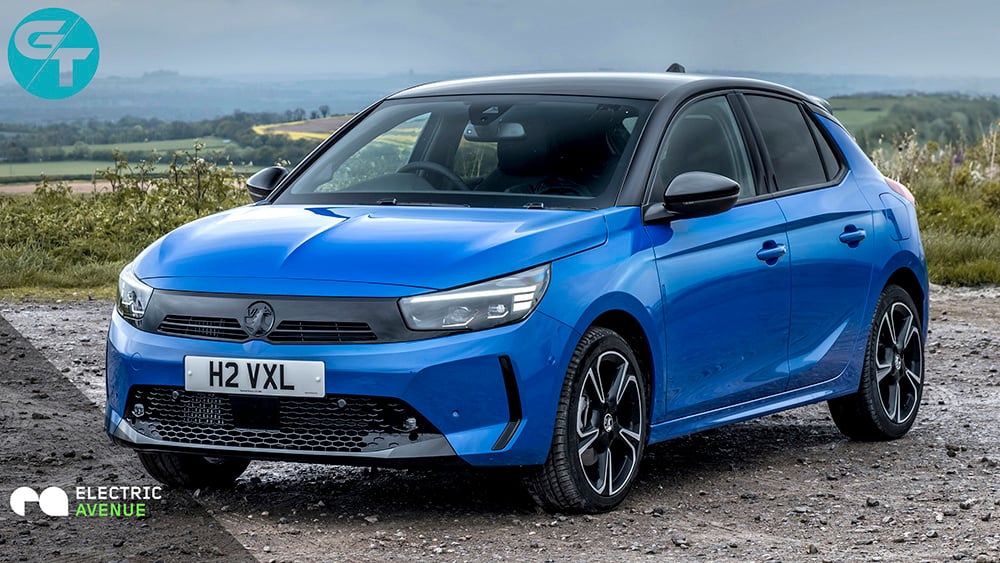
Maintaining accurate tyre pressure monitoring is essential for optimal performance and safety. We provide the definitive guide to resetting the TPMS (Tyre Pressure Monitoring System) on the Vauxhall Corsa 2015–2022, covering sensor-based and ABS-based (indirect) systems, troubleshooting alerts, and correct tyre pressures by model.
Content in this publication
- What Is the Tyre Pressure Light on a Vauxhall Corsa?
- How to Reset TPMS on Vauxhall Corsa (2015–2022)
- Vauxhall Corsa Tyre Pressure Chart (2015–2022)
- Direct vs Indirect TPMS: Which Does Your Corsa Use?
- Why Your TPMS Light Stays On
- Troubleshooting & FAQs
- Pro Tips for Long-Term TPMS Reliability
- Conclusion
- FAQs
What Is the Tyre Pressure Light on a Vauxhall Corsa?
The TPMS warning indicator activates when tyre pressure drops below factory parameters or the system needs recalibration. Modern Corsa models are equipped with direct or indirect monitoring, and each reset process differs.
How to Reset TPMS on Vauxhall Corsa (2015–2022)
✅ Standard Reset Procedure (All Models)
This works when pressure has been corrected and sensors are functional.
- Inflate tyres to factory-recommended PSI/bar (see chart below)
- Start the engine
- Drive at 20+ mph (30+ km/h) for 5–10 minutes
- System auto-recognises new pressures and clears the alert
Vehicles without internal valve sensors use ABS-based pressure calculation.
Steps:
- Turn ignition ON (engine can stay off)
- Open Vehicle Settings via touchscreen
- Select Tyre Pressure / Tyre Reset
- Confirm Reset / Start Calibration
- Drive vehicle to complete recalibration
✅ Reset for Direct TPMS With Valve Sensors
Direct-sensor Corsas typically reset automatically.
- Inflate tyres to correct pressures
- Switch ignition ON
- Drive — sensors sync to position and pressure automatically
No manual reset button required on most factory TPMS Corsa models.
✅ After Tyre Replacement or Wheel Swap
| Situation | Reset Required |
|---|---|
| Tyre pressure adjusted | ✅ Yes (ABS system) / Auto (Sensor system) |
| New tyres fitted | ✅ Yes |
| Wheels rotated | ✅ Yes (ABS system only) |
| Valve sensors installed | Auto resets when driven |
Vauxhall Corsa Tyre Pressure Chart (2015–2022)
Always check fuel flap label or owner’s handbook for exact values
| Model Year | Front (bar/psi) | Rear (bar/psi) |
|---|---|---|
| 2015–2019 | 2.2 bar / 32 psi | 2.0 bar / 29 psi |
| 2020–2022 | 2.3 bar / 33 psi | 2.1 bar / 31 psi |
| Fully Loaded | 2.5 bar / 36 psi | 2.5 bar / 36 psi |
Direct vs Indirect TPMS: Which Does Your Corsa Use?
Direct TPMS (Valve Sensor Type)
- Real-time pressure readings
- Detects flat tyre before driving
- Auto wheel position recognition
Indirect TPMS (ABS-Based)
- Calculates wheel speed differences
- No individual pressure readings
- Requires manual reset after changes
Comparison Table
| Feature | Direct System | ABS-Based System |
|---|---|---|
| Accuracy | ★★★★★ | ★★★☆☆ |
| Detects Pressure When Parked | ✅ | ❌ |
| Manual Reset Needed | ❌ | ✅ |
| Sensor Damage Risk | ✅ Possible | ❌ None |
Why Your TPMS Light Stays On
Common causes include:
- Incorrect tyre pressure
- Damaged or dead valve sensor battery
- Tyre replaced without reset
- ABS system calibration pending
- Temperature fluctuations affecting pressure
Fix Checklist
- Re-inflate all tyres
- Verify spare wheel pressure (if monitored)
- Inspect valve sensors for damage
- Drive 10–15 minutes after adjusting pressures
Troubleshooting & FAQs
🛠 TPMS Light On But Pressures Are Correct
- For indirect systems: recalibrate manually
- For sensor systems: faulty sensor likely
🛠 New Tyres Installed — Light Still On
Drive 5–10 minutes to allow auto-relearn, or manually reset via menu.
🛠 One Tyre Shows No Reading
Sensor may be failing or damaged during tyre fitting.
🛠 Can I Drive With TPMS Light On?
Allowed only short-term. Reduced pressure risks blowouts and wear.
Pro Tips for Long-Term TPMS Reliability
- Inflate tyres monthly
- Check pressures before long trips
- Replace valve caps immediately if lost
- Avoid cheap aftermarket valve sensors
- Ask tyre shop to use TPMS-safe tools
Conclusion
Resetting the Vauxhall Corsa TPMS (2015–2022) is straightforward when you know your system type. With correct pressures and a brief drive, your dash warning clears automatically — or via the infotainment menu on ABS-based models. Regular checks ensure optimal tyre health, improved fuel efficiency, and safe handling.
FAQs
How do I know if my Corsa has direct TPMS?
If your dashboard shows live tyre pressures, you have direct TPMS.
How long does a reset take?
Typically 5–10 minutes of driving.
Do Corsa TPMS sensors need programming?
Factory sensors auto-learn; aftermarket may require setup.
Can temperature trigger TPMS warnings?
Yes — cold weather causes natural pressure drop.
Sensor battery failed — what now?
Replace the valve-mounted sensor unit (approx. 5–7-year lifespan).
If you want to know other articles similar to Vauxhall Corsa TPMS Reset Guide (2015–2022): Ultimate Step-by-Step Tyre Pressure Monitor Reset & Calibration you can visit the category Service and Parts.
Land Rover Defender 90 Tyre Pressure: Complete Guide
Land Rover Defender 90 Weight: Kerb Weight, GVW and Payload Explained
Land Rover Defender 90 Towing Capacity: Complete Guide
Land Rover Defender 90 Boot Space: Size, Dimensions and Practicality

Toyota Hilux Key Battery Replacement: Complete DIY Guide
Toyota Hilux Windscreen Replacement Cost: Prices, Factors, and Money-Saving Tips
Leave a Reply
More content of your interest