

Peugeot 208 Wet Belt Replacement – The Ultimate Owner’s Guide


Owning a Peugeot 208 is a rewarding experience—until you hear the words “wet belt replacement.” For many drivers, this topic sounds complicated and costly. But don’t worry. In this complete guide, we’ll explain what the wet timing belt is, when it needs replacement, common failure signs, and how much it really costs to fix it. Whether you drive the 1.2 PureTech petrol or another variant, this article will help you understand everything about Peugeot 208 wet belt replacement—without the jargon.

Content in this publication
- What Exactly Is a Wet Timing Belt?
- Which Peugeot 208 Engines Use Wet Belts?
- Why Wet Belts Fail Prematurely
- Peugeot 208 Wet Belt Replacement Interval
- Signs Your Peugeot 208 Wet Belt Needs Replacement
- Cost of Wet Belt Replacement
- Can You Replace It Yourself?
- How to Prevent Wet Belt Damage
- Peugeot 208 Wet Belt Replacement Procedure (Step-by-Step Overview)
- Common Mistakes During Replacement
- Peugeot 208 Wet Belt Recall and Warranty Updates
- The Risk of Ignoring Wet Belt Replacement
- Alternative Options – Conversion Kits
- Recommended Replacement Parts and Oils
- Real-World Owner Experiences
- Should You Replace the Wet Belt Proactively?
- Key Takeaways
- Final Thoughts
- FAQs About Peugeot 208 Wet Belt Replacement
What Exactly Is a Wet Timing Belt?
Let’s start with the basics.
A wet timing belt (or “belt-in-oil”) is a modern alternative to the traditional dry rubber timing belt. It operates inside the engine, immersed in oil. This design reduces friction, noise, and improves efficiency.
How It Differs from a Traditional Belt
- Wet belt: runs inside engine oil
- Dry belt: runs externally, outside of the oil
- Wet belt benefits: quieter operation, smoother performance, improved longevity
- Downside: requires high-quality oil maintenance—neglect it, and failure follows
The wet belt system is fitted to many Peugeot 208 1.2 PureTech engines, part of the PSA (now Stellantis) family.
Which Peugeot 208 Engines Use Wet Belts?
Not all Peugeot 208s have a wet timing belt. Here’s a breakdown:
| Engine Type | Fuel | Wet Belt? | Notes |
|---|---|---|---|
| 1.2 PureTech (82, 100, 110, 130 hp) | Petrol | ✅ Yes | Most common |
| 1.6 HDi / BlueHDi | Diesel | ❌ No | Uses a dry belt or chain |
| 1.5 BlueHDi | Diesel | ❌ No | Traditional timing belt |
| e-208 | Electric | ❌ No | No engine belt needed |
So, if you drive a 1.2 PureTech, your engine likely contains a wet belt—an essential detail when scheduling maintenance.
Why Wet Belts Fail Prematurely
In theory, wet belts can last up to 100,000 miles (160,000 km) or 10 years. In reality, many fail much sooner. Why? The answer often lies in oil degradation.
Oil Quality and Contamination
The wet belt constantly contacts engine oil. If the oil becomes contaminated, old, or low quality:
- The belt begins to degrade or delaminate
- Rubber fragments clog the oil strainer and pump
- Engine lubrication suffers
- Ultimately, the engine may seize
Short Trips and Poor Maintenance
Frequent short drives where the engine doesn’t fully warm up can accelerate belt deterioration. Poor servicing habits—especially using incorrect oil—can cut the belt’s life dramatically.
Peugeot 208 Wet Belt Replacement Interval
Peugeot recommends wet belt replacement roughly every 100,000 miles or 6 years—whichever comes first. However, many experts and mechanics now suggest changing it around 60,000 miles (96,000 km) for safety.
| Condition | Recommended Interval |
|---|---|
| Full Peugeot service history | 100,000 miles / 6 years |
| Mixed/uncertain oil history | 60,000 miles / 5 years |
| Signs of wear or sludge | Immediate replacement |
Signs Your Peugeot 208 Wet Belt Needs Replacement
Ignoring the symptoms of a failing wet belt can cause catastrophic damage. Here are warning signs to watch out for:
Common Symptoms
- Engine rattle or ticking noise at idle
- Oil warning light or low pressure reading
- Rough idle or loss of power
- Debris or sludge visible in oil
- Metallic or rubber smell from the oil
If any of these appear, it’s time to stop driving and book an inspection immediately.
Cost of Wet Belt Replacement
Replacing a wet belt is a major job. The cost depends on the model, engine, and workshop rates.
| Service | Estimated Cost (UK) | Estimated Cost (US/Europe) |
|---|---|---|
| Wet belt replacement only | £700–£900 | €800–€1,000 |
| Full kit with oil pump & service | £1,000–£1,400 | €1,200–€1,600 |
| Engine rebuild (if neglected) | £2,000+ | €2,300+ |
Why It’s Expensive
The wet belt is located inside the engine, requiring:
- Oil system flush
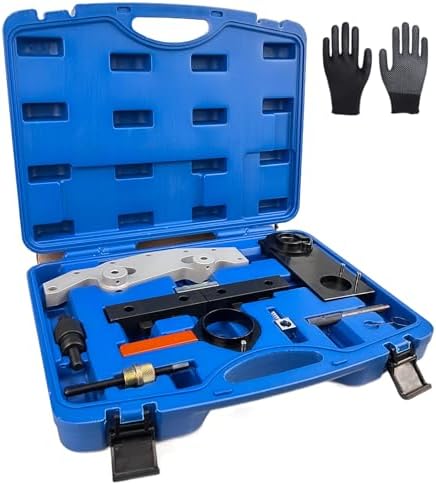
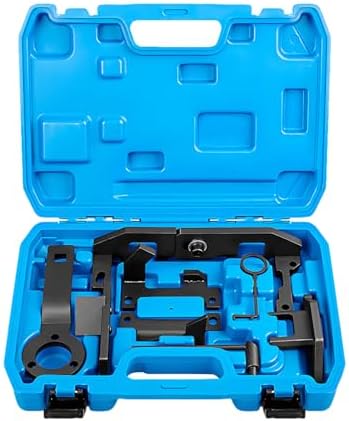
- Timing tools for alignment
- Complete disassembly of timing covers and sump
- New gaskets, bolts, and oil
Can You Replace It Yourself?
In short—you shouldn’t unless you’re an expert mechanic.
The process involves:
- Draining the oil
- Removing the sump and timing cover
- Using specialized locking tools
- Cleaning out oil galleries
- Reassembling and re-timing the engine
Even a small misalignment can destroy the engine. It’s a precision job, not a DIY one.
How to Prevent Wet Belt Damage
Prevention is cheaper than repair. Here’s how to extend your wet belt’s life:
Use High-Quality Oil
Always use manufacturer-approved oil (PSA B71 2312 or equivalent). Cheap oil breaks down quickly and damages the belt.
Change Oil Frequently
Instead of waiting for 12,000 miles, change oil every 6,000–8,000 miles (10,000–12,000 km). Regular changes remove sludge and contaminants.
Keep Service Records
Having a full service history not only protects your engine but also preserves your vehicle’s resale value.
Peugeot 208 Wet Belt Replacement Procedure (Step-by-Step Overview)
Here’s what professional garages typically do during the process:
- Drain engine oil and remove the sump
- Detach the timing cover to access the belt
- Lock crankshaft and camshafts using timing tools
- Remove old belt and tensioner
- Clean internal oil passages
- Install new belt, tensioner, and guides
- Replace oil pump (if required)
- Reassemble components and fill with new oil
- Run engine and check timing alignment
This job can take 6–8 hours depending on experience.
Common Mistakes During Replacement
Even professionals can make errors. Watch for these pitfalls:
- Reusing old bolts or gaskets
- Failing to flush oil passages
- Skipping oil pump inspection
- Using unapproved parts
- Incorrect belt tension
A trustworthy garage will document the process and provide parts warranties.
Peugeot 208 Wet Belt Recall and Warranty Updates
Peugeot has acknowledged premature belt wear in some PureTech engines. In certain cases, they’ve offered goodwill repairs or partial compensation, especially for vehicles within 6 years or 60,000 miles.
What You Can Do
- Contact your local Peugeot dealer with your VIN number
- Ask if your vehicle qualifies for a recall or inspection
- Maintain complete service records for support claims
The Risk of Ignoring Wet Belt Replacement
Neglecting the wet belt can lead to engine failure. Once the belt disintegrates:
- Oil pump stops working
- Oil pressure drops instantly
- Pistons and valves collide
- The engine is effectively destroyed
A simple belt replacement can save thousands in engine repairs.
Alternative Options – Conversion Kits
Some specialists offer conversion kits to replace the wet belt system with a dry belt or chain alternative. These kits:
- Eliminate oil contamination risks
- Improve long-term reliability
- Are often more expensive upfront but cheaper over time
However, conversions can void manufacturer warranty, so weigh your options carefully.
Recommended Replacement Parts and Oils
| Component | OEM Part Number | Notes |
|---|---|---|
| Timing belt kit | 16 138 846 80 | Includes belt and tensioner |
| Oil pump kit | 98 247 642 80 | Optional but recommended |
| Engine oil | PSA B71 2312 0W-30 | Fully synthetic |
| Oil filter | 98 037 805 80 | Genuine Peugeot |
Always use genuine or OEM-quality parts to ensure compatibility.
Real-World Owner Experiences
Many Peugeot 208 owners report belt replacements around 60,000–70,000 miles, even when maintained properly. Others noticed sludge buildup or oil pressure warnings prompting early intervention.
Those who maintained regular oil changes with the correct spec often avoided premature failure entirely.
Should You Replace the Wet Belt Proactively?
Yes—if your 208 is past 5 years or 60,000 miles, it’s smart to act early. Think of it as a small investment against potential engine disaster. As the saying goes, “Replace the belt before it replaces your engine.”
Key Takeaways
- Wet belts improve efficiency but demand strict maintenance
- Oil quality directly affects belt life
- Replace between 60k–100k miles, depending on history
- Neglect = engine failure
- Use genuine parts and correct oil only
Final Thoughts
The Peugeot 208 wet belt replacement isn’t something to ignore. It’s a crucial maintenance step that ensures your PureTech engine runs reliably for years. Yes, it’s costly—but far cheaper than a new engine. Staying ahead of the schedule with good oil, regular servicing, and professional care can turn a potential nightmare into a simple maintenance task.

FAQs About Peugeot 208 Wet Belt Replacement
1. How often should I replace the wet belt?
Typically every 100,000 miles or 6 years, but many mechanics recommend 60,000 miles for safety.
2. Can a failing wet belt damage the engine?
Yes. Once it breaks down, it can block oil passages and cause engine failure.
3. What oil should I use to protect the belt?
Use PSA B71 2312 0W-30 or manufacturer-approved synthetic oil.
4. How long does the replacement take?
Expect around 6 to 8 hours for a professional job.
5. Can I claim warranty for premature belt failure?
If your car is under 6 years old and has full Peugeot servicing, you may qualify for a goodwill repair.
If you want to know other articles similar to Peugeot 208 Wet Belt Replacement – The Ultimate Owner’s Guide you can visit the category Service and Parts.
Land Rover Defender 90 Tyre Pressure: Complete Guide
Land Rover Defender 90 Weight: Kerb Weight, GVW and Payload Explained
Land Rover Defender 90 Towing Capacity: Complete Guide
Land Rover Defender 90 Boot Space: Size, Dimensions and Practicality

Toyota Hilux Key Battery Replacement: Complete DIY Guide
Toyota Hilux Windscreen Replacement Cost: Prices, Factors, and Money-Saving Tips
Leave a Reply
More content of your interest