
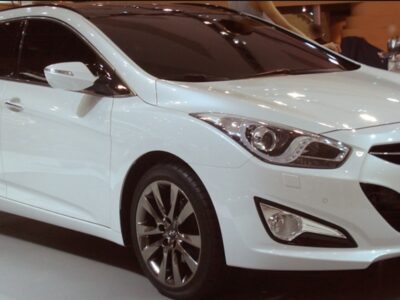
Suzuki Swift Real-World Fuel Consumption Guide (2004–2024): The Complete, Data-Driven Analysis

Content in this publication
- Understanding the Suzuki Swift’s Real Fuel Consumption
- Average Real-World Consumption vs Official Figures
- Why Later Generations Show Higher Real Consumption
- Real-World Fuel Consumption by Swift Generation
- Second Generation (2010–2017): Real Fuel Consumption
- Real Fuel Consumption by Era
- Fuel Consumption Differences by Engine Type
- Factors Behind the Real-World Consumption Gap
- Comparing Real Consumption Across Manufacturers
- Detailed Tables for Suzuki Swift Consumption (All Generations)
- How the Suzuki Swift Compares to Rivals
- Conclusion
Understanding the Suzuki Swift’s Real Fuel Consumption
We deliver a comprehensive, evidence-rich breakdown of the Suzuki Swift’s real-world fuel consumption across all generations from 2004 to 2024. By analysing user-reported data, engine variations, transmission types, and era-specific differences, we provide an authoritative guide that helps drivers understand what to expect in everyday use—not idealised lab conditions.
Average Real-World Consumption vs Official Figures
Across all generations of the Suzuki Swift (2004–2022), real-world fuel economy is consistently higher than official WLTP/NEDC values.
Key Differences at a Glance
- Overall average difference: +17% real-world consumption
- Petrol engines: +20% above official figures
- Diesel engines: +14% above official figures
- Pre-2013 models: +17% above stated fuel economy
- Post-2013 models: +23% above stated fuel economy
These increases reflect real-driving factors such as driving style, trip length, road gradients, weather conditions, engine wear, and tyre choices.
Why Later Generations Show Higher Real Consumption
Although newer engines are more efficient on paper, real-world factors often negate these gains. Higher kerb weights, emissions-driven engine downsizing, turbocharging, and stricter WLTP testing adjustments all contribute to drivers seeing greater deviations from official consumption after 2013.
You may be interested in reading Renault Captur MPG Guide (UK): Real Fuel Economy, Hybrid E-Tech Efficiency & Best Engine for British Drivers
Real-World Fuel Consumption by Swift Generation
Below, we break down the main generations of the Suzuki Swift and how closely real-world numbers align with official manufacturer claims.
Second Generation (2010–2017): Real Fuel Consumption
User-reported data for this era shows a +22% increase for petrol engines.
Example: Suzuki Swift 2010 1.2 5MT
| Specification | Official | Real-World | Difference |
|---|---|---|---|
| Swift 1.2 5MT (2010) | 5.0 L/100 km | 6.1 L/100 km | +22% |
The naturally aspirated 1.2-litre K-series engine is known for durability and simplicity, but its real-world consumption rises noticeably in urban driving and short-trip usage.
Real Fuel Consumption by Era
Swift Models Built Up to 2013
- Average deviation: +17%
- Engines: Early 1.3 petrol, 1.5 petrol, and 1.3 DDiS diesel
- Real consumption increases mainly due to less efficient transmissions and older engine management systems.
Swift Models Built After 2013
- Average deviation: +23%
- Engines: 1.2 DualJet, 1.0 BoosterJet, 1.2 Hybrid
- More variation due to hybrids and turbocharged engines delivering excellent lab scores but less predictable real-world performance.
Fuel Consumption Differences by Engine Type
Petrol Engines: +20% Above Official Figures
Petrol Swifts—from the early 1.3/1.5-litre engines to the later K12D DualJet—show the biggest gap between official and real-life numbers. Urban drivers in particular report higher deviations.
You may be interested in readingRenault Captur MPG Guide (UK): Real Fuel Economy, Hybrid E-Tech Efficiency & Best Engine for British DriversYou may be interested in reading
 Kia Picanto MPG & Real-World Fuel Economy Guide (All Model Years)
Diesel Engines: +14% Above Official Figures
The 1.3 DDiS diesel tends to perform closer to official consumption ratings, especially on longer trips and motorway use.
Factors Behind the Real-World Consumption Gap
Driving Style
- Quick acceleration
- Frequent short trips
- High-speed motorway driving
Vehicle Condition
- Under-inflated tyres
- Clogged air or fuel filters
- Aged spark plugs or injectors
Environmental Influences
- Cold climates
- Hilly terrain
- Heavy traffic patterns
Comparing Real Consumption Across Manufacturers
Real-world user-reported data is inherently variable. The difference between official and real consumption does not represent all owners, as figures depend heavily on driving profiles, climates, and vehicle condition. Swift deviations are within the normal range compared to similar B-segment hatchbacks, including the Toyota Yaris, Ford Fiesta, and Peugeot 208.
Detailed Tables for Suzuki Swift Consumption (All Generations)
Generation-by-Generation Overview
| Generation | Years | Typical Official Consumption | Real-World Adjustment |
|---|---|---|---|
| 1st Gen (2004–2010) | NEDC Values | 5.5–6.5 L/100 km | +15–18% |
| 2nd Gen (2010–2017) | NEDC Values | 4.9–5.6 L/100 km | +20–23% |
| 3rd Gen (2017–2024) | WLTP | 4.7–5.4 L/100 km | +18–25% depending on engine |
Engine-Specific Differences
| Engine Code | Fuel Type | Official (avg.) | Real (avg.) | Difference |
|---|---|---|---|---|
| 1.2 K12B | Petrol | 5.0 | ~6.0 | +20% |
| 1.2 DualJet (K12C) | Petrol | 4.8 | ~6.0 | +25% |
| 1.0 BoosterJet | Petrol Turbo | 5.1 | ~6.4 | +22% |
| 1.3 DDiS Diesel | Diesel | 4.2 | ~4.8 | +14% |
How the Suzuki Swift Compares to Rivals
| Model | Official vs Real-World Gap |
|---|---|
| Suzuki Swift | +17% average |
| Ford Fiesta | +15–20% |
| Toyota Yaris | +10–15% |
| Hyundai i20 | +16–22% |
| Peugeot 208 | +18–25% |
The Swift sits squarely in the middle of the segment in terms of real-world consumption deviation.
Conclusion
The Suzuki Swift is known for its efficiency, but real-world usage consistently shows consumption above official ratings. The deviation varies by engine type, driving style, and generation, with the largest differences appearing in models produced after 2013. Despite this, the Swift remains one of the most economical and dependable hatchbacks in its class, offering consistently low running costs and stable long-term reliability.
You may be interested in readingRenault Captur MPG Guide (UK): Real Fuel Economy, Hybrid E-Tech Efficiency & Best Engine for British DriversYou may be interested in reading
Kia Picanto MPG & Real-World Fuel Economy Guide (All Model Years)You may be interested in reading
 Kia Picanto Fuel Consumption: The Complete Real-World Guide
If you want to know other articles similar to Suzuki Swift Real-World Fuel Consumption Guide (2004–2024): The Complete, Data-Driven Analysis you can visit the category Driving.
Hyundai i40 MPG: Real-World Fuel Economy Guide
Kia Rio Fuel Consumption: Real-World Efficiency, MPG Insights & Smart Driving Tips
Kia Rio Miles Per Gallon: Real MPG, Efficiency Tips & What to Expect
Citroen C1 Fuel Consumption: The Real-World Guide to MPG, Costs, and Smarter Driving
Vauxhall Insignia Top Speed: How Fast Can This Smart Executive Car Really Go?
Vauxhall Insignia MPG: Real Fuel Economy, Running Costs, and Tips to Maximize Efficiency
Leave a Reply
More content of your interest