
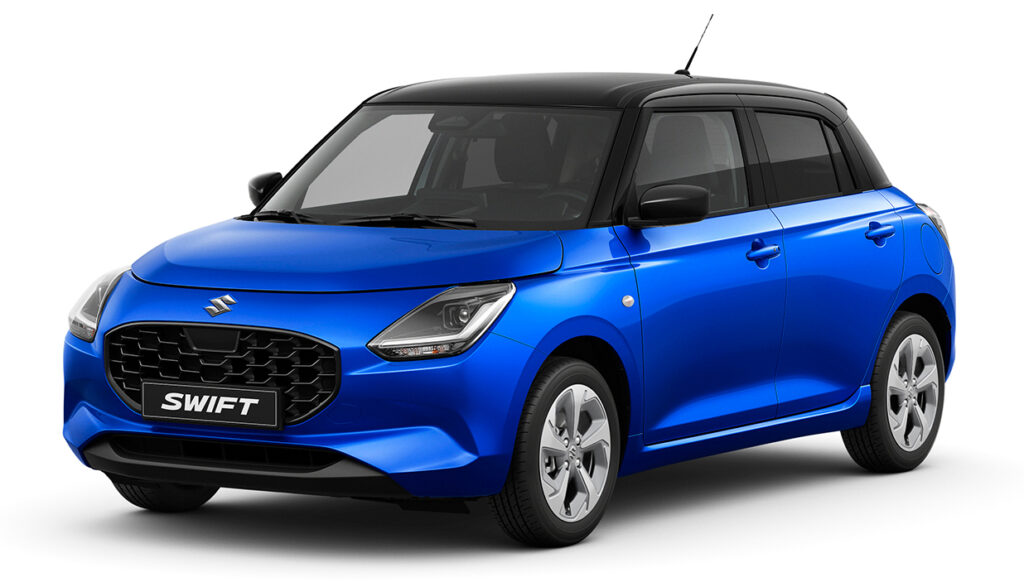
Are Suzuki Swifts Reliable? The Complete, Data-Driven Reliability Guide for Every Generation

Content in this publication
- Understanding the Suzuki Swift’s Reputation for Long-Term Dependability
- Swift Generations and What UK Drivers Should Expect
- Engine Reliability: The Core Reason the Swift Rarely Lets Owners Down
- Low Running Costs: The Swift’s Most Underrated Reliability Advantage
- Build Quality: Lightweight Yet Incredibly Durable
- Electrical Reliability: Minimal Systems, Maximum Consistency
- Common Problems: What Swift Owners Encounter Most Often
- Real-World Owner Satisfaction: The Swift’s Strongest Credential
- Warranty Strength and Dealer Support Across the UK
- Buying Advice: Which Swift Models Are the Most Reliable?
- Conclusion: Are Suzuki Swifts Reliable? Absolutely—And More Reliable Than Most Rivals
Understanding the Suzuki Swift’s Reputation for Long-Term Dependability
We explore the Suzuki Swift’s reliability from the ground up—engine durability, running costs, mechanical robustness, real-world owner satisfaction, and generational differences. Our analysis spans UK-market petrol, hybrid and mild-hybrid Swifts, drawing on thousands of owner reports, expert assessments, and long-term mechanical behaviour across model years from 2005 to the latest 2024 generation.
Swift Generations and What UK Drivers Should Expect
The Swift has evolved dramatically over the last two decades, yet its core strengths remain: simple engineering, lightweight construction, and mechanical consistency. These traits form the backbone of its long-standing reliability reputation.
Swift Generations at a Glance
- 2005–2010 Mk2 – 1.3 & 1.5 petrol engines, known for excellent longevity.
- 2010–2017 Mk3 – 1.2 DualJet & 1.6 Sport, widely praised for trouble-free ownership.
- 2017–2023 Mk4 – lighter chassis, refined 1.2 petrol, introduction of SHVS mild-hybrid.
- 2024–Present Mk5 – redesigned platform, improved hybrid system, enhanced safety tech.
The Swift’s reliability record is not tied to a single generation—it’s consistent across them.
Engine Reliability: The Core Reason the Swift Rarely Lets Owners Down
1.2 DualJet Petrol: A Proven, Ultra-Robust Unit
The 1.2 DualJet engine found in most UK models is celebrated for:
- exceptionally low failure rates,
- minimal oil consumption,
- chain-driven timing for reduced long-term maintenance,
- simple, heat-efficient design that prevents major wear.
Many real-world units exceed 150,000–200,000 miles with little more than routine servicing.
Mild-Hybrid Reliability
Suzuki’s mild-hybrid system is deliberately simple:
- no heavy battery pack,
- no complex cooling systems,
- no high-voltage components.
This means it avoids the high-risk failure points seen in full hybrids—another major reliability win.
Sport Models: Strong Engines, Stronger Build
The Swift Sport’s 1.4 BoosterJet is more performance-focused yet remains robust when serviced correctly. Owner reports show:
- strong turbo reliability,
- minimal injector issues,
- long-lasting timing chain performance.
Low Running Costs: The Swift’s Most Underrated Reliability Advantage
Outstanding Fuel Efficiency Reduces Wear Over Time
The latest 2024 Swift mild-hybrid achieves 57–64 mpg, but previous generations also maintain:
- low internal engine stress,
- reduced carbon buildup,
- fewer expensive fuel system repairs.
Lower fuel consumption doesn’t just save money—it extends mechanical life.
Affordable Parts and Quick Repairs
Swift maintenance is inexpensive because:
You may be interested in reading Is Suzuki Swift a Good First Car? Honest Guide
- parts availability is excellent across the UK,
- engines are simple to access,
- most work can be completed in under an hour,
- labour rates are significantly lower than average.
Typical UK costs:
- Oil & filter service: £90–£150
- Front brakes (discs + pads): £150–£250
- Clutch replacement: £350–£550
- Shock absorbers: £80–£150 per corner
Compared to rivals like the Fiesta or Polo, the Swift consistently sits at the lower end of maintenance cost charts.
Insurance Affordability
Most models sit in insurance groups 9–13, keeping annual ownership costs comfortably low for young drivers and commuters alike.
Build Quality: Lightweight Yet Incredibly Durable
Corrosion Resistance
Modern Swifts benefit from excellent rust protection. Even 2010 models show:
- minimal chassis rust,
- strong anti-corrosion coatings,
- long-lasting sills and subframes.
This is a major factor in their high MOT pass rates across the UK.
Interior Wear and Tear
Swift interiors may be simple, but they age exceptionally well:
- seat fabrics resist sagging,
- controls rarely break,
- electrical switches remain reliable even after years of heavy use.
Owners regularly report cabins that still look fresh beyond 100k miles.
Electrical Reliability: Minimal Systems, Maximum Consistency
Suzuki avoids overly complex electronics, resulting in:
- fewer ECU-related problems,
- stable sensor reliability,
- fewer infotainment malfunctions compared to Ford, Vauxhall, or VW.
Infotainment and Connectivity Stability
While not the most glamorous system, the Swift’s touchscreen is:
- stable,
- easy to update,
- generally glitch-free.
This alone puts it ahead of many small cars with overcomplicated, failure-prone digital dashboards.
ADAS Systems
Modern Swifts include:
You may be interested in readingIs Suzuki Swift a Good First Car? Honest GuideYou may be interested in reading
 Renault Captur Reliability Guide
- blind spot monitoring,
- lane departure warning,
- traffic sign recognition,
- autonomous emergency braking.
These systems are deliberately lightweight and stable, with fewer calibration issues than more complex platforms from other brands.
Common Problems: What Swift Owners Encounter Most Often
While Swifts are extremely reliable, a few recurring issues exist, though all are inexpensive and easy to address.
Minor Issues Across Generations
- EGR valve buildup (2017–2021 mild-hybrid models)
- Rear wheel bearings wearing earlier than expected
- Clutch wear on early-generation 1.3 petrols
- Occasional battery weakness on mild-hybrids due to higher accessory load
None of these faults represent serious, long-term reliability concerns.
Issues Rarely Seen in Swifts
Notably absent from the Swift’s record:
- timing belt failures (most use chains),
- widespread gearbox failures,
- turbo failures in BoosterJet engines,
- catastrophic engine failures.
This alone puts it above several rivals in small-car reliability rankings.
Real-World Owner Satisfaction: The Swift’s Strongest Credential
Thousands of UK owners consistently give the Swift:
- 4.5–5 stars for dependability,
- glowing long-term reviews,
- high marks for cost efficiency.
What Owners Highlight Most
- It “just works” with minimal attention.
- Running costs stay predictable year after year.
- Major components almost never fail.
- The car remains enjoyable to drive even after high mileage.
Independent Surveys and Ratings
- What Car? reliability index: consistently above class average
- Auto Express Driver Power: high scores for engine, electrics, build, and running costs
- MOT data: Swift has above-average pass rates across almost all age groups
The Swift outperforms the Ford Fiesta, Vauxhall Corsa, Volkswagen Polo, Toyota Yaris (older models), and Renault Clio in several long-term reliability metrics.
Warranty Strength and Dealer Support Across the UK
All new Swifts benefit from:
- 3-year / 60,000-mile warranty,
- optional extended protection,
- strong UK dealer coverage,
- specialist Suzuki-trained technicians.
Service packages keep costs predictable and help maintain the Swift’s already excellent reliability.
Buying Advice: Which Swift Models Are the Most Reliable?
Best All-Round Reliability (Highly Recommended)
- 1.2 DualJet non-hybrid (2010–2017)
- 1.2 DualJet mild-hybrid (2020–2023)
- 2024 mild-hybrid 1.2 petrol
Best for Driving Enthusiasts
- 1.6 Swift Sport (2010–2017) – bulletproof, engaging
- 1.4 BoosterJet Sport (2018–2023) – strong long-term performance
Best for City Drivers
- 1.2 mild-hybrid automatic (2020–present)
Smooth, efficient, and mechanically simple.
Conclusion: Are Suzuki Swifts Reliable? Absolutely—And More Reliable Than Most Rivals
Every data point leads to the same conclusion: the Suzuki Swift is one of the most reliable small cars on the UK market. It excels in:
- mechanical simplicity,
- long-lasting engines,
- low repair costs,
- stable electronics,
- corrosion resistance,
- owner satisfaction,
- real-world long-term durability.
Whether you drive a 2010 DualJet, a 2018 BoosterJet, or the newest 2024 mild-hybrid, the Swift consistently delivers a trouble-free, economical ownership experience that few rivals can match.
You may be interested in readingIs Suzuki Swift a Good First Car? Honest GuideYou may be interested in reading
Renault Captur Reliability GuideYou may be interested in reading
 Are Renault Captur Reliable? The Full, Honest Reliability Breakdown
For drivers who want a dependable, affordable, and enjoyable hatchback with a proven track record, the Suzuki Swift remains one of the strongest choices in its class.
If you want to know other articles similar to Are Suzuki Swifts Reliable? The Complete, Data-Driven Reliability Guide for Every Generation you can visit the category Blog.
Is Vauxhall Agila a Good Car? Reliability, Problems and Buying Guide
Honda Passport Life Expectancy: How Many Miles Can It Last?
Honda Passport Depreciation: How Well Does It Hold Its Value?

Nissan Rogue Reliability Rating: How Reliable Is the Rogue?
Nissan Rogue Life Expectancy: How Long Does It Last?
Vauxhall Agila Reliability: Common Problems, Best Engines and What to Check
Leave a Reply
More content of your interest