

Hyundai Kona Real-World Range: The Complete, No-Nonsense Guide

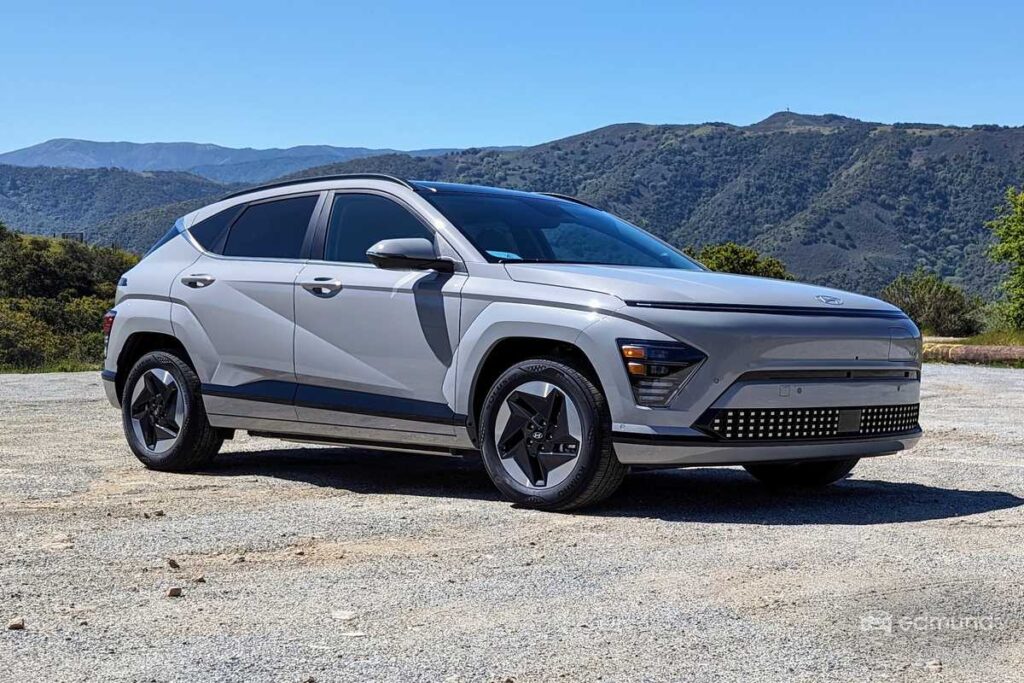
Content in this publication
- Introduction: Why Real-World Range Matters More Than Ever
- Understanding the Kona’s Rated vs. Real-World Range
- Hyundai Kona EV Real-World Range by Battery Size
- How Driving Conditions Shape the Kona’s Real-World Range
- Speed: The Make-or-Break Factor
- Terrain: The Hidden Variable
- Driving Style: The Human Factor
- Battery Degradation and Long-Term Range Expectations
- Hyundai Kona Real-World Range on Motorways
- City vs. Highway: The Surprising Winner
- Real-World Range in Winter: What to Expect
- Weight and Cargo: Does It Matter?
- Tyres and Wheels: Surprisingly Important
- How Regenerative Braking Influences Real-World Range
- Charging Habits and Their Impact on Real-World Range
- 2024+ Hyundai Kona EV: Improved Range and Real-World Updates
- Real-World Range vs. Competitors
- Tips to Maximise Your Kona’s Real-World Range
- Conclusion: The Kona EV Is a Real-World Range Champion
- FAQs
Introduction: Why Real-World Range Matters More Than Ever
When we talk about electric crossovers, the Hyundai Kona consistently jumps into the conversation—partly because of its quirky charm, partly because of its impressive efficiency, and definitely because of its reputation for squeezing out more miles than many EVs in its class. But laboratory figures don’t drive your commute—you do. That’s why real-world range is the metric that truly counts.
In this guide, we unravel how far the Hyundai Kona EV actually goes on a single charge under real driving conditions. We explore weather, speed, terrain, battery chemistry, driving habits, and everything in between—because real-world range isn’t a single number but a moving target. Think of it as a dance between your right foot, Mother Nature, and the car’s clever software.
Our goal? To help you understand not just the number, but the why behind the number. And in doing so, we give you the tools to stretch every mile out of your Kona like a pro.
Understanding the Kona’s Rated vs. Real-World Range
How WLTP, EPA, and Real-World Testing Differ
EV range ratings often feel like the calorie counts on cereal boxes—they’re technically accurate, but rarely match what you experience. The Hyundai Kona EV is no exception.
- WLTP Rating (Europe): ~300–319 miles depending on model year
- EPA Rating (U.S.): ~258 miles for the long-range battery
- Real-World Results: typically 210–310 miles depending on conditions
The WLTP cycle is more optimistic and includes more low-load driving. EPA is far stricter. Real-world? That’s where we all live—complete with traffic, rain, cold weather, and the occasional heavy foot.
Hyundai Kona EV Real-World Range by Battery Size
64 kWh Battery (Long Range Model)
This is the Kona that built the reputation. Owners love it because it sips electrons rather than chugging them.
Typical Real-World Range:
- Summer: 260–310 miles
- Mild Weather: 240–280 miles
- Cold Weather: 180–230 miles
- Motorway at 70 mph: 200–240 miles
39 kWh Battery (Standard Range Model)
Smaller battery, lower weight, still surprisingly efficient.
Typical Real-World Range:
- Summer: 150–190 miles
- Mild Weather: 140–170 miles
- Cold Weather: 110–140 miles
- Motorway at 70 mph: 120–150 miles
How Driving Conditions Shape the Kona’s Real-World Range
Weather: The Silent Battery Killer
Hot or cold, temperature is the biggest wildcard.
Cold Weather Effects
- Battery chemistry slows down
- Tyres stiffen
- Cabin heating drains energy
- Regenerative braking power is reduced
Result: 20–40% range loss is normal.
Hot Weather Effects
- Air conditioning increases energy demand
- Battery cooling system works harder
Result: 5–15% range penalty.
Speed: The Make-or-Break Factor
Speed turns EVs into aerodynamic experiments.
Typical Speed Impact on Range
- 30–40 mph: Kona EV becomes a hyper-mileage champion
- 55–65 mph: efficiency sweet spot
- 70+ mph: expect range to dip significantly
At 75 mph, drag becomes your constant adversary—it’s like driving with an invisible parachute.
Uphill Roads
You burn energy faster because you’re climbing gravitational debt.
Downhill Roads
You gain some energy back through regenerative braking—but not enough to completely offset ascents.
Urban Driving
Stop-and-go traffic might sound bad, but EVs thrive here:
- Regen braking does the heavy lifting
- Lower average speeds = higher efficiency
Driving Style: The Human Factor
Efficiency Boosters
- Smooth acceleration
- Maintaining steady speeds
- Anticipating traffic flow
- Keeping regen at medium or high settings
Range Killers
- Hard launches
- High-speed cruising
- Frequent heavy braking
- Overuse of sport mode (fun, but costly)
Imagine the Kona EV as a marathon runner—smooth and steady wins the range game.
Battery Degradation and Long-Term Range Expectations
What Owners Experience After Years of Driving
Hyundai’s battery chemistry (NCM cells for pre-2023 models and newer improved packs) is robust. Real-world owner reports show:
- After 1 year: ~1–2% degradation
- After 3 years: ~3–5%
- After 5 years: ~6–10% typical
- After 8 years: most still above 80%
Hyundai’s 8-year/100,000-mile battery warranty adds peace of mind.
Hyundai Kona Real-World Range on Motorways
EVs always lose range on fast roads—but the Kona performs better than many competitors.
Real-World Highway Estimates (64 kWh Version)
- 65 mph: 240–260 miles
- 70 mph: 200–240 miles
- 75 mph: 180–210 miles
Its aerodynamic shape and efficient motor help maintain respectable speeds without massive punishment.
City vs. Highway: The Surprising Winner
City driving often gives the highest range because:
- Regeneration reclaims energy
- Lower speeds support efficiency
On a mild day, a Kona EV can hit:
- 300+ miles in urban conditions
- Rarely below 180 miles even with AC or heater
Real-World Range in Winter: What to Expect
Winter is brutal on EVs—Kona included.
What Drains Range in Winter
- Cabin heater: up to 3 kW
- Battery warming system
- Lower battery efficiency
- Blower, wipers, lights increased use
How to Improve Winter Range
- Pre-heat while plugged in
- Use seat and steering wheel heaters instead of cabin heat
- Keep regen high
- Maintain proper tyre pressure
Doing all these can improve winter performance by 10–20%.
Weight and Cargo: Does It Matter?
More weight = more energy needed to move the vehicle.
Extra Load Impact
- +100 lbs (~45 kg) = 1–2% less range
- Roof boxes hit range harder due to aerodynamic drag
- Bike racks can cause 5–20% reduction
If range is crucial, streamline where possible.
Tyres and Wheels: Surprisingly Important
Tyre Type
- Eco tyres: maximize range
- Sport/performance tyres: reduce range
- Winter tyres: slightly higher rolling resistance
Wheel Size
19-inch wheels are stylish but less efficient.
17-inch wheels deliver the best range.
How Regenerative Braking Influences Real-World Range
Hyundai’s regen system is one of the best in the segment.
Kona’s Regenerative Modes
- Level 0: coasting
- Level 1–3: light to strong regen
- Auto Mode: smart, adaptive braking
- Paddle Hold: one-pedal-like driving
Using higher regen in city driving can help add 5–12% more usable range.
Charging Habits and Their Impact on Real-World Range
Effects of High-Speed Charging
Frequent DC fast charging doesn’t immediately affect range but may slowly increase long-term degradation.
Best Charging Practices
- Charge to 80% for daily use
- Use 100% only before long trips
- Avoid keeping the battery low for long periods
Better battery health = better real-world range.
2024+ Hyundai Kona EV: Improved Range and Real-World Updates
The latest generation Kona EV has improved aerodynamics, better battery management, and more efficient motors.
Real-World Expectation for Newer Kona EVs
- 48 kWh version: 160–210 miles
- 65.4 kWh version: 240–300 miles
- Even better cold-weather performance
Hyundai’s second-generation thermal management system keeps winter losses more controlled than older models.
Real-World Range vs. Competitors
If you’re comparing the Kona EV to segment rivals, here’s how it stacks up:
Compared with Peugeot e-2008
- Kona has better highway efficiency
- Higher real-world summer range
Compared with Kia Niro EV
- Nearly identical but Kona is slightly more efficient at low speeds
Compared with VW ID.3
- ID.3 is larger but less efficient in mixed driving
Compared with MG4
- MG4 offers good range, but Kona still wins in city efficiency
Overall, the Kona EV remains one of the most efficient crossovers in its class.
Tips to Maximise Your Kona’s Real-World Range
Quick Wins You’ll Notice Immediately
- Keep tyres at recommended pressure
- Pre-condition before unplugging
- Use eco mode when needed
- Minimise roof attachments
- Plan routes with fewer high-speed sections
Advanced Strategies
- Learn to “feather” the accelerator
- Use regenerative paddles actively
- Drive with climate settings at moderate levels
- Keep software updated
Conclusion: The Kona EV Is a Real-World Range Champion
The Hyundai Kona EV isn’t just good on paper—it consistently outperforms expectations on the road. With the right conditions, it can hit ranges that rival larger, more expensive EVs. Even in tough weather or motorway conditions, it remains one of the most efficient electric crossovers available.
Whether you’re commuting, road-tripping, or navigating urban life, the Kona delivers range stability that breeds confidence. Understand its strengths, adapt to its quirks, and you’ll unlock performance and efficiency that make the real-world range not just a number—but a pleasant surprise.
FAQs
1. What is the best real-world range I can expect from the Kona EV?
With the 64 kWh battery in warm weather, around 280–310 miles is realistic.
2. How much does cold weather reduce the Kona’s range?
Expect a 20–40% drop depending on heater use and temperature.
3. Does highway driving reduce the Kona’s range?
Yes. At 70 mph, the typical range is 200–240 miles.
4. How long does it take to charge the Kona EV?
- DC fast charger: 10–80% in 45–50 minutes
- AC home charger: ~9 hours for full charge
5. Which Kona EV battery is best for long trips?
The 64 kWh model offers the best long-distance stability and remains the top pick for range.
If you want to know other articles similar to Hyundai Kona Real-World Range: The Complete, No-Nonsense Guide you can visit the category Driving.
Kia Sorento Fuel Economy: MPG, Hybrid, and Plug-In Hybrid Explained
BYD Shark 6 Fuel Consumption: Real-World Economy, Range and What to Expect
Vauxhall Agila MPG: Real-World Fuel Economy and Engine Guide

Honda Passport MPG: Real-World Fuel Economy, Ratings, and What to Expect

Nissan Rogue Fuel Economy: MPG, Range, Costs, and Real-World Efficiency
BYD Shark 6 Long Range Fuel Tank: Is the 120L Upgrade Worth It?
Leave a Reply
More content of your interest