
How to Charge the Hyundai Kona Electric: Complete Guide to Methods, Times, Costs, and Tesla Supercharger Compatibility

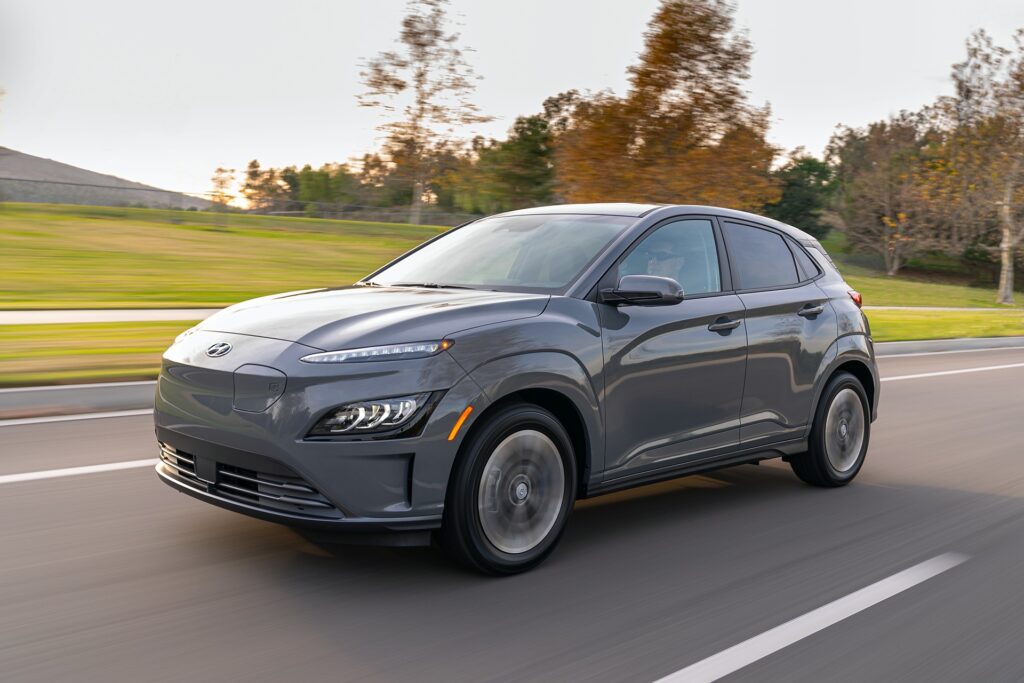
Charging the Hyundai Kona Electric efficiently is central to unlocking its full potential as a modern, long-range EV. We take a deep dive into every charging method, charging time, real-world costs, connector types, and Tesla Supercharger access—offering a complete resource for both new EV owners and seasoned drivers looking to optimize their daily routine.
Content in this publication
- Hyundai Kona Electric Battery, Range, and Charging Specs
- Hyundai Kona Charging Times by Charger Type
- Home Charging Essentials for Hyundai Kona Electric
- Cost to Charge a Hyundai Kona Electric
- Tesla Supercharger Compatibility for Hyundai Kona Electric
- Choosing the Best Charger for Daily Use
- Real-World Charging Tips for Hyundai Kona Owners
- Public Charging Network Options Beyond Tesla
- Home vs Public Charging: Which Is Better?
- Frequently Asked Questions
Hyundai Kona Electric Battery, Range, and Charging Specs
The 2025 Kona Electric is offered with two battery sizes, each influencing charging speed and total range. Understanding these specs helps us determine the best charging strategy for home and public use.
Battery Capacity by Trim
- SE: 48.6 kWh
- SEL, N Line, Limited: 64.8 kWh
Estimated Range
- 200 – 269 miles, depending on trim and road conditions
Maximum Charging Capability
- AC Level 2: Up to 11 kW
- DC Fast Charging: Up to 100 kW
- Supported connectors: J1772 for AC and CCS1 for DC
Hyundai Kona Charging Times by Charger Type
Charging time varies with temperature, state of charge, battery size, and charger output. Under ideal conditions, these are the expected times.
Level 1 Charging (120V Home Outlet)
This is the slowest method, useful for overnight top-ups or emergencies.
- Charging speed: 5–6 miles per hour
- 10–80% charge time: 22–30 hours
Level 2 Charging (240V Home & Public Chargers)
The most practical daily solution for Kona Electric owners.
- Charging power: 7–11 kW
- Charging speed: 12–38 miles per hour
- 10–80% charge time: 3–7 hours
- Best setup: 40A–48A Level 2 charger for maximum 11 kW delivery
DC Fast Charging (Public 100 kW Stations)
The fastest option for long trips and rapid recovery.
- Peak charging power: 100 kW
- 10–80% charge time: 34–45 minutes
- Ideal for: High-speed road trip stops
Home Charging Essentials for Hyundai Kona Electric
A well-configured home charging setup saves time and significantly reduces long-term costs. We outline the options that best match the Kona Electric’s 11 kW AC capability.
Recommended Charger Output
- 40A–48A Level 2 charger for best speed
- Delivers full 11 kW when wired on an appropriate circuit
Installation Requirements
- 240V dedicated circuit
- Potential need for panel upgrade depending on home electrical capacity
- Qualified electrician recommended for safe installation
Hardwired vs. Plug-In
- Hardwired: Highest stability, ideal for permanent installations
- Plug-In (NEMA 14-50): Portable, convenient, widely compatible
Smart Charging Benefits
- Wi-Fi connectivity
- Scheduled charging for off-peak rates
- Energy usage monitoring
- Remote start/stop options
These features help drivers reduce costs and optimize routine charging.
Cost to Charge a Hyundai Kona Electric
Electricity cost varies widely across regions and charging networks. Below is a detailed breakdown for home, commercial, and DC fast charging.
Home Charging Cost (Average $0.162/kWh)
Charging at home remains the cheapest way to run the Kona Electric.
- Cost per 100 miles: $4.70 – $5.02
- Full charge cost:
- SE (48.6 kWh): ~$7.87
- SEL/N Line/Limited (64.8 kWh): ~$10.50
Public Charging Cost (DC Fast Charging)
Public rapid charging is faster but significantly more expensive.
- Cost per kWh: $0.30 – $0.50
- Cost per 100 miles: $10.15 – $10.85
- Full charge cost:
- SE: $17.01 – $22.68
- Larger battery trims: proportionally higher
Why DC Charging Costs More
DC stations require higher-power infrastructure, cooling, and network management—their price reflects the premium convenience of rapid energy delivery.
Tesla Supercharger Compatibility for Hyundai Kona Electric
The 2025 Kona Electric can charge at select Tesla Superchargers equipped with the Magic Dock CCS1 adapter.
Current Status
- Compatible with Magic Dock Superchargers
- Uses CCS1 connector via integrated adapter hardware at the station
- Kona does not natively support NACS yet
Future NACS Support
Hyundai has announced the following roadmap:
- In 2025, Kona Electric owners will gain wider access to Tesla’s network using an official NACS-to-CCS adapter
- Future Hyundai EVs will feature native NACS ports, eliminating adapters entirely
This transition will significantly expand public charging access, especially in regions with high Tesla Supercharger density.
Choosing the Best Charger for Daily Use
Selecting the right home charger helps maximize convenience and reduce costs. These factors define the ideal solution.
Key Criteria
- Amperage: 40A–48A recommended
- Connectivity: Wi-Fi/app control
- Durability: Weatherproof casing for outdoor mounting
- Cable length: 20–25 ft for driveway flexibility
- Certifications: UL or ETL safety listing
Charger Selection Tips
- Drivers with shorter daily commutes may choose lower-amp options (32A)
- Heavy-use EV households benefit from higher-output chargers
- Smart features help track real-world efficiency and charging cost
- Hardwired solutions are best in cold climates where outlets degrade faster
Real-World Charging Tips for Hyundai Kona Owners
Speed Up Level 2 Charging
- Keep the battery between 20%–80%
- Charge in a garage when ambient temperatures are extreme
- Use scheduled charging during off-peak rates
Optimize DC Fast Charging
- Plug in when the battery is warm for peak speeds
- Avoid charging to 100% on a fast charger regularly
- Target 10%–60% for fastest charging curves
Extending Battery Life
- Minimize frequent fast charging
- Reduce exposure to sustained heat
- Store the vehicle at a moderate state of charge when unused
Public Charging Network Options Beyond Tesla
The Kona Electric integrates seamlessly with major charging networks:
Compatible Networks
- Electrify America
- EVgo
- ChargePoint
- Blink
- FLO
- Shell Recharge
These networks support CCS1 and Level 2 J1772, covering the majority of charging needs.
Payment and Access
- App-based payment
- RFID card access
- Plug-and-charge (limited stations)
- Real-time availability through apps
Home vs Public Charging: Which Is Better?
We compare the two based on cost, convenience, and speed.
Home Charging
Pros:
- Lowest cost
- Most convenient
- Ideal for regular daily use
Cons:
- Higher upfront installation cost
- Requires home electrical capacity
Public Charging
Pros:
- Extremely fast DC charging
- Expands long-distance travel
Cons:
- More expensive
- May require waiting during peak hours
For most drivers, home charging handles 85–95% of weekly mileage.
Frequently Asked Questions
How long does it take to fully charge a Hyundai Kona Electric?
From 10% to 80%:
- Level 1: 22–30 hours
- Level 2: 3–7 hours
- DC Fast Charging: 34–45 minutes
Can the Hyundai Kona Electric use Tesla Superchargers?
Yes—at stations equipped with Magic Dock allowing CCS charging. Wider access is coming via Hyundai’s NACS adapter in 2025.
What is the cheapest way to charge the Kona Electric?
Home Level 2 charging is the most cost-effective method, costing roughly $4.70–$5.02 per 100 miles.
What charger size is best for home?
A 40A–48A Level 2 charger is ideal to achieve the Kona’s full 11 kW AC charging capability.
Is DC fast charging safe for the Kona Electric battery?
Yes—but best used sparingly. Routine fast charging accelerates battery wear over time.
If you want to know other articles similar to How to Charge the Hyundai Kona Electric: Complete Guide to Methods, Times, Costs, and Tesla Supercharger Compatibility you can visit the category Service and Parts.
Nissan Rogue Oil Change Cost: Prices, Service Options, and What to Expect
Nissan Rogue Key Battery Replacement: Easy Step-by-Step Guide
Nissan Rogue Oil Change Interval: Complete Guide by Model Year
Nissan Rogue Brake Pads and Rotors Cost: Complete 2026 Guide

Kia Sorento Service Reset: How to Reset the Service Light
Kia Sorento Fuel Tank Capacity: Gallons, Litres and Model Differences
Leave a Reply
More content of your interest