
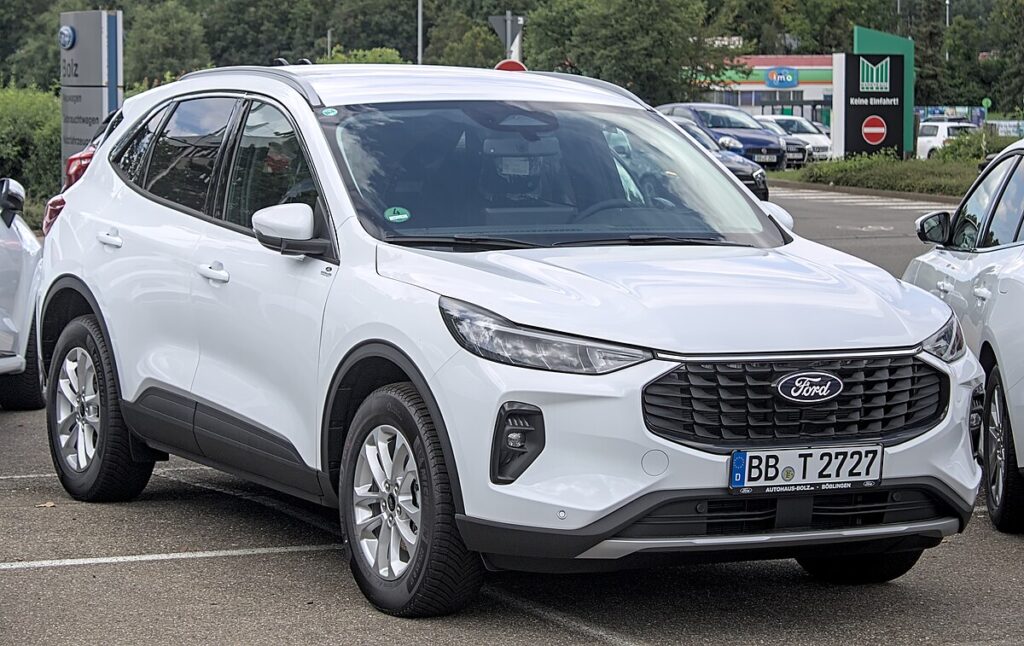
Are Ford Kuga Reliable? A Deep, Human Take on Long-Term Ownership

Content in this publication
- Understanding the Ford Kuga’s Reliability Reputation
- Why Reliability Matters So Much in the Kuga
- Generational Differences: Not All Kugas Are Created Equal
- Reliability of Ford Kuga Petrol Engines
- Reliability of Ford Kuga Diesel Engines
- The Ford Kuga Wet Belt Problem
- Gearbox Reliability: Manual, Automatic, and Powershift
- Electrical & Electronics Reliability
- Ford Kuga DPF Reliability
- Build Quality: How Solid Is the Kuga?
- Owner Satisfaction: What Drivers Really Say
- The Cost To Maintain a Reliable Ford Kuga
- Which Ford Kuga Models Are the Most Reliable?
- How Long Does a Ford Kuga Last?
- So… Are Ford Kuga Reliable Overall?
- Final Thoughts
- FAQs
Understanding the Ford Kuga’s Reliability Reputation
When we sit down and talk reliability, especially in the SUV space, the Ford Kuga often sparks some interesting debates. Some drivers swear by it, claiming it’s a tank disguised as a family crossover. Others have horror stories about wet belts and DPF tantrums. As with most cars, the truth lies somewhere in the middle — and that’s exactly what we unpack here.
Ford introduced the Kuga to offer the comfort of a family SUV without the bulk of old-school 4x4s. Yet reliability has become one of the defining questions because the model spans different generations, engines, technologies, and build qualities. To truly answer are Ford Kuga reliable, we need to peel back every layer: engines, gearboxes, electronics, build consistency, running costs, and the dreaded long-term ownership gremlins.
Let’s dive deep — not with cold statistics, but with real-world patterns, lived experiences, and clear breakdowns we can actually use.
Why Reliability Matters So Much in the Kuga
The Kuga lives at the intersection of family practicality and daily-use demands. This means reliability isn’t a luxury — it's essential. We rely on it for school runs, long motorway hauls, weekend getaways, and everything in between. A glitchy crossover isn’t just an inconvenience; it can disrupt routines, cost money, and drain patience.
So when we ask are Ford Kuga reliable, we’re really asking:
- Will it start every morning?
- Will it run smoothly for years?
- Will it avoid big repair bills?
- Will it take abuse without complaining?
That’s the test.
Generational Differences: Not All Kugas Are Created Equal
First Generation (2008–2012)
The earliest Kugas were mechanically simpler, more rugged, and less tech-heavy — and honestly, that helped their reliability. Common issues were minor, and the engines were simpler to maintain.
Second Generation (2013–2019)
This is where things get interesting. Ford packed more tech, more electronics, more sensors — and with that came more potential failure points. Still, many engines in this era are robust, but a few major weak spots hurt the model’s reputation.
Third Generation (2020–Present)
This generation brings hybrids, updated EcoBoosts, and refined diesels. Overall, it’s more dependable, but hybrid electronics and advanced driver-assist systems can create specific repair challenges.
Reliability of Ford Kuga Petrol Engines
Petrol Kugas have some strong reliability points, but depending on the engine, the experience varies.
1.5 EcoBoost (Most Popular)
- Strong, punchy, reliable… except for the coolant recall saga.
- Models built between 2012–2018 famously suffered from coolant loss leading to overheating or even engine failure.
- Ford issued fixes, and revised builds after 2019 have a much cleaner reputation.
2.0 EcoBoost
- Much rarer but very dependable.
- Fewer reported issues.
- Loved by motorway commuters for its smoothness.
Is Petrol Reliable Overall?
Yes — but ONLY if the coolant recall work was performed. Afterwards, the engines are far more stable. Without it? It’s Russian roulette.
Reliability of Ford Kuga Diesel Engines
Diesels are where the Kuga shines and struggles — depending on how the vehicle is driven.
2.0 TDCi
This is the workhorse of the lineup.
- Strong, durable, and capable of very high mileage.
- Great reliability when maintained properly.
- Sensitive to cheap fuel and overdue oil changes.
Common diesel “quirks”:
- EGR valve clogging
- Turbo actuator issues
- DPF blockages for short-trip drivers
EcoBlue Engines (Newer Models)
These modern units are cleaner and more efficient, with fewer complaints — but they are very sensitive to maintenance and DPF conditions.
You may be interested in reading Are Mazda 3 Reliable? A Complete Ownership Reliability Guide
Diesel Reliability Verdict
For long-distance drivers, the diesel Kuga is extremely reliable.
For city drivers… DPF issues can turn into an expensive headache.
The Ford Kuga Wet Belt Problem
We can’t talk Kuga reliability without addressing the elephant in the room: wet timing belts.
Which Kugas Are Affected?
Mainly 1.5 EcoBoost and some 1.0 variants.
Why Wet Belts Fail
- They run inside the engine oil.
- If oil changes are delayed, contaminants eat away at the belt.
- When a wet belt fails, it can destroy the entire engine.
Key Warning Signs:
- Rattling or chirping noises
- Engine management light
- Loss of power
Reliability Score Hit
The wet belt issue is the number-one reliability complaint across the Kuga range. Models with dry belts or timing chains score significantly higher in long-term dependability.
Gearbox Reliability: Manual, Automatic, and Powershift
Manual Gearbox
- Very dependable
- Clutch wear is common but expected
- Generally the most reliable transmission option
Traditional Automatic
- Found in newer models
- Strong reliability record
- Smooth and predictable
Powershift (Dual-Clutch)
Ah, the infamous Powershift — responsible for a chunk of the Kuga’s negative reviews.
- Known for jerks, hesitations, and mechatronic issues
- Costly repairs
- Notorious for failures at mid-mileages
Which Gearbox Should You Choose?
If reliability is your priority:
- Best: Manual
- Very Good: Newer Automatics (post-2019)
- Risky: Powershift transmissions (pre-2017)
Electrical & Electronics Reliability
With each generation, the Kuga gained more electronics — and naturally, reliability took a small hit.
Common Issues Reported
- Infotainment system freezing
- Navigation system failures
- Parking sensor glitches
- TPMS sensor faults
- Keyless entry inconsistencies
While none of these are catastrophic, they’re inconvenient and contribute to an overall feeling of “flakiness.”
Ford Kuga DPF Reliability
The Kuga diesel’s DPF system is advanced but not always forgiving.
Causes of DPF Problems
- Short trips
- Low-speed city driving
- Failed regenerations
Consequences
- Reduced power
- Warning lights
- Possible limp mode
Is It Reliable?
Yes — but only with frequent motorway speeds to allow proper regeneration.
Build Quality: How Solid Is the Kuga?
Let’s be honest: the Kuga isn’t a premium SUV, but it’s not a cheap-feeling one either.
Strengths
- Solid doors and chassis
- Good soundproofing
- Comfortable suspension
Weaknesses
- Interior plastics can scratch
- Some trim rattles over time
- Aging models show wear sooner than rivals like Kia or Toyota
Overall, build quality sits comfortably above average but below premium brands.
Owner Satisfaction: What Drivers Really Say
One of the most telling signs of reliability is simply listening to Kuga owners.
Positive Themes
- Feels safe and planted
- Great driving comfort
- Extremely practical
- Engines strong after recalls/fixes
- Good fuel economy in diesels
Negative Themes
- Electronics too temperamental
- Wet belts cause anxiety
- DPF frustrations for city users
- Powershift distrust
- Occasional coolant mystery leaks
The trend is clear: owners who understand how their specific engine type needs to be driven and maintained report strong reliability. Those who mismatch engine choice to their lifestyle report more problems.
The Cost To Maintain a Reliable Ford Kuga
Kuga running costs vary depending on engine and model.
You may be interested in readingAre Mazda 3 Reliable? A Complete Ownership Reliability GuideYou may be interested in reading
 Is the Volkswagen Tiguan a Good Car? The Ultimate 2025 Buyer’s Guide
General Maintenance Costs
- Oil changes: fair
- Brakes: average
- Suspension parts: inexpensive
- Tyres: reasonably priced
High-Cost Risks
- Wet belt replacement
- Powershift repair
- DPF replacement
- Turbo issues
A well-maintained Kuga is affordable. A neglected Kuga can become costly quickly.
Which Ford Kuga Models Are the Most Reliable?
If you want the most reliable experience, here’s the hierarchy:
Top Tier
- Diesel 2.0 TDCi (manual)
- EcoBlue diesels (long-distance drivers)
- Newer hybrids (post-2021)
- 2.0 EcoBoost (rare but robust)
Mid Tier
- 1.5 EcoBoost (post-fix, dry belt revisions)
- Automatic gearboxes (post-2019)
Lower Tier / Risky
- 1.5 EcoBoost pre-recall
- Powershift automatic Kugas
- Diesel Kugas driven mostly in cities
How Long Does a Ford Kuga Last?
With proper care, many Kugas easily reach:
- 150,000–200,000 miles for diesels
- 130,000–160,000 miles for petrols
- Hybrid longevity is still early, but promising
The biggest variable is maintenance discipline.
So… Are Ford Kuga Reliable Overall?
Yes — but conditionally.
The Ford Kuga can be a very reliable SUV when:
- You choose the right engine for your driving style
- You avoid known weak spots (like Powershift)
- Maintenance is kept sharp
- Recalls and updates are completed
When matched well and cared for, the Kuga is dependable, practical, and enjoyable. It isn’t perfect — but it’s far from the unreliable beast some forums portray.
Final Thoughts
Reliability isn’t just a score; it’s a relationship between the car and the owner. And the Ford Kuga rewards owners who understand it. When driven in the right conditions, maintained correctly, and selected with known issues in mind, the Kuga stands tall as a trustworthy family SUV.
Is it flawless? No.
Is it capable of long, dependable service? Absolutely.
The Kuga is a bit like a loyal dog — treat it well, and it’s faithful; ignore its needs, and it’ll chew the furniture.
FAQs
1. Do Ford Kugas have many problems?
Some engines and gearboxes have known issues, but most modern Kugas are reliable after recall fixes and proper maintenance.
2. Which Ford Kuga engine is the most reliable?
The 2.0 TDCi diesel and the 2.0 EcoBoost petrol consistently score highest.
3. Are Ford Kuga diesels reliable for short trips?
Not ideally — short trips can cause DPF problems. They perform best on longer, hotter drives.
4. How long does a Ford Kuga engine last?
Many engines exceed 140,000–200,000 miles when maintained properly.
5. Is the Ford Kuga expensive to maintain?
Routine costs are moderate, but major repairs (DPF, wet belt, Powershift) can be costly if issues arise.
You may be interested in readingAre Mazda 3 Reliable? A Complete Ownership Reliability GuideYou may be interested in reading
Is the Volkswagen Tiguan a Good Car? The Ultimate 2025 Buyer’s GuideYou may be interested in reading
 MG4 Reliability: The Complete Real-World Guide to How Reliable the MG4 Really Is
If you want to know other articles similar to Are Ford Kuga Reliable? A Deep, Human Take on Long-Term Ownership you can visit the category Blog.
Is Vauxhall Agila a Good Car? Reliability, Problems and Buying Guide

Honda Passport Life Expectancy: How Many Miles Can It Last?
Honda Passport Depreciation: How Well Does It Hold Its Value?

Nissan Rogue Reliability Rating: How Reliable Is the Rogue?
Nissan Rogue Life Expectancy: How Long Does It Last?
Vauxhall Agila Reliability: Common Problems, Best Engines and What to Check
Leave a Reply
More content of your interest