
Which Ford Kuga Engine Is Best? The Complete, No-Nonsense Guide

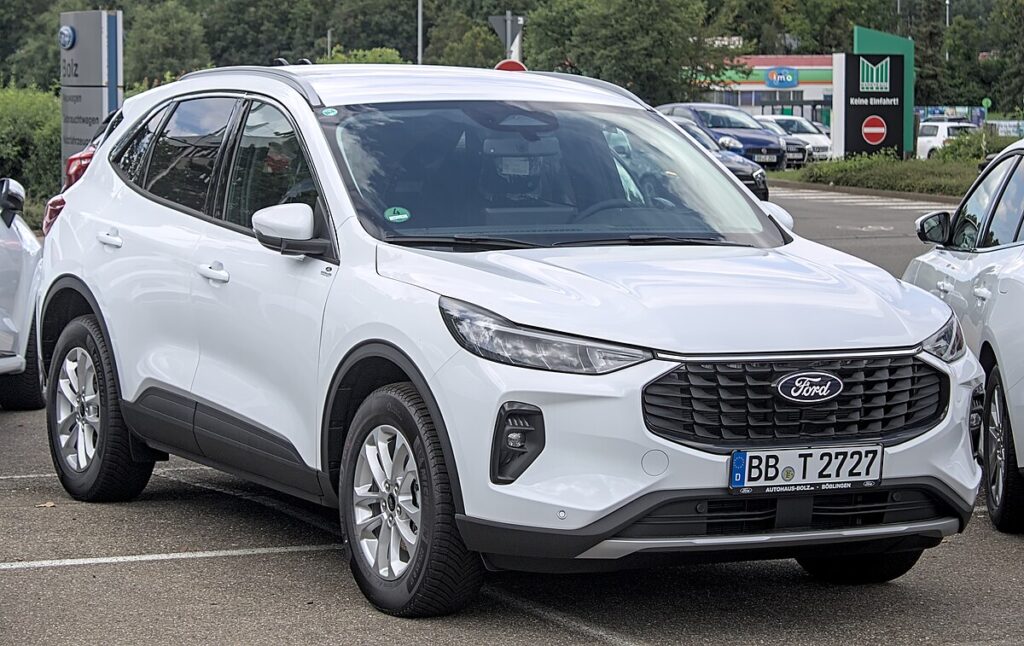
If you’ve ever stood in front of a used Ford Kuga listing or dealership forecourt and thought, “Why are there so many engines… and which one is actually the best?” — you’re not alone. The Ford Kuga has been blessed (and occasionally cursed) with an unusually wide engine lineup over its generations. From EcoBoost petrol units to hefty EcoBlue diesels and even a plug-in hybrid that rewrote Kuga history, choosing the right powerplant can feel like ordering from a restaurant without a menu.
Today, we’re cutting through the noise. We’re going to break down every major Kuga engine, compare their strengths, weaknesses, driving characteristics, ownership costs, and real-world reliability patterns. By the end, you’ll know exactly which Ford Kuga engine is best for you, not just on paper — but in real-world ownership.
Let’s dive in.
Content in this publication
- Understanding the Ford Kuga Engine Landscape
- What Makes an Engine “the Best” in the Kuga?
- The Best Overall Ford Kuga Engine (Spoiler Alert)
- 1. The 1.5 EcoBoost Petrol (Mk2 & Mk3)
- 2. The 2.0 TDCi Diesel (Mk1 & Mk2)
- 3. The 1.5 EcoBlue Diesel (Mk3)
- 4. The 2.0 EcoBlue Diesel (Mk3)
- 5. The Full Hybrid (FHEV) 2.5 Duratec (Mk3)
- 6. The Plug-In Hybrid (PHEV) 2.5 Duratec (Mk3)
- Best Engine for Reliability
- Best Engine for Fuel Economy
- Best Engine for Motorway Driving
- Best Engine for Towing
- Best Engine for City Driving
- Best Engine for Short Trips
- Best Engine for Tight Budgets (Used Market)
- Best Engine for Long-Term Ownership
- If you mainly drive in the city:
- If you mostly drive on motorways:
- If you tow regularly:
- If you only do short trips:
- If you're a high-mileage driver (20k+/year):
- If you want the cheapest ownership experience:
- 1.5 EcoBoost Petrol
- 1.5 EcoBlue Diesel
- 2.0 TDCi (older)
- 2.0 EcoBlue
- PHEV 2.5
- ⭐ The 2.0 EcoBlue 150 Diesel
Understanding the Ford Kuga Engine Landscape
Before we pick winners and losers, we need to understand what Ford actually offered across the Kuga generations. The engine selection changed dramatically, especially with the second-generation facelift and the introduction of the latest third-generation model.
The Three Kuga Generations and Their Engine Families
| Generation | Years | Main Engines |
|---|---|---|
| Mk1 (2008–2012) | Early years | 2.0 TDCi |
| Mk2 (2013–2019) | Most varied | 1.5 EcoBoost, 2.0 TDCi, 1.5 TDCi |
| Mk3 (2020–present) | Modern era | 1.5 EcoBoost, 1.5 EcoBlue, 2.0 EcoBlue, FHEV Hybrid, Plug-In Hybrid |
Each era brings its own pros and cons, from the rugged diesel days to hybrid-focused modern efficiency.
What Makes an Engine “the Best” in the Kuga?
A great engine doesn’t just perform well on a spec sheet. It needs to deliver real-world quality:
- Reliability – long-term durability, common issues, and design strengths
- Fuel economy – especially in a family SUV
- Performance and torque – how it actually feels day-to-day
- Running costs – insurance, parts, maintenance
- Driving style suitability – motorway? city? towing?
- Emission standards – especially for clean-air zones in the UK and EU
Because everyone’s needs differ, there is no universal “best engine” — but there are clear winners in each category.
The Best Overall Ford Kuga Engine (Spoiler Alert)
If you want the quick answer before we unpack the full breakdown:
⭐ Overall Best Ford Kuga Engine: The 2.0 EcoBlue 150 Diesel (Mk3)
Why?
- Superb long-distance economy
- Strong torque (ideal for an SUV)
- Excellent reliability history
- Perfect for towing
- Fantastic motorway refinement
- Low real-world fuel consumption
But if you’re not a diesel fan, don’t worry — there are standout petrol and hybrid options too.
Now let’s break down every major Kuga engine to see how they stack up.
The Ford Kuga Engines Reviewed
1. The 1.5 EcoBoost Petrol (Mk2 & Mk3)
What It Is
A turbocharged petrol engine available in 118bhp, 148bhp, and 180bhp outputs depending on generation.
Why It’s Popular
- Smooth
- Quiet
- Punchy performance
- Lively driving feel
Real-World Strengths
- Ideal for town and short trips
- Very refined
- Less diesel-related maintenance complications
Weak Points
- Known for higher fuel consumption
- Mk2 1.5 EcoBoost had overheating and head gasket issues
- Not suitable for towing heavy loads
Best For
Drivers who mainly do short trips, prefer petrol smoothness, and do not want diesel or hybrid technology.
2. The 2.0 TDCi Diesel (Mk1 & Mk2)
The Veteran Workhorse
This engine powered early Kugas and remained popular in the Mk2 range.
Strengths
- Strong torque
- Robust reliability
- Excellent motorway efficiency
- Proven PSA/Ford collaboration engine
Weak Points
- Can feel noisier and older-school compared to newer diesels
- Around-town short trips cause DPF issues
- Some models suffer EGR valve failures
Best For
High-mileage drivers, rural roads, and anyone wanting the most durable Kuga diesel before the EcoBlue era.
You may be interested in reading Are Mazda 3 Reliable? A Complete Ownership Reliability Guide
3. The 1.5 EcoBlue Diesel (Mk3)
Small Diesel, Big Surprise
This 1.5-litre diesel is surprisingly capable despite its size.
Strengths
- Very economical
- Low emissions
- Smooth for a small diesel
Weak Points
- Not great for towing
- Not as strong on the motorway as the 2.0 EcoBlue
- Can feel sluggish when fully loaded
Best For
Long city commutes or mixed light duty where diesel is still beneficial but big power isn’t required.
4. The 2.0 EcoBlue Diesel (Mk3)
⭐ The King of the Kuga Engines
Offered in 150hp and 190hp outputs, this engine is widely regarded as the best balance of everything.
What Makes It Outstanding
- Superb reliability patterns
- Huge torque availability (up to 400Nm)
- Very low real-world fuel consumption
- Quiet, refined, and beautifully matched to the Kuga
- Great for towing
- Ideal for heavy motorway use
Weak Points
- Diesel Particulate Filter still requires longer trips
- Higher purchase price than smaller engines
- Not ideal for short-trip-only drivers
Best For
Anyone who wants the best all-round engine with long-term durability and performance.
5. The Full Hybrid (FHEV) 2.5 Duratec (Mk3)
A Surprisingly Strong Contender
The self-charging hybrid uses a naturally aspirated petrol engine paired with electric motors.
Strengths
- Quiet, smooth, and refined
- No need to plug in
- Highly reliable Toyota-style hybrid principles
- Great in stop-start traffic
Weak Points
- CVT gearbox feel isn’t loved by everyone
- Not as economical on the motorway
- Lacks towing strength of diesel
Best For
Urban and suburban drivers who want reliability and smoothness without going full plug-in.
6. The Plug-In Hybrid (PHEV) 2.5 Duratec (Mk3)
Ford’s Most Famous (and Infamous) Kuga Engine
The PHEV gained global attention due to battery recall issues early on. Once resolved, it became one of the most efficient engines in the lineup.
Strengths
- Up to 35–39 miles real-world EV range
- Excellent for school runs and daily commutes
- Zero-emission zone friendly
- Extremely quiet around town
- Low company-car tax (UK)
Weak Points
- Early model battery fire recalls (now corrected)
- Expensive to buy used or new
- Not ideal for long motorway journeys if the battery is empty
- Hybrid batteries will eventually degrade
Best For
Drivers who do short daily trips and have access to home charging — the PHEV becomes incredibly cheap to run.
Best Ford Kuga Engine by Category
Now we pick winners.
Best Engine for Reliability
⭐ Winner: 2.0 EcoBlue 150 Diesel
Why?
- Modern but proven design
- Fewer failure points than small turbo petrols
- Excellent long-term durability reports
- Strong materials and smart cooling design
Runner-up: 2.5 Hybrid (FHEV)
Best Engine for Fuel Economy
⭐ Winner: 2.5 Plug-In Hybrid (PHEV)
(with regular charging)
If you charge daily, nothing comes close.
If you don’t charge:
⭐ Winner (non-plug-in): 1.5 EcoBlue Diesel
Best Engine for Motorway Driving
⭐ Winner: 2.0 EcoBlue 150 Diesel
It gives the best balance of torque, refinement, and real-world mpg.
You may be interested in readingAre Mazda 3 Reliable? A Complete Ownership Reliability GuideYou may be interested in reading
 Is the Volkswagen Tiguan a Good Car? The Ultimate 2025 Buyer’s Guide
Best Engine for Towing
⭐ Winner: 2.0 EcoBlue 190 Diesel (AWD)
Huge torque + stability = ideal towing platform.
Best Engine for City Driving
⭐ Winner: 2.5 Full Hybrid (FHEV)
The stop-start hybrid system makes city fuel economy impressive.
Best Engine for Short Trips
⭐ Winner: 1.5 EcoBoost Petrol
Diesels dislike short trips due to DPF regeneration.
Best Engine for Tight Budgets (Used Market)
⭐ Winner: 2.0 TDCi (Mk2)
Lower purchase price + long-term robustness.
Best Engine for Long-Term Ownership
⭐ Winner: 2.5 Full Hybrid (FHEV)
Fewer moving parts, very stable hybrid technology, simple chain-driven engine.
So… Which Ford Kuga Engine Is the Best?
It depends on your use case, but here’s the simplified take:
The Best All-Round Engine:
- 2.0 EcoBlue 150 Diesel
Reliable, efficient, powerful, perfect for motorway driving.
The Best Petrol:
- 1.5 EcoBoost 150
The Best Hybrid:
- 2.5 Full Hybrid (FHEV)
The Best for Short Trips:
- 1.5 EcoBoost
The Best for High Mileage:
- 2.0 EcoBlue Diesel
The Best for Towing:
- 2.0 EcoBlue 190 AWD
The Best for Company Car Drivers:
- 2.5 PHEV
Which Ford Kuga Engine Should You Choose (Based on Driving Style)?
Here’s the easiest breakdown you’ll find anywhere.
If you mainly drive in the city:
- Go Hybrid (FHEV or PHEV)
Smooth, clean, economical.
If you mostly drive on motorways:
- Choose 2.0 EcoBlue 150 or 190
If you tow regularly:
- Go straight to 2.0 EcoBlue 190 AWD
If you only do short trips:
- Pick 1.5 EcoBoost
Avoid diesels.
If you're a high-mileage driver (20k+/year):
- 2.0 EcoBlue every time.
If you want the cheapest ownership experience:
- Mk2 2.0 TDCi
Common Issues to Consider (Engine-by-Engine)
Because transparency matters.
1.5 EcoBoost Petrol
- Coolant leak issues (Mk2)
- Overheating
- Coil pack failures
1.5 EcoBlue Diesel
- DPF issues if used for short trips
- EGR valve issues in some units
2.0 TDCi (older)
- Turbo failures (rare but possible)
- EGR clogging
- DPF blockage
2.0 EcoBlue
- Early injector seal issues (rare)
- AdBlue system sensors
PHEV 2.5
- Battery recall in early units
- Hybrid battery wear over long ownership
Final Verdict: Which Ford Kuga Engine Is Best?
If we had to crown one champion…
⭐ The 2.0 EcoBlue 150 Diesel
It simply does everything well:
- Durable
- Efficient
- Powerful
- Reliable
- Great for heavy cars
- Perfect for long journeys
- Low real-world running costs
But the best engine for you depends heavily on your driving habits, and hopefully this guide has made that decision effortless.
FAQs
1. Is the Ford Kuga EcoBoost engine reliable?
Yes — the Mk3 versions are reliable. The Mk2 1.5 EcoBoost had cooling issues, so check service history carefully.
2. Is the Ford Kuga diesel better than petrol?
For motorway driving, towing, and long distances: absolutely yes. For short trips, petrol wins.
3. What is the most economical Ford Kuga engine?
The Plug-In Hybrid, if you charge it daily. Otherwise, the 1.5 EcoBlue diesel.
4. Which Kuga engine lasts the longest?
The 2.5 Full Hybrid (FHEV) thanks to its simpler, naturally aspirated base engine and proven hybrid system.
5. What engine is best for used Kuga buyers?
The Mk2 2.0 TDCi offers the best value, while the Mk3 2.0 EcoBlue offers the best modern performance.
You may be interested in readingAre Mazda 3 Reliable? A Complete Ownership Reliability GuideYou may be interested in reading
Is the Volkswagen Tiguan a Good Car? The Ultimate 2025 Buyer’s GuideYou may be interested in reading
 MG4 Reliability: The Complete Real-World Guide to How Reliable the MG4 Really Is
If you want to know other articles similar to Which Ford Kuga Engine Is Best? The Complete, No-Nonsense Guide you can visit the category Blog.
Jaguar F-Pace Quality: Build, Reliability, and Luxury SUV Craftsmanship
Jaguar F-Pace Owner Reviews: Real Drivers Share the Truth About Jaguar’s Luxury SUV
Jaguar F-Pace Recalls: Complete Guide to Known Issues, Fixes, and What Owners Should Know
Jaguar F-Pace Reliability UK: Real Ownership Insights, Problems, and Long-Term Dependability
Jaguar F-Pace Insurance Group: Costs, Factors, and Ways to Save
Jaguar F-Pace Years to Avoid: A Complete Buyer’s Guide
Leave a Reply
More content of your interest