
Nissan Leaf Battery Size: Complete Guide to Capacities, Range, and Real-World Performance

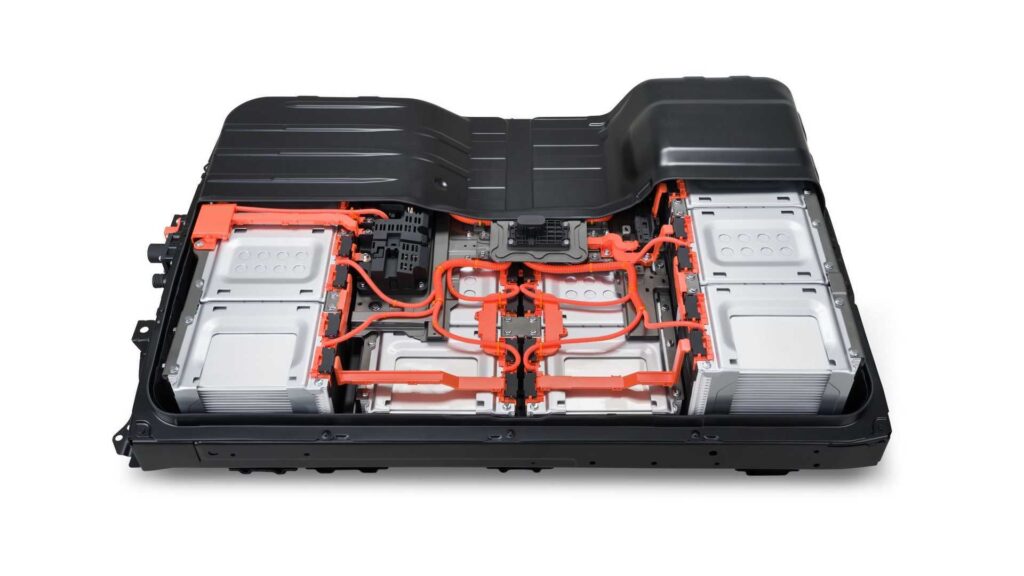
Understanding the Nissan Leaf battery size is like unpacking the true heart of the world’s best-selling electric car. The Leaf has gone through several battery evolutions—small packs, bigger packs, packs with cooling debates, packs with long-range promises. And here we are, breaking them all down with clarity, relatable insights, and some real talk about what you actually get when you’re behind the wheel.
We’ve spent years analysing EV specs, owner reports, and real-world performance clues. So, in this guide, we’re not just tossing numbers at you—we’re telling you what those numbers mean. Because battery size isn’t just capacity; it’s lifestyle, range, comfort, and yes… even occasional anxiety.
Let’s dive in.
Content in this publication
- Nissan Leaf Battery Sizes by Generation
- Why Battery Size Matters More Than Any Other Leaf Spec
- First Generation (2011–2015) Nissan Leaf: 24 kWh Pack
- 2016–2017 Nissan Leaf: 30 kWh Battery Upgrade
- Second Generation Nissan Leaf (2018–present): 40 kWh Battery
- Leaf Plus: 62 kWh Battery (Long Range Model)
- Nissan Leaf Battery Size Comparison Table
- Which Nissan Leaf Battery Size Should You Choose?
- How Leaf Battery Size Impacts Longevity
- Range Loss Over Time by Battery Size
- How Battery Size Affects Resale Value
- Charging Time Differences Between Battery Sizes
- Thermal Management: The Leaf’s Biggest Weak Point
- Do Bigger Battery Leafs Charge Faster?
- Energy Density Improvements Over Time
- Impact of Battery Size on Leaf Weight
- How Climate Affects Each Battery Size
- Is a Larger Leaf Battery Always Better?
- Which Nissan Leaf Battery Size Is Best Overall?
- Conclusion: Choosing the Nissan Leaf Battery Size That Fits Your Life
- FAQs
Nissan Leaf Battery Sizes by Generation
The Nissan Leaf has three major battery eras, each with its own capacity options:
- 24 kWh (2011–2015)
- 30 kWh (2016–2017)
- 40 kWh (2018–present base model)
- 62 kWh (2019–present Leaf Plus)
These capacities dramatically change the driving experience, and not just in the obvious ways. Earlier models were built for short-commute drivers. Newer ones aim for longer, more confident journeys.
Why Battery Size Matters More Than Any Other Leaf Spec
The battery—its size, chemistry, thermal management, and health—defines:
- Range
- Charging speed
- Longevity
- Usability for daily life
- Resale value
If you're shopping for a Leaf, battery size is the feature you should obsess over. Not trim level, not wheels, not infotainment. Battery first, always.
First Generation (2011–2015) Nissan Leaf: 24 kWh Pack
Battery Chemistry & Cooling
The original Leaf used a 24 kWh lithium-ion pack with passive air cooling. No liquid cooling, no active thermal management. Simple but occasionally problematic in hot climates.
Real-World Range
While Nissan advertised 73–84 miles, owners often reported:
- 55–70 miles in mixed driving
- 45–55 miles in winter
- 65–75 miles in summer
Who This Battery Size Suits
People who:
- Drive short commutes
- Live in cool to moderate climates
- Want the lowest cost Leaf on the used market
Downsides
- Faster degradation compared with later battery types
- Limited range for modern expectations
2016–2017 Nissan Leaf: 30 kWh Battery Upgrade
The facelifted first-gen Leaf introduced the 30 kWh battery, a noticeable improvement.
Advertised Range
- Official: 107 miles
- Practical: 80–100 miles
Degradation Notes
The 30 kWh pack received criticism due to rapid early degradation in certain climates. Nissan later updated software to manage state-of-health more accurately, but issues still pop up online forums.
Best For
Drivers wanting a bigger range without jumping to the newer generation.
Second Generation Nissan Leaf (2018–present): 40 kWh Battery
The New Standard Battery
The base model of the modern Leaf comes with a 40 kWh battery—almost double the original capacity.
Advertised Range
- 151 miles
Real-World Range
Expect:
You may be interested in reading Nissan Leaf Charge Time: The Complete, No-Nonsense Guide for Every EV Driver
- 120–140 miles depending on conditions
- 110–125 miles if you push highways hard
Charging Time
- 0–80% in about 40 minutes (50 kW DC fast charger)
- Home charging: 7.5 hours at 6.6 kW
Thermal Management
Still passive cooling. But improved chemistry and design help reduce heat buildup.
Leaf Plus: 62 kWh Battery (Long Range Model)
This is the performance king of all Leaf versions.
Advertised Range
- Up to 226 miles
Real-World Range
Most drivers see:
- 190–215 miles
Why This Battery Matters
It finally puts the Leaf in the same usability category as:
- Hyundai Kona Electric
- Kia Niro EV
- VW ID.3
Fast Charging
- 0–80% in 45 minutes (70–100 kW CHAdeMO)
- Slowdown occurs above 60% due to thermal design
Nissan Leaf Battery Size Comparison Table
| Battery Size | Years | Advertised Range (mi) | Real-World Range (mi) |
|---|---|---|---|
| 24 kWh | 2011–2015 | 73–84 | 55–70 |
| 30 kWh | 2016–2017 | 107 | 80–100 |
| 40 kWh | 2018– | 151 | 120–140 |
| 62 kWh | 2019– | 215–226 | 190–215 |
Which Nissan Leaf Battery Size Should You Choose?
Here’s our quick breakdown:
Choose the 24 kWh If…
- You’re on a budget
- Range isn’t a concern
- You drive 20–30 miles a day
Choose the 30 kWh If…
- You want a cheap EV but with a little extra buffer
- You want better resale value than the 24 kWh
Choose the 40 kWh If…
- You commute up to 60 miles daily
- You want consistent, modern range
- You seek a balance of cost and usability
Choose the 62 kWh If…
- You want long road trips
- You dislike charging stops
- You live in a region with mixed climates
- You want the fastest Leaf
How Leaf Battery Size Impacts Longevity
Leaf batteries are known for:
- Longevity in cool climates
- Faster degradation in extreme heat
- High reliability for urban drivers
- Strong chemistry improvements after 2018
General Life Expectancy
- 24 kWh: 8–10 years average
- 30 kWh: 6–9 years (faster degradation reports)
- 40 kWh: 10–12 years
- 62 kWh: 10–14 years
Remember: mileage isn’t the only factor—climate matters more.
Range Loss Over Time by Battery Size
Based on aggregated owner data:
24 kWh
- 15–25% loss by year 5
30 kWh
- 20–30% loss by year 5
40 kWh
- 10–15% loss by year 5
62 kWh
- 8–12% loss by year 5
How Battery Size Affects Resale Value
Larger batteries command higher used-market prices.
Resale Ranking
- 62 kWh (strongest demand)
- 40 kWh
- 30 kWh
- 24 kWh
You can easily pay $5,000–$8,000 more for a 62 kWh Leaf than a 40 kWh.
Charging Time Differences Between Battery Sizes
Home Charging
All Leaf batteries charge at:
- 3.6 kW (older trims)
- 6.6 kW (newer trims)
DC Fast Charging
Bigger batteries take longer but also accept more power.
| Battery Size | Fast Charge Time (0–80%) |
|---|---|
| 24 kWh | 30 min |
| 30 kWh | 30–40 min |
| 40 kWh | 40 min |
| 62 kWh | 45 min |
Thermal Management: The Leaf’s Biggest Weak Point
Passive Cooling Only
Unlike Tesla, Hyundai, Kia, or VW, the Leaf relies on:
- Airflow
- Cabin ventilation
- Basic heat dissipation
This means:
- Slow charging when hot
- Faster degradation in warm areas
- Occasional “rapidgate” charging throttling
Does Battery Size Change This?
It influences heat accumulation:
You may be interested in readingNissan Leaf Charge Time: The Complete, No-Nonsense Guide for Every EV DriverYou may be interested in reading
 The Complete Nissan Leaf Dashboard Warning Lights Guide (2011–2024)
- 24 kWh = less heat generated
- 62 kWh = more heat retained
So larger packs benefit even more from liquid cooling—but Nissan stuck to its design philosophy.
Do Bigger Battery Leafs Charge Faster?
Technically yes—because the 62 kWh pack can accept:
- Up to 100 kW
- Versus 40 kWh’s 46–50 kW
But due to passive cooling, sustained fast charging is limited.
Energy Density Improvements Over Time
Battery density increased from:
- 140 Wh/kg (24 kWh) →
- 180 Wh/kg (40 kWh) →
- 220+ Wh/kg (62 kWh)
Meaning:
- More range
- Same or similar packaging
- Slightly higher weight but better efficiency
Impact of Battery Size on Leaf Weight
| Battery Size | Approx. Additional Weight |
|---|---|
| 24 kWh | Baseline |
| 30 kWh | +46 lbs |
| 40 kWh | +164 lbs |
| 62 kWh | +326 lbs |
Bigger batteries = heavier cars = slightly less efficiency.
How Climate Affects Each Battery Size
Hot Climate (Arizona, Texas, Spain)
- 24 kWh → heavy degradation
- 30 kWh → worst performer
- 40 kWh → acceptable but needs caution
- 62 kWh → best resistance
Cold Climate
- All batteries lose temporary winter range
- The 62 kWh suffers the least
Is a Larger Leaf Battery Always Better?
Yes… and no.
Pros of Larger Battery Sizes
- More range
- Better resale value
- Improved chemistry
- Better longevity
- More confidence for long trips
Cons
- Higher purchase price
- Longer charging times
- More heat buildup
- Heavier vehicle
Which Nissan Leaf Battery Size Is Best Overall?
If we had to pick: the 62 kWh Leaf Plus.
It hits the sweet spot of:
- Real-world range
- Battery durability
- Charging performance
- Everyday usability
But if you're budget-focused? The 40 kWh is nearly perfect for most people.
Conclusion: Choosing the Nissan Leaf Battery Size That Fits Your Life
Battery size isn’t just a spec sheet number—it’s a lifestyle multiplier. The 24 kWh Leaf is a city warrior. The 30 kWh adds breathing room. The 40 kWh makes the Leaf genuinely modern. And the 62 kWh transforms it into a long-range EV that competes in 2025.
We believe the best choice depends on your commute, climate, and budget. But no matter which Nissan Leaf you pick, understanding its battery size empowers you to buy smart, drive smart, and enjoy the EV life with zero surprises.
FAQs
1. What is the battery size of the latest Nissan Leaf?
The newest Leaf comes with a 40 kWh or 62 kWh lithium-ion battery.
2. How many miles can a 40 kWh Leaf go?
Typically 120–140 miles depending on temperature and driving style.
3. How long does a Nissan Leaf battery last?
Expect 10–12 years for modern Leaf batteries, with climate being the biggest factor.
You may be interested in readingNissan Leaf Charge Time: The Complete, No-Nonsense Guide for Every EV DriverYou may be interested in reading
The Complete Nissan Leaf Dashboard Warning Lights Guide (2011–2024)You may be interested in reading
 Nissan Leaf Battery Upgrade: The Complete Long-Range, Cost-Smart Owner’s Guide
4. Does the Leaf have liquid cooling?
No—every Leaf uses passive air cooling, which affects fast charging and longevity in heat.
5. Which battery size offers the best resale value?
The 62 kWh Leaf Plus holds its value the best due to its long range and improved chemistry.
If you want to know other articles similar to Nissan Leaf Battery Size: Complete Guide to Capacities, Range, and Real-World Performance you can visit the category Service and Parts.
Audi A4 Fuel Tank Capacity: Complete Guide by Generation
Audi A4 Towing Capacity: Complete Guide for Safe Towing
Audi A4 Service Reset: Complete Guide for Every Generation
Audi A4 Weight: Complete Guide by Model, Generation, and Drivetrain
Audi A4 Tyre Size: Complete Fitment and Buying Guide
Hyundai Palisade Tyre Size: Complete Wheel and Tyre Guide
Leave a Reply
More content of your interest