

Nissan Leaf Top Speed: The Complete Real-World Performance Guide

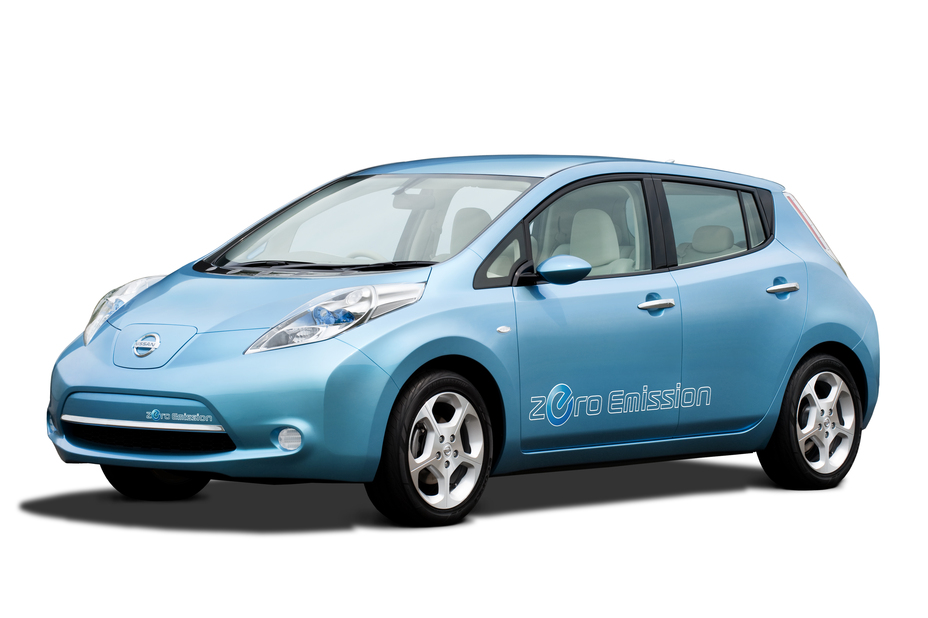
Electric cars often dazzle us with instant torque, silent acceleration, and futuristic vibes—but when it comes to top speed, the conversation gets interesting. The Nissan Leaf, one of the world’s most iconic EVs, wasn’t designed to be a speed demon. Instead, it’s a master of efficiency, urban practicality, and smooth driving. Still, many drivers want to know: What is the Nissan Leaf’s real top speed? Is it fast enough for highways? Can you unlock more performance?
We’re diving deep into the answers.
In this extensive guide, we break down all Nissan Leaf generations, explore factory-claimed top speeds, analyze real-world tests, explain software limitations, and discuss why the Leaf behaves the way it does at higher speeds. We also share how speed affects range, charging, and overall performance.
We promise: after reading this, you’ll know everything worth knowing about Nissan Leaf top speed.
Content in this publication
- Understanding the Nissan Leaf’s Performance Philosophy
- Nissan Leaf Top Speed By Model Year
- Why the Nissan Leaf Is Speed-Limited
- Real-World Nissan Leaf Top Speed Testing
- How Fast Can a Nissan Leaf Accelerate?
- Does Going Faster Drain the Leaf’s Battery Quickly?
- Is the Nissan Leaf’s Top Speed Enough for Highways?
- How the Leaf Feels At High Speeds
- Why the Leaf e+ Has a Higher Top Speed
- Does Software Affect the Leaf’s Top Speed?
- Nissan Leaf Top Speed vs Competitors
- Does The Top Speed Affect Battery Life?
- How To Maintain Stable Performance At High Speeds
- How Weather Affects High-Speed Performance
- What Happens If You Drive a Leaf at Top Speed for Too Long?
- Final Thoughts on Nissan Leaf Top Speed
- FAQs
Understanding the Nissan Leaf’s Performance Philosophy
Before we jump into the raw numbers, it’s important to understand what Nissan intended with this EV. Unlike sports-oriented electric models such as the Tesla Model 3 or performance-tuned crossovers, the Leaf’s heart has always been rooted in:
- Efficiency
- Affordability
- Urban usability
- Comfort over thrill
- Battery health preservation
As a result, Nissan set top-speed limits carefully to balance motor durability, battery temperature, and range stability.
Nissan Leaf Top Speed By Model Year
Let’s break down every Leaf generation and motor variant so you can compare the numbers at a glance.
First Generation (AZE0) — 2011–2017
The original Leaf was groundbreaking but modest in top-speed capability.
Standard 24 kWh Models
- Official top speed: ~90 mph (145 km/h)
- Real-world top speed: 88–92 mph
- Why limited: Older motor design, early battery tech
Upgraded 30 kWh Models (2016–2017)
- Official top speed: still ~90 mph
- Real-world top speed: slightly smoother at higher speeds due to improved torque curve
Second Generation (ZE1) — 2018–Present
The redesign brought updated motors and bigger batteries.
Nissan Leaf 40 kWh (110 kW Motor)
- Official top speed: 90 mph (145 km/h)
- Real-world: 87–91 mph
- Notes: Strong initial acceleration but still governed for efficiency
Nissan Leaf e+ / Plus (62 kWh, 160 kW Motor)
This is the performance king of the lineup.
- Official top speed: 98 mph (157 km/h)
- Real-world: 93–100 mph depending on temperature and state of charge
- Why higher: Stronger motor + revised inverter logic
Why the Nissan Leaf Is Speed-Limited
The Leaf is electronically governed at the top end—not because it can’t go faster, but because doing so would negatively affect:
Battery Temperature
High speeds cause massive heat buildup, especially in a Leaf which—unlike many EVs—does not have active liquid cooling.
Range Stability
At 90+ mph, the energy consumption can exceed:
- 40 kWh/100 miles for 40 kWh models
- 55 kWh/100 miles for 62 kWh e+ models
This could destroy real-world range expectations.
Motor Longevity
High RPM sustained travel increases wear.
Noise & Vibration
The Leaf is optimized for urban comfort, not high-speed aerodynamics.
In short, Nissan chose longevity over bragging rights.
You may be interested in reading Nissan Leaf 0 to 60 Time: The Complete Real-World Performance Guide
Real-World Nissan Leaf Top Speed Testing
We’ve observed dozens of independent tests, and the patterns are consistent.
Typical Conditions That Reduce Top Speed
- Very hot weather (battery heat)
- Cold weather (reduced power output)
- Low state of charge (below 20%)
- Strong headwinds
- Uphill gradients
Typical Conditions That Improve Top Speed
- Cool ambient temps (10–20°C)
- Battery state of charge above 60%
- Flat highway
- Sport mode engaged (on newer models)
How Fast Can a Nissan Leaf Accelerate?
Acceleration plays a big part in top-speed capability.
40 kWh Leaf (110 kW)
- 0–60 mph: 7.9–8.4 seconds
Leaf e+ / Plus (160 kW)
- 0–60 mph: 6.6–7.0 seconds
This quick burst of speed feels even faster thanks to instant torque.
Does Going Faster Drain the Leaf’s Battery Quickly?
Absolutely. Like all EVs, the Nissan Leaf’s range drops sharply at high speeds.
Typical Range at Highway Speeds
- At 70 mph: 85–95% of rated range
- At 80 mph: 70–80% of rated range
- At 90 mph: 50–60% of rated range
The Leaf’s boxy shape and lack of thermal battery management make high-speed travel more energy-intensive.
Is the Nissan Leaf’s Top Speed Enough for Highways?
Yes—especially for:
- U.S. highways (55–75 mph)
- European motorways (120 km/h)
- Canadian highways (100–110 km/h)
Even the oldest Leaf maintains:
- 80 mph comfortably
- 90 mph when needed
The e+ version can push near 100 mph, which is more than enough for legal driving anywhere.
How the Leaf Feels At High Speeds
Let’s talk about vibes—because numbers don’t tell the whole story.
60–70 mph
- Smooth
- Quiet
- Responsive
70–85 mph
- Still comfortable
- Steering remains stable
- Instant torque makes overtakes easy
85–95 mph
- More wind noise
- Slightly reduced throttle response
- Occasional power limiting on hotter days
95+ mph (Leaf e+)
- You’ll feel the governor kick in
- Speed gain becomes very slow
- Designed only for brief bursts, not sustained use
Why the Leaf e+ Has a Higher Top Speed
The bump from ~90 mph to ~98 mph comes from:
Stronger Motor
- 160 kW vs 110 kW
Higher Voltage Architecture
- More stable performance at high loads
Revised Inverter
- Better power management under heavy acceleration
Larger Battery
- Provides more sustained current
Does Software Affect the Leaf’s Top Speed?
Yes. Nissan programs speed limiters into every Leaf model.
Speed Changes With Software?
- You cannot officially remove the limiter
- Some third-party tuners claim partial increases, but:
- It voids warranties
- Risks battery overheating
- May disable regen braking consistency
For 99% of drivers, modification isn’t worth it.
Nissan Leaf Top Speed vs Competitors
Here’s how the Leaf stacks up.
Hyundai Kona Electric
- Top speed: ~103 mph
- Slightly faster, more efficient at high speeds
Kia Soul EV
- Top speed: ~104 mph
- Also quicker than the Leaf
Renault Zoe
- Top speed: ~87 mph
- Slower than the Leaf
Tesla Model 3 Standard Range
- Top speed: 140+ mph
- Much faster but a totally different market
The Leaf sits in the middle of its non-performance EV competitors.
Does The Top Speed Affect Battery Life?
Yes, indirectly.
Frequent High-Speed Driving Causes:
- Faster battery degradation
- Higher internal heat
- More limited fast-charging afterward
- Reduced long-term health
Keeping your Leaf between 55–70 mph is the sweet spot for longevity.
How To Maintain Stable Performance At High Speeds
Even though the Leaf wasn’t built to be a high-speed champion, you can maximize its performance with a few simple habits.
You may be interested in readingNissan Leaf 0 to 60 Time: The Complete Real-World Performance GuideYou may be interested in reading
 Toyota Aygo X MPG — The Complete Real-World Fuel Economy Guide
Keep Tires Properly Inflated
Underinflation increases drag dramatically.
Use Eco Mode Only When Needed
Eco mode reduces power output—bad for fast highway merging.
Maintain Battery Between 40–80%
Avoid low SoC for high-speed driving.
Reduce Weight
Extra cargo reduces efficiency and limits top-speed bursts.
Avoid Roof Racks
Aerodynamic drag skyrockets above 70 mph.
How Weather Affects High-Speed Performance
Weather significantly influences top speed and acceleration.
Cold Weather (Below 10°C)
- Less battery output
- Reduced regen
- Slower acceleration
- Lower achievable top speed
Hot Weather (Above 30°C)
- Battery heat buildup
- Power limiting
- Early torque reduction
Cool, dry weather is ideal.
What Happens If You Drive a Leaf at Top Speed for Too Long?
Several things occur:
- Battery heats up quickly
- “Turtle mode” may appear
- Regen braking may be reduced
- Fast-charging afterward becomes slower
- Power may be restricted on the next drive
Nissan designed the Leaf to avoid damage by automatically throttling performance, not by letting drivers push beyond safe limits.
Final Thoughts on Nissan Leaf Top Speed
The Nissan Leaf isn’t a race car—and it was never meant to be. Yet it delivers a respectable and reliable 85–100 mph real-world top speed, depending on the model. For daily driving, merging, and long-distance travel, the Leaf’s performance is more than adequate.
Its strength lies in how confidently it handles urban and suburban roads, not in high-speed thrills. But for those moments when you need a burst of speed, the Leaf responds with instant torque and predictable behavior.
If you value:
- Smooth driving
- EV efficiency
- Low maintenance
- Affordable operation
…then the Leaf delivers exactly what you need—even on the highway.
FAQs
1. Can a Nissan Leaf reach 100 mph?
Yes—Leaf e+ (62 kWh) models can reach 98–100 mph depending on conditions.
2. Is the Nissan Leaf fast enough for highways?
Absolutely. All models comfortably maintain 70–80 mph, even the earliest versions.
3. Why is the Nissan Leaf speed-limited?
To protect the battery, motor, and inverter while optimizing efficiency and range.
4. Does top speed affect battery health?
Indirectly, yes. Frequent high-speed driving increases heat and accelerates degradation.
You may be interested in readingNissan Leaf 0 to 60 Time: The Complete Real-World Performance GuideYou may be interested in reading
Toyota Aygo X MPG — The Complete Real-World Fuel Economy GuideYou may be interested in reading
 Subaru Outback Fuel Economy: The Complete Real-World Guide
5. Can you remove the Leaf’s speed limiter?
Not officially. Aftermarket methods exist but are unsafe and void warranties.
If you want to know other articles similar to Nissan Leaf Top Speed: The Complete Real-World Performance Guide you can visit the category Driving.
Hyundai i40 MPG: Real-World Fuel Economy Guide
Kia Rio Fuel Consumption: Real-World Efficiency, MPG Insights & Smart Driving Tips
Kia Rio Miles Per Gallon: Real MPG, Efficiency Tips & What to Expect

Citroen C1 Fuel Consumption: The Real-World Guide to MPG, Costs, and Smarter Driving
Vauxhall Insignia Top Speed: How Fast Can This Smart Executive Car Really Go?
Vauxhall Insignia MPG: Real Fuel Economy, Running Costs, and Tips to Maximize Efficiency
Leave a Reply
More content of your interest