
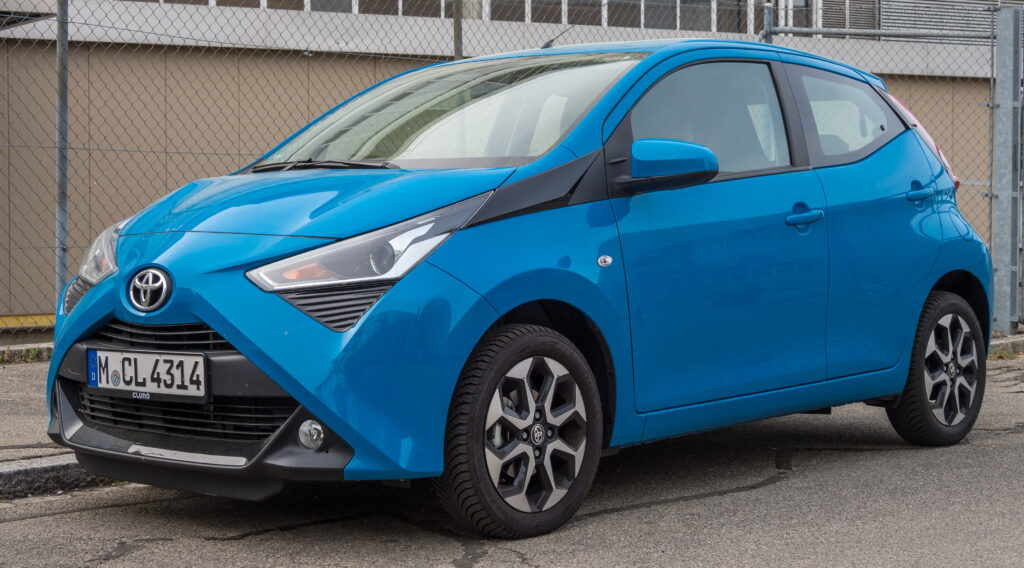
Toyota Aygo Tyre Pressure Light Reset: The Complete Step-By-Step Guide

Content in this publication
- Understanding Why Your Toyota Aygo Tyre Pressure Light Comes On
- Where the Tyre Pressure Sticker Is Located
- Tools You’ll Need Before Resetting the Tyre Pressure Light
- How To Reset the Toyota Aygo Tyre Pressure Light (All Methods)
- Method 1: Automatic Reset After Reinflating the Tyres
- Method 2: Resetting the TPMS Light Using the Reset Button
- Method 3: Resetting the System by Disconnecting the Battery (Last Resort)
- Troubleshooting: Why the Toyota Aygo Tyre Pressure Light Won’t Turn Off
- Check for a Slow Puncture
- Check the Spare Tyre
- Check for Faulty TPMS Sensors
- Check the TPMS Battery
- Check for Incorrect Tyre Size or Pressure Setting
- Check Ambient Temperature Fluctuations
- When To Visit a Mechanic
- Recommended Tyre Pressure Check Routine
- Final Thoughts: Keeping Your Toyota Aygo Safe and Efficient
- Frequently Asked Questions
- 1. How long does it take for the TPMS light to turn off after adding air?
- 2. Can I reset the TPMS light without fixing the tyre pressures first?
- 3. What does a flashing TPMS light mean?
- 4. Does the Toyota Aygo need programming after replacing a TPMS sensor?
- 5. How often should I check tyre pressure in a Toyota Aygo?
Understanding Why Your Toyota Aygo Tyre Pressure Light Comes On
Tyre pressure matters more than most drivers realise. In the Toyota Aygo, the Tyre Pressure Monitoring System (TPMS) keeps constant watch over each wheel’s inflation levels. When one tyre drifts outside of the acceptable threshold—usually due to cold weather, a slow puncture, or natural air loss—the TPMS warning light illuminates on the dashboard.
This light typically looks like a horseshoe with an exclamation mark. When it appears, the system is alerting you that inflation levels have dropped low enough to affect handling, stability, braking, and tyre longevity. To clear the warning, the underlying issue must first be corrected, and then the system must be reset.
Where the Tyre Pressure Sticker Is Located
Every Aygo includes a pressure recommendation label:
- Inside the driver-side door jamb
- Occasionally inside the fuel filler flap
- Also listed in the owner’s manual
For most Toyota Aygo models, typical pressures (depending on wheels, load, and year) fall between:
- 32–35 PSI (2.2–2.4 bar) front
- 30–33 PSI (2.1–2.3 bar) rear
Always follow the exact numbers printed for your specific trim and wheel configuration.
Tools You’ll Need Before Resetting the Tyre Pressure Light
To reset the light correctly, ensure you have:
- A reliable tyre pressure gauge
- Access to an air compressor or petrol station air pump
- Your Aygo’s recommended PSI/bar information
With these in hand, you’re ready to reset the light confidently.
How To Reset the Toyota Aygo Tyre Pressure Light (All Methods)
Reset procedures vary slightly based on year and equipment. Below are the three definitive reset methods covering every generation of the Toyota Aygo.
Method 1: Automatic Reset After Reinflating the Tyres
This is the most common and widely effective method.
Step-by-Step
- Check the pressure of all four tyres using a gauge.
- Inflate each tyre to the recommended PSI/bar shown on your Aygo’s door sticker.
- Include the spare tyre if it has a TPMS sensor (some models do).
- Start the engine and drive for 10–20 minutes at speeds above 25 mph (40 km/h).
- The TPMS system reads each sensor and automatically clears the warning once all pressures are within range.
When This Works
- Ideal for most Aygo models from 2014 onwards
- Works as long as sensors are functioning correctly
If the light stays ON after this drive, move to Method 2.
Some Toyota Aygo models come with a dedicated TPMS reset button.
- Under the steering wheel
- Inside the glove box
- Near the centre console
- Beneath the dashboard trim panel
Step-by-Step
- Inflate all tyres properly before starting.
- Turn the ignition to ON (engine not running).
- Press and hold the TPMS reset button until the dashboard light blinks three times.
- Release the button.
- Start the engine and allow the vehicle to idle for a minute.
- Drive for 5–10 minutes to allow the system to recalibrate fully.
If the blinking light becomes solid and remains ON, continue with troubleshooting further below.
You may be interested in reading Toyota Aygo X Engine Size: The Complete Owner-Focused Guide
Method 3: Resetting the System by Disconnecting the Battery (Last Resort)
Use this only if the above methods fail. It forces the vehicle to clear stored electronic data, including TPMS values.
Step-by-Step
- Inflate all tyres to correct pressures.
- Open the bonnet and disconnect the negative battery terminal (black wire).
- Leave it disconnected for 10–15 minutes to discharge the ECU.
- Reconnect the terminal securely.
- Start the engine and drive normally for 10 minutes.
- The TPMS should now reset.
Important Note
Battery resets will also wipe:
- Clock settings
- Radio presets
- Trip computer data
Be ready to reconfigure these after reconnecting the battery.
Troubleshooting: Why the Toyota Aygo Tyre Pressure Light Won’t Turn Off
Sometimes even after inflating tyres and resetting the system, the light remains illuminated. Below are the most common causes and solutions.
Check for a Slow Puncture
A tyre with a nail, screw, or bead leak may inflate but drop pressure again within hours.
Look for:
- Hissing noises
- Bubbles forming during a soapy-water test
- Uneven wear caused by chronic under-inflation
If any tyre repeatedly loses air, visit a tyre specialist.
Check the Spare Tyre
Some Aygo models have TPMS sensors in the spare wheel.
If the spare is:
- Below the recommended pressure
- Damaged
- Missing
…the TPMS light may remain ON.
Inflate the spare (usually around 60 PSI / 4.2 bar).
Check for Faulty TPMS Sensors
Sensors can fail due to:
- Internal battery depletion (5–7 years lifespan)
- Damage from potholes
- Corrosion
- Incorrect installation during tyre changes
A garage can scan each sensor and confirm which one needs replacing.
Check the TPMS Battery
The tiny batteries inside each TPMS sensor are not replaceable individually.
When they die, the whole sensor unit must be replaced.
Signs include:
Toyota Aygo X Engine Size: The Complete Owner-Focused GuideYou may be interested in reading
 Toyota Aygo X Fuel Tank Capacity: The Complete Real-World Guide
- Flashing TPMS light during startup
- Inconsistent pressure readings
- No sensor data received by ECU
Check for Incorrect Tyre Size or Pressure Setting
If your Aygo has:
- Aftermarket wheels
- Oversized tyres
- Under-rated tyres
- Incorrect load index
…then the TPMS system may misread inflation levels.
Always match tyre size to factory specifications.
Check Ambient Temperature Fluctuations
Cold weather can drop tyre pressures by 1–2 PSI overnight, triggering the warning light.
Top up pressures during winter months more frequently.
When To Visit a Mechanic
Seek a qualified technician when:
- The light flashes rather than remains solid
- One tyre repeatedly drops pressure
- Multiple sensors display errors
- You’ve replaced tyres and the light won’t clear
- You suspect ECU or TPMS receiver module issues
A diagnostic scan usually identifies the fault within minutes.
Recommended Tyre Pressure Check Routine
To avoid future TPMS warnings:
- Check tyre pressure once a month
- Check before long trips
- Increase pressure 1–2 PSI in cold weather
- Reduce pressure slightly in extreme heat
- Always check pressures when tyres are cold
Final Thoughts: Keeping Your Toyota Aygo Safe and Efficient
Resetting the Toyota Aygo’s tyre pressure light is a simple but essential part of regular vehicle maintenance. When tyres are properly inflated, your Aygo handles better, brakes more responsively, consumes less fuel, and maintains longer tyre life.
Whether the light clears automatically, via the reset button, or through a battery reset, following the steps above ensures your Aygo’s TPMS system stays accurate and reliable. Regular checks and timely attention to tyre issues will keep your vehicle performing at its best.
Frequently Asked Questions
1. How long does it take for the TPMS light to turn off after adding air?
Usually 10–20 minutes of driving at speeds above 25 mph.
2. Can I reset the TPMS light without fixing the tyre pressures first?
No. The system will immediately trigger again unless the tyres are inflated correctly.
3. What does a flashing TPMS light mean?
A flashing TPMS light typically means a sensor fault or communication error, not just low pressure.
You may be interested in readingToyota Aygo X Engine Size: The Complete Owner-Focused GuideYou may be interested in reading
Toyota Aygo X Fuel Tank Capacity: The Complete Real-World GuideYou may be interested in reading
 How to Turn Off the Speed Warning on a Toyota Aygo X (Ultimate Step-by-Step Guide)
4. Does the Toyota Aygo need programming after replacing a TPMS sensor?
Many Aygo models automatically recognise new sensors after a short drive, but some require OBD reprogramming.
5. How often should I check tyre pressure in a Toyota Aygo?
Check once per month, and more often during temperature swings.
If you want to know other articles similar to Toyota Aygo Tyre Pressure Light Reset: The Complete Step-By-Step Guide you can visit the category Service and Parts.
Vauxhall Meriva Head Gasket Replacement Cost UK: Complete Price Guide
Vauxhall Meriva Tyre Pressure PSI: Complete Guide
Vauxhall Meriva Fault Codes: Meanings, Causes, and Fixes
Vauxhall Meriva Door With Key Symbol: Meaning, Causes, and Fixes
Vauxhall Meriva Code 59 and 60: Causes, Reset Steps, and Solutions
Vauxhall Meriva Immobiliser Reset: Complete Troubleshooting Guide
Leave a Reply
More content of your interest