

Toyota Aygo “Not Ready to Drive” Warning: Causes, Fixes & Complete Troubleshooting Guide

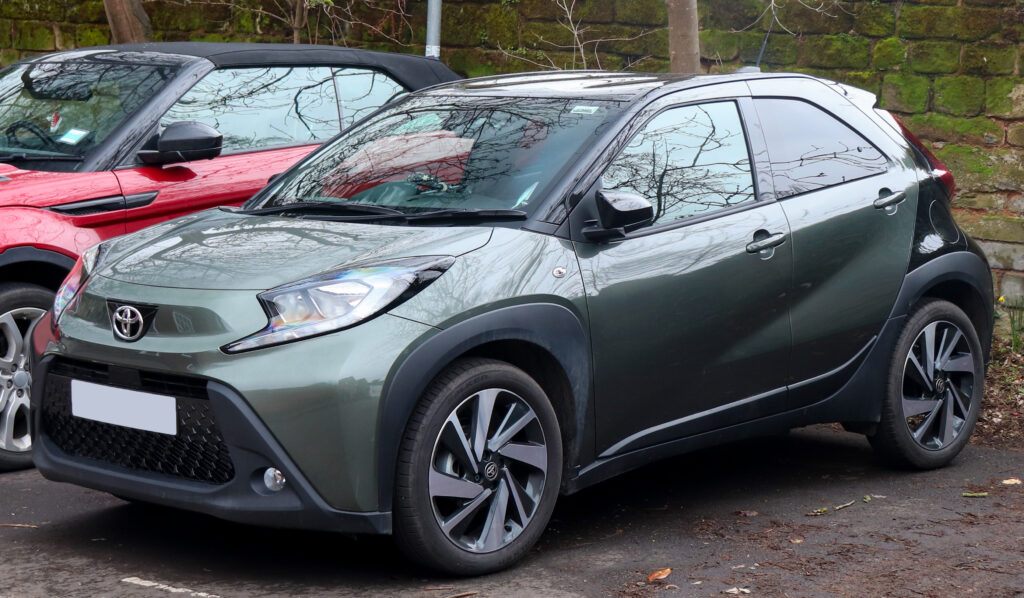
When your Toyota Aygo displays “Not Ready to Drive”, the frustration hits instantly—especially when you’re in a hurry and your normally reliable compact car simply refuses to start. The Aygo’s systems are intentionally designed to protect you, and this message appears only when something in the vehicle’s critical start-up dependencies fails.
What matters most is this: the majority of Aygo owners can fix this issue themselves in minutes, without a mechanic, without special tools, and without guesswork—if they know what to look for.
In this in-depth guide, we unpack the true causes, the fastest DIY fixes, and the advanced diagnostic steps that resolve this warning properly.
Content in this publication
- Understanding the Toyota Aygo “Not Ready to Drive” Warning
- Most Common Reasons Your Aygo Shows “Not Ready to Drive”
- Weak or Dead Key Fob Battery
- Faulty or Misaligned Brake Pedal Switch
- Electronic Steering Lock Failure
- Low 12V Battery Voltage or Corroded Terminals
- Temporary ECU or Software Glitch
- 1. Replace the Key Fob Battery (Fastest Fix)
- 2. Inspect and Clean the 12V Battery Terminals
- 3. Free or Reset the Electronic Steering Lock
- 4. Test the Brake Pedal Switch
- 5. Hard Reset the Vehicle’s Electronic Control Modules
- 6. Scan for Diagnostic Error Codes (OBD2)
- 7. Consult Toyota Specialists for Advanced Issues
- If the warning appears only in cold mornings
- If steering feels stiff before pressing Start
- If the car starts after 3–4 attempts
- If the message appears after long parking periods
- If other warnings appear (Shift to P / Press Brake to Start)
Understanding the Toyota Aygo “Not Ready to Drive” Warning
The Aygo performs a rapid safety validation every time you press the start button. If any required input signal is missing—such as brake pedal recognition, key fob authentication, steering lock release, or adequate battery voltage—the system denies drive readiness.
This is especially common on keyless-entry and push-button-start Aygos, including Aygo X and hybrid variants.
Here’s the exact sequence the car checks before allowing the start:
- Key fob presence + signal strength
- Brake pedal switch activation
- Electronic steering lock release
- 12-volt system voltage level
- Immobilizer authentication
- Hybrid system readiness (hybrid models only)
If any step fails, the ECU rejects the request and triggers the “Not Ready to Drive” lockout.
Most Common Reasons Your Aygo Shows “Not Ready to Drive”
We break down the root causes into mechanical, electrical, and electronic system failures—each with predictable symptoms.
Weak or Dead Key Fob Battery
A failing CR2032 key fob battery is the single most common cause of the message.
A weak signal leads to:
- Intermittent unlocking
- Reduced detection range
- Failure to authenticate during start
Cold weather and prolonged button presses accelerate the decline.
Faulty or Misaligned Brake Pedal Switch
The brake pedal switch is essential because the Aygo will not allow starting unless it detects brake pressure.
Failing symptoms include:
- Brake lights not illuminating
- “Press Brake to Start” warnings
- Difficulty shifting from “P” (automatic)
- Intermittent readiness failures
Over time, the switch can loosen, wear, or crack internally, causing an unreliable signal.
Electronic Steering Lock Failure
The electronic steering lock (ESL) is another frequent culprit. The ESL must disengage before the car starts.
Indications include:
- Clicking noises in the steering column
- Steering wheel refusing to turn
- Random start failures after the car sits
Dust, wear, and electrical resistance inside the mechanism often cause intermittent jams.
Low 12V Battery Voltage or Corroded Terminals
Aygos can illuminate the dashboard normally even when battery voltage is too low to power the starter logic.
A weak battery causes:
You may be interested in reading Subaru Outback Common Problems, Reliability Ratings & Known Issues: The Complete Expert Guide
- Failed communication between ECUs
- Hybrid system not engaging
- Unpredictable electronic behavior
- Cold-weather start failures
Corroded terminals block proper current flow, creating the same effect as a failing battery.
Temporary ECU or Software Glitch
Like any modern vehicle, the Aygo relies heavily on digital control modules. Software conflicts or transient faults may trigger readiness failure, even when all components work correctly.
Typical patterns include:
- Random “Not Ready” messages
- Successful start after several attempts
- Warning lights cycling on/off
ECUs may desync after battery voltage dips or rapid key fob activity.
Complete Troubleshooting Flow: Fix Your Aygo in Minutes
The following checklist resolves nearly every cause of “Not Ready to Drive.” Work through each step in order.
1. Replace the Key Fob Battery (Fastest Fix)
Use a CR2032 lithium cell.
Steps:
- Open the fob using a small coin or flat screwdriver.
- Remove the old battery, noting orientation (positive side usually faces up).
- Insert a new, high-quality battery.
- Snap the fob closed and test unlock range.
A fresh battery restores full signal strength and resolves most start-up lockouts immediately.
2. Inspect and Clean the 12V Battery Terminals
Even minor corrosion interrupts important voltage pathways.
How to clean:
- Disconnect negative terminal first, then positive.
- Apply baking soda + water paste.
- Scrub gently with a toothbrush.
- Rinse and dry completely.
- Reconnect positive terminal, then negative.
Finish by coating terminals with a thin layer of petroleum jelly.
3. Free or Reset the Electronic Steering Lock
Start with the simple mechanical release:
- Gently wiggle the wheel left and right
- Press the brake
- Press the Start button
If no release occurs:
Perform a lock reset:
- Press brake + push Start to enter ACC mode.
- Turn the wheel slightly both directions.
- Wait 10 seconds.
- Turn the system off again.
- Start normally.
If persistent, reset the car by disconnecting the 12V battery for 15 minutes.
4. Test the Brake Pedal Switch
This component is crucial for the start authorization process.
How to check it:
- Have someone observe whether the brake lights illuminate.
- If not, the switch is faulty or misaligned.
Physical inspection:
The switch is located behind the brake pedal arm, accessible under the dashboard.
Look for:
- Loose connector
- Broken tabs
- Lack of a clean “click” when pressed
Replacement is affordable and straightforward.
You may be interested in readingSubaru Outback Common Problems, Reliability Ratings & Known Issues: The Complete Expert GuideYou may be interested in reading
 Subaru Outback Key Fob Not Working: The Complete Troubleshooting Guide
5. Hard Reset the Vehicle’s Electronic Control Modules
A reset clears cached faults across all ECUs.
Procedure:
- Sit in the driver’s seat, close doors.
- Press and hold the brake pedal.
- Press the Start button and continue holding 10 seconds.
- Release everything.
- Wait 30 seconds.
- Attempt normal start.
Many owners report this fix working when no physical failure exists.
6. Scan for Diagnostic Error Codes (OBD2)
If you have an OBD2 reader:
- Plug into the port under the dashboard
- Read stored codes
- Look for areas linked to:
- Immobilizer
- Brake switch
- Steering lock actuator
- 12V voltage irregularities
Clear codes after making repairs to confirm resolution.
7. Consult Toyota Specialists for Advanced Issues
Some cases require dealership diagnostics:
- Hybrid system readiness faults
- Immobilizer communication errors
- ECU firmware failure
- Electronic steering lock motor replacement
These scenarios typically arise when DIY fixes don't resolve the message.
Additional Symptoms & What They Indicate
Understanding the signals your Aygo gives you dramatically shortens diagnosis time.
If the warning appears only in cold mornings
Likely cause: Weak 12V battery or weak key fob battery
Reason: Cold reduces battery voltage and signal strength.
If steering feels stiff before pressing Start
Likely cause: Steering lock actuator jam
If the car starts after 3–4 attempts
Likely cause:
- Software glitch
- Brake pedal switch intermittence
- Dirty battery terminals
If the message appears after long parking periods
Likely cause:
- Steering lock sticking
- Low 12V battery charge from inactivity
If other warnings appear (Shift to P / Press Brake to Start)
Likely cause:
- Brake pedal switch
- Key detection error
- Transmission interlock fault
How to Prevent Future “Not Ready to Drive” Issues
We recommend the following maintenance steps:
- Replace your key fob battery yearly.
- Clean battery terminals every 12 months.
- Use your Aygo regularly to keep 12V battery optimally charged.
- Avoid turning the steering wheel after shutdown to reduce ESL strain.
- Keep a compact OBD2 scanner in the glovebox for instant diagnostics.
These habits dramatically minimize future occurrences.
Conclusion
The “Not Ready to Drive” warning on a Toyota Aygo typically originates from predictable, easily fixable issues—most of which relate to power supply, signal detection, and startup authorization safety systems. Using the structured troubleshooting process above, most owners restore normal function within minutes.
Whether the problem is a simple key fob battery or a deeper steering lock or brake switch fault, systematically checking each cause guarantees you reach the solution without unnecessary repairs or dealership visits.
FAQs
1. Why does my Toyota Aygo say “Not Ready to Drive” in cold weather?
Because battery voltage drops in low temperatures, often causing signal miscommunication between ECUs.
2. Can a dead key fob battery trigger this warning?
Yes—it's the most frequent cause. The car won’t authenticate your key without a strong signal.
3. Can I drive if the warning clears on its own?
Yes, but if the issue reappears, you should diagnose and repair it promptly to avoid future lockouts.
You may be interested in readingSubaru Outback Common Problems, Reliability Ratings & Known Issues: The Complete Expert GuideYou may be interested in reading
Subaru Outback Key Fob Not Working: The Complete Troubleshooting GuideYou may be interested in reading
 Subaru Outback Key Won’t Turn: Causes, Fixes, and Expert Tips
4. Why does my Aygo click but not start?
This usually indicates the steering lock is stuck or the 12V battery is too weak.
5. Do hybrid Aygos show this message for different reasons?
They can—hybrid system readiness faults or voltage inconsistencies often trigger it.
If you want to know other articles similar to Toyota Aygo “Not Ready to Drive” Warning: Causes, Fixes & Complete Troubleshooting Guide you can visit the category Common Problems.
Jeep Wrangler 8 Speed Transmission Problems: What Owners Really Face
Jeep Wrangler Key Fob Not Detected: Causes, Fixes, and Real-World Solutions

Jeep Wrangler No Heat: Why Your Cabin Feels Like a Freezer (And How We Fix It)

Jeep Wrangler Not Starting: Causes, Fixes, and Real-World Solutions

Jeep Wrangler Overheating: Causes, Fixes, and Prevention

Jeep Wrangler Issues: Common Problems, Causes, and What We’ve Learned the Hard Way
Leave a Reply
More content of your interest