
Kia Ceed Clutch Problems: The Complete Guide To Symptoms, Causes, Fixes, And Costs

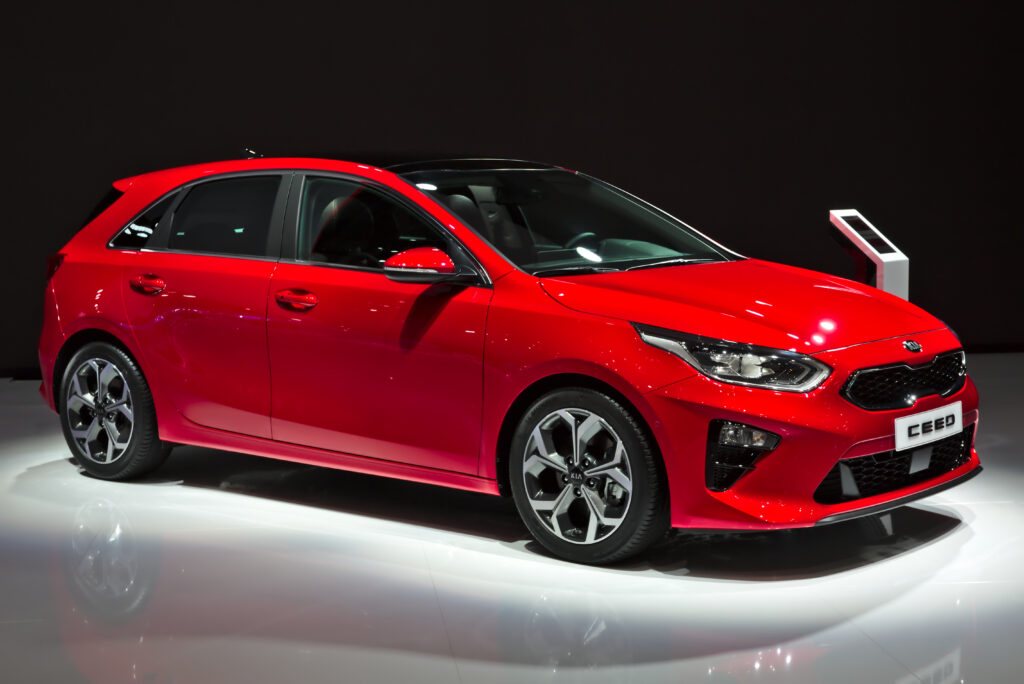
When we talk about clutch problems in the Kia Ceed, we’re not just describing an occasional hiccup. We’re exploring a surprisingly common set of issues that owners—especially of manual models—often encounter as mileage climbs or usage becomes more demanding. And let’s be honest: nothing ruins a smooth drive faster than a clutch that suddenly slips, drags, or shudders like it’s auditioning for a dance competition.
In this guide, we unpack every clutch-related concern seen across the Kia Ceed generations. We dive into symptoms, causes, repair expectations, costs, and preventative strategies, all in a relaxed, conversational voice that feels like two car-savvy friends figuring things out over a coffee.
Content in this publication
- Understanding the Kia Ceed Clutch System
- Most Common Kia Ceed Clutch Problems
- Generational Overview: Clutch Problems by Kia Ceed Model Years
- Causes Behind Kia Ceed Clutch Problems
- Early Warning Signs You Should Never Ignore
- How to Diagnose Kia Ceed Clutch Problems
- Repair Options for Kia Ceed Clutch Problems
- Repair Costs for Kia Ceed Clutch Problems (UK & EU Estimates)
- Preventing Kia Ceed Clutch Problems
- When Is It Time to Replace the Clutch?
- Should You Drive With a Failing Clutch?
- Conclusion
- FAQs
Understanding the Kia Ceed Clutch System
To diagnose problems correctly, we first need to understand the basics. The clutch system on the Kia Ceed generally consists of:
- Clutch disc (friction plate)
- Pressure plate
- Release bearing (throw-out bearing)
- Flywheel (single mass or dual mass, depending on variant)
- Clutch actuator and hydraulic components (master cylinder, slave cylinder, and lines)
All these components work together to engage and disengage engine power to the gearbox. When any part misbehaves, everything feels off—kind of like a band where the drummer keeps missing beats.
Most Common Kia Ceed Clutch Problems
Let’s break down the issues that pop up repeatedly among owners of the Ceed from 2007 onwards.
Clutch Slipping
Clutch slipping is probably the most frequently reported clutch problem in the Kia Ceed. You’ll notice:
- Higher revs but no matching acceleration
- Loss of power under load
- Burnt smell after heavy driving
- Struggling to maintain speed on inclines
Slipping generally means the friction material on the clutch disc is worn, the pressure plate has weakened, or engine oil contamination is reducing friction.
Juddering and Vibrations
Owners often complain about the car shaking when pulling away. Juddering usually reflects:
- Warped or worn flywheel
- Contamination on the friction plate
- Weak or uneven pressure plate clamping
- Perished mounts exaggerating drivetrain shake
Some describe it as the Ceed “kangaroo hopping,” especially in first gear.
Hard Clutch Pedal or Difficulty Selecting Gears
If engaging gears feels like forcing a zipper that’s stuck, hydraulic issues may be the culprit. Typical causes include:
- Failing clutch master cylinder
- Leaking slave cylinder
- Air in the hydraulic system
- Sticking release bearing
Grinding or Squealing Noises
Unusual noises during clutch operation often mean trouble is brewing. For the Kia Ceed:
- Squeal when engaging = worn release bearing
- Grinding = pressure plate or disc wear
- Rattling = flywheel deterioration
Ignoring noises is like ignoring a smoke alarm because you're busy—things WILL escalate.
Clutch Dragging (Not Fully Disengaging)
Dragging happens when the clutch fails to fully release. Symptoms include:
- Car creeping forward with the clutch pedal pressed
- Crunching when selecting reverse or first
- Stalling on junctions
Usually linked to hydraulic problems, seized components, or damaged pressure plate fingers.
Premature Clutch Wear
While clutches are wear-and-tear items, many Ceed owners report premature failure—some as early as 40,000–60,000 miles. Aggressive urban driving, towing, and incorrect adjustment can accelerate wear.
Generational Overview: Clutch Problems by Kia Ceed Model Years
First-Generation Ceed (2007–2012)
Common concerns included:
- Weak release bearings
- Master cylinder leaks
- Premature clutch wear
The hydraulic system on early models was particularly sensitive, often requiring bleeding or component replacement earlier than expected.
Second-Generation Ceed (2012–2018)
More refined overall, but still saw:
- Dual-mass flywheel wear (especially 1.6 CRDi)
- Clutch judder on cold starts
- Clutch pedal squeak due to lubrication shortages
Third-Generation Ceed (2018–present)
Generally improved, yet issues persist:
- Early flywheel deterioration on diesel variants
- Hard clutch pedal due to hydraulic restrictions
- Occasional clutch slip with 1.0 T-GDi engines
Though not as widespread, these issues still frustrate owners—especially those doing mostly short urban trips.
You may be interested in reading Kia Ceed Not Starting: Complete Troubleshooting Guide to Fix a No-Start Issue
Causes Behind Kia Ceed Clutch Problems
Let’s simplify the science behind clutch failure with clear, structured explanations.
Normal Wear and Tear
Like brake pads or tyres, the clutch is designed to wear. Stop-start driving, hill starts, towing, and riding the clutch accelerate deterioration.
Hydraulic System Failures
A sudden drop in clutch performance often ties to hydraulics:
- Low fluid
- Internal leaks
- Damaged seals
- Air in the system
The clutch pedal may feel soft, spongy, or inconsistent.
Flywheel Problems
Diesel Ceed models, particularly those with a dual-mass flywheel, are more prone to:
- Excess play
- Noisy operation
- Shuddering
- Harsh engagement
A failing flywheel can eat a new clutch alive—metaphorically, of course.
Oil Contamination
Leaking crankshaft or gearbox seals can degrade the clutch disc surface, leading to:
- Slip
- Juddering
- Burning smell
Oil and friction material are mortal enemies.
Improper Driving Habits
We’ve all seen drivers who treat their clutch like a footstool. Prolonged riding or half-clutch manoeuvres damage components rapidly.
Manufacturing Weaknesses
No manufacturer is perfect. Some Ceed models came with:
- Weak bearings
- Inadequate lubrication
- Soft pressure plates
Kia has addressed many issues through updates, but ageing vehicles continue to show these patterns.
Early Warning Signs You Should Never Ignore
If your Kia Ceed hints at trouble, listen. Early detection saves money and prevents breakdowns.
1. Rising Engine Revs Without Speed Increase
This is the classic sign of slipping.
2. Burning Smell After Long Drives
Friction material overheating or contamination.
3. Difficulty Changing Gears
Especially reverse and first—hydraulic problems likely.
4. Pedal Vibration
Usually linked to flywheel or pressure plate issues.
5. Noisy Clutch Operation
Squeaks = lubrication
Squeal = bearing
Grinding = internal wear
6. Car Shakes On Take-Off
Judder means something is uneven or slipping.
How to Diagnose Kia Ceed Clutch Problems
The Quick Driveway Test
You can perform a simple test at home:
- Start the engine and apply the handbrake.
- Select third gear.
- Slowly release the clutch.
- If the engine does not stall, the clutch is likely worn.
Noise-Based Diagnosis
- Squeal when pedal pressed = release bearing
- Noise in neutral but not when pressing pedal = gearbox input shaft
- Rattle on shutdown = flywheel deterioration
Pedal Feel Diagnosis
- Soft pedal = hydraulic leak
- Hard pedal = pressure plate issue
- Pulsating pedal = warped components
Professional Inspection
A mechanic may use:
You may be interested in readingKia Ceed Not Starting: Complete Troubleshooting Guide to Fix a No-Start IssueYou may be interested in reading
 Kia Ceed Reversing Camera Not Working: The Complete Troubleshooting Guide
- Visual gearbox inspection
- Hydraulic pressure testing
- Flywheel end-float checks
Repair Options for Kia Ceed Clutch Problems
Clutch Replacement
This is the most common repair. Usually includes:
- Clutch disc
- Pressure plate
- Release bearing
Labour involves removing the gearbox—typically 4–6 hours depending on engine and transmission.
Flywheel Replacement
If your Ceed has a dual-mass flywheel, replacing it along with the clutch is standard if excessive wear is found.
Hydraulic System Repairs
Includes:
- Master cylinder replacement
- Slave cylinder replacement
- Line repairs
- Fluid replacement
- Bleeding the system
Clutch Pedal or Cable Adjustments
Some generations allow adjustments that temporarily improve pedal feel and engagement.
Repair Costs for Kia Ceed Clutch Problems (UK & EU Estimates)
Prices vary by region, but averages include:
Clutch Replacement Costs
- Petrol models: £450–£650
- Diesel models: £650–£900
Clutch + Flywheel Replacement
- Diesel models: £900–£1,400
- High-end garages or dealerships may exceed £1,600
Hydraulic System Repairs
- Master cylinder: £120–£250
- Slave cylinder: £150–£300
- Fluid + labour: £50–£120
Preventing Kia Ceed Clutch Problems
Drive Smoothly
- Avoid riding the clutch
- Use the handbrake for hill starts
- Fully depress the pedal when shifting
Keep the Hydraulic Fluid Fresh
Old fluid increases pedal effort and wear.
Avoid Overloading the Vehicle
Towing heavy trailers or excessive passengers increases strain.
Fix Leaks Immediately
Even minor oil leaks can ruin a clutch.
Service the Flywheel When Needed
A failing flywheel accelerates clutch destruction.
When Is It Time to Replace the Clutch?
You should consider replacement when:
- Slipping becomes frequent
- Gear changes grind or resist
- Judder makes starts difficult
- Pedal feels inconsistent
- Noises worsen with time
Waiting too long risks damaging the gearbox, flywheel, and hydraulics—turning a £600 job into a £1,600 one.
Should You Drive With a Failing Clutch?
Short answer?
Probably not.
Driving with clutch problems in your Kia Ceed can cause:
- Sudden loss of power
- Breakdown in traffic
- Increased repair costs
- Damage to gearbox synchros
If symptoms appear, limit driving until repairs are scheduled.
Conclusion
Kia Ceed clutch problems might feel intimidating at first, but when broken down piece by piece, they make complete sense. By understanding symptoms early, diagnosing accurately, and choosing the right repair approach, we can confidently keep our Ceed running smoothly, reliably, and free from clutch-related drama.
The key takeaway?
A clutch rarely fails without warning—listen to it, feel it, and act early. Your wallet and your sanity will thank you.
FAQs
1. How long should a Kia Ceed clutch last?
Typically 60,000–100,000 miles, though urban driving and towing shorten the lifespan.
2. Why does my Kia Ceed judder when pulling away?
Likely causes include flywheel wear, contamination, worn disc material, or pressure plate issues.
3. Is a failing flywheel dangerous?
It can cause severe vibration and accelerate clutch wear. It should be replaced as soon as symptoms appear.
You may be interested in readingKia Ceed Not Starting: Complete Troubleshooting Guide to Fix a No-Start IssueYou may be interested in reading
Kia Ceed Reversing Camera Not Working: The Complete Troubleshooting GuideYou may be interested in reading
 Kia Ceed Door Not Opening — Causes, Fixes, and Complete Troubleshooting Guide
4. How do I know if the clutch is slipping?
Rising revs without increased speed, burning smells, and loss of pulling power are classic signs.
5. Can I continue driving with a clutch hydraulic leak?
Not recommended. It can lead to sudden loss of clutch control and potential breakdown.
If you want to know other articles similar to Kia Ceed Clutch Problems: The Complete Guide To Symptoms, Causes, Fixes, And Costs you can visit the category Common Problems.
Audi A4 Issues: Common Problems, Symptoms, and What Owners Should Know
Audi A4 Glow Plug Light Flashing: Causes, Diagnosis, and Fixes
Audi A4 1.4 TFSI Problems: Reliability, Symptoms, and Fixes

Ram 1500 Smells Like Coolant: Causes, Diagnosis, and Fixes
Problems With Hyundai Veloster: Common Issues, Warning Signs, and What Owners Should Know

Mazda 6 No Sound From Radio: Causes, Diagnosis, and Fixes
Leave a Reply
More content of your interest