

Kia Ceed 1.6 CRDi Timing Chain Interval – The Complete Maintenance Guide We All Need

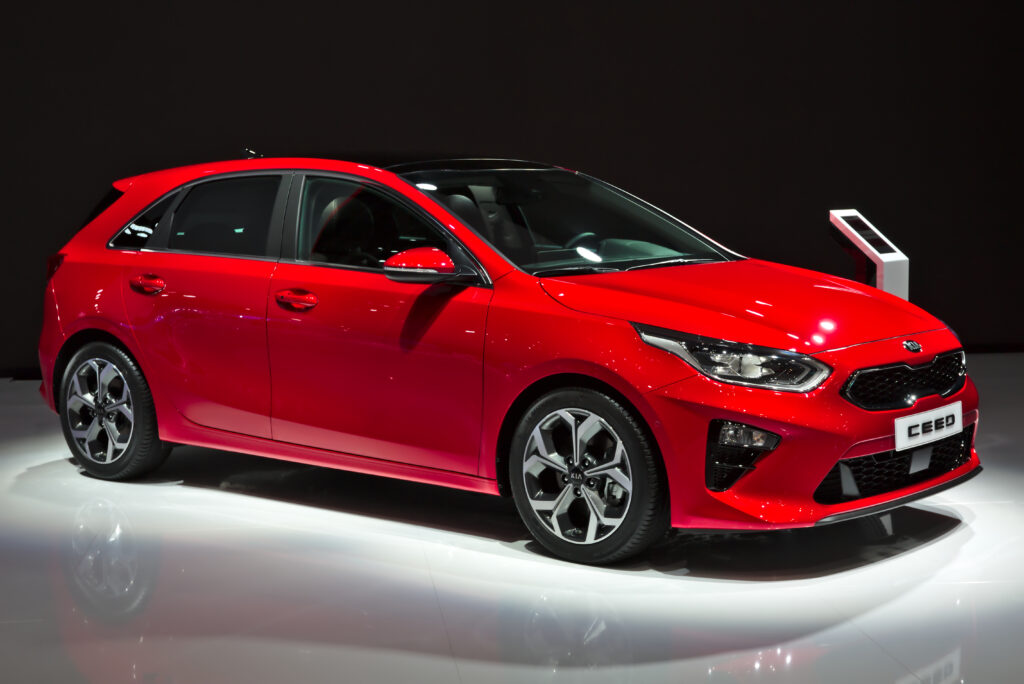
When we talk about the Kia Ceed 1.6 CRDi, we’re talking about one of those diesel engines that quietly gets on with the job—efficient, torquey, dependable. But even the hardiest engines rely on proper timing system maintenance. Timing chain or belt? Replacement interval? Warning signs? Unexpected failures? If you’ve ever found yourself wondering these things, this is the deep-dive we all wish we had years ago.
In this definitive guide, we unpack the kia ceed 1.6 crdi timing chain interval, explore real-world reliability, share maintenance wisdom, and break things down using simple language—like chatting with a friend over a coffee while our Ceed cools off in the driveway.
Content in this publication
- Understanding the Timing Setup on the Kia Ceed 1.6 CRDi
- So… What Is the Timing Chain Interval on the Kia Ceed 1.6 CRDi?
- Why the 1.6 CRDi Timing Chain Can Last So Long
- What Shortens the Timing Chain Life on the Ceed?
- Common Symptoms of Timing Chain Problems on the Kia Ceed 1.6 CRDi
- How to Inspect the Timing Chain on a Kia Ceed 1.6 CRDi
- When Should We Replace the Timing Chain?
- How Much Does a Timing Chain Replacement Cost?
- DIY Timing Chain Replacement – Should We Attempt It?
- How to Maximise Timing Chain Life on the Ceed 1.6 CRDi
- Timing Chain vs Timing Belt Reliability – Why Kia Chose a Chain
- Generational Differences – Does the Interval Change by Year?
- Is Timing Chain Failure Common on the 1.6 CRDi?
- The Impact of Delayed Timing Chain Maintenance
- Timing Chain Replacement Procedure (Overview)
- Should You Replace the Chain Preemptively?
- Conclusion – The Real Timing Chain Interval for the Kia Ceed 1.6 CRDi
- FAQs
Understanding the Timing Setup on the Kia Ceed 1.6 CRDi
Before we even talk intervals, we need to clear the air:
The Kia Ceed 1.6 CRDi engine uses a timing chain—not a belt.
That little truth alone decides how we treat maintenance.
Chain vs Belt – Why It Matters
A timing chain:
- Lives inside the engine
- Runs in engine oil
- Is built to last the life of the engine
- Rarely requires scheduled replacement
A timing belt:
- Is made of reinforced rubber
- Has a fixed replacement schedule
- Lives outside the lubrication system
- Is far more sensitive to age and heat
With a chain, you’re not worrying about routine changes every 60,000–100,000 miles. But you are responsible for keeping the oil clean, since the chain relies on lubrication for survival.
So… What Is the Timing Chain Interval on the Kia Ceed 1.6 CRDi?
Here’s the straightforward answer many owners search endlessly for:
**The official timing chain interval is:
⚡ No scheduled replacement interval (lifetime chain) ⚡**
However—this "lifetime" idea isn’t the whole story.
Real-World Interpretation
When manufacturers say lifetime, they’re often imagining:
- Correct oil
- Correct oil grade
- Frequent oil changes
- No sludge build-up
- No chain stretch beyond tolerances
But many Ceed models go 150,000+ miles without chain issues if properly maintained. We've seen drivers hit 200,000 miles on the original chain.
Our Recommended Practical Interval Check
Even if Kia doesn’t specify a replacement interval, we recommend:
- Inspecting chain condition around every 100,000 miles or 10 years
- Listening for symptoms during every service
- Performing oil changes at 10,000 miles or less (not the long factory interval)
This isn’t because chains fail often—they don’t—but because prevention is cheaper than an engine rebuild.
Why the 1.6 CRDi Timing Chain Can Last So Long
Let’s talk engineering.
The Kia 1.6 CRDi engine stands out because:
- Its chain operates in a fully oil-bathed environment
- The chain is relatively short and robust
- The tensioners are hydraulic and reliable
- Guides are built with durable materials
The harmony between chain, tensioner, and lubrication system means the engine was designed to outlive its schedule.
But like any mechanical component, abuse or neglect can unravel even the best engineering.
What Shortens the Timing Chain Life on the Ceed?
Even the toughest chain will cry for help if treated harshly. Here’s what can sabotage longevity:
Poor Oil Maintenance
This is the number one killer.
Old oil loses viscosity and creates sludge, leading to:
- Chain wear
- Tensioner malfunction
- Guide deterioration
- Increased friction
Skipping Oil Changes
The 1.6 CRDi doesn't play well with extended oil intervals. Diesel soot contaminates oil faster.
Incorrect Oil Grade
Use anything other than the recommended low-SAPs 5W-30 or 5W-40, and the chain may not receive adequate lubrication.
Consistent Short Trips
Engines rarely reach full operating temperature, accelerating contamination.
Aggressive Driving When Cold
Chains stretch more easily during high load on cold oil.
Common Symptoms of Timing Chain Problems on the Kia Ceed 1.6 CRDi
Timing chain failures don’t usually happen overnight—they send clues. Spotting these early saves thousands.
Listen Out For:
Rattling Noise on Cold Start
Think of a loose metal chain tapping rapidly—classic timing chain tensioner issue.
Rattling Under Load
Chain stretch can cause slack, especially noticeable during acceleration.
Engine Warning Light
A stretched chain can cause timing deviations, triggering DTCs like:
- P0016: Crankshaft/Camshaft Correlation
- P0017: Camshaft Position Out of Range
Rough Idle or Misfires
Incorrect timing disrupts combustion.
Poor MPG
Timing irregularities often force the ECU to compensate, lowering efficiency.
If we ignore these signs, the sound can go from mild chatter to catastrophic metal-on-metal violence—timing skipping teeth, valves bending, pistons clashing. Nobody wants that.
How to Inspect the Timing Chain on a Kia Ceed 1.6 CRDi
You don’t need to tear the engine apart. Many clues are external.
Visual Checks
A technician can:
- Check camshaft/crankshaft correlation
- Inspect chain tensioner readings
- Test oil pressure
- Examine oil quality for metal fragments
Diagnostic Tools
OBD scans reveal correlation errors early.
Advanced garages use oscilloscopes to compare timing signals—super accurate and non-intrusive.
Listening Diagnostics
Mechanics often use mechanic’s stethoscopes (yes, they’re real!) to pinpoint noises.
When Should We Replace the Timing Chain?
Even though the chain is "lifetime", there are absolutely situations where replacement is essential.
Replace the chain if:
- There is persistent rattling
- Timing correlation errors appear
- Chain has measurable stretch
- Tensioner has reached maximum extension
- Metal shavings found in oil
- Guides show premature wear
The Common Replacement Threshold
Most Ceed 1.6 CRDi chains last:
- 150,000–200,000 miles (typical lifespan)
- 10–15 years depending on usage
But early replacements around 100,000 miles are not unheard of, especially on poorly maintained cars.
How Much Does a Timing Chain Replacement Cost?
Here’s where things get serious.
Chain replacement isn’t like swapping spark plugs.
Typical Costs (UK & Europe)
| Job | Approx Cost |
|---|---|
| Timing chain kit | £150–£300 |
| Labour | £400–£900 |
| Additional seals/oil/filter | £50–£100 |
**Total Estimated Cost:
💷 £600–£1,300 depending on region, shop, and chain condition**
Diesel engines often require more labour because the chain is mounted at the rear of the engine in many variants.
DIY Timing Chain Replacement – Should We Attempt It?
Short answer:
No—unless you're an experienced mechanic with the right equipment.
Why?
- Camshaft locking tools are required
- Engine must be supported during disassembly
- Timing alignment must be exact
- One mistake = destroyed engine
DIY servicing is great for brakes, filters, bulbs… but timing chains?
That’s where we step back and let pros work their magic.
How to Maximise Timing Chain Life on the Ceed 1.6 CRDi
The goal isn't just to replace—it's to avoid needing to replace at all. Here's how we keep the chain healthy:
1. Change Oil Frequently
Do not follow long-interval schedules.
Best practice:
- Change every 8,000–10,000 miles
- Use fully synthetic low-SAPs oil
2. Use High-Quality Filters
Cheap filters = poor filtration = sludge.
3. Avoid Low-Quality Fuel
Diesel contamination accelerates soot concentration.
4. Let the Engine Warm Up
Cold oil creates the harshest wear.
5. Short Trip Considerations
If most journeys are under 10 minutes, increase service frequency.
Timing Chain vs Timing Belt Reliability – Why Kia Chose a Chain
Ever wondered why Kia fitted a chain to the 1.6 CRDi while other engines still use belts?
Chains Offer:
- Longer life
- Lower long-term ownership cost
- Better performance under high torque
- Resistance to heat
Belts Offer:
- Quieter operation
- Lower production cost
- Easier replacement
Kia clearly intended the 1.6 CRDi to be a long-distance diesel workhorse—chains support that mission.
Generational Differences – Does the Interval Change by Year?
Across Ceed generations (2007–2025), the 1.6 CRDi timing chain setup has remained fundamentally similar.
Key Notes by Generation:
First Generation (2007–2012)
- Chains are durable
- Some tensioner wear seen on high-mileage units
Second Generation (2012–2018)
- Improved tensioner design
- Even fewer chain issues reported
Third Generation (2018–Present)
- Highly reliable system
- Better oil pressure control
Across the board, the chain is considered lifetime unless symptoms emerge.
Is Timing Chain Failure Common on the 1.6 CRDi?
Let’s be honest:
No, it's not common.
The engine is widely praised for timing chain robustness, especially when compared to some rival brands with infamous chain stretch issues.
Failures usually trace back to:
- Neglected oil changes
- Wrong oil type
- Contamination
- Extreme driving habits
This makes failures preventable, which is great news for owners.
The Impact of Delayed Timing Chain Maintenance
Not paying attention to chain symptoms can cause a domino effect.
Consequences Include:
- Jumped timing
- Misfires
- Valve-to-piston contact
- Limp mode
- Permanent engine damage
- Outright engine replacement
A £600 chain replacement is far cheaper than a £3,000–£6,000 engine.
Timing Chain Replacement Procedure (Overview)
We won't go full workshop manual here, but understanding the steps helps us appreciate the labour cost.
General Steps:
- Remove auxiliary belts
- Drain oil and coolant
- Remove timing cover
- Lock crankshaft and camshafts
- Release tensioner
- Remove chain and guides
- Install new chain, guides, and tensioner
- Verify timing alignment
- Reassemble
- Refill fluids
- Test and verify timing stability
A job that looks simple on paper quickly becomes an 8-hour marathon in reality.
Should You Replace the Chain Preemptively?
Here’s the big question many owners ask.
Our advice:
- No need to replace early if there are no symptoms
- Yes, replace early if you hear rattles, see DTCs, or observe high tensioner readings
Preventative replacement at 150,000–180,000 miles isn't unreasonable for ultra-long-term ownership.
Conclusion – The Real Timing Chain Interval for the Kia Ceed 1.6 CRDi
If we had to summarise the entire truth in one line:
The Kia Ceed 1.6 CRDi timing chain has no fixed interval and is designed to last the lifetime of the engine—provided the oil is maintained properly.
Chains last long. Engines last longer when loved.
A little care goes a long way, and this diesel workhorse rewards owners who treat it right. Think of the timing chain like a marathon runner: give it the right fuel, the right shoes, the right rest—and it keeps running without complaint.
Now that we understand intervals, symptoms, costs, and preventative tips, we’re far better equipped to keep our Ceed on the road for many years to come.
FAQs
1. Does the Kia Ceed 1.6 CRDi use a timing chain or belt?
It uses a timing chain, not a belt.
2. Is there a timing chain replacement interval?
No official interval—it's considered lifetime unless faults develop.
3. What is the most common timing chain issue?
A rattling noise on cold starts, often tied to chain stretch or tensioner wear.
4. What oil helps maximise chain life?
Fully synthetic 5W-30 or 5W-40 low-SAPs oil, changed frequently.
5. Can a stretched chain damage the engine?
Yes. Severe stretch can cause timing jumps, leading to valve damage.
If you want to know other articles similar to Kia Ceed 1.6 CRDi Timing Chain Interval – The Complete Maintenance Guide We All Need you can visit the category Service and Parts.
Nissan Rogue Oil Change Cost: Prices, Service Options, and What to Expect
Nissan Rogue Key Battery Replacement: Easy Step-by-Step Guide
Nissan Rogue Oil Change Interval: Complete Guide by Model Year
Nissan Rogue Brake Pads and Rotors Cost: Complete 2026 Guide

Kia Sorento Service Reset: How to Reset the Service Light
Kia Sorento Fuel Tank Capacity: Gallons, Litres and Model Differences
Leave a Reply
More content of your interest