
Renault Megane E-Tech Range: Real-World Driving, Honest Numbers, and What Range Actually Means

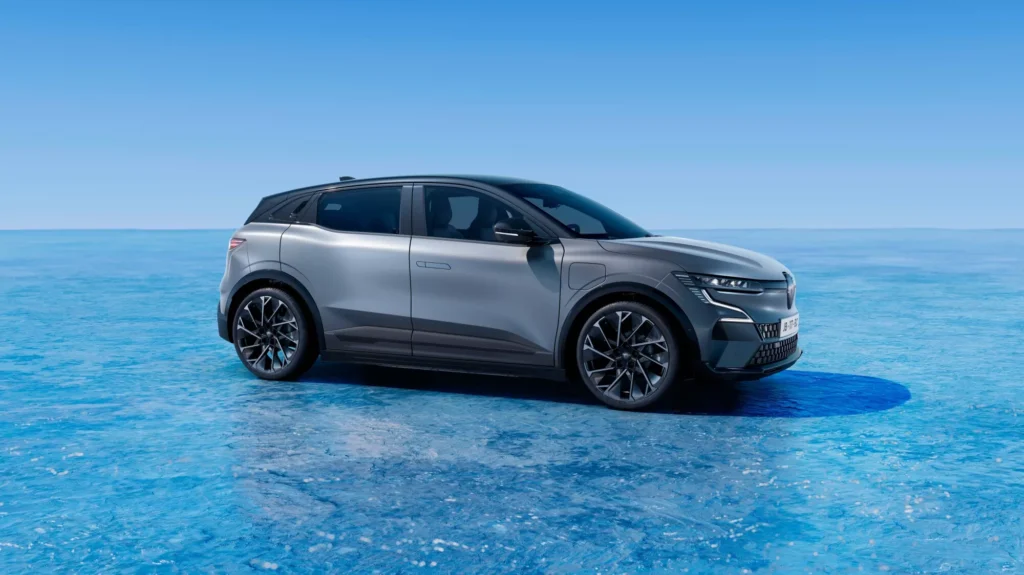
Electric cars love big promises. Slick brochures, glossy WLTP figures, and marketing lines that sound like they were written on a wind-tunnel treadmill. The Renault Megane E-Tech Electric is different—not because it avoids big claims, but because its real-world range story is far more nuanced, more human, and frankly more useful.
We’ve spent time breaking down what the Renault Megane E-Tech range actually looks like day-to-day. Motorway runs. School drop-offs. Cold mornings. Warm summer evenings. Charging habits. Driving styles. This isn’t just about a number on paper—this is about how far the car really goes when life happens.
Let’s dig in.
Content in this publication
- Understanding the Renault Megane E-Tech Range at a Glance
- Battery Options Explained: 40 kWh vs 60 kWh
- WLTP Range vs Real-World Range: Let’s Get Honest
- How Driving Style Shapes the Megane E-Tech Range
- Motorway Driving: The True Range Test
- Urban Driving: Where the Megane Shines
- Regenerative Braking and One-Pedal Feel
- Climate and Weather: Cold, Heat, and Reality
- Wheel Size and Trim Level: The Hidden Range Variable
- Charging Speed and Its Psychological Effect on Range
- Long-Distance Travel: Can the Megane E-Tech Tour?
- Comparing Megane E-Tech Range to Key Rivals
- Ownership Habits That Maximise Range
- Is the Renault Megane E-Tech Range Enough?
- Final Thoughts: The Human Side of Electric Range
- Frequently Asked Questions
Understanding the Renault Megane E-Tech Range at a Glance
Before we dive deep, it helps to set the foundation. The Megane E-Tech Electric isn’t a single-spec car—it’s a range of batteries, motors, trims, and use cases.
At its core, the Megane E-Tech offers:
- Two battery sizes
- Front-wheel drive only
- Different efficiency profiles depending on wheel size and trim
- A strong focus on balance rather than headline range domination
This approach already tells us something important: Renault prioritised usable range, not just brochure bragging rights.
Battery Options Explained: 40 kWh vs 60 kWh
The 40 kWh Battery: Urban-Focused and Lightweight
The smaller battery is ideal for city drivers and short-hop commuters.
Key characteristics:
- Battery capacity: 40 kWh usable
- WLTP range: ~300 km (186 miles)
- Lighter overall weight
- Faster percentage charging at low speeds
This version feels agile and responsive, especially around town. It’s the kind of EV that makes city traffic feel less like a chore and more like flowing water.
The 60 kWh Battery: The Sweet Spot for Most Drivers
If there’s a star of the Megane E-Tech range lineup, this is it.
Key characteristics:
- Battery capacity: 60 kWh usable
- WLTP range: up to ~470 km (292 miles)
- Best balance between range and charging speed
- Ideal for mixed driving and longer trips
This is the battery most buyers gravitate toward—and for good reason. It’s the version that turns “range anxiety” into a faint background whisper.
WLTP Range vs Real-World Range: Let’s Get Honest
WLTP numbers are like weather forecasts—useful, but rarely exact. The Renault Megane E-Tech is no exception.
Real-World Expectations for the 40 kWh Version
In everyday use, you’re looking at:
- City driving: 260–280 km (160–174 miles)
- Mixed driving: 220–240 km (137–149 miles)
- Motorway cruising: 180–200 km (112–124 miles)
Perfectly workable if your daily routine is predictable and charging is easy.
Real-World Expectations for the 60 kWh Version
This is where things get comfortable.
- City driving: 380–420 km (236–261 miles)
- Mixed driving: 330–360 km (205–224 miles)
- Motorway cruising: 280–310 km (174–193 miles)
These numbers don’t just look good—they feel good in daily life.
How Driving Style Shapes the Megane E-Tech Range
Electric cars are brutally honest about how you drive. The Megane E-Tech rewards smoothness and punishes impatience—like a calm yoga instructor raising an eyebrow at your right foot.
Gentle Driving Pays Dividends
When driven smoothly:
- Regenerative braking recovers meaningful energy
- Efficiency stays consistently high
- Range estimates remain stable and trustworthy
Aggressive Driving Shrinks Range Fast
Hard acceleration, high motorway speeds, and constant lane-changing can:
- Cut range by 15–25%
- Increase consumption dramatically
- Trigger more frequent charging stops
In this car, smooth driving isn’t just polite—it’s profitable.
Motorway Driving: The True Range Test
Motorway speeds are where EVs show their true colours. The Megane E-Tech holds its own, but physics always wins.
At 70 mph (113 km/h)
- The 60 kWh version realistically returns ~290 km
- Efficiency drops compared to urban use
- Wind resistance becomes the dominant factor
That said, the car remains stable, quiet, and reassuring—no frantic range plummeting, no drama.
Urban Driving: Where the Megane Shines
Around town, the Renault Megane E-Tech feels almost smug.
Why City Range Is So Strong
- Frequent regenerative braking
- Lower average speeds
- Optimised motor efficiency
In stop-and-go traffic, the car sips energy rather than gulps it. It’s like swapping a running treadmill for a slow river current—effortless and efficient.
Regenerative Braking and One-Pedal Feel
Adjustable Regeneration Levels
Using steering wheel paddles, drivers can tailor regeneration strength:
- Light regen for coasting
- Medium regen for balanced driving
- Strong regen for near one-pedal control
Impact on Real-World Range
Smart use of regeneration can:
- Add 5–10% effective range
- Reduce brake wear
- Improve urban efficiency noticeably
Once you adapt to it, going back feels… odd.
Climate and Weather: Cold, Heat, and Reality
Cold Weather Range Impact
In winter conditions:
- Expect 10–20% range reduction
- Cabin heating uses notable energy
- Battery efficiency dips until warmed
Using seat and steering wheel heaters helps preserve range better than blasting cabin heat.
Hot Weather and Battery Cooling
In summer:
- Mild range reduction at most
- Air conditioning has lower energy impact than heating
- Battery thermal management works efficiently
Overall, the Megane copes well with heat—no meltdowns, no sudden efficiency collapses.
Larger wheels may look fantastic, but they quietly nibble away at range.
Smaller Wheels (18-inch)
- Best efficiency
- Longer real-world range
- Softer ride comfort
Larger Wheels (20-inch)
- Slightly reduced range (up to ~5–7%)
- Sharper appearance
- Firmer ride
It’s style vs stamina—a familiar trade-off.
Charging Speed and Its Psychological Effect on Range
Range isn’t just about distance—it’s about confidence.
DC Fast Charging Performance
- Up to 130 kW (60 kWh battery)
- 15–80% in roughly 30 minutes
- Ideal for motorway rest stops
Fast, predictable charging makes the range feel longer than it is.
Home Charging Reality
- Overnight charging covers most daily needs
- Waking up to a “full tank” resets range anxiety
- Lower charging costs improve ownership satisfaction
Range worries fade quickly when charging becomes routine.
Long-Distance Travel: Can the Megane E-Tech Tour?
Short answer: yes—with planning.
What Makes It Work
- Stable motorway efficiency
- Reliable fast-charge curve
- Accurate navigation range predictions
This isn’t a cross-continent marathon runner, but it is a confident weekend explorer.
Comparing Megane E-Tech Range to Key Rivals
Versus VW ID.3
- Similar real-world range
- Megane feels more refined
- Better interior design in Renault
Versus Peugeot e-308
- Comparable efficiency
- Renault offers quicker DC charging
- Slightly better motorway range
The Megane doesn’t dominate—but it competes very well.
Ownership Habits That Maximise Range
Small Changes, Big Gains
- Pre-condition the cabin while plugged in
- Keep tyres properly inflated
- Use Eco mode in traffic
- Plan charging rather than react to it
Range management becomes second nature surprisingly fast.
Is the Renault Megane E-Tech Range Enough?
For most drivers, absolutely.
This car doesn’t scream about range—it delivers it quietly. It’s confident, predictable, and refreshingly honest. Like a good friend who always shows up when promised, rather than bragging about future plans.
Final Thoughts: The Human Side of Electric Range
The Renault Megane E-Tech range isn’t about winning spec-sheet wars. It’s about trust. Trust that the number on the screen won’t suddenly betray you. Trust that daily life fits comfortably within its electric bubble.
And once that trust forms? Driving electric stops being a question—and starts being the answer.
Frequently Asked Questions
How far can the Renault Megane E-Tech go on a full charge?
Depending on battery and driving style, real-world range typically falls between 220 km and 360 km.
Is motorway range much worse than city range?
Yes, motorway speeds reduce efficiency, but the drop is predictable and manageable.
Does cold weather seriously affect the range?
Cold weather can reduce range by up to 20%, especially with cabin heating use.
Which battery version is best for most drivers?
The 60 kWh version offers the best balance of range, charging speed, and flexibility.
Can the Megane E-Tech handle long trips comfortably?
Yes, with fast charging and sensible planning, long journeys are stress-free.
If you want to know other articles similar to Renault Megane E-Tech Range: Real-World Driving, Honest Numbers, and What Range Actually Means you can visit the category Driving.
Toyota Prius MPG UK: Official and Real Fuel Economy

Mazda CX-5 Real-World MPG: What Drivers Actually Get
Mazda CX-5 0-60: Acceleration Times by Year and Engine
MG HS Fuel Consumption: Complete MPG Guide
Can Nissan Rogue Pull a Boat? Complete Towing Guide
Can Nissan Rogue Be Flat Towed? Complete Towing Guide
Leave a Reply
More content of your interest