

Cupra Born Charging Time: How Long It Really Takes to Power Up

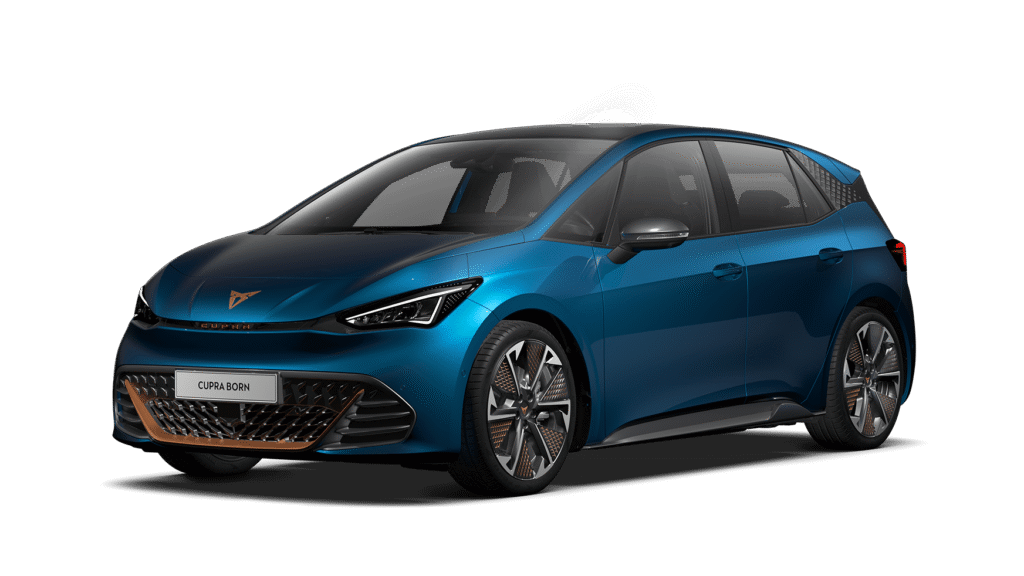
Charging an electric car can feel a bit like brewing coffee. Sometimes it’s quick and punchy, other times slow and meditative. With the Cupra Born, charging time depends on how you charge, where you charge, and which version of the car you’re driving. We’ve spent time living with the data, the real-world habits, and the quirks that owners actually notice. Let’s break it all down in plain English and answer the big question: how long does the Cupra Born take to charge?
Content in this publication
- Understanding Cupra Born Charging Time at a Glance
- Cupra Born Battery Options and Why They Matter
- Charging the Cupra Born at Home
- Public AC Charging and Real-World Timings
- DC Fast Charging: The Cupra Born’s Party Trick
- Why 10% to 80% Is the Sweet Spot
- Factors That Affect Cupra Born Charging Time
- Charging Time vs Range Gained
- Charging the Cupra Born for Daily Use
- Is the Cupra Born Slow or Fast to Charge?
- Common Myths About Cupra Born Charging Time
- Optimising Your Charging Time in Real Life
- Cupra Born Charging Time for Long Road Trips
- Charging Time Costs: Time vs Money
- Final Thoughts on Cupra Born Charging Time
- Frequently Asked Questions
Understanding Cupra Born Charging Time at a Glance
Before diving into cables and kilowatts, let’s set expectations. Charging time is not a single number. It’s a range influenced by battery size, charger type, temperature, and even your patience.
In simple terms:
- Home charging is slow but convenient
- Public AC charging is moderate
- Rapid DC charging is fast but situational
Think of it like filling a glass: tap water, garden hose, or fire hydrant.
Cupra Born Battery Options and Why They Matter
The Available Battery Sizes
The Cupra Born comes with different battery capacities, and each one changes charging time dramatically.
- 45 kWh (net ~42 kWh)
- 58 kWh (net ~54 kWh)
- 77 kWh (net ~77 kWh)
Bigger battery equals longer total charging time, but also more miles added per session.
Battery Size vs Charging Speed Reality
While larger batteries take longer to fill fully, they often accept higher peak charging speeds, especially on DC fast chargers. That means quicker top-ups on long journeys.
Charging the Cupra Born at Home
Using a Standard 3-Pin Plug
This is the slow lane. Useful in emergencies, but not ideal for daily life.
- Charging power: ~2.3 kW
- 0–100% time (58 kWh): ~24–26 hours
It’s like sipping water through a straw. It works, but slowly.
Home Wallbox Charging Explained
A dedicated wallbox transforms the experience.
7.4 kW Home Charger (Most Common)
- 0–100% (45 kWh): ~7 hours
- 0–100% (58 kWh): ~8–9 hours
- 0–100% (77 kWh): ~11–12 hours
Perfect for overnight charging. Plug in, sleep, wake up full.
11 kW Home Charger (If Supported)
Some Cupra Born versions support 11 kW AC charging.
- 58 kWh: ~6 hours
- 77 kWh: ~7–8 hours
This is the sweet spot for faster home charging without upgrading to industrial power.
Public AC Charging and Real-World Timings
Public AC chargers often mirror home wallbox speeds, but availability and reliability vary.
Typical Public AC Charging Speeds
- 7 kW: Similar to home wallbox
- 11 kW: Faster if your Born supports it
- 22 kW: Limited by the car (Born caps at 11 kW AC)
When Public AC Makes Sense
- Shopping centers
- Workplaces
- Hotels
You’re not waiting for the car. The car waits for you.
DC Fast Charging: The Cupra Born’s Party Trick
Maximum DC Charging Speeds
This is where the Cupra Born shines.
- 45 kWh: up to ~50 kW
- 58 kWh: up to 120 kW
- 77 kWh: up to 170 kW
Peak speed doesn’t last forever, but it makes road trips viable.
10% to 80% Charging Time (Realistic Use Case)
This is the most important metric for long journeys.
- 45 kWh: ~28–30 minutes
- 58 kWh: ~30–35 minutes
- 77 kWh: ~35–40 minutes
Enough time for a coffee, a stretch, and maybe a questionable sandwich.
Why 10% to 80% Is the Sweet Spot
Charging slows dramatically after 80%. Think of it like filling a balloon: easy at first, tricky at the end.
Charging Curve Explained Simply
- 0–50%: Very fast
- 50–80%: Moderately fast
- 80–100%: Painfully slow
For daily driving, charging to 80–90% is usually smarter and healthier for the battery.
Factors That Affect Cupra Born Charging Time
Battery Temperature
Cold batteries charge slower. Very hot batteries can too.
- Winter = slower DC charging
- Preconditioning helps on long trips
State of Charge When Plugging In
Arriving at 5% charges faster than arriving at 40%. The lower you start, the quicker the early gains.
Charger Quality and Power Delivery
Not all “150 kW” chargers actually deliver 150 kW. Some are more optimistic than honest.
Charging Time vs Range Gained
Sometimes minutes matter more than percentages.
Approximate Range Added per 10 Minutes (DC Fast Charging)
- 58 kWh model:
- ~60–70 miles in 10 minutes (ideal conditions)
That’s the kind of math road-trippers love.
Charging the Cupra Born for Daily Use
Best Charging Routine for Owners
We recommend:
- Daily charging to 70–80%
- Overnight AC charging
- DC fast charging only when needed
This balances convenience, battery health, and sanity.
Is the Cupra Born Slow or Fast to Charge?
Compared to Rivals
Against cars like the VW ID.3, Renault Megane E-Tech, or MG4:
- AC charging: Competitive
- DC charging: Strong, especially 77 kWh version
- Charging curve: Smooth and predictable
It’s not the fastest EV on earth, but it’s far from sluggish.
Common Myths About Cupra Born Charging Time
“It Always Takes Hours”
Only if you’re charging incorrectly. Fast chargers exist for a reason.
“Fast Charging Damages the Battery”
Occasional DC charging is fine. Abuse is the issue, not use.
Optimising Your Charging Time in Real Life
Practical Tips That Actually Help
- Precondition the battery before fast charging
- Avoid charging past 90% unless necessary
- Use reliable charging networks
- Update the car’s software regularly
Small habits, big gains.
Cupra Born Charging Time for Long Road Trips
Planning Stops Smartly
Instead of one long charge:
- Two shorter fast charges
- Stop between 10–15% and leave at ~80%
It’s quicker overall and keeps you fresher.
Charging Time Costs: Time vs Money
Fast charging saves time but costs more. Home charging is cheaper but slower.
We think of it like this:
- Home = budget airline
- Fast charging = taxi
You choose based on urgency.
Final Thoughts on Cupra Born Charging Time
Charging the Cupra Born isn’t complicated once you understand the rhythm. At home, it’s calm and predictable. On the road, it’s quick enough to keep journeys smooth and stress-free. The key isn’t obsessing over 0–100% times, but learning how to use charging strategically.
Once you do, charging becomes background noise—like your phone topping up overnight. You stop thinking about it. And that’s when electric driving really clicks.
Frequently Asked Questions
How long does the Cupra Born take to charge at home?
With a 7 kW wallbox, most versions fully charge overnight in 8–12 hours.
How fast can the Cupra Born charge on a rapid charger?
Depending on the battery, up to 170 kW DC, adding 10–80% in around 30–40 minutes.
Does cold weather affect charging time?
Yes, cold temperatures can slow charging, especially DC fast charging.
Can I charge the Cupra Born every day?
Absolutely. Daily AC charging is recommended and safe.
Is it bad to fast charge the Cupra Born often?
Occasional fast charging is fine. Regular reliance may increase battery wear over many years.
If you want to know other articles similar to Cupra Born Charging Time: How Long It Really Takes to Power Up you can visit the category Service and Parts.
Kia Sorento Service Reset: How to Reset the Service Light
Kia Sorento Fuel Tank Capacity: Gallons, Litres and Model Differences
Kia Sorento Tyre Pressure: Recommended PSI, Bar and Complete Guide
Kia Sorento Boot Space: How Much Luggage Space Does It Really Have?
Kia Sorento Towing Capacity: How Much Can a Sorento Tow?

Honda Passport Payload Capacity: How Much Weight Can It Carry?
Leave a Reply
More content of your interest