

Vauxhall Astra Reliability: Real-World Ownership, Faults, and Longevity

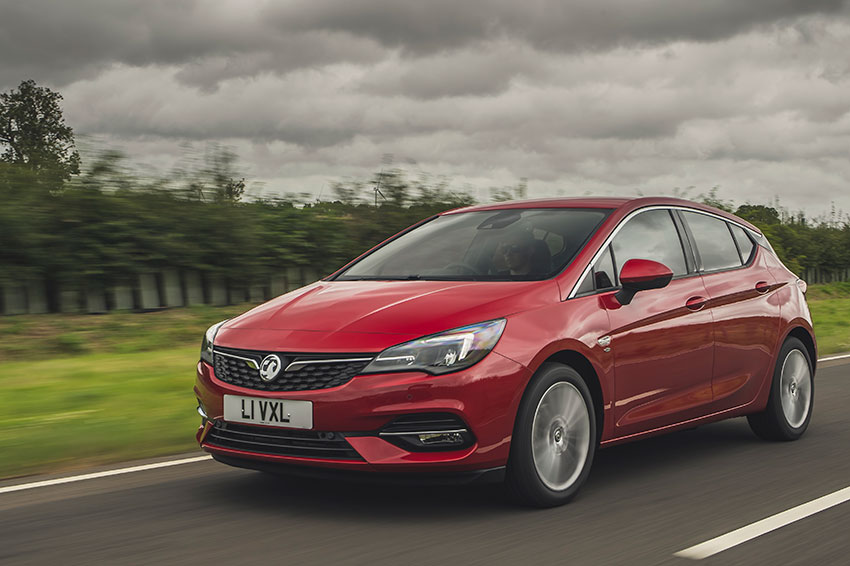
When we talk about everyday cars that quietly get on with life, the Vauxhall Astra always enters the conversation. It’s the kind of car you see everywhere—school runs, motorway slogs, weekend escapes—yet few models spark as many reliability debates. Is it dependable long term, or just cheap to fix when things go wrong? Let’s dig deep and answer that properly.
Content in this publication
- Why Reliability Matters More Than Ever
- A Quick Look at the Vauxhall Astra Lineage
- Overall Vauxhall Astra Reliability Score
- Engine Reliability: Petrol vs Diesel
- Timing Chain vs Timing Belt Reliability
- Transmission Reliability Explained
- Electrical Systems: The Astra’s Achilles’ Heel
- Suspension and Steering Durability
- Brakes and Tyres: Nothing Unexpected
- Interior Quality and Cabin Longevity
- Real-World Longevity: How Long Does an Astra Last?
- Maintenance: The Secret to Astra Reliability
- Running Costs Compared to Rivals
- Used Vauxhall Astra Reliability Checklist
- Is the New Astra More Reliable Than Older Models?
- Reliability vs Driving Style
- Who Should Buy a Vauxhall Astra for Reliability?
- Final Verdict: Is the Vauxhall Astra Reliable?
- Frequently Asked Questions
Why Reliability Matters More Than Ever
Reliability isn’t just about avoiding breakdowns anymore. It’s about:
- Predictable running costs
- Minimal downtime
- Confidence on long journeys
- Long-term ownership value
We want a car that behaves like a loyal dog—low drama, always ready, and forgiving when we miss a service or two.
A Quick Look at the Vauxhall Astra Lineage
How the Astra Has Evolved Over Time
The Astra has been around for decades, evolving from basic transport into a surprisingly refined hatchback. Each generation brought new engines, electronics, and comfort features—but also new reliability challenges.
Key Astra Generations at a Glance
- Astra G (late 90s–early 2000s): Simple, tough, low tech
- Astra H (2004–2010): More features, mixed electronics
- Astra J (2010–2015): Heavier, complex, comfort-focused
- Astra K (2015–2021): Lighter, more efficient, better built
- Astra L (2022–present): Electrified, Stellantis engineering
Overall Vauxhall Astra Reliability Score
On balance, the Astra sits firmly in the middle-to-above-average reliability bracket. It’s not indestructible, but it’s far from fragile. Think of it like a dependable pair of trainers—not luxury boots, not bargain flip-flops.
Engine Reliability: Petrol vs Diesel
Petrol Engines: Generally the Safer Bet
Petrol Astras tend to be simpler and cheaper to maintain.
Most reliable petrol options include:
- 1.4 naturally aspirated
- 1.6 petrol
- Later 1.2 turbo (Astra L)
Common petrol issues:
- Coil pack failures
- Timing chain noise on some turbo units
- Oil consumption if services are skipped
Diesel Engines: Strong but Sensitive
Diesels shine on motorways but demand proper care.
Reliable diesel units:
- 1.7 CDTi (older Isuzu-based engines)
- 1.6 CDTi (when serviced on time)
Known diesel weak points:
- DPF clogging on short journeys
- EGR valve failures
- Injector issues on high-mileage cars
Timing Chain vs Timing Belt Reliability
Timing Chains
- Found in many petrol Astras
- Can last the life of the car
- Stretching occurs if oil changes are neglected
Timing Belts
- Common in older diesel models
- Require scheduled replacement
- Failure leads to catastrophic engine damage
Transmission Reliability Explained
Manual Gearboxes
Manual Astras are generally robust and forgiving.
You may be interested in reading Is Vauxhall Astra a Good Car? An Honest, Real-World Verdict
Typical wear points:
- Clutch life around 90k–120k miles
- Dual-mass flywheel wear on diesels
Automatic Gearboxes
Earlier automatic gearboxes had mixed reputations.
Key issues include:
- Jerky shifts
- Solenoid failures
- Delayed servicing
Newer Astra automatics are far more refined and reliable.
Electrical Systems: The Astra’s Achilles’ Heel
Common Electrical Problems
- Dashboard warning codes
- Sensor failures
- Battery drain issues
- Faulty body control modules
Electrical gremlins are more annoying than dangerous, but they can chip away at ownership joy.
Suspension and Steering Durability
What Wears Out First
- Front drop links
- Suspension bushes
- Shock absorbers after 70k miles
The good news? These parts are inexpensive and widely available.
Brakes and Tyres: Nothing Unexpected
Braking systems are simple and reliable.
Expect:
- Brake pads every 25k–40k miles
- Discs every second pad change
No surprises here—just standard wear and tear.
Interior Quality and Cabin Longevity
How Well Does the Cabin Hold Up?
- Seat bolsters wear on high-mileage cars
- Steering wheel trim peeling on older models
- Touchscreen glitches in newer generations
The Astra cabin won’t wow, but it ages honestly.
Real-World Longevity: How Long Does an Astra Last?
With proper care, many Astras comfortably exceed:
- 150,000 miles without major engine work
- 10–15 years of practical daily use
Neglect shortens lifespan dramatically. Maintenance is the difference between a loyal companion and a money pit.
You may be interested in readingIs Vauxhall Astra a Good Car? An Honest, Real-World VerdictYou may be interested in reading
 Can a Vauxhall Astra Tow a Caravan? The Complete Real-World Guide
Maintenance: The Secret to Astra Reliability
Critical Maintenance Habits
- Oil changes every 8k–10k miles
- Regular coolant checks
- Timely timing belt replacement
- Proper battery health monitoring
Skip these, and even the best Astra will protest.
Running Costs Compared to Rivals
How the Astra Stacks Up
- Cheaper parts than Golf and Focus
- Lower labour costs at independent garages
- Insurance remains affordable
It’s a working-class hero in the cost department.
Used Vauxhall Astra Reliability Checklist
Before buying used, we always check:
- Service history
- Dashboard warning lights
- Clutch feel
- Engine noise on cold start
- Electrical features
A clean history matters more than low mileage.
Is the New Astra More Reliable Than Older Models?
Absolutely. The latest Astra benefits from:
- Improved build quality
- More efficient engines
- Better corrosion protection
- Refined electronics
Modern Astras feel less stressed and more mature.
Reliability vs Driving Style
Short trips, cold starts, and missed services are the Astra’s worst enemies. Driven gently and maintained well, it thrives. Abuse it, and it remembers.
Who Should Buy a Vauxhall Astra for Reliability?
Ideal Owners
- Daily commuters
- Families
- Company car drivers
- Budget-conscious buyers
Less Ideal For
- Performance-focused drivers
- Neglectful owners
- Frequent short-trip users (diesel models)
Final Verdict: Is the Vauxhall Astra Reliable?
Yes—when treated properly. The Vauxhall Astra is like a dependable co-worker: not flashy, sometimes grumpy, but always shows up. It rewards maintenance, punishes neglect, and delivers solid long-term ownership for drivers who respect its needs.
Frequently Asked Questions
Is the Vauxhall Astra expensive to maintain?
No. Parts are affordable and labour costs are lower than many rivals.
Which Astra engine is the most reliable?
Naturally aspirated petrol engines and the 1.7 CDTi diesel are standouts.
Are Astra diesels unreliable?
Not inherently, but they require proper long-distance driving and maintenance.
Can a Vauxhall Astra reach 200,000 miles?
Yes, with disciplined servicing and careful driving habits.
You may be interested in readingIs Vauxhall Astra a Good Car? An Honest, Real-World VerdictYou may be interested in reading
Can a Vauxhall Astra Tow a Caravan? The Complete Real-World GuideYou may be interested in reading
 Is Vauxhall Astra a Good First Car? An Honest, Real-World Guide
Is a used Astra a safe buy?
Absolutely—if it has a solid service history and passes inspection.
If you want to know other articles similar to Vauxhall Astra Reliability: Real-World Ownership, Faults, and Longevity you can visit the category Blog.
Is Nissan Rogue a Good Car? Reliability, Pros, Cons & What to Know
Nissan Rogue Not Starting? Common Causes and How to Fix It
Is Vauxhall Agila a Good Car? Reliability, Problems and Buying Guide

Honda Passport Life Expectancy: How Many Miles Can It Last?
Honda Passport Depreciation: How Well Does It Hold Its Value?
Nissan Rogue Reliability Rating: How Reliable Is the Rogue?
Leave a Reply
More content of your interest