

Ford F-150 Engine Options: Power, Efficiency, and Real-World Muscle

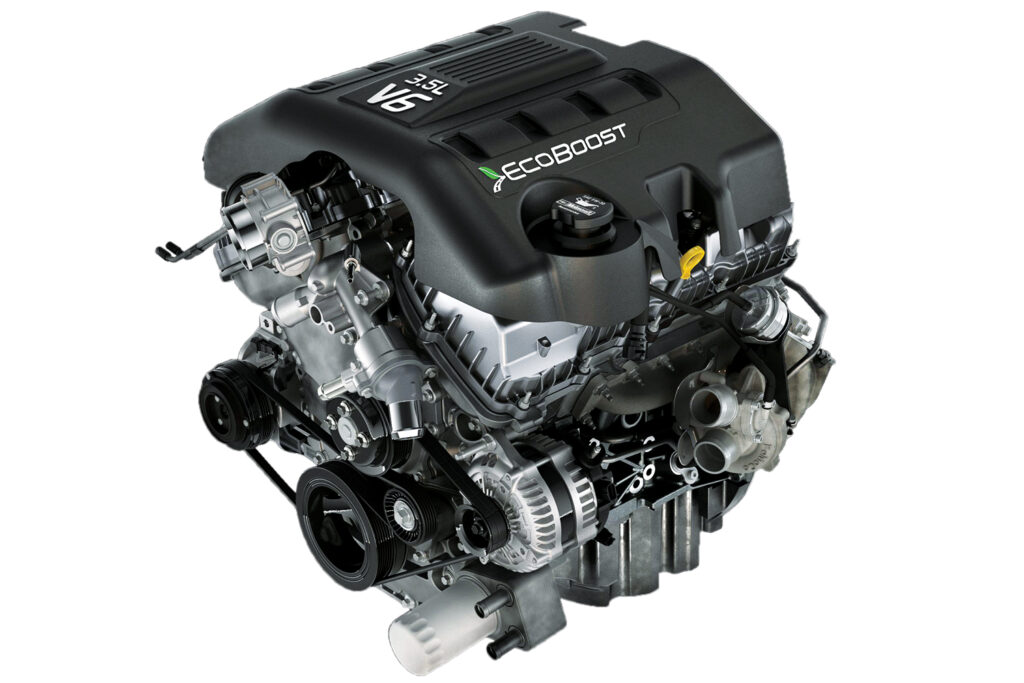
When we talk about pickup trucks, we’re really talking about engines. And when the conversation turns to the Ford F-150, engines aren’t just a spec sheet item — they’re the heartbeat of America’s best-selling truck. We’ve all seen F-150s hauling trailers, conquering job sites, cruising highways, and even sneaking into suburban driveways looking oddly refined. The reason it can play so many roles comes down to one thing: engine choice.
In this guide, we break down Ford F-150 engine options in a way that actually helps you decide. Not just numbers. Not just marketing buzzwords. Real-world usability, personality, and what each engine is genuinely good at.
Content in this publication
- Why the Ford F-150 Engine Lineup Matters
- Overview of Current Ford F-150 Engine Options
- 3.3L Ti-VCT V6: The Entry-Level Workhorse
- 2.7L EcoBoost V6: Small Engine, Big Attitude
- 3.5L EcoBoost V6: The Towing Champion
- 3.5L PowerBoost Hybrid: Muscle Meets Efficiency
- 5.0L Coyote V8: The Heartbeat of Tradition
- 3.5L EcoBoost High-Output: Raptor Territory
- Comparing Ford F-150 Engine Options at a Glance
- Towing and Payload Considerations
- Fuel Economy: What You Actually Experience
- Reliability and Longevity Across Engines
- Which Ford F-150 Engine Is Right for You?
- Final Thoughts: The Beauty of Choice
- Frequently Asked Questions
Why the Ford F-150 Engine Lineup Matters
Ford doesn’t believe in a one-engine-fits-all strategy. Instead, the F-150 lineup feels more like a menu — each engine cooked for a different appetite.
Some buyers want raw torque for towing. Others want fuel efficiency without sacrificing punch. And then there are those who want to embarrass sports cars at traffic lights while still hauling lumber.
We’re going to explore:
- Gas engines
- Turbocharged EcoBoost options
- Hybrid power
- High-output performance setups
Each one has a clear personality. Let’s meet them.
Overview of Current Ford F-150 Engine Options
Before diving deep, here’s a quick snapshot of the engines Ford has offered in recent F-150 generations:
- 3.3L Ti-VCT V6
- 2.7L EcoBoost V6
- 3.5L EcoBoost V6
- 3.5L PowerBoost Hybrid
- 5.0L Coyote V8
- 3.5L EcoBoost High-Output (Raptor)
Each engine targets a different driver mindset — from cost-conscious daily users to performance junkies.
3.3L Ti-VCT V6: The Entry-Level Workhorse
What This Engine Is All About
The 3.3L naturally aspirated V6 is Ford’s no-nonsense option. No turbos. No hybrid complexity. Just straightforward engineering.
It’s the engine for people who:
- Want simplicity
- Don’t tow massive loads
- Use their truck as a daily tool, not a toy
Key Characteristics
- Smooth, predictable power delivery
- Lower upfront cost
- Minimal maintenance complexity
Ideal Use Cases
- Fleet vehicles
- Light hauling
- Urban driving
- Budget-focused buyers
This engine doesn’t try to impress — and that’s exactly its charm.
2.7L EcoBoost V6: Small Engine, Big Attitude
Why This Engine Surprises Everyone
On paper, the 2.7L EcoBoost looks modest. In reality, it punches far above its weight. Turbocharging transforms this engine into a torque-rich powerhouse that feels lively from a standstill.
It’s the engine that makes skeptics say, “Wait… this is only a V6?”
You may be interested in reading Ford F-150 Highest Trim: Luxury, Power, and Prestige at the Top
Strengths That Matter
- Excellent low-end torque
- Strong fuel efficiency
- Lightweight aluminum block
Real-World Personality
This engine feels agile. Quick throttle response. Smooth highway cruising. It’s perfect for drivers who want performance without V8 thirst.
3.5L EcoBoost V6: The Towing Champion
The Backbone of the F-150 Lineup
If the F-150 had a Swiss Army knife engine, this would be it. The 3.5L EcoBoost balances brute strength with everyday usability better than almost anything in the segment.
Why People Love It
- Massive torque for towing
- Strong acceleration even under load
- Proven reliability across generations
Best For
- Heavy trailers
- Boats and campers
- Construction work
- Drivers who want one truck for everything
This is the engine most people choose when they say, “I need my truck to do truck things.”
3.5L PowerBoost Hybrid: Muscle Meets Efficiency
Hybrid Without the Boring Part
Forget everything you think you know about hybrids. The PowerBoost doesn’t whisper — it shoves.
By pairing a turbocharged V6 with an electric motor, Ford created something genuinely unique: a full-size hybrid truck that tows, hauls, and accelerates like a beast.
Standout Advantages
- Outstanding combined power
- Strong torque at zero RPM
- Excellent fuel economy for its size
Who Should Choose It?
- Daily commuters who tow on weekends
- Tech-savvy buyers
- Those who want power and lower fuel costs
It’s proof that efficiency doesn’t have to be boring.
5.0L Coyote V8: The Heartbeat of Tradition
Why the V8 Still Matters
Some engines aren’t just mechanical — they’re emotional. The 5.0L Coyote V8 is exactly that.
It roars. It revs. It reminds you why people fell in love with trucks in the first place.
What Makes It Special
- Naturally aspirated responsiveness
- Classic V8 sound
- Strong top-end power
Ideal Driver Profile
- Enthusiasts
- Drivers who tow occasionally
- Anyone who values sound and feel
In a world going turbo and electric, this V8 is a reminder that old-school still works.
3.5L EcoBoost High-Output: Raptor Territory
Built for the Wild
This isn’t just an engine — it’s a statement. Found in the F-150 Raptor, the high-output 3.5L EcoBoost is tuned for speed, durability, and desert domination.
Performance Highlights
- Aggressive tuning
- Instant throttle response
- Built to handle extreme conditions
Where It Shines
- Off-road driving
- High-speed trails
- Performance-focused builds
This engine doesn’t ask permission. It just goes.
Comparing Ford F-150 Engine Options at a Glance
Choosing Comes Down To Priorities
Think of the engine lineup like personalities at a dinner party:
- 3.3L V6: Quiet, reliable, dependable
- 2.7L EcoBoost: Clever, efficient, surprisingly strong
- 3.5L EcoBoost: Confident, capable, versatile
- PowerBoost Hybrid: Smart, powerful, forward-thinking
- 5.0L V8: Loud, proud, emotional
- High-Output EcoBoost: Wild, aggressive, unstoppable
There’s no wrong choice — only mismatched expectations.
You may be interested in readingFord F-150 Highest Trim: Luxury, Power, and Prestige at the TopYou may be interested in reading
 Which Ford F-150 Has the Coyote Engine?
Towing and Payload Considerations
Engines Aren’t Equal When It Comes to Work
If towing matters, your engine choice matters even more.
- Turbo engines excel at low-RPM torque
- Larger engines handle sustained loads better
- Hybrid systems provide instant response
Always pair engine choice with axle ratio and transmission setup for best results.
Fuel Economy: What You Actually Experience
Real-World MPG vs Paper Numbers
We’ve learned that EPA figures tell part of the story. Turbo engines often outperform expectations on highways, while V8s shine under load.
Key takeaways:
- 2.7L EcoBoost is the efficiency sweet spot
- PowerBoost offers best city economy
- V8s consume more but feel more visceral
Reliability and Longevity Across Engines
What Ownership Looks Like Long Term
Ford’s modern engines are generally robust, but complexity matters.
- Naturally aspirated engines = fewer components
- Turbo engines require proper maintenance
- Hybrid systems add complexity but are well-engineered
Regular oil changes and quality fuel make a bigger difference than engine type alone.
Which Ford F-150 Engine Is Right for You?
Ask Yourself These Questions
- How often do we tow?
- Do we prioritize sound or efficiency?
- Is this a daily driver or weekend warrior?
- Do we plan to keep the truck long-term?
The right engine aligns with your lifestyle — not just your ego.
Final Thoughts: The Beauty of Choice
The brilliance of the Ford F-150 engine options lineup lies in its diversity. Ford didn’t just build engines — they built personalities.
Whether you crave efficiency, brute force, tradition, or cutting-edge tech, there’s an F-150 engine that fits like a glove. Choose wisely, and the truck doesn’t just work for you — it becomes part of your routine, your projects, and your stories.
Frequently Asked Questions
1. Which Ford F-150 engine is best for towing?
The 3.5L EcoBoost is widely considered the best for towing due to its massive low-end torque.
2. Is the PowerBoost hybrid worth it?
Yes, especially if you want strong towing capability with better fuel economy and advanced tech.
3. Does the 2.7L EcoBoost feel underpowered?
Not at all. It delivers strong torque and feels surprisingly quick in daily driving.
4. Are V8 engines still reliable?
Absolutely. The 5.0L Coyote V8 is proven and loved for its simplicity and sound.
You may be interested in readingFord F-150 Highest Trim: Luxury, Power, and Prestige at the TopYou may be interested in reading
Which Ford F-150 Has the Coyote Engine?You may be interested in reading
 Ford F-150 or Chevy Silverado: The Ultimate Pickup Truck Showdown
5. Which engine is best for daily driving?
The 2.7L EcoBoost and PowerBoost Hybrid strike the best balance for everyday use.
If you want to know other articles similar to Ford F-150 Engine Options: Power, Efficiency, and Real-World Muscle you can visit the category Models.
Honda Passport vs Toyota 4Runner: Which SUV Is Better?
Honda Passport vs Ford Bronco: Which SUV Is Better?
Honda Passport vs Ford Explorer: Which SUV Is Better?
Honda Passport or Pilot: Which SUV Is Better?
Honda Passport vs Jeep Grand Cherokee: Which SUV Is Better?
Honda Passport vs Nissan Pathfinder: Which SUV Is Better?
Leave a Reply
More content of your interest