

Ford F-150 3.5 EcoBoost Reliability: The Real-World Truth After Years on the Road

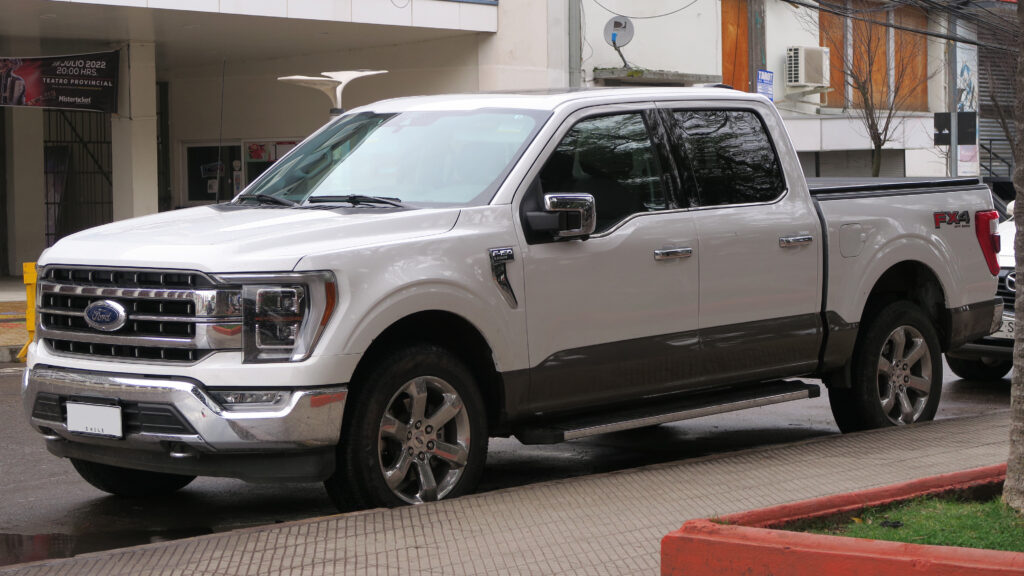
When Ford dropped the 3.5L EcoBoost into the F-150, it flipped the pickup world on its head. Turbocharged V6 instead of a big V8? People laughed. Then they towed boats, hauled trailers, and racked up miles. Years later, one question still dominates forums, workshops, and driveway conversations: How reliable is the Ford F-150 3.5 EcoBoost—really?
We’re going to answer that honestly, without fluff, and without pretending every engine is perfect. Let’s dig in.
Content in this publication
- Why the 3.5 EcoBoost Became the Heart of the F-150
- Ford F-150 3.5 EcoBoost Engine Overview
- Real-World Reliability: What Owners Actually Experience
- Common Ford F-150 3.5 EcoBoost Problems
- Is the 3.5 EcoBoost Reliable for Towing?
- Maintenance: The Key to Long-Term Reliability
- Fuel Quality and Its Impact on Reliability
- How Long Does the 3.5 EcoBoost Last?
- Comparing the 3.5 EcoBoost to Other F-150 Engines
- Model Years to Buy (and Avoid)
- Driving Habits That Improve Reliability
- Is the 3.5 EcoBoost Expensive to Maintain?
- Used Buyer Checklist
- Why the 3.5 EcoBoost’s Reputation Is Often Misunderstood
- Our Verdict on Ford F-150 3.5 EcoBoost Reliability
- Final Thoughts
- Frequently Asked Questions
Why the 3.5 EcoBoost Became the Heart of the F-150
A Bold Move That Changed Trucks Forever
Ford didn’t just release another engine—it challenged tradition. The 3.5 EcoBoost promised:
- V8-level torque
- Better fuel efficiency
- Strong towing performance
And it delivered—at least on paper.
What “EcoBoost” Actually Means
EcoBoost combines:
- Twin turbochargers
- Direct fuel injection
- Smaller displacement with forced induction
That combination creates power efficiently—but also adds complexity, which matters for long-term reliability.
Ford F-150 3.5 EcoBoost Engine Overview
Core Specifications That Matter
- Configuration: V6, twin-turbo
- Displacement: 3.5 liters
- Horsepower range: ~365–450 hp (depending on year)
- Torque: Up to 510 lb-ft
Generations of the 3.5 EcoBoost
Not all 3.5 EcoBoost engines are equal:
- 2011–2016: First generation (most complaints)
- 2017–2020: Second generation (major improvements)
- 2021–present: Third generation (refined and more durable)
Real-World Reliability: What Owners Actually Experience
High Mileage Isn’t Rare
We regularly see:
- 150,000–200,000 miles with proper maintenance
- Fleet trucks crossing 250,000 miles
The engine can last—but only if treated correctly.
Reliability vs. Neglect
This engine punishes neglect faster than older naturally aspirated V8s. Skip oil changes, ignore noises, or cheap out on maintenance, and problems appear quickly.
Common Ford F-150 3.5 EcoBoost Problems
Timing Chain Stretch (Early Models)
What Causes It
- Long oil change intervals
- Poor oil quality
- Cold starts under load
Symptoms
- Rattling on startup
- Rough idle
- Check engine light
This was most common on 2011–2014 models.
Turbocharger Wear and Failure
Why Turbos Fail
- Oil contamination
- Heat cycling
- Aggressive driving without cooldown
Typical Warning Signs
- Loss of boost
- Whining noises
- Blue smoke
Well-maintained turbos often last 150k+ miles.
You may be interested in reading Ford F-150 Most Reliable Years: The Ultimate Buyer’s Guide
Carbon Buildup on Intake Valves
Direct injection has a downside.
- Fuel never cleans the intake valves
- Carbon builds up over time
Results
- Misfires
- Reduced fuel economy
- Rough idle
Walnut blasting every 70k–100k miles helps dramatically.
Cam Phaser Issues (2017–2020 Models)
This problem reignited reliability debates.
Symptoms
- Loud rattling at startup
- Rough running
- Engine fault codes
Ford issued updated phasers, and post-repair engines are generally solid.
Is the 3.5 EcoBoost Reliable for Towing?
Built to Tow—Literally
With massive torque at low RPM, the 3.5 EcoBoost excels at:
- Boat trailers
- Travel trailers
- Work equipment
Towing Reliability Depends On
- Transmission cooling
- Oil change frequency
- Proper warm-up and cooldown
Tow responsibly, and the engine holds up impressively.
Maintenance: The Key to Long-Term Reliability
Oil Changes Are Non-Negotiable
We recommend:
- Every 5,000 miles (not 10,000)
- Full synthetic oil only
Critical Maintenance Items
- Spark plugs every 60k miles
- Intercooler inspection
- Turbo oil lines checked regularly
Neglect here is where horror stories begin.
Fuel Quality and Its Impact on Reliability
- Engine runs on regular
- Premium improves:
- Throttle response
- Turbo longevity
- Fuel economy under load
Premium isn’t mandatory—but it helps.
How Long Does the 3.5 EcoBoost Last?
Average Lifespan
With proper care:
- 200,000 miles is realistic
- 250,000+ miles is possible
Without care:
- Major repairs before 120k miles
Comparing the 3.5 EcoBoost to Other F-150 Engines
3.5 EcoBoost vs 5.0 Coyote V8
| Factor | 3.5 EcoBoost | 5.0 V8 |
|---|---|---|
| Power | Higher torque | Linear power |
| Complexity | Higher | Lower |
| Fuel economy | Better | Worse |
| Reliability | Maintenance-dependent | More forgiving |
3.5 EcoBoost vs 2.7 EcoBoost
- 2.7L is often more reliable long-term
- 3.5L is better for heavy towing
Model Years to Buy (and Avoid)
Best Years
- 2018–2020 (after fixes)
- 2021–present
Years to Approach Carefully
- 2011–2014
- 2017 (early builds)
Driving Habits That Improve Reliability
Warm-Up Matters
Let oil circulate before hard acceleration.
You may be interested in readingFord F-150 Most Reliable Years: The Ultimate Buyer’s GuideYou may be interested in reading
 Ford F-150 2.7 EcoBoost Reliability: Real-World Truth, Ownership Insights, and Long-Term Verdict
Cooldown After Towing
Idle for 30–60 seconds before shutting off.
Avoid Short Trips Only
Short trips accelerate carbon buildup.
Is the 3.5 EcoBoost Expensive to Maintain?
Compared to a V8
- Slightly higher maintenance cost
- Repairs are more expensive if ignored
Worth It?
For power, efficiency, and capability—yes.
Used Buyer Checklist
Before You Buy
- Check service records
- Listen for cold-start rattle
- Scan for stored fault codes
Red Flags
- Irregular oil changes
- Modified tuning without supporting upgrades
Why the 3.5 EcoBoost’s Reputation Is Often Misunderstood
Internet Horror Stories vs Reality
People post when things break—not when they run flawlessly.
Maintenance Bias
Many failures trace back to skipped oil changes, not flawed engineering.
Our Verdict on Ford F-150 3.5 EcoBoost Reliability
The Honest Take
The 3.5 EcoBoost is:
- Powerful
- Capable
- Reliable when maintained
It’s not an old-school V8 you can abuse indefinitely—but treat it right, and it rewards you with performance that still embarrasses competitors.
Final Thoughts
If you want effortless towing, strong acceleration, and modern efficiency, the Ford F-150 3.5 EcoBoost remains one of the best truck engines available. Reliability isn’t about luck—it’s about maintenance, driving habits, and choosing the right model year. Do those things, and this engine earns your trust mile after mile.
Frequently Asked Questions
Is the Ford F-150 3.5 EcoBoost reliable long term?
Yes, with proper maintenance, many exceed 200,000 miles.
Which year 3.5 EcoBoost is most reliable?
2018–2020 and 2021+ models are the safest bets.
Are turbo failures common?
No—most occur due to oil neglect or overheating.
No, but it improves performance and longevity.
You may be interested in readingFord F-150 Most Reliable Years: The Ultimate Buyer’s GuideYou may be interested in reading
Ford F-150 2.7 EcoBoost Reliability: Real-World Truth, Ownership Insights, and Long-Term VerdictYou may be interested in reading
Ford F-150 Generations by Year: A Complete Evolution GuideIs the 3.5 EcoBoost better than the 5.0 V8?
For towing and torque, yes. For simplicity, the V8 still wins.
If you want to know other articles similar to Ford F-150 3.5 EcoBoost Reliability: The Real-World Truth After Years on the Road you can visit the category Blog.
Volvo S90 Reliability: Problems, Costs & Best Years
Is Haval Jolion a Good Car? Honest Review, Reliability, Pros and Cons
How to Start Haval Jolion With Spare Key: Complete Guide
How to Calculate Per Diem on an Auto Loan

How to Calculate the Residual Value of a Car

Is the Honda Passport Selling Well? Sales Numbers Tell the Story
Leave a Reply
More content of your interest