
Ford F-150 Most Reliable Years: The Ultimate Buyer’s Guide

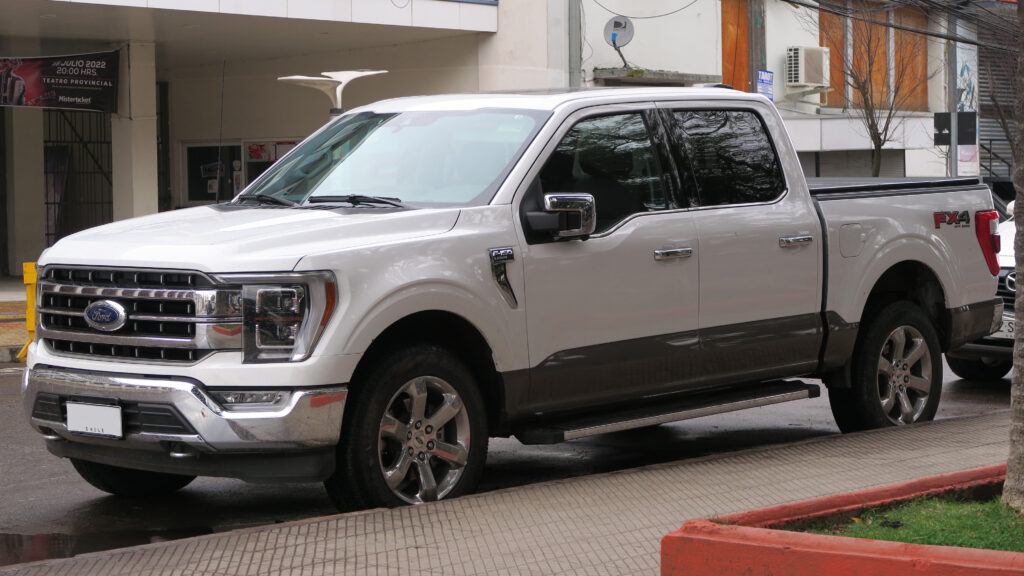
If trucks had hall-of-fame rings, the Ford F-150 would already be wearing several. It’s America’s best-selling truck for decades, but let’s be honest—we don’t just want popularity, we want reliability. The kind that starts on cold mornings, hauls without complaint, and doesn’t turn ownership into a relationship with your mechanic.
We’ve spent years analyzing owner reports, long-term reliability data, recalls, powertrain updates, and real-world experiences to answer one question buyers keep asking:
Which Ford F-150 years are the most reliable?
Let’s dig in.
Content in this publication
- Why Reliability Matters More Than Ever in the F-150
- How We Determined the Most Reliable F-150 Years
- Ford F-150 Generations at a Glance
- Overall Most Reliable Ford F-150 Years (Quick List)
- 2009 Ford F-150: Old-School Reliability Done Right
- 2011 Ford F-150: EcoBoost’s Breakout Success
- 2012 Ford F-150: One of the Safest Used Bets
- 2014 Ford F-150: The Best of the Steel-Body Era
- 2015 Ford F-150: Aluminum Done Right
- 2018 Ford F-150: Peak Modern Reliability
- 2020 Ford F-150: The Most Reliable Recent Model
- Most Reliable F-150 Engines Ranked
- Transmission Reliability by Year
- F-150 Years to Avoid (Or Inspect Carefully)
- Mileage vs Model Year: Which Matters More?
- Maintenance Habits That Boost F-150 Reliability
- Used vs New: Reliability Value Comparison
- Is the Ford F-150 a Reliable Truck Overall?
- Final Verdict: Best Ford F-150 Years to Buy
- FAQs About Ford F-150 Reliability
Why Reliability Matters More Than Ever in the F-150
Modern trucks are rolling computers. Turbocharged engines, 10-speed automatics, aluminum bodies, and hybrid systems can be amazing—or problematic. Choosing the right model year is the difference between a dependable workhorse and a money pit.
Reliability isn’t just about fewer breakdowns. It’s about:
- Lower repair costs
- Better resale value
- Fewer recalls and TSBs
- Long-term engine and transmission durability
How We Determined the Most Reliable F-150 Years
Before we get into specific years, here’s how we define “most reliable.”
Key Reliability Criteria
- Long-term owner feedback (100k+ miles)
- Powertrain durability
- Recall frequency and severity
- Known mechanical failure patterns
- Simplicity of engine/transmission design
We also separate early production years from mid-cycle refreshes, since Ford tends to fix problems after the first couple of years.
Ford F-150 Generations at a Glance
Understanding generations helps explain why some years shine while others stumble.
11th Generation (2004–2008)
- Traditional steel body
- Proven naturally aspirated V8s
- Simple electronics
12th Generation (2009–2014)
- Introduction of EcoBoost engines
- Improved safety and tech
- Early turbo growing pains
13th Generation (2015–2020)
- Aluminum body
- Refined EcoBoost lineup
- Introduction of the 10-speed transmission
14th Generation (2021–Present)
- Hybrid PowerBoost option
- More tech than ever
- Still too new for full reliability verdicts
Overall Most Reliable Ford F-150 Years (Quick List)
If you just want the highlights, start here:
- 2009
- 2011
- 2012
- 2014
- 2015
- 2018
- 2020
Now let’s break why these years earned their reputation.
2009 Ford F-150: Old-School Reliability Done Right
Sometimes boring is beautiful.
Why 2009 Still Stands Out
- Proven 4.6L and 5.4L V8 engines
- Minimal turbocharging complexity
- Strong 6-speed automatic
- Fewer electronic gremlins
This was Ford refining an already mature platform. While the 5.4L Triton had known spark plug issues in earlier years, most of those were addressed by 2009.
Best For: Buyers who value simplicity over fuel economy.
2011 Ford F-150: EcoBoost’s Breakout Success
2011 was a turning point.
You may be interested in reading Ford F-150 2.7 EcoBoost Reliability: Real-World Truth, Ownership Insights, and Long-Term Verdict
What Changed in 2011
- Introduction of the 3.5L EcoBoost
- Strong torque with fewer failures than expected
- Improved cooling and turbo reliability
Ford took a gamble with turbocharging—and it paid off. Early concerns faded as owners racked up high mileage with surprisingly few engine failures.
Reliable Engine Choices
- 3.5L EcoBoost (2011–2012 especially strong)
- 5.0L Coyote V8 (first appearance)
2012 Ford F-150: One of the Safest Used Bets
If reliability had a sweet spot, 2012 might be it.
Why 2012 Is So Highly Rated
- EcoBoost bugs largely resolved
- Coyote 5.0 V8 gaining legendary status
- Fewer recalls than surrounding years
This is one of those years where Ford didn’t reinvent the wheel—they just made it stronger.
2014 Ford F-150: The Best of the Steel-Body Era
2014 marked the end of an era—and Ford nailed it.
What Makes 2014 Special
- Final year before aluminum redesign
- Refined engines across the board
- Excellent build quality
This is often considered the most reliable pre-aluminum F-150 ever built.
Best Engines in 2014
- 5.0L Coyote V8
- 3.5L EcoBoost (late-cycle refinement)
2015 Ford F-150: Aluminum Done Right
New body, same dependability.
Why 2015 Beat Expectations
- Lighter aluminum body reduced strain on components
- Strong corrosion resistance
- Updated engine tuning
Despite fears about aluminum repairs, reliability data shows mechanical durability improved, not worsened.
2018 Ford F-150: Peak Modern Reliability
By 2018, Ford had ironed out major issues.
Why 2018 Is a Standout
- Improved 10-speed transmission programming
- Refined EcoBoost engines
- Strong reliability scores across trims
Early 10-speed transmissions had rough shifting, but most 2018 models benefited from software updates and revised components.
2020 Ford F-150: The Most Reliable Recent Model
If you want modern tech and dependability, 2020 delivers.
What Makes 2020 So Strong
- Final year before new generation
- Mature powertrain lineup
- Fewer complaints than 2019 or 2021
This year represents the best balance of technology and reliability in newer F-150s.
Most Reliable F-150 Engines Ranked
Not all engines age the same.
Top-Tier Reliable Engines
- 5.0L Coyote V8 (2012–2020)
- 3.5L EcoBoost (2011–2016, 2018–2020)
- 2.7L EcoBoost (2018–2020)
Engines to Approach with Caution
- Early 5.4L Triton (pre-2009)
- First-year PowerBoost hybrid (2021)
Transmission Reliability by Year
Transmissions matter just as much as engines.
Most Reliable Gearboxes
- 6-speed automatic (2009–2016)
- Updated 10-speed (2018–2020)
Years with More Complaints
- 2017 (early 10-speed issues)
- 2021 (new-generation tuning problems)
F-150 Years to Avoid (Or Inspect Carefully)
No truck is perfect.
You may be interested in readingFord F-150 2.7 EcoBoost Reliability: Real-World Truth, Ownership Insights, and Long-Term VerdictYou may be interested in reading
Ford F-150 Generations by Year: A Complete Evolution GuideLess Reliable Model Years
- 2004–2006 – Spark plug and cam phaser issues
- 2010 – Early EcoBoost uncertainty
- 2017 – Rough 10-speed shifting
- 2021 – First-year hybrid and electronics bugs
That doesn’t mean these trucks are bad—but buyers should be cautious.
Mileage vs Model Year: Which Matters More?
Here’s the truth: a well-maintained “bad year” can outlast a neglected “good year.”
What We Look For
- Consistent oil changes
- Transmission service history
- Recall completion records
- Evidence of gentle towing use
A 2012 with 180k miles and solid maintenance may be a better buy than a poorly treated 2019.
Maintenance Habits That Boost F-150 Reliability
Reliable years help—but owner habits seal the deal.
Best Practices
- Oil changes every 5,000–7,000 miles
- Transmission fluid service by 60k–80k miles
- Turbo cooldown habits on EcoBoost engines
- Prompt software updates
Treat the truck well, and it returns the favor.
Used vs New: Reliability Value Comparison
New trucks bring warranties. Used trucks bring value.
Why Many Buyers Choose Used Reliable Years
- Lower depreciation
- Proven reliability history
- Easier DIY maintenance
That’s why years like 2012, 2014, and 2020 dominate the used market.
Is the Ford F-150 a Reliable Truck Overall?
Short answer: yes—when you choose wisely.
The F-150’s reputation isn’t built on luck. It’s built on decades of refinement, feedback, and engineering evolution. Some years shine brighter than others, but the best ones rival any full-size truck on the road.
Final Verdict: Best Ford F-150 Years to Buy
If we had to narrow it down:
Best Older Models
- 2009
- 2012
- 2014
Best Modern Models
- 2018
- 2020
Choose one of these, verify maintenance history, and you’ll likely enjoy years of dependable ownership.
FAQs About Ford F-150 Reliability
Which Ford F-150 year lasts the longest?
2012 and 2014 models often exceed 250,000 miles with proper maintenance.
Is the Ford F-150 EcoBoost reliable long-term?
Yes, especially 2011–2016 and 2018–2020 models.
What is the most reliable F-150 engine?
The 5.0L Coyote V8 is widely considered the most durable.
Are newer F-150s less reliable?
Not necessarily—but first-year models tend to have more issues.
You may be interested in readingFord F-150 2.7 EcoBoost Reliability: Real-World Truth, Ownership Insights, and Long-Term VerdictYou may be interested in reading
Ford F-150 Generations by Year: A Complete Evolution GuideYou may be interested in reading
 Ford F-150 Depreciation: What We Really Pay Over Time
Is a high-mileage F-150 worth buying?
Absolutely, if maintenance records are solid and inspections check out.
If you want to know other articles similar to Ford F-150 Most Reliable Years: The Ultimate Buyer’s Guide you can visit the category Blog.
Is Vauxhall Agila a Good Car? Reliability, Problems and Buying Guide

Honda Passport Life Expectancy: How Many Miles Can It Last?
Honda Passport Depreciation: How Well Does It Hold Its Value?
Nissan Rogue Reliability Rating: How Reliable Is the Rogue?
Nissan Rogue Life Expectancy: How Long Does It Last?
Vauxhall Agila Reliability: Common Problems, Best Engines and What to Check
Leave a Reply
More content of your interest