
Ford F-150 Depreciation: What We Really Pay Over Time

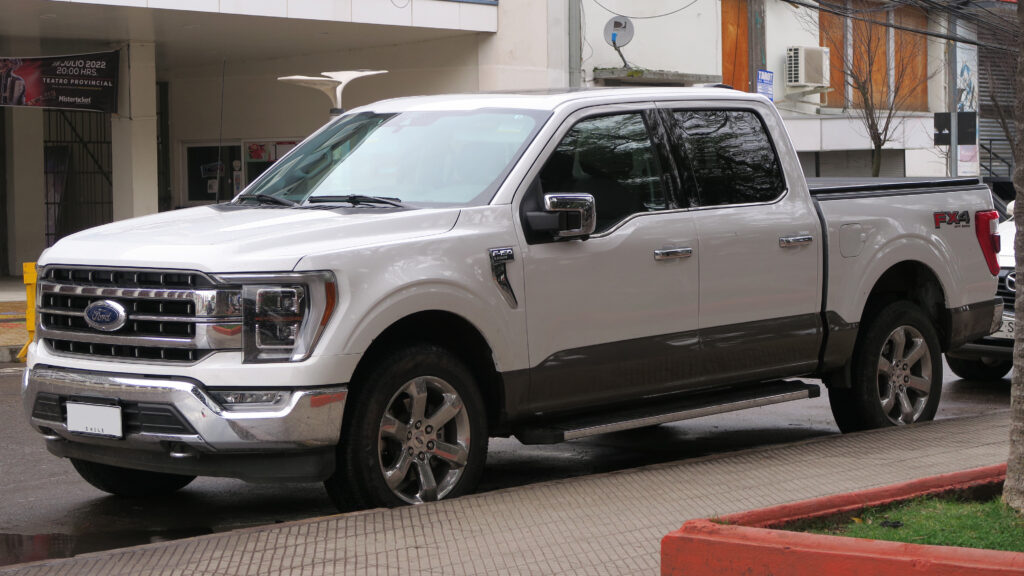
Buying a truck isn’t just about horsepower, tow ratings, or that satisfying thud when you close the door. It’s also about what happens after you sign the papers. Depreciation is the silent passenger riding shotgun in every vehicle purchase—and with a truck as iconic as the Ford F-150, it deserves a closer look.
We’re going to unpack Ford F-150 depreciation in plain English. No corporate fluff. No recycled charts. Just real insight into how value slips, where it holds, and how you can play the game smarter than most buyers.
Content in this publication
- Why Depreciation Matters More Than MSRP
- Understanding Vehicle Depreciation in Simple Terms
- Ford F-150 Depreciation at a Glance
- First-Year Depreciation: The Sharpest Drop
- Three-Year Ownership: The Sweet Spot
- Five-Year Depreciation: Where Value Levels Out
- How the F-150 Compares to Rival Trucks
- Trim Levels and Their Impact on Depreciation
- Cab Styles and Bed Lengths Matter More Than You Think
- Engine Choices and Long-Term Value
- Mileage: The Depreciation Multiplier
- How Reliability Reputation Shapes Depreciation
- Color Choices That Affect Resale Value
- Technology, Features, and Depreciation
- How the Used Market Boosts F-150 Value
- Buying New vs Used: Depreciation Strategy
- How Long Should We Keep an F-150?
- Can You Beat Depreciation? Absolutely
- The Emotional Side of Depreciation
- Final Thoughts on Ford F-150 Depreciation
- FAQs About Ford F-150 Depreciation
Why Depreciation Matters More Than MSRP
Sticker price gets all the attention, but depreciation is where the real money is won—or lost.
When we talk depreciation, we’re talking about:
- How much value the truck loses over time
- How fast that value drops
- How resale compares to competitors
A truck with strong resale can quietly save you thousands over ownership.
Understanding Vehicle Depreciation in Simple Terms
Depreciation is the difference between what you paid and what the truck is worth later. Think of it like sand slipping through your fingers—slow at first, then faster if you’re not careful.
Most vehicles lose value because of:
- Age
- Mileage
- Market demand
- Reliability reputation
The Ford F-150 performs surprisingly well across these areas.
Ford F-150 Depreciation at a Glance
On average, a Ford F-150:
- Loses 20–25% in the first year
- Loses 35–40% by year three
- Loses 45–50% by year five
That’s better than most full-size trucks.
First-Year Depreciation: The Sharpest Drop
Why the First Year Hurts the Most
The moment a new F-150 rolls off the lot, it becomes “used,” and that label alone triggers the biggest value drop.
Expect roughly:
- $8,000–$12,000 lost in year one (depending on trim)
This is where buying lightly used becomes a power move.
Three-Year Ownership: The Sweet Spot
By year three, depreciation starts to slow down.
Why Three Years Is Strategic
- Warranty often still active
- Modern tech still feels current
- Value drop stabilizes
This is why lease returns and certified pre-owned F-150s are so popular.
Five-Year Depreciation: Where Value Levels Out
After five years, the F-150 enters a more predictable phase.
What We Typically See
- Strong resale demand
- Stable private-party values
- Slower annual depreciation
At this stage, condition matters more than age.
You may be interested in reading Are Ford F-150 Reliable? The Real-World Truth We’ve Learned Over Time
How the F-150 Compares to Rival Trucks
Let’s be honest—this is a competitive segment.
Depreciation Comparison Snapshot
- Ford F-150: Strong resale, broad demand
- Chevy Silverado: Slightly higher depreciation
- Ram 1500: Steeper early depreciation
- Toyota Tundra: Best resale, higher upfront cost
The F-150 sits comfortably in the upper middle, balancing price and retention.
Trim Levels and Their Impact on Depreciation
Not all F-150s age the same.
Best Trims for Resale
- XLT
- Lariat
- King Ranch
Trims That Depreciate Faster
- Base XL (fleet-heavy)
- Highly customized builds
Mid-range trims tend to age like fine whiskey—steady and predictable.
Cab Styles and Bed Lengths Matter More Than You Think
Most Resilient Configurations
- SuperCrew cab
- Short or standard bed
These appeal to the widest audience, which protects resale value.
Regular cabs and long beds often sit longer on the used market.
Engine Choices and Long-Term Value
Engines That Hold Value Best
- 5.0L V8
- 3.5L EcoBoost
Engines With Slightly Higher Depreciation
- Entry-level V6
- Niche powertrains
Buyers trust proven engines—and the market rewards that trust.
Mileage: The Depreciation Multiplier
Mileage is like gravity—it pulls value down relentlessly.
General Rule
- 12,000–15,000 miles per year = normal depreciation
- Above that = accelerated value loss
Keeping mileage reasonable is one of the easiest ways to protect value.
How Reliability Reputation Shapes Depreciation
The F-150’s long-running reputation matters.
Why?
- Buyers trust parts availability
- Mechanics know the platform
- Repairs are predictable
That confidence slows depreciation over time.
Color Choices That Affect Resale Value
Yes, color matters.
Best Colors for Resale
- White
- Black
- Silver
- Gray
Colors That Depreciate Faster
- Bright custom colors
- Rare or polarizing shades
Neutral colors keep your future buyer pool wide.
Technology, Features, and Depreciation
Technology ages faster than steel.
Value-Holding Features
- 4x4 systems
- Towing packages
- Safety tech
Faster-Depreciating Features
- Cutting-edge infotainment
- Niche luxury add-ons
Practical beats flashy in the resale world.
How the Used Market Boosts F-150 Value
The F-150 thrives in the used market.
You may be interested in readingAre Ford F-150 Reliable? The Real-World Truth We’ve Learned Over TimeYou may be interested in reading
 What Years of Ford F-150 to Avoid (Buyer’s Survival Guide)
Why?
- Contractors love them
- Families want them
- Fleets rotate them
High demand cushions depreciation like a good suspension on rough roads.
Buying New vs Used: Depreciation Strategy
Buying New
- Highest initial depreciation
- Full warranty
- Custom configuration
Buying Used
- Lower upfront cost
- Slower depreciation curve
- Better value retention
If depreciation keeps you up at night, used is your friend.
How Long Should We Keep an F-150?
The smartest depreciation window:
- Buy at 2–3 years old
- Sell around 6–8 years
That’s where value loss slows and ownership value peaks.
Can You Beat Depreciation? Absolutely
Here’s how we stack the odds in our favor:
- Buy lightly used
- Choose popular trims
- Avoid extreme customization
- Maintain service records
- Keep mileage reasonable
Depreciation isn’t avoidable—but it is manageable.
The Emotional Side of Depreciation
Let’s be real. Trucks aren’t just numbers.
An F-150 is:
- A workhorse
- A family hauler
- A weekend escape machine
If you enjoy the truck, depreciation feels less painful. Like spending money on a great trip—you remember the experience, not the receipt.
Final Thoughts on Ford F-150 Depreciation
The Ford F-150 depreciates better than most, worse than a few, and predictably across generations. It’s not immune to value loss—but it’s far from reckless.
If you buy smart, maintain it well, and choose wisely, the F-150 becomes less of a financial drain and more of a long-term asset on four wheels.
And that’s about as good as depreciation gets.
FAQs About Ford F-150 Depreciation
Does the Ford F-150 hold its value well?
Yes. It consistently outperforms many rivals in long-term resale value.
What year F-150 depreciates the least?
Models after their third year tend to depreciate more slowly.
Do luxury trims depreciate faster?
Slightly, especially if heavily optioned beyond market demand.
Is buying a used F-150 better financially?
Absolutely. You avoid the steep first-year depreciation hit.
You may be interested in readingAre Ford F-150 Reliable? The Real-World Truth We’ve Learned Over TimeYou may be interested in reading
What Years of Ford F-150 to Avoid (Buyer’s Survival Guide)You may be interested in reading
 Which Ford F-150 Engine Is Best? A Real-World Buyer’s Guide
Does 4x4 improve resale value?
Yes. Four-wheel drive significantly boosts demand and value retention.
If you want to know other articles similar to Ford F-150 Depreciation: What We Really Pay Over Time you can visit the category Blog.
Volvo S90 Reliability: Problems, Costs & Best Years
Is Haval Jolion a Good Car? Honest Review, Reliability, Pros and Cons
How to Start Haval Jolion With Spare Key: Complete Guide
How to Calculate Per Diem on an Auto Loan

How to Calculate the Residual Value of a Car

Is the Honda Passport Selling Well? Sales Numbers Tell the Story
Leave a Reply
More content of your interest