
Jeep Wrangler Overheating: Causes, Fixes, and Prevention

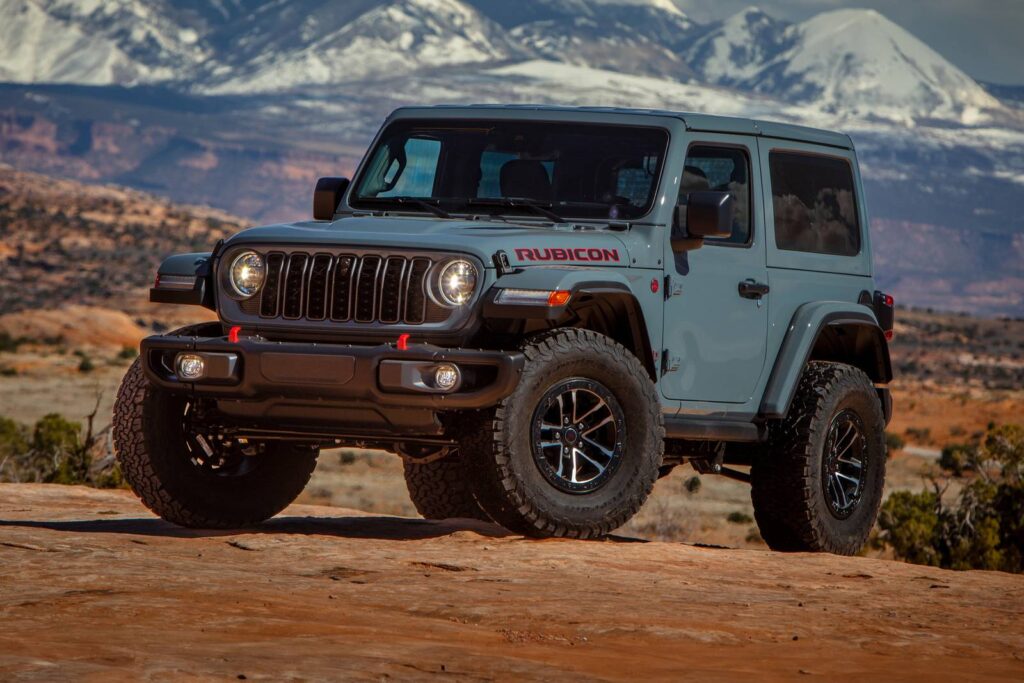
Overheating in a Jeep Wrangler feels a bit like watching a trusted trail buddy suddenly stumble. One moment everything’s fine, the next the temperature needle is creeping upward like a warning flare. We’ve all been there—or we know someone who has. The good news? Jeep Wrangler overheating is common, understandable, and in most cases, fixable without panic.
In this guide, we’re digging deep. We’ll break down why Wranglers overheat, how to spot early warning signs, what to do when it happens, and how to prevent it from ever ruining your day again. Think of this as sitting around a campfire with fellow Jeep owners, swapping hard-earned wisdom.
Content in this publication
- Understanding Jeep Wrangler Overheating
- How the Jeep Wrangler Cooling System Works
- Early Warning Signs of an Overheating Wrangler
- Most Common Causes of Jeep Wrangler Overheating
- Jeep Wrangler Overheating at Idle
- Jeep Wrangler Overheating While Driving
- Off-Roading and Jeep Wrangler Overheating
- Jeep Wrangler Overheating When Towing
- Model-Specific Wrangler Overheating Issues
- What to Do Immediately If Your Wrangler Overheats
- DIY Fixes for Jeep Wrangler Overheating
- When to See a Mechanic
- Preventing Jeep Wrangler Overheating Long-Term
- Upgrades That Help Reduce Overheating
- Environmental Factors and Overheating
- Driving Habits That Reduce Heat
- Closing Thoughts on Jeep Wrangler Overheating
- Frequently Asked Questions
Understanding Jeep Wrangler Overheating
Why Overheating Is Common in Wranglers
Wranglers are built for adventure, not for sipping iced tea in city traffic. Solid axles, upright grilles, and compact engine bays are fantastic off-road—but they can struggle with heat under certain conditions.
Common reasons overheating shows up include:
- Heavy off-road use at low speeds
- Towing or hauling beyond comfort limits
- High ambient temperatures
- Aging cooling components
Wranglers aren’t fragile—they’re just honest machines that let you know when something’s off.
How the Jeep Wrangler Cooling System Works
The Big Picture of Heat Management
Your Wrangler’s cooling system is like a relay team, with each component passing heat along until it’s safely released.
Key players include:
- Radiator
- Thermostat
- Water pump
- Cooling fan
- Coolant and hoses
When even one of these drops the baton, temperatures climb fast.
Early Warning Signs of an Overheating Wrangler
Symptoms You Should Never Ignore
Overheating rarely comes out of nowhere. Your Jeep usually whispers before it screams.
Watch for:
- Temperature gauge creeping past normal
- Steam from under the hood
- Sweet coolant smell
- Warning lights on the dash
- Reduced engine performance
Ignoring these signs is like ignoring a rattlesnake—it won’t end well.
Most Common Causes of Jeep Wrangler Overheating
Low or Contaminated Coolant
Coolant doesn’t last forever. Old, diluted, or leaking coolant can’t carry heat effectively.
Typical causes include:
- Small hose leaks
- Cracked radiator tanks
- Loose hose clamps
Even a minor leak can turn into a major heat problem.
Faulty Thermostat
The thermostat controls coolant flow. If it sticks closed, heat gets trapped like steam in a pressure cooker.
Symptoms often include:
- Rapid overheating
- No heat from cabin vents
- Temperature spikes shortly after startup
Radiator Blockage or Damage
Mud, bugs, and trail debris love radiators. Over time, airflow gets restricted.
Common issues:
- Clogged fins
- Internal corrosion
- Bent or damaged radiator core
A radiator that can’t breathe can’t cool.
Cooling Fan Failure
Electric or mechanical fans are essential, especially at low speeds.
Problems often come from:
- Failed fan motors
- Blown relays or fuses
- Faulty fan clutches
If your Wrangler overheats in traffic but cools on the highway, this is a prime suspect.
Jeep Wrangler Overheating at Idle
Why It Happens in Traffic or While Parked
Idling removes airflow. Without forward motion, your cooling fan does all the work.
Common culprits:
- Weak fan performance
- Dirty radiator
- Low coolant
This is especially noticeable in lifted Wranglers with oversized tires.
Jeep Wrangler Overheating While Driving
Heat at Highway Speeds Explained
Overheating on the open road points to a different problem set.
Possible causes:
- Blocked radiator
- Failing water pump
- Collapsing radiator hoses
At speed, airflow should cool things down—if it doesn’t, something’s blocking the process.
Off-Roading and Jeep Wrangler Overheating
Why Trails Push Temperatures Up
Crawling over rocks at walking pace is brutal on cooling systems.
Heat builds due to:
- Low RPM airflow
- High engine load
- Mud-packed radiator fins
Off-road overheating isn’t a flaw—it’s physics.
Jeep Wrangler Overheating When Towing
Extra Weight, Extra Heat
Towing amplifies every weakness in the cooling system.
Pay attention to:
- Transmission temperatures
- Radiator capacity
- Proper gear selection
Even short tows can overwhelm an unprepared setup.
Model-Specific Wrangler Overheating Issues
JK, JL, and Older Generations
Each Wrangler generation has its quirks.
- TJ (1997–2006): Aging radiators and hoses
- JK (2007–2018): Fan and thermostat issues
- JL (2018–present): Software-controlled fans and sensors
Knowing your generation helps narrow down causes faster.
What to Do Immediately If Your Wrangler Overheats
Smart Moves That Prevent Engine Damage
If the temperature needle spikes:
- Pull over safely
- Turn off the engine
- Do not open the radiator cap hot
- Let the engine cool completely
A few minutes of patience can save thousands in repairs.
DIY Fixes for Jeep Wrangler Overheating
Basic Checks You Can Do at Home
Before heading to a shop, try these:
- Check coolant level
- Inspect hoses for cracks
- Clean radiator fins
- Verify fan operation
Many overheating issues are surprisingly simple.
When to See a Mechanic
Knowing Your Limits
Professional help is wise when you notice:
- Persistent overheating
- Coolant in oil
- White exhaust smoke
- Repeated coolant loss
These could indicate head gasket or internal engine issues.
Preventing Jeep Wrangler Overheating Long-Term
Smart Habits That Keep Temps Stable
Prevention beats repair every time.
Best practices include:
- Regular coolant flushes
- Radiator cleaning after off-roading
- Replacing aging hoses early
- Monitoring gauges, not ignoring them
A well-maintained Wrangler runs cooler—and happier.
Upgrades That Help Reduce Overheating
Cooling Mods Worth Considering
For frequent off-roaders or towers, upgrades make sense.
Popular options:
- Heavy-duty aluminum radiators
- High-flow electric fans
- Hood vents for heat extraction
- Transmission coolers
Think of these as trail insurance.
Environmental Factors and Overheating
Heat, Altitude, and Humidity
External conditions matter more than most realize.
High-risk scenarios:
- Desert climates
- Mountain driving
- Stop-and-go summer traffic
Your Wrangler works harder when the environment does too.
Driving Habits That Reduce Heat
Small Changes, Big Impact
How we drive matters.
Helpful habits:
- Avoid long idling
- Use lower gears when climbing
- Don’t overload unnecessarily
Driving smarter keeps temperatures predictable.
Closing Thoughts on Jeep Wrangler Overheating
Jeep Wrangler overheating isn’t the end of the road—it’s a conversation starter between you and your machine. When we listen, inspect, and maintain, our Wranglers reward us with reliability, even in harsh conditions. Heat happens, but with the right knowledge, it never has to become a crisis.
Frequently Asked Questions
Why does my Jeep Wrangler overheat only in traffic?
This usually points to a cooling fan issue or restricted airflow through the radiator.
Can low coolant cause sudden overheating?
Yes. Even slightly low coolant reduces heat transfer efficiency.
Is it safe to drive an overheating Wrangler short distances?
No. Driving hot risks severe engine damage.
Do lifted Wranglers overheat more often?
They can, especially if airflow or gearing isn’t optimized.
How often should I flush my Wrangler’s coolant?
Typically every 2–5 years, depending on coolant type and usage.
If you want to know other articles similar to Jeep Wrangler Overheating: Causes, Fixes, and Prevention you can visit the category Common Problems.
Toyota Hilux DPF Problems: Causes, Symptoms, Fixes, and Prevention
Toyota Hilux Issues: Common Problems, Causes and What to Check
Subaru XV Not Starting: Causes, Diagnosis, and Fixes
BMW M2 Issues: Common Problems, Reliability and What Owners Should Know
Subaru XV Issues: Common Problems, Reliability and What Owners Should Know
Subaru XV Hybrid Problems: What Owners Should Know
Leave a Reply
More content of your interest