
Jeep Wrangler Battery Size: Everything We Need to Know Before Buying

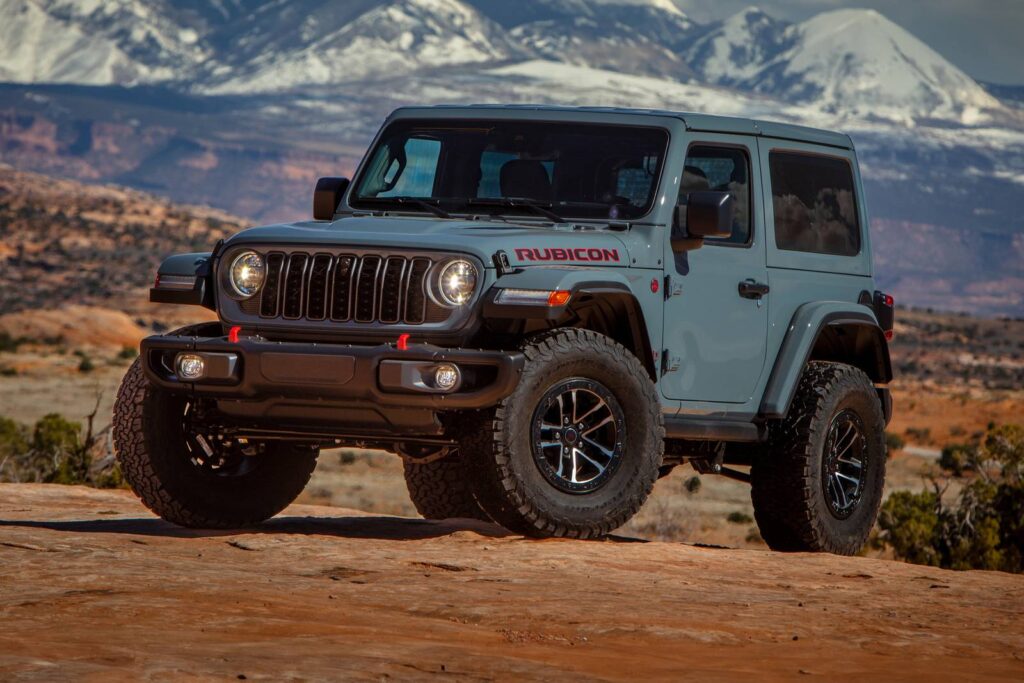
When it comes to the Jeep Wrangler, few things are as deceptively simple—and critically important—as the battery size. It’s easy to overlook. After all, it’s just a box that starts the engine, right? Not quite. The Wrangler is a rolling contradiction: part old-school off-roader, part modern tech hub. And that tension shows up clearly when we talk about batteries.
Whether we’re crawling over rocks, idling at a campsite, or navigating stop-start traffic with a dozen electronics humming in the background, the correct Jeep Wrangler battery size matters more than most owners realize. Pick the wrong one, and you’re inviting slow starts, warning lights, and premature failure. Pick the right one, and the Wrangler feels unstoppable—like it should.
Let’s break this down properly, without fluff, and with real-world clarity.
Content in this publication
- Why Battery Size Matters More in a Jeep Wrangler
- Understanding Battery Size vs Battery Type
- Jeep Wrangler Battery Group Sizes Explained
- Jeep Wrangler JK Battery Size (2007–2018)
- Jeep Wrangler JL Battery Size (2018–Present)
- Jeep Wrangler 4xe Battery Size: A Special Case
- Battery Size for Different Wrangler Engines
- Cold Cranking Amps and Why They Matter
- Reserve Capacity: The Forgotten Metric
- AGM vs Flooded Batteries for Jeep Wranglers
- Can We Upsize the Battery in a Jeep Wrangler?
- Battery Size and Start-Stop Systems
- Signs Your Jeep Wrangler Has the Wrong Battery Size
- How to Verify the Correct Battery Size for Your Wrangler
- Estimated Lifespan by Battery Size and Type
- Cost Differences Based on Battery Size
- Final Thoughts: Choosing the Right Jeep Wrangler Battery Size
- FAQs About Jeep Wrangler Battery Size
Why Battery Size Matters More in a Jeep Wrangler
A Jeep Wrangler isn’t a basic commuter car. It’s a vehicle built for extremes, and that changes the battery conversation entirely.
Wranglers Demand More Power Than You Think
Modern Wranglers power:
- Large infotainment screens
- Electronic sway bar disconnects
- Start-stop systems
- Heated seats and steering wheels
- Off-road cameras and sensors
All of this draws current—even when the engine isn’t roaring.
Off-Road Use Changes the Game
When we crawl at low speeds, idle for long stretches, or power accessories like winches and auxiliary lights, the battery becomes the unsung hero. Battery size directly affects:
- Cold cranking reliability
- Reserve capacity
- Long-term durability
In short, battery size isn’t optional—it’s foundational.
Understanding Battery Size vs Battery Type
Before diving into exact Wrangler specs, let’s clear up a common misconception.
Battery Size Is Not Just Physical Dimensions
Battery size usually refers to:
- Group size (standardized dimensions and terminal placement)
- Cold Cranking Amps (CCA)
- Reserve Capacity (RC)
You can physically fit a battery that’s “close enough,” but if the specs don’t match, problems follow.
Battery Type Is a Separate Decision
Common Wrangler battery types include:
- Flooded lead-acid
- AGM (Absorbent Glass Mat)
- Dual-purpose deep cycle
Size tells us if it fits. Type tells us how it performs.
Jeep Wrangler Battery Group Sizes Explained
Jeep has used several battery group sizes over the years, depending on generation, engine, and trim.
Common Jeep Wrangler Battery Group Sizes
- Group 34
- Group 48 (H6)
- Group 49 (H8)
- Group 94R (H7)
Each group size has specific dimensions and electrical capabilities.
Jeep Wrangler JK Battery Size (2007–2018)
The Wrangler JK bridged the gap between old-school Jeeps and modern SUVs, and its battery needs reflect that.
Typical JK Battery Group Size
Most Jeep Wrangler JK models use:
- Group 34 battery
Recommended Electrical Specs
- Cold Cranking Amps: 600–750 CCA
- Reserve Capacity: 100–120 minutes
Why Group 34 Works Well in the JK
- Compact but powerful
- Fits factory tray without modification
- Handles accessories better than smaller groups
For lifted JKs with aftermarket lights or winches, AGM Group 34 batteries are often the smarter move.
Jeep Wrangler JL Battery Size (2018–Present)
The JL generation changed everything. More tech. More electronics. More battery demands.
Standard JL Battery Group Sizes
Most JL Wranglers use:
- Group 48 (H6)
Some trims may use: - Group 49 (H8)
Typical JL Battery Specifications
- Cold Cranking Amps: 650–800 CCA
- Reserve Capacity: 120–160 minutes
Why the JL Needs More Battery
The JL introduced:
- ESS (Engine Stop-Start)
- Advanced driver aids
- Heavier electronic loads
Smaller batteries struggle here. Size truly matters.
Jeep Wrangler 4xe Battery Size: A Special Case
The Wrangler 4xe adds another layer of complexity.
Two Batteries, Two Roles
The 4xe uses:
- A high-voltage lithium-ion battery (for hybrid driving)
- A 12-volt auxiliary battery (for vehicle electronics)
12-Volt Battery Group Size
- Typically Group 94R or H7
Why 4xe Battery Size Is Critical
The 4xe is sensitive to voltage fluctuations. An undersized battery can trigger:
- Warning lights
- Start-stop failures
- Random electrical faults
Precision matters here more than ever.
Battery Size for Different Wrangler Engines
Not all engines draw power the same way.
2.0L Turbocharged Engines
- Higher electrical demand
- Benefit from higher CCA ratings
3.6L Pentastar V6
- More forgiving
- Still prefers Group 48 or larger in JL models
Diesel Wranglers
- Require very high CCA
- Larger battery sizes are non-negotiable
Engine choice directly influences ideal battery size.
Cold Cranking Amps and Why They Matter
Battery size without CCA context is meaningless.
What CCA Really Means
Cold Cranking Amps measure how well a battery can start the engine in cold weather.
Recommended CCA by Wrangler Use
- Daily driver: 600–700 CCA
- Cold climates: 750–800+ CCA
- Off-road builds: 700–850 CCA
Bigger isn’t always better—but underpowered is always worse.
Reserve Capacity: The Forgotten Metric
Reserve Capacity tells us how long a battery can power the vehicle if the alternator fails.
Why RC Matters for Wranglers
- Long trail rides
- Camping setups
- Winches and air compressors
A larger battery size usually means higher reserve capacity—and more peace of mind.
AGM vs Flooded Batteries for Jeep Wranglers
Battery size works hand-in-hand with battery technology.
AGM Batteries
- Better vibration resistance
- Higher usable capacity
- Longer lifespan
Flooded Lead-Acid Batteries
- Cheaper upfront
- Shorter life under heavy loads
For modern Wranglers, AGM batteries often justify their higher price.
Can We Upsize the Battery in a Jeep Wrangler?
This question comes up a lot—and for good reason.
When Upsizing Makes Sense
- Added accessories
- Winches and light bars
- Frequent off-road use
Potential Risks
- Tray modifications required
- Terminal clearance issues
- ECU sensitivity in JL and 4xe models
Upsizing should be done carefully, not casually.
Battery Size and Start-Stop Systems
Start-stop systems are notoriously picky.
Why ESS Needs the Right Battery
- Frequent engine restarts
- Higher cycling demands
- Voltage stability requirements
Incorrect battery size often leads to ESS malfunction warnings.
Signs Your Jeep Wrangler Has the Wrong Battery Size
Sometimes the Jeep tells us something’s wrong—if we listen.
Common Symptoms
- Slow or delayed starts
- Flickering dashboard lights
- Start-stop system disabled
- Frequent battery replacements
If these sound familiar, size might be the issue.
How to Verify the Correct Battery Size for Your Wrangler
Never guess. Always verify.
Best Ways to Confirm Battery Size
- Owner’s manual
- Under-hood battery label
- Dealership parts lookup
Trusting exact specs saves money and headaches.
Estimated Lifespan by Battery Size and Type
Battery size influences longevity.
Average Battery Life
- Flooded battery: 3–4 years
- AGM battery: 4–6 years
Larger, higher-quality batteries tend to age more gracefully.
Cost Differences Based on Battery Size
Bigger batteries usually cost more—but not always dramatically.
Typical Price Ranges
- Group 34: Mid-range
- Group 48/H6: Higher
- Group 49/H8: Premium
Spending slightly more upfront often prevents repeated replacements.
Final Thoughts: Choosing the Right Jeep Wrangler Battery Size
Choosing the right Jeep Wrangler battery size is a lot like choosing the right boots for a long hike. You can get by with the wrong ones—for a while. But eventually, discomfort turns into failure.
When we match the correct group size, proper CCA, and adequate reserve capacity to how we actually use our Wrangler, everything just works better. Starts are crisp. Electronics behave. The Jeep feels confident—like it’s ready for whatever trail or traffic jam lies ahead.
Battery size isn’t glamorous, but it’s foundational. And when we get it right, we rarely have to think about it again—which is exactly how it should be.
FAQs About Jeep Wrangler Battery Size
What is the most common Jeep Wrangler battery size?
Most modern Wranglers use Group 48 (H6), while older JK models commonly use Group 34.
Can I install a bigger battery than stock in my Wrangler?
Yes, but only if there’s sufficient space and compatibility with the vehicle’s electronics.
Does battery size affect start-stop performance?
Absolutely. Incorrect battery size is one of the top causes of ESS malfunction.
Is AGM required for Jeep Wranglers?
Not always, but AGM is highly recommended for JL and 4xe models.
How do I know my Wrangler needs a new battery?
Slow starts, warning lights, and frequent jump-starts are clear signs.
If you want to know other articles similar to Jeep Wrangler Battery Size: Everything We Need to Know Before Buying you can visit the category Service and Parts.
Volvo S90 Engine Oil: Type, Capacity & Change Guide
Volvo S90 Boot Space: Size, Capacity and Practicality
SEO Title: Volvo S90 Oil Capacity: Complete Guide by Engine

Kia Sorento Oil Type: Complete Guide by Year & Engine
Kia Sorento Engine Capacity: Complete Guide by Year
Peugeot 308 Clutch Replacement Cost: Complete UK Guide for 2026
Leave a Reply
More content of your interest