
Jeep Wrangler Quarter Panel Replacement: A Real-World Guide for Owners Who Care

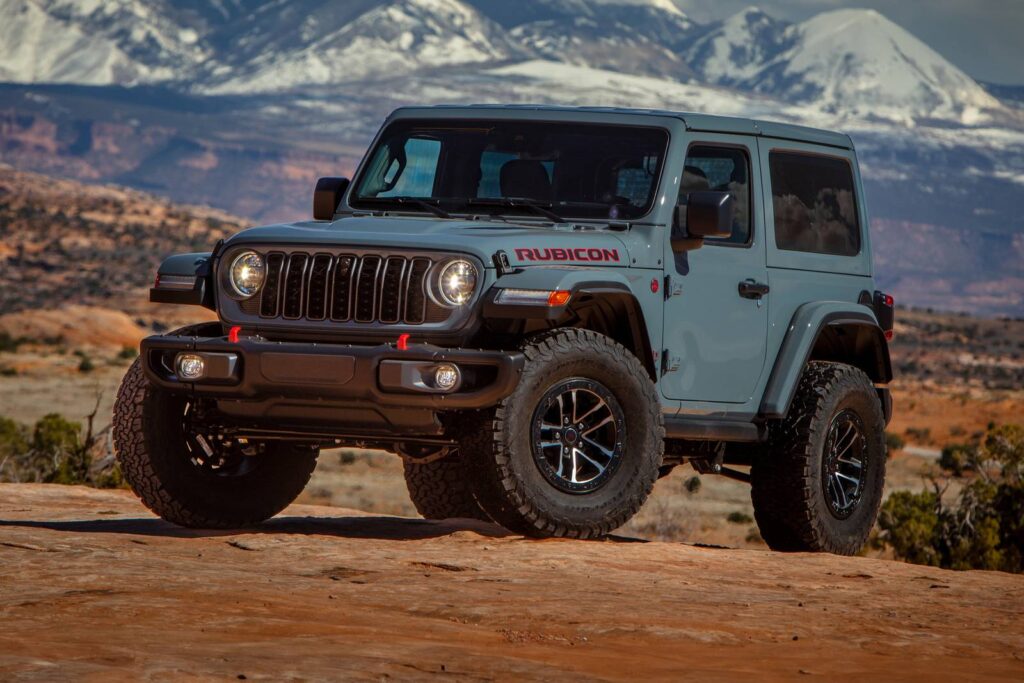
Owning a Jeep Wrangler is a little like owning a favorite leather jacket—it looks better with stories, but there’s a line between character and damage. Few areas tell that story louder than the quarter panels. Rock rash, trail dents, rust bubbles, and parking-lot mishaps all seem magnetically drawn to this part of the Jeep. So when the damage crosses from “battle scars” to “this needs fixing,” quarter panel replacement becomes the conversation we all eventually have.
In this guide, we’re diving deep—no fluff, no copy-paste nonsense—into Jeep Wrangler quarter panel replacement. We’ll cover when replacement makes sense, how it’s done, costs, materials, DIY vs body shop decisions, and what experienced Wrangler owners wish they knew earlier. Think of this as garage talk meets professional insight.
Content in this publication
- Understanding the Jeep Wrangler Quarter Panel
- Common Reasons for Jeep Wrangler Quarter Panel Replacement
- Repair vs Replacement: Making the Call
- Types of Jeep Wrangler Quarter Panel Replacements
- Full Replacement vs Section Replacement
- The Jeep Wrangler Quarter Panel Replacement Process
- Welding vs Bonding: Modern Methods Explained
- DIY Quarter Panel Replacement: Brave or Foolish?
- Cost Breakdown: What to Expect
- Paint Matching and Blending Challenges
- Quarter Panel Replacement and Resale Value
- Upgrading While You’re There
- Model-Specific Considerations
- Common Mistakes to Avoid
- How to Choose the Right Body Shop
- Living With the Replacement: Maintenance Tips
- Is Quarter Panel Replacement Worth It?
- Final Thoughts: Fixing the Wrangler the Right Way
- Frequently Asked Questions
Understanding the Jeep Wrangler Quarter Panel
What the Quarter Panel Actually Does
The quarter panel isn’t just cosmetic. It:
- Protects the rear wheel well
- Contributes to body rigidity
- Shields structural components from debris
- Defines the Wrangler’s iconic side profile
On Wranglers, especially TJ, JK, JL, and JKU models, quarter panels take abuse like a boxer’s ribs. Trails, mud, salt, and rocks don’t discriminate.
Steel vs Aluminum: Know Your Generation
- TJ & JK (1997–2018): Primarily steel panels
- JL (2018–present): Aluminum body panels
This matters—a lot—when it comes to repair techniques, cost, and replacement methods.
Common Reasons for Jeep Wrangler Quarter Panel Replacement
Trail Damage and Rock Rash
Off-road life is honest life. But repeated rock contact can:
- Tear sheet metal
- Crease the panel beyond repair
- Expose bare metal to corrosion
Rust: The Silent Panel Killer
Especially common in:
- JK models in salt-heavy regions
- Older TJs with factory seam sealer failure
Rust rarely stops once it starts. Replacement is often smarter than patching.
Accident or Parking Damage
Even a slow-speed impact can:
- Warp the wheel arch
- Crack paint and seam welds
- Misalign body lines
Previous Poor Repairs
We’ve all seen it—body filler stacked like cake frosting. When repairs fail, replacement is the only real fix.
Repair vs Replacement: Making the Call
When Repair Makes Sense
- Minor dents
- Shallow creases
- Paint-only damage
- No rust penetration
When Replacement Is the Smarter Move
- Structural deformation
- Rust-through
- Torn metal
- Repeated damage zones
- Preparing for armor or overlanding builds
If you’re asking, “Can this be repaired?”—the real question is, “Will it last?”
Types of Jeep Wrangler Quarter Panel Replacements
OEM Factory Panels
Pros
- Perfect fit
- Original body lines
- Maintains resale value
Cons
- Expensive
- Thin metal (trail damage can repeat)
Aftermarket Steel Quarter Panels
Ideal for off-road-focused builds.
- Thicker gauge steel
- Often weld-on or bolt-on
- Some require cutting factory panels
Aluminum Replacement Panels
Common for JL models.
- Lightweight
- Corrosion-resistant
- Requires specialized repair knowledge
Corner Armor and Half-Panel Solutions
Not a full replacement, but often combined with trimming:
- Covers damaged lower sections
- Adds trail protection
- Popular on JK and TJ builds
Full Replacement vs Section Replacement
Full Quarter Panel Replacement
This is the nuclear option—but sometimes necessary.
- Entire panel removed
- Welded or bonded replacement
- Requires paint blending
Partial or Section Replacement
- Lower rear corner only
- Less invasive
- Often hidden by armor or flares
Choosing between the two depends on damage location and your long-term build plan.
The Jeep Wrangler Quarter Panel Replacement Process
Step-by-Step Overview
Here’s what typically happens:
- Damage assessment and measurements
- Interior trim removal
- Cutting or drilling factory welds
- Panel separation
- Test-fitting new panel
- Welding or bonding
- Seam sealing
- Body filler and sanding
- Primer and paint
- Reassembly
It’s not quick. It’s not cheap. But done right, it’s invisible.
Welding vs Bonding: Modern Methods Explained
Traditional Welding
Best for steel panels.
- Strong and permanent
- Heat distortion risk
- Requires skilled hands
Structural Panel Bonding
Common on newer Wranglers.
- Factory-approved adhesives
- Reduces heat warping
- Requires precise prep
For JL aluminum bodies, bonding isn’t optional—it’s essential.
DIY Quarter Panel Replacement: Brave or Foolish?
When DIY Can Work
- Steel aftermarket panels
- Trail-only Jeeps
- Cutting for armor
- Bolt-on replacements
When DIY Becomes a Nightmare
- Aluminum JL panels
- Paint matching
- Structural repairs
- Rust remediation
We love garage builds—but quarter panels separate weekend warriors from seasoned fabricators.
Cost Breakdown: What to Expect
Typical Price Ranges
- Aftermarket steel panel: $300–$900
- OEM quarter panel: $900–$2,000+
- Labor (body shop): $1,200–$3,500
- Paint & blending: $600–$1,500
Total Cost Estimates
- DIY trail build: $500–$1,200
- Professional replacement: $2,500–$6,000+
If the quote makes you blink—welcome to bodywork reality.
Paint Matching and Blending Challenges
Why Matching Is So Hard
- Jeep paint fades
- Metallic flakes vary
- Adjacent panels reflect differences
Smart Blending Strategies
- Blend into rear door and tailgate
- Consider full-side respray
- Matte or textured finishes hide imperfections
Sometimes, going matte black is less about style—and more about sanity.
Quarter Panel Replacement and Resale Value
Will It Hurt Value?
- Poor repair? Absolutely.
- OEM-quality replacement? Usually neutral.
- Documented professional work? Often acceptable.
Trail Jeeps live different lives than mall crawlers. Buyers know the difference.
Upgrading While You’re There
Popular Add-Ons During Replacement
- High-clearance fender flares
- Corner armor
- LED tail light conversions
- Rust-proof coatings
- Internal panel reinforcement
Think of replacement as an opportunity, not just a fix.
Model-Specific Considerations
TJ Wrangler
- Simple steel construction
- Easier welding
- Rust-prone seams
JK / JKU
- Common rust around wheel arches
- Large aftermarket support
- Popular for armor conversions
JL / JLU
- Aluminum complications
- Higher labor costs
- Requires experienced body shops
Each generation brings its own personality—and its own headaches.
Common Mistakes to Avoid
- Skipping rust treatment
- Using cheap filler
- Ignoring seam sealing
- Not test-fitting panels
- Rushing paint curing
- Choosing shops unfamiliar with Jeeps
Shortcuts here always show later.
How to Choose the Right Body Shop
What We Look For
- Jeep-specific experience
- Aluminum certification (JL models)
- Photos of previous work
- Clear warranty terms
- Honest timelines
If they say, “It’ll be easy,” be cautious.
Living With the Replacement: Maintenance Tips
- Wash mud out of seams
- Apply rust inhibitor annually
- Avoid rock contact until fully cured
- Inspect after hard trail runs
Quarter panels don’t need pampering—but they do appreciate respect.
Is Quarter Panel Replacement Worth It?
For most Wrangler owners, the answer is yes—when done correctly. A clean, strong quarter panel restores confidence, protects your investment, and keeps your Jeep looking trail-ready instead of trail-worn.
We don’t replace panels to erase stories. We replace them so the Jeep can keep collecting new ones.
Final Thoughts: Fixing the Wrangler the Right Way
Jeep Wrangler quarter panel replacement isn’t just bodywork—it’s stewardship. Whether you’re restoring, upgrading, or rebuilding after years of trail abuse, doing it right means fewer regrets and better adventures ahead.
We’ve learned one thing over the years: Jeeps forgive mistakes—but sheet metal never forgets.
Frequently Asked Questions
Can you replace just part of a Jeep Wrangler quarter panel?
Yes, partial replacements are common, especially for lower rear corners or rusted sections.
Is quarter panel replacement covered by insurance?
If damage is accident-related, often yes. Rust and wear usually aren’t.
How long does quarter panel replacement take?
Anywhere from 3 days to 3 weeks, depending on complexity and paint work.
Can armor replace the need for a new quarter panel?
Sometimes. Armor can cover damage, but structural issues still need repair.
Does replacing a quarter panel affect safety?
When done properly, no. Poor repairs, however, can compromise structural integrity.
If you want to know other articles similar to Jeep Wrangler Quarter Panel Replacement: A Real-World Guide for Owners Who Care you can visit the category Service and Parts.
Nissan Qashqai Fuel Tank Capacity: Complete Guide

Suzuki Swift Fuel Tank Capacity: Complete Guide
Mazda CX-5 Weight (2013–2026): Complete Guide in Pounds and KG
Kia Sportage Dashboard Symbols and Warning Lights

MINI Cooper Weight (2002–2027): Complete Weight Chart & Guide
Toyota RAV4 Engine Sizes: Complete Guide (1994–2026)
Leave a Reply
More content of your interest