
Are Jeep Wrangler Good in Snow? The Real-World Winter Verdict

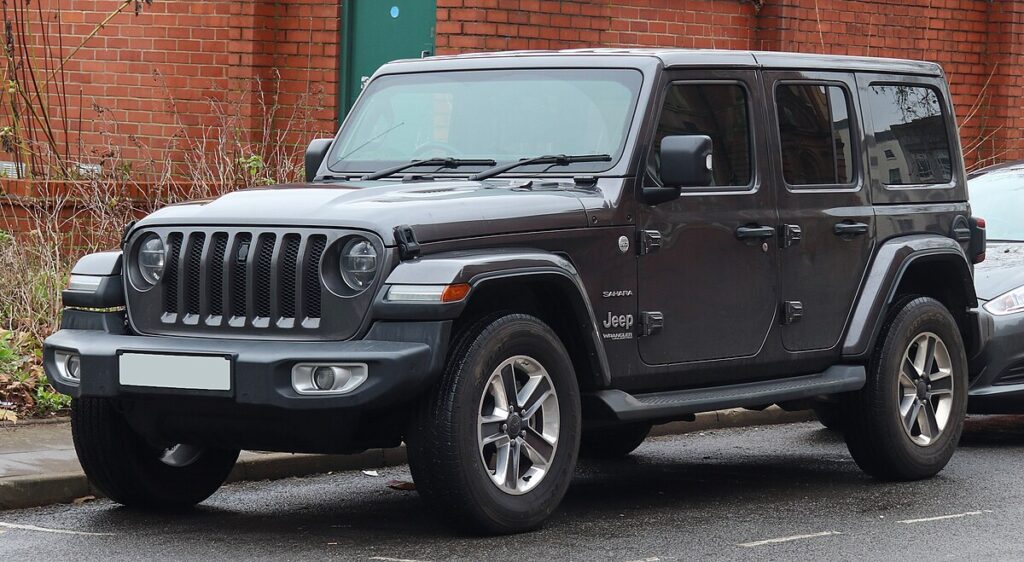
When winter rolls in with its icy grip, snow-covered roads, and slushy backstreets, one question pops up again and again: are Jeep Wrangler good in snow? We’ve heard the legends, seen the commercials, and watched Wranglers crawl through blizzards like mountain goats. But does that rugged reputation actually hold up when the flakes start falling?
Let’s slow things down, grab a hot coffee, and dig into the real-world truth. Because driving in snow isn’t about bravado—it’s about traction, control, confidence, and whether your vehicle works with winter instead of fighting it.
Content in this publication
- Why Snow Driving Separates the Good from the Great
- The Jeep Wrangler’s DNA: Built for the Harsh Stuff
- Are Jeep Wranglers Good in Snow by Design?
- Understanding Jeep Wrangler 4WD Systems
- The Role of Low Range in Deep Snow
- Ground Clearance: Snowbanks Are No Match
- Tires: The Hidden Deciding Factor
- Weight Distribution: A Double-Edged Sword
- Solid Axles and Snow Traction
- Electronic Stability Control in Snow
- Visibility: Seeing Is Surviving
- Soft Top vs Hardtop in Winter
- Cold Weather Reliability
- Common Winter Mistakes Wrangler Drivers Make
- Braking in Snow: The One Weak Spot
- Jeep Wrangler vs AWD Crossovers in Snow
- City Snow vs Mountain Snow
- Do Locking Differentials Help in Snow?
- Fuel Economy in Winter Conditions
- Are Jeep Wranglers Safe in Snow?
- Who Should Choose a Wrangler for Snow?
- Real-World Owner Experiences
- Final Verdict: Are Jeep Wranglers Good in Snow?
- Frequently Asked Questions
Why Snow Driving Separates the Good from the Great
Snow is the ultimate equalizer. It exposes weaknesses fast.
What Snow Driving Demands from a Vehicle
Snowy conditions test:
- Traction on slick surfaces
- Weight balance and stability
- Ground clearance over drifts
- Drivetrain intelligence (4WD vs AWD)
- Driver confidence and visibility
Many vehicles talk tough. Few back it up.
The Jeep Wrangler’s DNA: Built for the Harsh Stuff
Before we even touch snow, we need to understand what a Wrangler actually is.
A Vehicle Born Off the Pavement
The Wrangler isn’t a crossover pretending to be adventurous. It’s:
- Body-on-frame construction
- Solid front and rear axles
- True four-wheel drive systems
- High ground clearance
This matters. A lot.
Are Jeep Wranglers Good in Snow by Design?
Short answer? Yes—but with nuance.
Why Wranglers Excel in Snowy Conditions
At their core, Wranglers offer:
- Power delivered to all four wheels
- Mechanical grip, not just electronic tricks
- A suspension setup that keeps tires planted
Snow driving rewards vehicles that can crawl, not just sprint.
Understanding Jeep Wrangler 4WD Systems
Not all four-wheel drive is created equal.
Command-Trac vs Rock-Trac
Wranglers typically offer:
- Command-Trac (Part-Time 4WD)
- Rock-Trac (Heavy-Duty 4WD with Low Range)
Both systems allow the driver to manually engage 4WD—huge advantage in snow.
Why Manual Control Matters
Instead of waiting for wheel slip:
- You anticipate loss of traction
- Power is evenly distributed
- Momentum stays smooth and predictable
That’s gold on icy roads.
The Role of Low Range in Deep Snow
Low range isn’t just for rocks.
Why 4LO Is a Winter Weapon
Low range allows:
- Slow, controlled movement
- Reduced wheel spin
- Increased torque at low speeds
Think deep, unplowed snow or steep icy driveways. This is where Wranglers shine.
Ground Clearance: Snowbanks Are No Match
Snow piles up. Cars get stuck.
Why Clearance Changes Everything
A Jeep Wrangler typically offers:
- 9–10+ inches of ground clearance
- Short overhangs for better approach angles
This means:
- Less snow buildup underneath
- Fewer high-centering moments
- Easier navigation through drifts
Where sedans plow snow, Wranglers float over it.
Let’s be blunt: tires matter more than badges.
You may be interested in reading Are Jeep Wrangler Reliable Cars? An Honest, Real-World Breakdown
Stock Tires vs Winter Tires
Even the best 4WD system struggles on bad rubber.
Best Tire Choices for Snow
- Dedicated winter tires (best)
- All-terrain tires with snow rating
- Avoid worn or summer-focused tires
A Wrangler with proper winter tires becomes a snow cheat code.
Weight Distribution: A Double-Edged Sword
Wranglers aren’t heavy in the traditional sense.
Light Weight Can Help—and Hurt
Pros:
- Easier to correct slides
- Less sinking into soft snow
Cons:
- Less downward pressure on icy surfaces
- Requires smoother throttle control
Snow rewards finesse, not brute force.
Solid Axles and Snow Traction
Wranglers still use solid axles—old school, but effective.
Why Solid Axles Work in Winter
They:
- Keep tires more evenly planted
- Maintain traction over uneven surfaces
- Handle ruts and packed snow better
Independent suspensions may ride smoother, but solid axles grip with authority.
Electronic Stability Control in Snow
Wranglers balance raw mechanics with modern tech.
How Stability Systems Help
Electronic aids:
- Reduce unwanted wheel spin
- Correct oversteer and understeer
- Improve confidence for less experienced drivers
You can also partially disable them when needed—flexibility matters.
Visibility: Seeing Is Surviving
Winter driving isn’t just about traction.
Wrangler Visibility Advantages
- Upright windshield
- High seating position
- Boxy design with minimal blind spots
Snowstorms are stressful. Good visibility reduces fatigue and panic.
Soft Top vs Hardtop in Winter
This question comes up every year.
Are Soft Tops Bad in Snow?
Not necessarily, but:
- Hardtops insulate better
- Soft tops can feel colder and noisier
- Defrosting is more efficient with hardtops
Functionally, both work. Comfort-wise, hardtops win.
Cold Weather Reliability
Snow often brings bitter cold.
How Wranglers Handle Winter Starts
Modern Wranglers:
- Start reliably in freezing temps
- Use cold-resistant fluids
- Warm up reasonably quickly
Older models may need extra care, but overall reliability is strong.
Common Winter Mistakes Wrangler Drivers Make
Capability doesn’t replace judgment.
Mistakes to Avoid
- Overconfidence in deep ice
- Aggressive throttle inputs
- Forgetting tire pressure adjustments
- Ignoring braking distances
A Wrangler helps—but physics still applies.
Braking in Snow: The One Weak Spot
Let’s be honest.
Why Braking Requires Respect
Wranglers:
You may be interested in readingAre Jeep Wrangler Reliable Cars? An Honest, Real-World BreakdownYou may be interested in reading
 How Long Do Jeep Wranglers Last? A Real-World Longevity Guide
- Are tall and boxy
- Have longer stopping distances
- Require more anticipation
ABS helps, but smooth braking is key.
Jeep Wrangler vs AWD Crossovers in Snow
This comparison always sparks debate.
Where Wranglers Win
- Deep snow capability
- Manual 4WD control
- Off-road traction
Where Crossovers Win
- On-road comfort
- Fuel efficiency
- Ice-focused stability systems
For severe winter conditions, Wranglers still come out ahead.
City Snow vs Mountain Snow
Snow isn’t universal.
Urban Winter Driving
Wranglers handle:
- Slush
- Packed snow
- Poorly plowed streets
Mountain and Rural Snow
This is Wrangler territory:
- Steep grades
- Unplowed roads
- Sudden weather shifts
Few vehicles feel as confident here.
Do Locking Differentials Help in Snow?
Sometimes yes—sometimes no.
When Lockers Are Useful
- Deep snow
- One wheel losing traction
- Slow, controlled crawling
On icy pavement, lockers can actually reduce control. Use wisely.
Fuel Economy in Winter Conditions
Snow hurts MPG—no surprise.
What to Expect
- Increased fuel consumption
- Longer warm-up times
- Higher rolling resistance
Wranglers aren’t efficient, but they’re dependable.
Are Jeep Wranglers Safe in Snow?
Safety is more than traction.
Winter Safety Strengths
- Strong structural design
- High driver awareness
- Predictable handling at low speeds
Paired with smart driving, Wranglers feel reassuring.
Who Should Choose a Wrangler for Snow?
Not everyone needs one.
Wrangler Is Ideal If You:
- Live in heavy snow regions
- Drive unplowed roads
- Value control over comfort
- Want mechanical reliability
If winter is mild? It might be overkill.
Real-World Owner Experiences
Talk to owners in snowy states and regions, and patterns emerge:
- High confidence in storms
- Rarely get stuck
- Snow driving feels calm, not chaotic
That peace of mind matters.
Final Verdict: Are Jeep Wranglers Good in Snow?
Absolutely—when driven smartly.
The Bottom Line
A Jeep Wrangler:
- Thrives in deep snow
- Excels on unplowed roads
- Rewards experienced drivers
- Demands respect on ice
It’s not magic. It’s mechanics, design, and purpose aligning perfectly with winter.
If snow is a serious part of your life, the Wrangler doesn’t just cope—it conquers.
Frequently Asked Questions
Are Jeep Wranglers better than AWD cars in snow?
In deep or unplowed snow, yes. AWD is smoother on icy pavement, but 4WD dominates in severe conditions.
Do I need snow tires on a Jeep Wrangler?
Strongly recommended. Tires dramatically improve winter performance.
Is a Jeep Wrangler safe to drive on ice?
Yes, with caution. Ice requires gentle inputs and increased braking distance.
You may be interested in readingAre Jeep Wrangler Reliable Cars? An Honest, Real-World BreakdownYou may be interested in reading
How Long Do Jeep Wranglers Last? A Real-World Longevity GuideYou may be interested in reading
 Can Jeep Wranglers Get Wet Inside? The Honest Truth About Water, Weather, and Wranglers
Does 4WD automatically engage in snow?
No. Wranglers use manual engagement, giving drivers more control.
Are older Jeep Wranglers good in snow?
Yes, especially with proper tires and maintenance. Many older models are snow legends.
If you want to know other articles similar to Are Jeep Wrangler Good in Snow? The Real-World Winter Verdict you can visit the category Blog.
Vauxhall Meriva Insurance Group UK: Costs, Ratings and Savings

Is Hyundai i40 a Good Car? An Honest Used-Car Review
Hyundai i40 Years to Avoid: The Complete Used-Car Guide
Hyundai i40 Reliability: Common Problems, Lifespan, and Buying Advice
Which Kia Rio Engine Is Best? A Smart Buyer’s Guide
Kia Rio Reliability: A Real-World Guide for Smart Buyers
Leave a Reply
More content of your interest