

Seat Ibiza Engine Oil Guide: Correct Oil Grades, Capacities, and Specifications for Every Engine

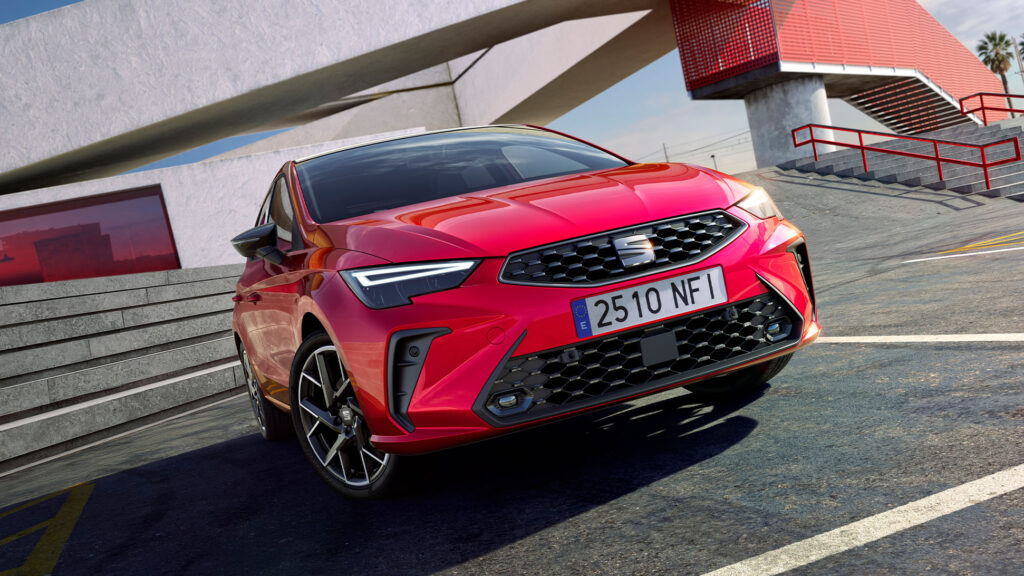
The SEAT Ibiza has never been a follower. With more than 5.3 million units sold since 1984, it evolved from a simple supermini into a technically sophisticated hatchback, becoming the first VW Group model to adopt the MQB-A0 platform—ahead of the Polo and A1. That engineering leap directly influences engine design, lubrication requirements, and oil specifications, which is exactly where most owners get confused.
We remove ambiguity. Below is a precise, structured, engine-specific oil guide for every Seat Ibiza generation and powertrain, written to be definitive—not approximate.
Content in this publication
- Seat Ibiza Generations and Oil Specification Context
- Understanding Seat Ibiza Engine Oil Grades (Without the Guesswork)
- Official VW Group Oil Standards Used by Seat Ibiza
- Seat Ibiza Engine Oil Table (All Engines & Years)
- Seat Ibiza Oil Capacity (Including Filter)
- Oil Change Intervals for Seat Ibiza
- What Happens If You Use the Wrong Oil?
- Oil Change Workflow (Seat Ibiza)
- How to Check Oil Level Correctly
- Best Practices for Long Engine Life
- Why the Seat Ibiza Is Sensitive to Oil Choice
- Final Thoughts
- Frequently Asked Questions
Seat Ibiza Generations and Oil Specification Context
MQB-A0 Era (2017–Present)
- Wider track and longer wheelbase
- Turbocharged petrol engines with tighter tolerances
- Diesel units with DPF systems
- LongLife service intervals on many variants
These factors demand low-ash, manufacturer-approved oils rather than generic viscosity guesses.
Pre-MQB Era (2008–2016)
- Naturally aspirated petrol engines
- Early TSI turbo units
- Traditional diesel engines with and without DPF
Oil choice remains critical, but approvals differ.
Understanding Seat Ibiza Engine Oil Grades (Without the Guesswork)
What the Viscosity Numbers Mean in Practice
- 0W-20 / 0W-30 → Optimised for fuel efficiency and cold starts
- 5W-30 → The most common Ibiza oil, balancing protection and economy
- 5W-40 / 0W-40 → Higher protection for older or performance engines
The Ibiza does not use a one-oil-fits-all approach. Engine code and year matter.
Official VW Group Oil Standards Used by Seat Ibiza
Seat Ibiza engines are governed by VW oil approvals, not just viscosity labels.
Key Approvals You’ll See
- VW 504.00 / 507.00 – Petrol & diesel with LongLife servicing
- VW 502.00 / 505.00 – Fixed service intervals
- VW 508.00 / 509.00 – Ultra-low viscosity (newer engines)
Using the wrong approval—even with the “right” viscosity—can cause DPF blockage, timing chain wear, or turbo damage.
Seat Ibiza Engine Oil Table (All Engines & Years)
Petrol Engines (MPI, TSI, EcoTSI, Cupra)
| Engine | Years | Approved Oil Grades |
|---|---|---|
| 1.0 MPI | 2017–2022 | 0W-20 · 5W-30 · 5W-40 |
| 1.0 TSI | 2015–2022 | 0W-20 · 5W-30 · 5W-40 |
| 1.2 TSI | 2008–2015 | 5W-30 · 5W-40 |
| 1.4 TSI / EcoTSI | 2008–2017 | 5W-30 · 5W-40 |
| 1.5 TSI | 2017–2022 | 0W-20 · 5W-30 |
| 1.6 Petrol | 2008–2015 | 5W-30 · 5W-40 |
| 1.8 TFSI Cupra | 2015–2017 | 5W-40 |
| 2.0 Petrol | 2008–2015 | 5W-40 |
Diesel Engines (TDI)
| Engine | Years | Approved Oil Grades |
|---|---|---|
| 1.2 TDI | 2008–2015 | 5W-30 |
| 1.4 TDI | 2008–2015 | 5W-30 |
| 1.6 TDI | 2008–2022 | 5W-30 |
| 1.9 TDI | 2008–2015 | 5W-30 |
| 2.0 TDI | 2008–2015 | 5W-30 |
All modern diesel Ibizas require low-SAPs oil compatible with DPF systems.
LPG / TGI Engines
| Engine | Years | Approved Oil |
|---|---|---|
| 1.0 TGI LPG | 2017–2022 | 5W-30 |
| 1.6 LPG | 2008–2015 | 5W-30 · 5W-40 |
Seat Ibiza Oil Capacity (Including Filter)
| Engine | Capacity |
|---|---|
| 1.0 MPI / TSI | ~4.0 L |
| 1.2 / 1.4 TSI | ~4.3 L |
| 1.5 TSI | ~4.5 L |
| 1.6 Petrol | ~4.5 L |
| 1.6 TDI | ~4.3 L |
| 2.0 TDI | ~4.6 L |
| Cupra 1.8 TFSI | ~5.0 L |
Always confirm via the engine code sticker in the boot or service book.
Oil Change Intervals for Seat Ibiza
Fixed Service
- Every 10,000 miles / 12 months
LongLife Service
- Up to 18,000–20,000 miles (oil condition monitored electronically)
LongLife oils must meet VW 504.00 / 507.00 standards.
What Happens If You Use the Wrong Oil?
- Timing chain stretch (early TSI engines)
- Turbocharger bearing wear
- DPF regeneration failure
- Increased oil consumption
- Sludge formation
These are lubrication failures—not engine defects.
Oil Change Workflow (Seat Ibiza)
flowchart TD
A[Warm Engine] --> B[Drain Old Oil]
B --> C[Replace Oil Filter]
C --> D[Add Approved Oil]
D --> E[Reset Service Indicator]
E --> F[Check Oil Level]
How to Check Oil Level Correctly
- Flat surface
- Engine off for 5–10 minutes
- Dipstick between MIN and MAX
- Never overfill (TSI engines are sensitive)
Best Practices for Long Engine Life
- Match approval, not just viscosity
- Use OEM-quality filters
- Avoid mixing oil types
- Stick to one brand when possible
- Short-trip driving → shorter oil intervals
Why the Seat Ibiza Is Sensitive to Oil Choice
The Ibiza’s lightweight construction, turbocharging, and emissions systems demand clean, stable lubrication. Unlike older superminis, it operates with tight clearances and thermal loads, making oil quality a defining factor in reliability.
Final Thoughts
The Seat Ibiza rewards precision. Choosing the correct engine oil is not a maintenance detail—it is mechanical insurance. With the correct grade, approval, and interval, Ibiza engines remain smooth, efficient, and dependable well past 150,000 miles.
Frequently Asked Questions
Can I use 5W-40 instead of 5W-30 in my Seat Ibiza?
Only if the engine and approval allow it. Many older petrol engines accept 5W-40; most modern TSI engines do not.
Is 0W-20 mandatory on new Ibiza models?
Some newer engines require it under VW 508.00 approval. Always verify by engine code.
Does oil brand matter?
Approval matters more than brand, but consistency improves additive stability.
Can wrong oil damage the DPF?
Yes. High-ash oil accelerates DPF blockage.
How often should I check oil level?
Every 1,000 miles or monthly—whichever comes first.
If you want to know other articles similar to Seat Ibiza Engine Oil Guide: Correct Oil Grades, Capacities, and Specifications for Every Engine you can visit the category Service and Parts.
Land Rover Defender 90 Tyre Pressure: Complete Guide
Land Rover Defender 90 Weight: Kerb Weight, GVW and Payload Explained
Land Rover Defender 90 Towing Capacity: Complete Guide
Land Rover Defender 90 Boot Space: Size, Dimensions and Practicality
Toyota Hilux Key Battery Replacement: Complete DIY Guide
Toyota Hilux Windscreen Replacement Cost: Prices, Factors, and Money-Saving Tips
Leave a Reply
More content of your interest