

Are SEAT Ibiza Reliable? An Honest, Long-Term Ownership Deep Dive

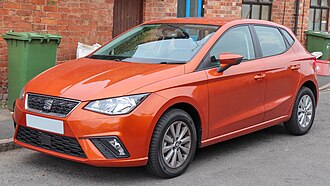
When we ask “are SEAT Ibiza reliable?”, we’re not just fishing for a yes-or-no. Reliability is a mosaic—built from real-world ownership stories, long-term running costs, engineering choices, and how a car behaves when the honeymoon period ends. We’ve all heard the pub chatter: “It’s basically a VW, so it’ll last forever,” or the flip side, “It’s Spanish—expect gremlins.” The truth, as usual, lives somewhere in between.
In this deep dive, we’re unpacking the SEAT Ibiza from every angle that actually matters to owners: engines, gearboxes, electrics, build quality, maintenance realities, and how different generations stack up over time. We’ll keep it relaxed, practical, and straight-talking—because reliability should feel like a calm Sunday drive, not a rollercoaster.
Content in this publication
- Why Reliability Matters More Than Ever
- A Quick Look at the SEAT Ibiza’s DNA
- Reliability by Generation: The Big Picture
- Engine Reliability: Petrol vs Diesel
- Gearbox Reliability: Manual vs Automatic
- Electrical Systems: Old vs New
- Build Quality & Interior Durability
- Suspension, Steering & Brakes
- Rust & Corrosion: A Quiet Strength
- Real-World Ownership Costs
- High-Mileage Ibiza: Should You Be Afraid?
- Common Problems (And How Serious They Are)
- Reliability Compared to Rivals
- How Maintenance Changes Everything
- Who Is the Ibiza Most Reliable For?
- Long-Term Ownership: 5–10 Year Reality
- So… Are SEAT Ibiza Reliable?
- Final Thoughts: Reliability You Can Live With
- FAQs
Why Reliability Matters More Than Ever
Cars aren’t cheap anymore. Whether you’re buying new, nearly new, or a well-loved used Ibiza, reliability decides whether ownership feels like smooth sailing or death by a thousand warning lights.
A reliable car:
- Starts every morning without drama
- Doesn’t drain your wallet with surprise repairs
- Ages gracefully instead of falling apart
And for supermini buyers—students, young families, commuters—that peace of mind is gold.
A Quick Look at the SEAT Ibiza’s DNA
The Ibiza has been around since the mid-1980s, evolving from a quirky hatchback into a polished, VW-Group-engineered supermini. Under the skin, it shares a lot with familiar names, but SEAT has always added a slightly sportier, more emotional twist.
That shared engineering is a big reason people expect solid reliability—and in many cases, that expectation is justified.
Reliability by Generation: The Big Picture
Early Generations (Pre-2002)
Let’s be honest—these are classics now. Charming, simple, and mechanically basic.
Reliability verdict:
- Mechanically tough
- Electrically… let’s say “characterful”
- Best suited to enthusiasts or DIY-friendly owners
2002–2008: The Turning Point
This era marked a big step forward in build quality and refinement.
Common traits:
- Strong naturally aspirated petrol engines
- Simple diesel units that could run forever
- Interior materials that aged better than expected
Reliability score: Solid, especially if serviced regularly.
2008–2017: The Turbo Era Begins
Turbocharged petrol engines arrived, bringing better performance—and new complexity.
Strengths:
- Excellent fuel economy
- Strong chassis and suspension durability
Watch-outs:
- Timing chain issues on early TSI engines
- DSG gearbox maintenance sensitivity
Overall, still dependable—but maintenance became non-negotiable.
2017–Present: Modern, Connected, Smarter
The latest Ibiza is more tech-heavy, lighter, and surprisingly mature.
Reliability highlights:
- Improved electronics stability
- Refined small turbo engines
- Better corrosion resistance
Potential risks:
- Infotainment glitches
- Sensor-related warning lights
In general? One of the most reliable modern superminis when properly maintained.
Engine Reliability: Petrol vs Diesel
Petrol Engines: Mostly Trustworthy
SEAT’s petrol engines have a strong reputation—especially the simpler ones.
Most reliable petrol options:
- Naturally aspirated 1.4 MPI
- Later-generation 1.0 TSI (post-2018)
Potential issues to know:
- Early TSI timing chain wear
- Carbon buildup on direct-injection engines
Bottom line: Choose later revisions and service on time—these engines age well.
Diesel Engines: Built Like Marathon Runners
If you find a well-maintained diesel Ibiza, it’s often a gem.
You may be interested in reading Is SEAT Ibiza a Good Car? An Honest, Real-World Look
Strengths:
- Excellent longevity
- Strong torque with low stress
Known weaknesses:
- EGR valve clogging
- DPF issues with short trips
For motorway drivers, diesels are still reliability champions.
Gearbox Reliability: Manual vs Automatic
Manual Gearboxes: The Safe Bet
Manual Ibizas are famously robust.
Typical lifespan:
- Clutch: 100,000–150,000 miles
- Gearbox internals: Often far beyond that
Minimal fuss, minimal drama.
Automatic (DSG): Brilliant but Demanding
DSG gearboxes deliver lightning-fast shifts—but only if serviced correctly.
Pros:
- Smooth and efficient
- Great fuel economy
Cons:
- Sensitive to missed oil changes
- Mechatronic unit failures (rare, but costly)
Reliability tip: Service history matters more than mileage.
Electrical Systems: Old vs New
Older Ibizas
Expect:
- Window regulators failing
- Central locking quirks
- Dashboard warning lights with vague causes
Annoying? Yes. Catastrophic? Rarely.
Newer Ibizas
Modern electronics are more stable, but more complex.
Common complaints:
- Infotainment freezing
- Parking sensor false alerts
Most issues are software-related and fixable with updates.
Build Quality & Interior Durability
This is where the Ibiza quietly impresses.
- Seats resist wear well
- Switchgear remains solid
- Plastics may scratch but don’t crumble
It won’t feel luxurious, but it won’t fall apart either.
Suspension, Steering & Brakes
Reliability isn’t just about engines—it’s about everything moving underneath.
Typical lifespan:
- Suspension bushes: 70,000–100,000 miles
- Shock absorbers: 80,000+ miles
- Brake components: Predictable, affordable wear
UK and European roads haven’t scared the Ibiza.
Rust & Corrosion: A Quiet Strength
Thanks to modern galvanization:
- Rust is rare
- Door sills and arches hold up well
- Underbody protection is decent
Older models may show surface rust—but nothing alarming.
Real-World Ownership Costs
Reliability feels better when it’s affordable.
Average running costs:
- Servicing: Low to moderate
- Insurance: Generally cheap
- Parts availability: Excellent
It’s a car that respects your budget.
You may be interested in readingIs SEAT Ibiza a Good Car? An Honest, Real-World LookYou may be interested in reading
 Are SEAT Ibiza Good First Cars? A Real-World, First-Time Driver Verdict
High-Mileage Ibiza: Should You Be Afraid?
Not really—if it’s been cared for.
Look for:
- Full service history
- Evidence of timing belt/chain work
- Gearbox servicing records
A 120,000-mile Ibiza can still feel fresh with proper care.
Common Problems (And How Serious They Are)
Most reported issues
- Timing chain stretch (older TSI)
- Coil pack failures
- Sensor-related warning lights
Severity scale
- Mostly minor
- Rarely catastrophic
- Usually affordable fixes
Nothing here screams “avoid at all costs.”
Reliability Compared to Rivals
Against key competitors, the Ibiza holds its own.
Strengths:
- Better handling durability
- Strong engines
Weaknesses:
- Slightly more electronics than some rivals
Overall, it sits comfortably in the “above average” reliability tier.
How Maintenance Changes Everything
An Ibiza treated well is a loyal companion. One neglected? A grumpy roommate.
Golden rules:
- Follow service intervals
- Use correct oil specs
- Don’t ignore warning lights
Reliability is earned, not promised.
Who Is the Ibiza Most Reliable For?
This car shines for:
- Daily commuters
- Young drivers
- Budget-conscious families
If you want stress-free ownership without boredom, it fits beautifully.
Long-Term Ownership: 5–10 Year Reality
After years on the road:
- Engines remain strong
- Interiors stay intact
- Running costs stay reasonable
It’s not indestructible—but it’s dependable in the way that matters.
So… Are SEAT Ibiza Reliable?
Short answer? Yes—when chosen wisely and maintained properly.
Long answer? The SEAT Ibiza is like a good pair of trainers: not flashy, not fragile, and dependable mile after mile. It rewards care, forgives minor neglect, and rarely surprises you in the worst way.
For many drivers, that’s exactly the kind of reliability that makes ownership enjoyable rather than stressful.
Final Thoughts: Reliability You Can Live With
If reliability were a personality trait, the Ibiza would be the friend who always shows up on time. Not loud. Not dramatic. Just consistently there when you need it.
And honestly? That’s the kind of reliability most of us are really looking for.
FAQs
Is the SEAT Ibiza reliable long term?
Yes. With proper servicing, many Ibizas comfortably exceed 150,000 miles without major issues.
Which SEAT Ibiza engine is the most reliable?
Naturally aspirated petrol engines and later-generation 1.0 TSI units are among the most dependable.
Are automatic Ibizas less reliable than manuals?
They can be if poorly maintained. Serviced DSG gearboxes are generally reliable.
Do SEAT Ibizas have lots of electrical problems?
Older models had minor issues; newer ones mainly experience software-related glitches.
Is the SEAT Ibiza expensive to repair?
No. Parts are widely available and reasonably priced compared to rivals.
You may be interested in readingIs SEAT Ibiza a Good Car? An Honest, Real-World LookYou may be interested in reading
Are SEAT Ibiza Good First Cars? A Real-World, First-Time Driver VerdictYou may be interested in reading
 Are SEAT Ibiza Expensive to Insure? The Real-World Cost Breakdown
If you want to know other articles similar to Are SEAT Ibiza Reliable? An Honest, Long-Term Ownership Deep Dive you can visit the category Blog.
Is Nissan Rogue a Good Car? Reliability, Pros, Cons & What to Know
Nissan Rogue Not Starting? Common Causes and How to Fix It
Is Vauxhall Agila a Good Car? Reliability, Problems and Buying Guide

Honda Passport Life Expectancy: How Many Miles Can It Last?
Honda Passport Depreciation: How Well Does It Hold Its Value?
Nissan Rogue Reliability Rating: How Reliable Is the Rogue?
Leave a Reply
More content of your interest