

Skoda Fabia Engine Size: A Complete, Real-World Guide for Every Driver

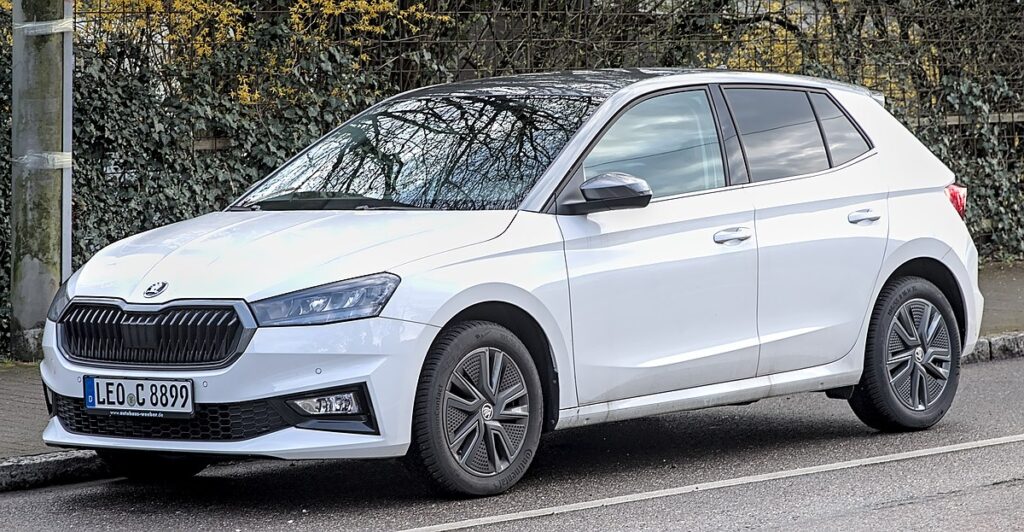
Choosing the right Skoda Fabia engine size is a bit like picking the right pair of shoes. Too small and it feels strained. Too big and you might be paying for power you never use. Somewhere in the middle? That’s where comfort, efficiency, and satisfaction usually live.
We’ve spent years driving, researching, and comparing Fabia engines across generations, and in this guide, we’re pulling everything together—plain English, no fluff, no copy-paste specs. Whether you’re buying your first Fabia, upgrading, or just curious what’s under the bonnet, let’s break it down properly.
Content in this publication
- Why Engine Size Matters More Than You Think
- A Quick Look at Skoda Fabia Generations
- Petrol Engine Sizes Explained (Past and Present)
- Diesel Engine Sizes: Are They Still Worth It?
- Engine Size vs Turbocharging: What Matters More?
- Skoda Fabia Engine Sizes by Driving Style
- Fuel Economy by Engine Size (Realistic Figures)
- Insurance Groups and Engine Size
- Reliability: Which Engine Sizes Age Best?
- Manual vs Automatic by Engine Size
- Common Myths About Fabia Engine Sizes
- Choosing the Right Engine Size: Our Honest Advice
- Future of Engine Sizes in the Fabia
- Final Thoughts: Is There a “Best” Skoda Fabia Engine Size?
- FAQs About Skoda Fabia Engine Size
Why Engine Size Matters More Than You Think
Engine size isn’t just a number stamped on a brochure. It affects:
- How the car feels when you pull away from traffic lights
- How often you’ll visit the fuel pump
- Whether motorway driving feels relaxed or exhausting
- Insurance, tax, and long-term running costs
In short, engine size shapes the entire Fabia ownership experience.
A Quick Look at Skoda Fabia Generations
Before diving into engine sizes, context matters. The Fabia has evolved significantly.
Fabia Mk1 (1999–2007)
Simple, mechanical, and surprisingly tough.
Fabia Mk2 (2007–2014)
Refined engines, better efficiency, wider choice.
Fabia Mk3 (2014–2021)
Turbocharging becomes mainstream.
Fabia Mk4 (2021–present)
Downsized engines, smarter tech, cleaner emissions.
Each generation brought new engine philosophies—and not all engines suit all drivers.
Petrol Engine Sizes Explained (Past and Present)
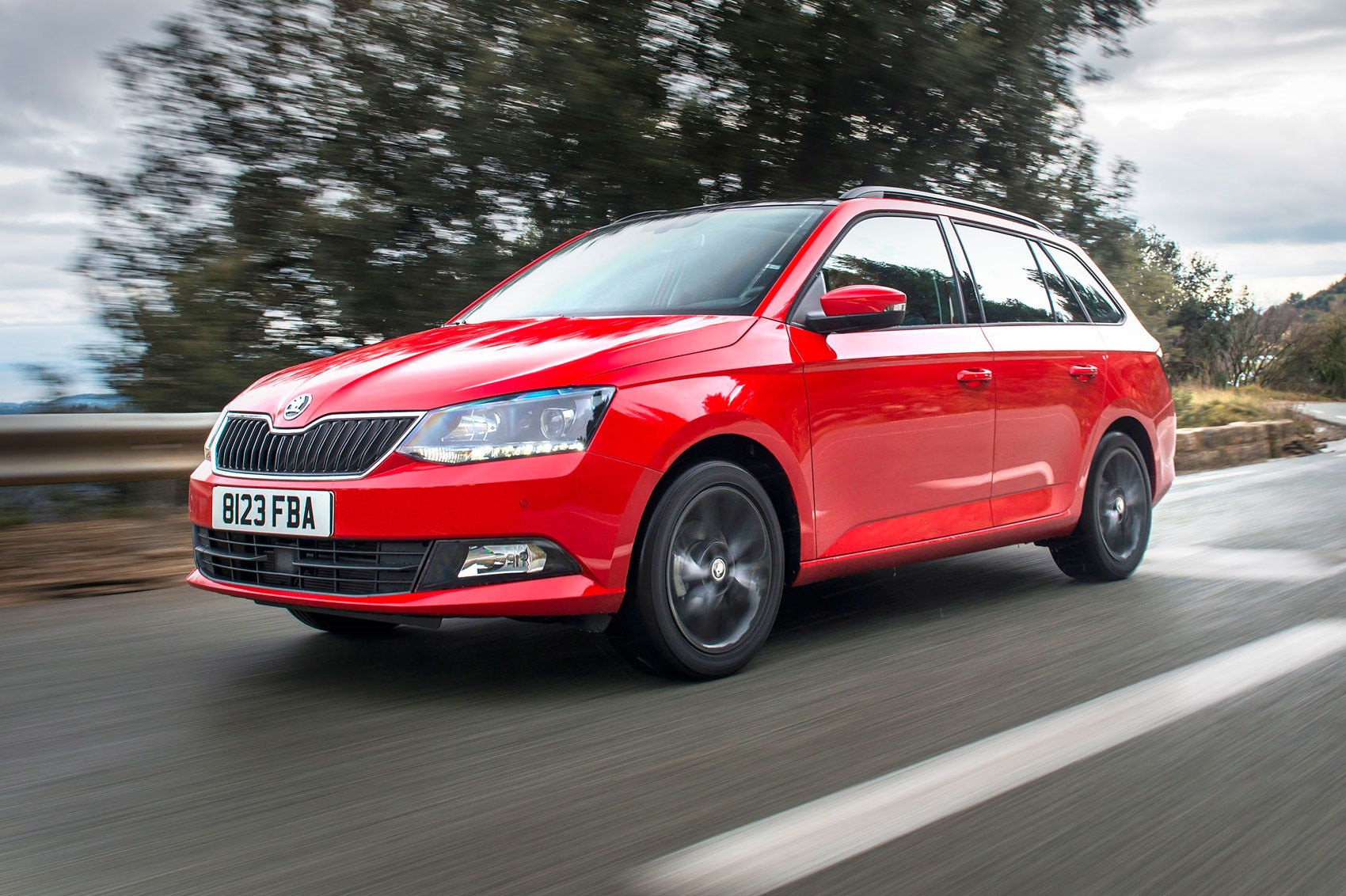
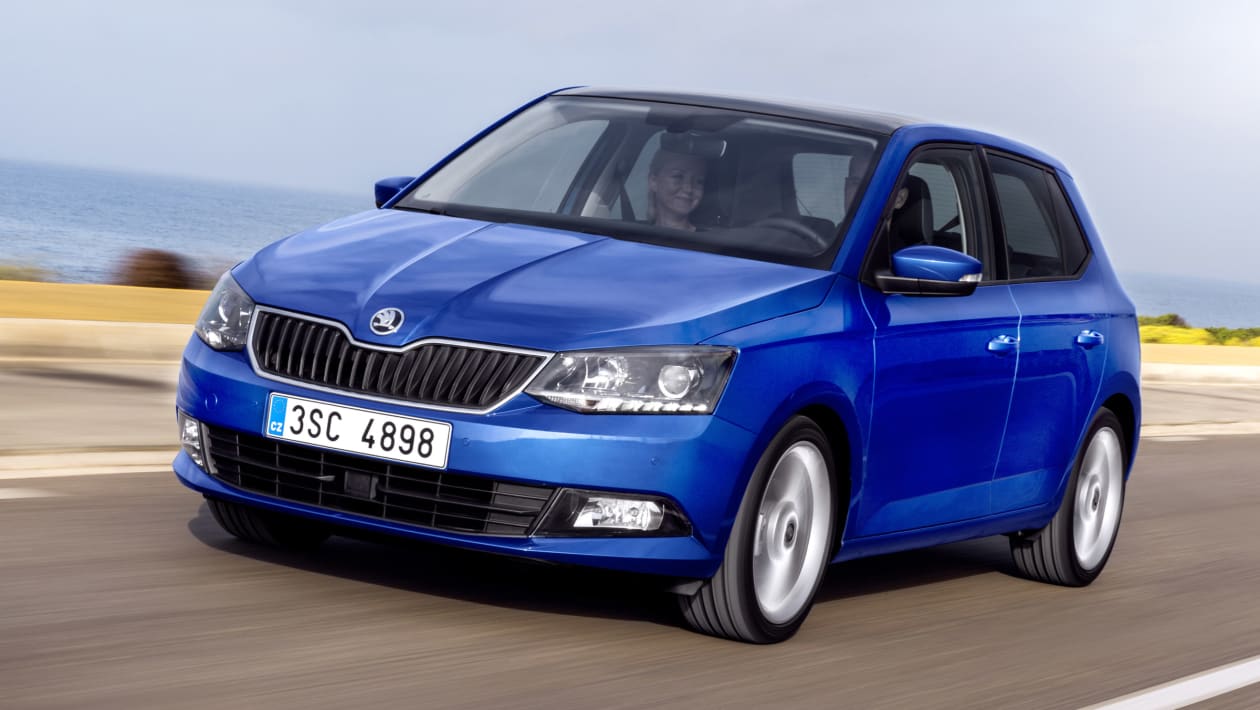
4
1.0 MPI – The City Specialist
This is the modern entry-level Fabia engine.
Typical output:
- 60–80 PS
- Naturally aspirated
Best for:
- City driving
- Short commutes
- New drivers
What it feels like:
Light, simple, and predictable. It’s not fast—but it’s honest. Like a bicycle with a bell instead of gears.
Pros
- Excellent fuel economy
- Low insurance
- Simple engineering
Cons
- Weak on motorways
- Needs revs to overtake
1.2 MPI – The Old-School Workhorse
Found mostly in older Fabias.
Why it still matters:
It’s slow, yes—but famously durable if serviced well.
Ideal for:
- Budget buyers
- Rural drivers
- Low annual mileage
Think of it as a sturdy kettle: it always boils, just not quickly.
1.2 TSI – The Game Changer
This engine changed how the Fabia felt.
Typical output:
- 85–110 PS
- Turbocharged
Why drivers love it:
- Strong low-end torque
- Easy motorway cruising
- Feels bigger than it is
This is where the Fabia stopped feeling “small.”
1.0 TSI – Small Engine, Big Personality
Today’s sweet spot.
Power options:
- 95 PS
- 110 PS
What stands out:
- Turbo torque
- Excellent efficiency
- Surprisingly quick
It’s like a double espresso—small cup, serious kick.
1.5 TSI – Rare but Mighty
Not common, but worth mentioning.
Who it’s for:
Drivers who want hot-hatch punch without hot-hatch insurance.
Diesel Engine Sizes: Are They Still Worth It?
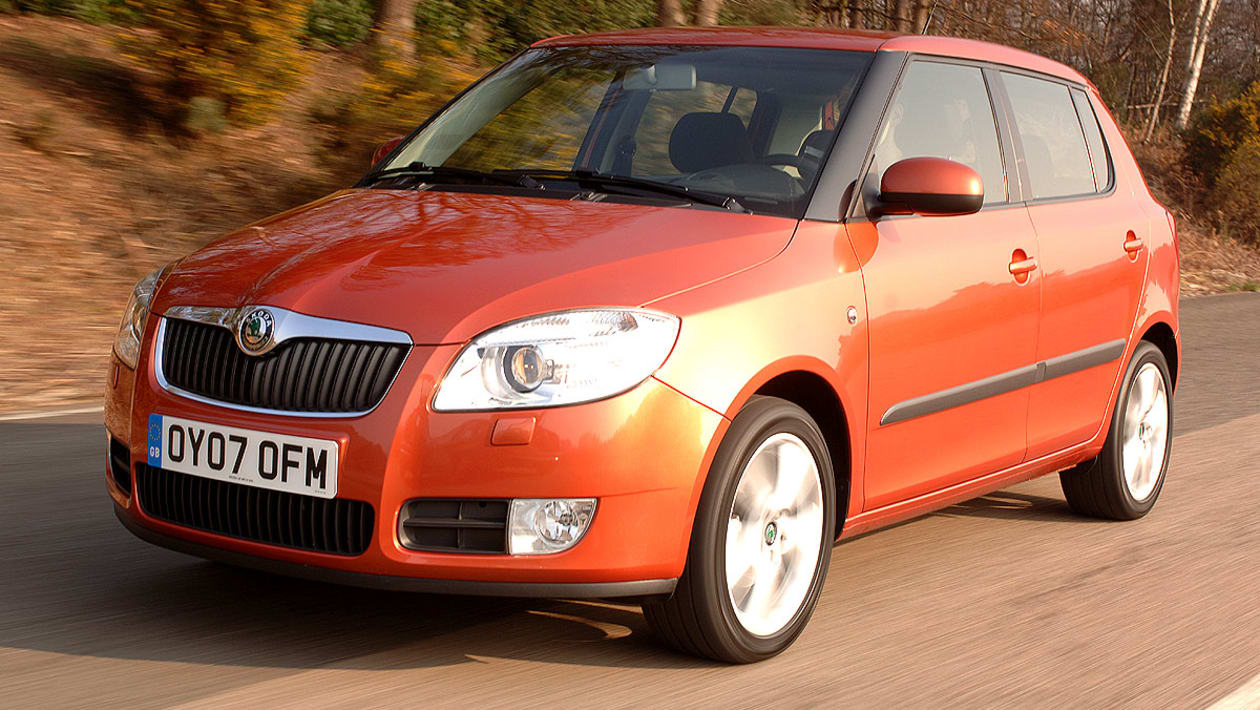

1.4 TDI – The Mileage Master
Best for:
- High motorway mileage
- Fuel-focused drivers
Reality check:
Noisy when cold, but unbelievably frugal.
1.6 TDI – The Long-Distance Cruiser
Strengths:
- Strong torque
- Effortless overtaking
- Excellent range
Weaknesses:
- Higher maintenance
- Diesel restrictions in some cities
Diesel Fabias shine on long roads, not school runs.
Engine Size vs Turbocharging: What Matters More?
Here’s the truth: turbocharging matters more than displacement.
A 1.0 TSI can outperform an old 1.6 MPI easily. Why?
- Turbos boost torque early
- Smaller engines stay efficient
- Modern ECUs optimise power delivery
Engine size alone no longer tells the full story.
Skoda Fabia Engine Sizes by Driving Style
Urban Drivers
- 1.0 MPI
- 1.0 TSI (95 PS)
Mixed Driving
- 1.0 TSI (110 PS)
- 1.2 TSI
Motorway Users
- 1.6 TDI
- 1.0 TSI (110 PS)
Enthusiasts
- 1.5 TSI
Fuel Economy by Engine Size (Realistic Figures)
- 1.0 MPI: 48–55 mpg
- 1.0 TSI: 45–52 mpg
- 1.2 TSI: 42–48 mpg
- 1.4/1.6 TDI: 55–65 mpg
Real-world driving always beats brochure claims.
Insurance Groups and Engine Size
Smaller engines generally mean:
- Lower insurance
- Lower repair costs
- Fewer performance-related claims
That’s why the 1.0 engines are favourites among younger drivers.
Reliability: Which Engine Sizes Age Best?
Most Reliable
- 1.0 MPI
- 1.6 TDI (with proper servicing)
Watch Carefully
- Early 1.2 TSI (timing chain issues)
- Short-trip diesel engines
Maintenance matters more than size.
Manual vs Automatic by Engine Size
- Smaller engines pair better with manual gearboxes
- Turbo engines handle automatics more confidently
- DSG gearboxes work best with higher torque outputs
Common Myths About Fabia Engine Sizes
“Bigger is always better”
Not anymore.
“Small engines won’t last”
Modern small engines last just as long—when serviced.
“Diesel is always cheaper”
Only if you drive enough miles.
Choosing the Right Engine Size: Our Honest Advice
Ask yourself:
- How far do I drive weekly?
- City or motorway?
- Solo or loaded?
- Budget or performance?
Most drivers are happiest with the 1.0 TSI. It’s the Goldilocks engine—not too small, not too thirsty.
Future of Engine Sizes in the Fabia
Expect:
- Smaller engines
- More hybridisation
- Fewer diesel options
The era of big engines is quietly bowing out.
Final Thoughts: Is There a “Best” Skoda Fabia Engine Size?
There’s no universal winner—but there is a best engine for you. The Fabia’s strength has always been choice. From humble 1.0 MPI city runners to punchy turbocharged cruisers, engine size defines personality.
Choose wisely, and the Fabia rewards you with reliability, comfort, and surprising charm.
FAQs About Skoda Fabia Engine Size
1. What is the smallest Skoda Fabia engine size?
The smallest is the 1.0 MPI petrol engine.
2. Is a 1.0 engine powerful enough for motorway driving?
Yes, especially the 1.0 TSI. The MPI version is better suited to cities.
3. Which Fabia engine size is most reliable?
The 1.0 MPI and well-maintained 1.6 TDI engines are standouts.
4. Should I choose petrol or diesel?
Petrol for low mileage, diesel for long motorway trips.
5. Does engine size affect resale value?
Yes—popular turbo petrol engines hold value best.
If you want to know other articles similar to Skoda Fabia Engine Size: A Complete, Real-World Guide for Every Driver you can visit the category Service and Parts.
Kia Sorento Service Reset: How to Reset the Service Light
Kia Sorento Fuel Tank Capacity: Gallons, Litres and Model Differences
Kia Sorento Tyre Pressure: Recommended PSI, Bar and Complete Guide
Kia Sorento Boot Space: How Much Luggage Space Does It Really Have?
Kia Sorento Towing Capacity: How Much Can a Sorento Tow?

Honda Passport Payload Capacity: How Much Weight Can It Carry?
Leave a Reply
More content of your interest