

Kia Niro Issues: What Owners Really Experience

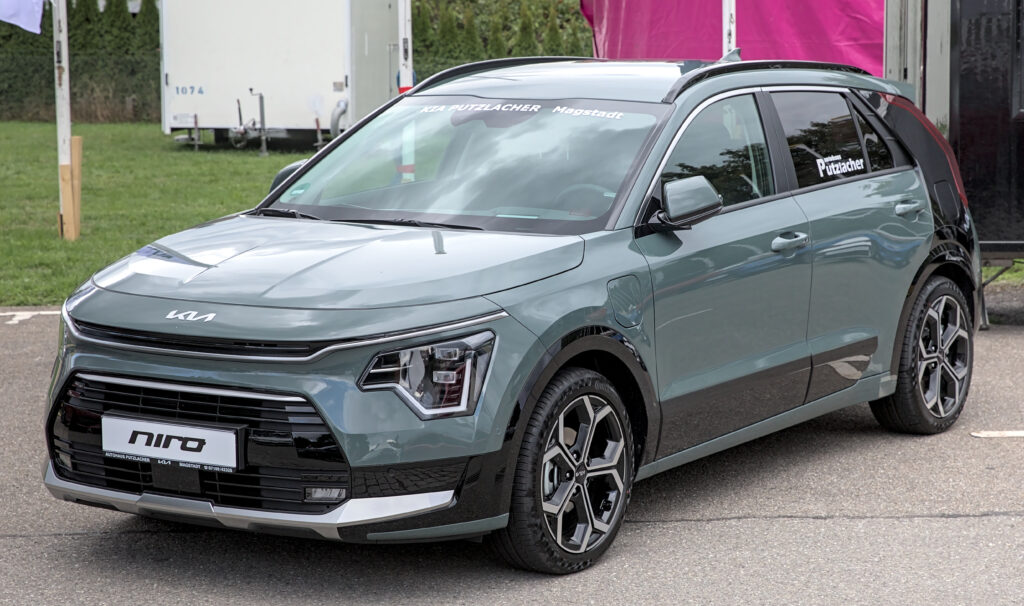
Every car tells a story. Some whisper it gently through smooth miles and quiet cabins. Others speak up in warning lights, strange noises, and dashboard messages that make your heart skip a beat. The Kia Niro sits somewhere in between. It’s clever, efficient, and modern—but it’s not immune to problems.
We’ve spent years listening to real owners, reading service bulletins, analyzing patterns, and driving the Niro ourselves. What we’ve learned is simple: the Niro is a strong hybrid platform with a few recurring issues that buyers and owners should understand before—or while—living with one.
This guide doesn’t sugarcoat. We’ll walk through the most common Kia Niro issues, explain why they happen, how serious they really are, and what you can do to stay ahead of them.
Because owning a car shouldn’t feel like solving a mystery novel.
Content in this publication
- Understanding the Kia Niro’s Personality
- Most Reported Kia Niro Issues at a Glance
- Hybrid System & Drivetrain Issues
- Battery & Electrical System Concerns
- Infotainment & Software Problems
- Brake System Issues
- Interior & Trim Wear
- HVAC & Climate Control Quirks
- Electrical Gremlins After Updates
- Is the Kia Niro Unreliable?
- Who Is Most Affected by These Issues?
- How to Minimize Kia Niro Problems
- Model-Year Specific Kia Niro Issues
- Recall History: Should You Be Worried?
- Real Owner Experiences
- Cost of Typical Repairs
- Is the Kia Niro a Risky Buy?
- Who Should Buy a Kia Niro?
- Closing Thoughts: Living With the Niro
- FAQs
Understanding the Kia Niro’s Personality
Before we dive into problems, we need to understand what kind of car the Niro actually is.
The Kia Niro isn’t a traditional petrol hatchback. It’s a hybrid-first platform, built around:
- A 1.6L GDI petrol engine
- An electric motor integrated into a dual-clutch transmission
- A lithium-ion battery pack
- Complex energy management software
This architecture is brilliant for fuel economy—but complexity always introduces new failure points. Many “issues” aren’t catastrophic failures; they’re growing pains of a modern electrified drivetrain.
Think of the Niro as a smartphone on wheels. Powerful. Efficient. But occasionally… glitchy.
Most Reported Kia Niro Issues at a Glance
Before going deep, here’s a snapshot of what owners most commonly report:
- Hesitation or jerky acceleration
- Transmission shudder at low speeds
- Infotainment system freezing or rebooting
- Warning lights with no clear cause
- Battery-related alerts
- Brake noise and premature wear
- HVAC system quirks
- Door handle and trim wear
- Electrical gremlins after software updates
Not every Niro will experience these. Some owners drive for years with zero trouble. Others meet two or three of these quirks in the first 20,000 miles.
Let’s break them down.
Hybrid System & Drivetrain Issues
Hesitation During Acceleration
One of the most discussed Kia Niro issues is a brief delay when pulling away from a stop.
Drivers describe it like this:
“I press the pedal, nothing happens… then suddenly it goes.”
This usually occurs during the handoff between electric drive and petrol power.
Why it happens:
- The system is deciding which power source to use
- Software prioritizes efficiency over immediacy
- The dual-clutch gearbox needs to engage
It’s rarely a mechanical fault. In most cases, it’s programming behavior. Kia has released several software updates that reduce the lag, but some owners still feel it.
Is it dangerous?
Not inherently—but it can feel unsettling at busy junctions.
Low-Speed Transmission Shudder
At crawling speeds—parking lots, traffic jams, driveways—some Niro owners feel a vibration or shudder.
This stems from the dual-clutch transmission, which behaves differently from a traditional automatic.
Common triggers:
- Rolling slowly uphill
- Stop-start traffic
- Gentle throttle input
The clutch engages and disengages rapidly, sometimes creating:
- A light judder
- A pulsing sensation
- A faint grinding feel
Kia has acknowledged this behavior in service bulletins. In many cases, software recalibration smooths it out.
It’s annoying, not destructive.
Battery & Electrical System Concerns
Hybrid Battery Warnings
Some drivers report dashboard messages like:
- “Check Hybrid System”
- “Stop Safely”
- “Battery Discharge Warning”
These alerts don’t always mean battery failure.
Often, they’re triggered by:
- Low 12V auxiliary battery voltage
- Sensor misreads
- Software hiccups after cold starts
Ironically, many “hybrid battery” warnings are caused by the small 12V battery, not the big traction battery.
Symptoms include:
- Car refusing to start
- Dash lights flickering
- Infotainment resetting
Replacing the 12V battery solves many of these cases.
Cold Weather Behavior
In colder climates, the Niro may:
- Stay in petrol mode longer
- Reduce EV-only driving
- Trigger battery conditioning cycles
This isn’t a defect—it’s protection logic. But owners often mistake it for a fault.
Hybrids are like athletes: they perform best when warm.
Infotainment & Software Problems
Modern cars live and die by software. The Niro is no exception.
Screen Freezing or Rebooting
Owners commonly report:
- Touchscreen freezing
- Black screens
- Random reboots
- Bluetooth disconnects
These usually stem from:
- Firmware bugs
- Overloaded memory
- Corrupt update files
Kia frequently issues OTA and dealer-installed updates. Most problems vanish after a refresh.
It’s not broken hardware—it’s a digital hiccup.
Typical complaints include:
- GPS lag
- Wrong positioning
- Apple CarPlay disconnecting
- Android Auto refusing to load
These often relate to:
- Cable quality
- Phone OS updates
- Incompatible app versions
Switching cables or updating the head unit resolves most cases.
Brake System Issues
Brake Noise at Low Speeds
The regenerative braking system changes how pads and discs wear.
Owners sometimes notice:
- Groaning
- Light grinding
- Squeaks at parking speeds
Why?
- Regenerative braking handles most slowing
- Friction brakes are used less
- Moisture builds on discs
This leads to surface rust and uneven pad wear.
Solution:
- Occasional firm braking
- Regular inspection
- Pad material upgrades
It sounds worse than it is.
Premature Pad Wear (Rear)
Some Niro models wear rear pads faster than expected due to:
- Electronic parking brake behavior
- Stability system calibration
- Regen bias
It’s not a safety issue, but it surprises owners used to front-heavy wear.
Interior & Trim Wear
The Niro’s cabin feels modern—but some materials age faster than expected.
Common complaints:
- Door handle peeling
- Steering wheel wear
- Center console scratches
- Seat fabric fraying
These are cosmetic, not structural. Still, they affect perceived quality.
It’s the difference between “runs great” and “feels new.”
HVAC & Climate Control Quirks
Weak Heating in EV Mode
In cold weather, owners note:
- Slow cabin warm-up
- Lukewarm air at idle
Reason:
- The petrol engine isn’t always running
- Heat depends on engine coolant
- Electric heaters are limited
Switching to “Hybrid” mode often restores warmth.
AC Compressor Noise
Some hear a faint whine when the AC starts.
That’s normal for electric compressors. It’s different, not defective.
Electrical Gremlins After Updates
Occasionally, after a dealer software update, drivers experience:
- New warning lights
- Disabled features
- Changed driving feel
This is usually transitional. Systems recalibrate over a few drive cycles.
Modern cars are rebooting themselves—quietly.
Is the Kia Niro Unreliable?
No. But it is different.
The Niro’s issues fall into two categories:
- Behavioral quirks
- Hesitation
- Regen braking feel
- Transmission character
- Software-driven anomalies
- Infotainment bugs
- Warning light false positives
- Update side effects
True mechanical failures are relatively rare.
It’s not fragile. It’s just… digital.
Who Is Most Affected by These Issues?
Patterns show that problems are more noticeable for:
- City drivers
- Short-trip users
- Cold-climate owners
- First-time hybrid drivers
Why?
Hybrids behave differently. Expectations matter. A driver coming from a diesel hatchback will notice things a hybrid-native driver won’t.
How to Minimize Kia Niro Problems
We’ve found that owners who experience the fewest issues:
- Keep software up to date
- Replace the 12V battery proactively
- Use quality charging cables
- Drive in mixed conditions
- Perform occasional hard braking
- Warm the car before spirited driving
In other words: treat it like a smart device, not a lawn mower.
Model-Year Specific Kia Niro Issues
Not all Niros are created equal. Each generation—and even each production year—has its own personality.
2017–2018: First-Gen Growing Pains
Early Niro models showed:
- More frequent hesitation complaints
- Transmission calibration problems
- Early infotainment freezes
- Occasional hybrid warning messages
These cars benefited the most from software updates. Many issues vanished after dealer reflashes.
2019–2021: Refinement Phase
Kia smoothed out:
- Gearbox behavior
- Throttle mapping
- Screen stability
However, some owners still report:
- Rear brake wear
- Door handle peeling
- 12V battery failures
2022–Present: New Generation, New Quirks
The redesigned Niro feels futuristic—but complexity increased:
- More sensors
- More cameras
- More software layers
Issues now lean toward:
- Lane-assist false alerts
- Infotainment lag after updates
- Driver-assistance recalibration warnings
Mechanically, it’s stronger than ever. Digitally, it’s still evolving.
Recall History: Should You Be Worried?
The Kia Niro has had recalls—like almost every modern vehicle. Most involved:
- Software patches
- Fire risk prevention
- Wiring harness checks
- Brake system logic updates
None represent widespread catastrophic failure. Recalls often indicate a manufacturer being proactive, not negligent.
Think of them as system patches—like your phone receiving security updates.
Real Owner Experiences
Owners often fall into two camps:
“It’s the best car I’ve ever owned.”
“It drives me crazy sometimes.”
Both can be true.
Positive experiences usually include:
- Incredible MPG
- Quiet city driving
- Low maintenance
- Smooth long-distance comfort
Negative stories usually revolve around:
- Unexpected warning lights
- Tech glitches
- Hybrid learning curve
The Niro doesn’t break often. It confuses more than it fails.
Cost of Typical Repairs
Most issues are inexpensive:
| Issue | Typical Cost |
|---|---|
| 12V battery | $120–$180 |
| Software update | Often free |
| Brake pads (rear) | $150–$250 |
| Infotainment reset | Free |
| Sensor recalibration | $100–$200 |
Major hybrid system failures are rare and usually covered under Kia’s long warranty.
Is the Kia Niro a Risky Buy?
No. But it rewards informed owners.
The Niro isn’t a simple petrol hatchback. It’s a rolling ecosystem—engine, motor, battery, software, sensors, algorithms. When everything works, it feels magical. When something hiccups, it feels mysterious.
Most “issues” are:
- Temporary
- Non-destructive
- Software-based
- Resolved with updates
It’s not unreliable—it’s modern.
Who Should Buy a Kia Niro?
Perfect for:
- Urban commuters
- Efficiency-focused drivers
- Tech-friendly owners
- Long-term keepers
Less ideal for:
- Drivers who hate electronics
- Those expecting diesel-style torque
- Owners who never update systems
- People allergic to dashboard messages
It’s a hybrid for thinkers.
Closing Thoughts: Living With the Niro
The Kia Niro is like a well-trained dog that occasionally ignores your call. Most days, it’s loyal, efficient, and quiet. Some days, it tilts its head and says, “System update required.”
Its issues don’t define it. They contextualize it.
If you understand the quirks, maintain it thoughtfully, and treat it like the smart machine it is, the Niro becomes one of the most satisfying everyday cars on the road.
Efficiency with personality. Technology with soul.
That’s the Niro.
FAQs
1. Are Kia Niro issues serious?
Most are minor and software-related. Mechanical failures are uncommon.
2. Does the Niro have transmission problems?
The dual-clutch can feel odd at low speeds, but it’s usually normal behavior.
3. Are hybrid batteries failing often?
No. Most “battery” warnings relate to the 12V auxiliary battery.
4. Is the Niro expensive to maintain?
Generally cheaper than traditional petrol cars due to reduced wear.
5. Should I avoid early model years?
Early models benefited from updates, but many are now excellent used buys.
If you want to know other articles similar to Kia Niro Issues: What Owners Really Experience you can visit the category Common Problems.
Nissan Rogue AC Not Working? Causes, Diagnosis, and Fixes

Kia Sorento Issues: Common Problems, Reliability and What to Watch For

Honda Passport Not Starting: Causes, Symptoms, and How to Fix It
Honda Passport Keyless Remote Battery Low: What It Means and How to Fix It
Nissan Rogue Apple CarPlay Not Working: Causes and Fixes
Nissan Rogue No Key Detected: Causes, Fixes, and What to Do
Leave a Reply
More content of your interest