

Volkswagen ID.3 Battery Life: How Long It Really Lasts

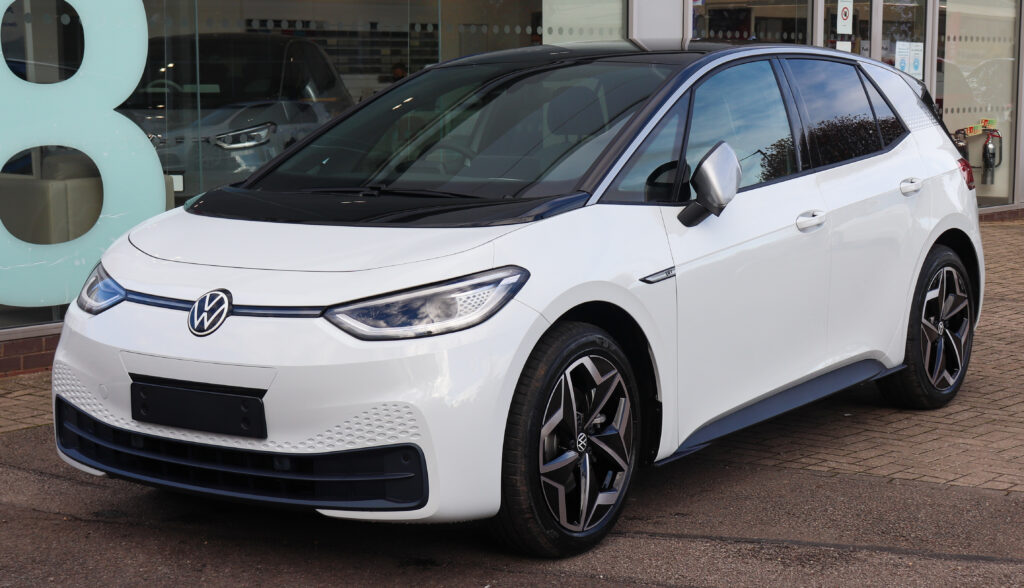
Electric cars promise freedom from fuel stations—and anxiety about batteries. The Volkswagen ID.3 sits right in the heart of that promise. But what does “battery life” really mean here? Is it range? Years of service? The number of charge cycles before performance fades?
We’re going to unpack all of it. Not in lab jargon. In real-world language. The kind that answers the question every owner or buyer asks: How long will this battery stay healthy in my daily life?
Content in this publication
- Understanding Battery Life in the ID.3
- ID.3 Battery Options Explained
- What Actually Degrades a Battery?
- Real-World Degradation: What Owners Are Seeing
- How Long Will an ID.3 Battery Last in Years?
- Charging Habits That Extend Battery Life
- Does Fast Charging Kill the ID.3 Battery?
- Cold Weather vs Hot Climate Impact
- Software Updates and Battery Longevity
- Second-Life and Replacement Reality
- Battery Life vs Petrol Car Longevity
- Is the ID.3 a Long-Term Car?
- How We Think About Battery Life
- Closing Thoughts
- FAQs
Understanding Battery Life in the ID.3
Battery life has two meanings:
- Daily usable range – how far we can drive today
- Long-term durability – how many years the battery keeps most of its capacity
Volkswagen engineered the ID.3’s lithium-ion pack to last well over 8–10 years with normal use. Most versions carry a factory warranty of 8 years or 100,000 miles for at least 70% capacity.
That’s the floor—not the ceiling.
ID.3 Battery Options Explained
Available Battery Sizes
Volkswagen offers multiple battery capacities across the ID.3 lineup:
- 45 kWh (Pure)
- 58 kWh (Pro)
- 77 kWh (Pro S)
Each pack uses the same chemistry and architecture. The difference is scale.
| Battery Size | WLTP Range (approx) |
|---|---|
| 45 kWh | ~217 miles |
| 58 kWh | ~265 miles |
| 77 kWh | ~336 miles |
More capacity doesn’t just mean more miles—it often means slower degradation, because each cycle uses a smaller percentage of the total battery.
What Actually Degrades a Battery?
Batteries age like skin: slowly, invisibly, but inevitably.
Primary Aging Factors
- Charge cycles – every full 0–100% equivalent cycle
- High heat exposure – accelerates chemical wear
- Frequent fast charging – stresses cells
- Keeping the battery at 100% for long periods
- Deep discharges (near 0%)
The ID.3 uses smart thermal management to minimize these risks, but our habits still matter.
Real-World Degradation: What Owners Are Seeing
Across Europe, early ID.3 owners report:
- 2–4% loss after 2 years
- 5–7% after 4–5 years
That’s impressive. At that pace, an ID.3 could retain 80–85% capacity after a decade.
Think of it like a smartphone that still lasts all day after years. Not perfect. Still reliable.
How Long Will an ID.3 Battery Last in Years?
With typical usage:
- Urban commuter: 12–15 years
- Mixed driving: 10–12 years
- High-mileage driver: 8–10 years
Volkswagen designed the pack for 1,500+ full cycles. On a 58 kWh model averaging 250 miles per cycle, that’s over 375,000 miles of theoretical life.
We’ll never reach that in normal ownership.
Charging Habits That Extend Battery Life
Best Practices
- Keep daily charge between 20% and 80%
- Use AC home charging for routine use
- Fast charge only when needed
- Avoid parking at 100% for days
- Precondition before fast charging in cold weather
Simple Daily Routine
- Plug in overnight to 70–80%
- Let regen braking do the work
- Save DC fast charging for road trips
It’s like cardio for your battery—gentle, consistent, healthy.
Does Fast Charging Kill the ID.3 Battery?
No—but overuse can accelerate wear.
The ID.3 supports up to:
- 100 kW (45/58 kWh)
- 125 kW (77 kWh)
Volkswagen limits peak power dynamically to protect the cells. Even heavy fast-charging users rarely see catastrophic degradation. The system is conservative by design.
Fast charging is a tool. Not a toxin.
Cold Weather vs Hot Climate Impact
Cold Regions
- Temporary range drop
- No permanent damage
- Slower charging
Hot Climates
- Faster chemical aging
- Greater long-term degradation
Thankfully, the ID.3 uses liquid cooling to stabilize temperatures. In most climates, this keeps degradation within predictable, gentle curves.
Software Updates and Battery Longevity
Volkswagen’s OTA updates improve:
- Charging curves
- Thermal management
- Energy prediction
- Regeneration behavior
These aren’t cosmetic. They actively reduce stress on the battery over time.
A modern EV ages digitally as much as chemically.
Second-Life and Replacement Reality
What happens when capacity drops?
- At 70–75%, the car is still usable
- Range simply shrinks
- The pack can be reused for energy storage
Battery replacement costs are falling:
- Early estimates: $12,000+
- Current projections: $6,000–$8,000 in coming years
- Third-party refurbishment options emerging
The battery won’t become junk. It becomes a different tool.
Battery Life vs Petrol Car Longevity
A petrol engine wears mechanically. An EV battery wears chemically.
Which lasts longer?
- Modern engines: 180,000–220,000 miles
- ID.3 battery potential: 300,000+ miles
One leaks oil. The other quietly fades.
Is the ID.3 a Long-Term Car?
Absolutely.
For:
- Daily commuters
- Urban families
- First-time EV buyers
- Long-term ownership planners
The ID.3 is built to age gracefully. Not dramatically.
How We Think About Battery Life
We often treat batteries like ticking clocks. But EV batteries are more like dimmers than switches. They don’t die—they slowly soften.
At 85% capacity, the ID.3 still feels like the same car. Just with slightly shorter legs.
And that’s okay.
Closing Thoughts
The Volkswagen ID.3 battery isn’t a fragile heart—it’s a marathon runner. It thrives on moderation, consistency, and smart use. Treat it well, and it will outlast your finance plan, your phone, and maybe even your driveway.
Battery life isn’t something to fear. It’s something to manage.
And the ID.3 makes that surprisingly easy.
FAQs
1. How long does a Volkswagen ID.3 battery last?
Typically 10–15 years with normal driving and good charging habits.
2. What is the warranty on the ID.3 battery?
8 years or 100,000 miles for at least 70% capacity.
3. Does fast charging ruin the battery?
No. Occasional fast charging is safe. Constant use may slightly accelerate wear.
4. Can the battery be replaced?
Yes. Costs are falling, and refurbishment is becoming common.
5. How much range remains after 10 years?
Most owners can expect 80–85% of original capacity.
If you want to know other articles similar to Volkswagen ID.3 Battery Life: How Long It Really Lasts you can visit the category Service and Parts.
Nissan Rogue Oil Change Cost: Prices, Service Options, and What to Expect
Nissan Rogue Key Battery Replacement: Easy Step-by-Step Guide
Nissan Rogue Oil Change Interval: Complete Guide by Model Year
Nissan Rogue Brake Pads and Rotors Cost: Complete 2026 Guide

Kia Sorento Service Reset: How to Reset the Service Light
Kia Sorento Fuel Tank Capacity: Gallons, Litres and Model Differences
Leave a Reply
More content of your interest