
BMW 1 Series Insurance Group – What It Really Means for Your Wallet

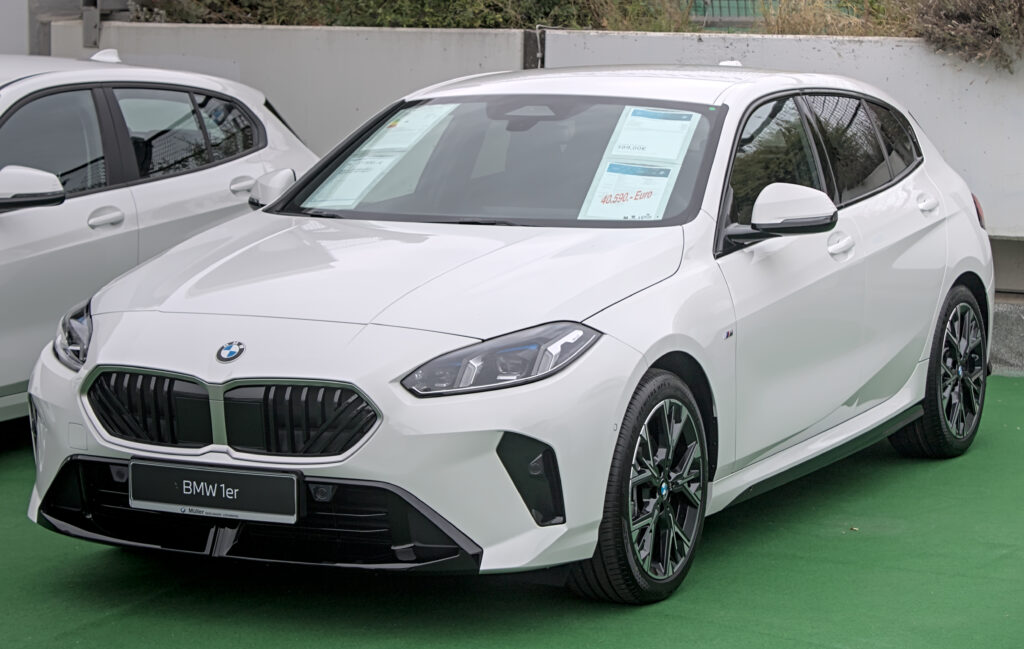
When we talk about owning a BMW 1 Series, we usually drift toward engines, trims, boot space, or tech. But insurance? That’s the quiet cost that shadows every mile we drive. Understanding the BMW 1 Series insurance group is like reading the financial weather forecast of your ownership journey. It tells us whether we’re cruising under blue skies—or bracing for storms.
In this guide, we unpack everything: how insurance groups work, where each BMW 1 Series model typically lands, what pushes premiums up or down, and how we can play the system smartly. Let’s demystify the numbers and put you back in control.
Content in this publication
- What Is an Insurance Group?
- Why the BMW 1 Series Isn’t “Cheap” to Insure
- BMW 1 Series Insurance Groups by Engine
- Generations Matter More Than You Think
- How Trim Levels Shift the Group
- The Hidden Variables Insurers Love
- Is the BMW 1 Series Expensive to Insure for New Drivers?
- Smart Picks for Cheaper Insurance
- How We Can Lower BMW 1 Series Insurance Costs
- The Psychology Behind Insurance Groups
- BMW 1 Series vs Rivals – Insurance Perspective
- Ownership Strategy: Think Long-Term
- Used BMW 1 Series – Insurance Traps
- Fleet and Business Use Considerations
- Future Outlook: Will Groups Change?
- The Emotional Cost of Insurance
- Closing Thoughts
- FAQs
What Is an Insurance Group?
In the UK and many European markets, cars are sorted into insurance groups from 1 to 50:
- Group 1–10: Cheapest to insure
- Group 11–25: Mid-range
- Group 26–40: Expensive
- Group 41–50: High-performance territory
The BMW 1 Series generally lives in the mid-to-upper range, depending on engine, trim, and generation.
Insurance groups are determined by factors like:
- Vehicle value
- Repair costs
- Safety systems
- Performance
- Theft risk
Think of it as a personality test for cars—except the result affects your bank account.
Why the BMW 1 Series Isn’t “Cheap” to Insure
BMW sits in the premium category. Even entry-level 1 Series models carry:
- Higher parts costs
- Brand desirability (hello, thieves)
- Performance-oriented engineering
This nudges them into higher insurance groups than rivals like the Ford Focus or VW Golf.
But here’s the twist: not all 1 Series cars are created equal.
BMW 1 Series Insurance Groups by Engine
Below is a typical range seen across recent generations:
| Model Variant | Engine | Typical Group |
|---|---|---|
| 116i / 116d | 1.5–2.0L | 16–20 |
| 118i / 118d | 1.5–2.0L | 18–23 |
| 120i / 120d | 2.0L | 22–26 |
| 128ti | 2.0L Turbo | 30–34 |
| M135i xDrive | 2.0L Turbo AWD | 35–40 |
| M140i (older gen) | 3.0L Turbo | 38–42 |
We can see the pattern:
More power = higher group = higher premium.
Generations Matter More Than You Think
F20/F21 (2011–2019)
- Rear-wheel drive heritage
- More performance-focused
- Higher theft risk
These often sit 2–4 groups higher than equivalent newer models.
F40 (2019–Present)
- Front-wheel drive architecture
- More safety tech
- Lower repair severity
This generation tends to be slightly friendlier on insurance, especially in 116 and 118 trims.
How Trim Levels Shift the Group
A base BMW 118i SE and an M Sport version might share an engine—but not an insurance group.
Why?
- Larger wheels = costlier repairs
- Sport body kits = higher replacement cost
- Adaptive suspension = pricier components
Even a single trim jump can raise the group by 1–2 points.
Insurers look beyond the badge:
You may be interested in reading BMW 1 Series Years to Avoid: A Buyer’s Survival Guide
- Security features: Alarm, immobiliser, tracking
- Repair network costs: BMW-approved repairs aren’t cheap
- Crash data: Real-world claim frequency
- Theft statistics: Urban hotspots matter
It’s not personal. It’s actuarial.
Is the BMW 1 Series Expensive to Insure for New Drivers?
Short answer: it can be.
For a 17–21-year-old:
- Group 16–18 models are manageable
- Group 25+ models can be brutal
A new driver in an M135i is like handing a flamethrower to a cat—insurers price in risk accordingly.
Smart Picks for Cheaper Insurance
If we want BMW style without wallet pain, these are the sweet spots:
- BMW 116i SE
- BMW 116d Sport
- BMW 118i base trim
- Post-2019 F40 generation
They balance:
- Lower groups
- Modern safety
- Strong resale value
How We Can Lower BMW 1 Series Insurance Costs
1. Choose the Right Variant
Stay under Group 20 if possible.
2. Add a Black Box (Telematics)
Especially for young drivers—can cut premiums by 30–40%.
3. Increase Voluntary Excess
Higher excess = lower monthly cost.
4. Park Smart
Garage or driveway beats street parking every time.
5. Avoid Cosmetic Mods
Wraps, wheels, and tints scream “higher risk.”
The Psychology Behind Insurance Groups
Insurers aren’t emotional. They’re statistical predators.
They ask:
- How often does this model crash?
- How expensive is it to fix?
- How likely is it to be stolen?
A BMW 1 Series scores higher on all three than mainstream hatchbacks. That’s why even a modest 116i won’t ever feel “cheap” to insure.
BMW 1 Series vs Rivals – Insurance Perspective
| Model | Typical Group Range |
|---|---|
| BMW 1 Series | 16–40 |
| VW Golf | 10–32 |
| Audi A3 | 13–35 |
| Ford Focus | 8–28 |
| Mercedes A-Class | 14–38 |
BMW sits where you’d expect: premium territory.
Ownership Strategy: Think Long-Term
When we buy a car, we often fixate on:
- Purchase price
- Fuel economy
- Monthly finance
Insurance is the silent fourth pillar.
You may be interested in readingBMW 1 Series Years to Avoid: A Buyer’s Survival GuideYou may be interested in reading
 BMW 1 Series Reliability – What It’s Really Like to Live With One
A £2,000 saving on the car means nothing if insurance drains £1,200 a year more than a smarter variant.
Used BMW 1 Series – Insurance Traps
Older cars aren’t always cheaper to insure:
- Parts may be rarer
- No modern safety tech
- Higher theft vulnerability
A 2013 M135i might cost less to buy than a 2021 118i—but cost far more to insure.
Fleet and Business Use Considerations
Using a BMW 1 Series for business?
- Declare usage properly
- Expect 10–25% premium increase
- Diesel models often fare better
Fleet insurers still respect group ratings, but driving profile can soften the blow.
Future Outlook: Will Groups Change?
With:
- Increased EV adoption
- Advanced driver assistance
- Lower-speed urban limits
We may see base BMW 1 Series models slowly drift downward in group ratings over time. Performance trims, however, will always live in the upper tiers.
The Emotional Cost of Insurance
Insurance is invisible until it hurts.
We don’t feel it like fuel or tyres. But over five years, the difference between Group 18 and Group 32 can exceed £4,000.
That’s a holiday. A renovation. A business idea.
Numbers matter.
Closing Thoughts
The BMW 1 Series insurance group isn’t a punishment—it’s a map. It tells us where danger and cost lie before we commit. By choosing the right engine, generation, and trim, we keep the BMW magic without letting insurance drain the joy.
We don’t need the fastest badge to feel proud behind the wheel. Sometimes, the smartest BMW is the one that lets us sleep at night—financially.
FAQs
1. What is the lowest BMW 1 Series insurance group?
Typically around Group 16 for base 116 models.
2. Is the BMW 1 Series expensive for young drivers?
Yes, especially performance trims above Group 25.
3. Does M Sport trim increase insurance?
Usually by 1–2 groups due to repair costs.
4. Are newer BMW 1 Series cheaper to insure?
Often yes, thanks to better safety tech.
You may be interested in readingBMW 1 Series Years to Avoid: A Buyer’s Survival GuideYou may be interested in reading
BMW 1 Series Reliability – What It’s Really Like to Live With OneYou may be interested in reading
 Which BMW 1 Series Is Most Reliable? A Real-World Buyer’s Guide
5. Can modifications affect the insurance group?
Yes—visual or performance mods can raise premiums sharply.
If you want to know other articles similar to BMW 1 Series Insurance Group – What It Really Means for Your Wallet you can visit the category Blog.
Vauxhall Meriva Insurance Group UK: Costs, Ratings and Savings

Is Hyundai i40 a Good Car? An Honest Used-Car Review
Hyundai i40 Years to Avoid: The Complete Used-Car Guide
Hyundai i40 Reliability: Common Problems, Lifespan, and Buying Advice
Which Kia Rio Engine Is Best? A Smart Buyer’s Guide
Kia Rio Reliability: A Real-World Guide for Smart Buyers
Leave a Reply
More content of your interest