

BMW 1 Series MPG: Real-World Fuel Economy Explained

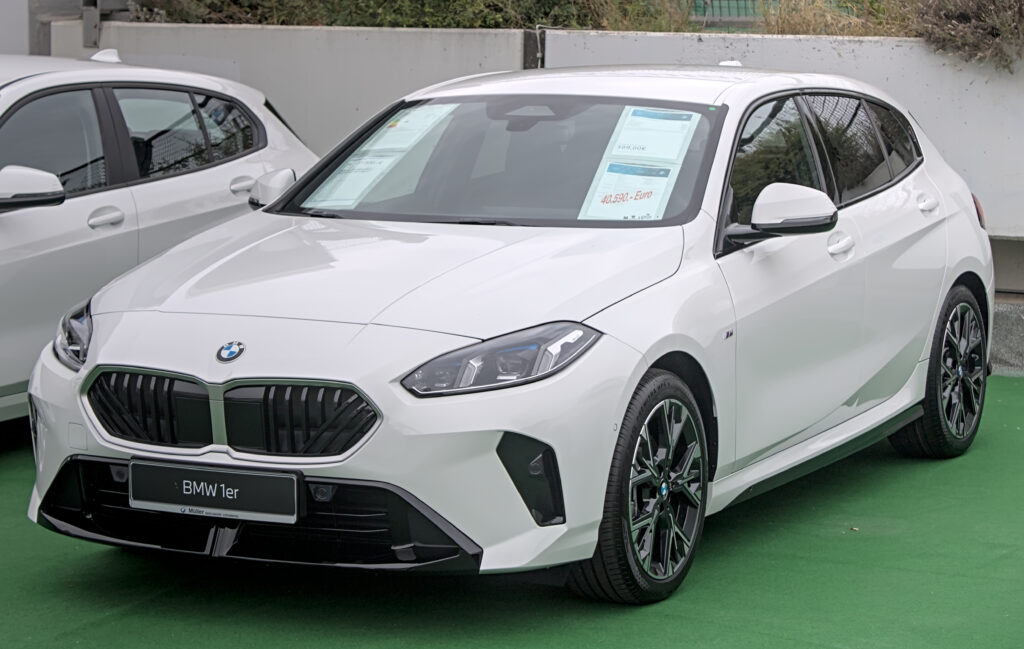
Fuel economy is one of those topics that sneaks up on us. We buy a car because it looks good, feels right, or wears a badge we admire—then reality taps us on the shoulder at the fuel pump. That’s where the BMW 1 Series MPG conversation really begins.
We’re not just talking about numbers printed in brochures. We’re talking about real miles, real roads, and real wallets. Whether you’re eyeing a used diesel from 2012, a punchy petrol hatch, or the newer mild-hybrid models, the 1 Series has worn many mechanical faces over the years. Each tells a different MPG story.
Let’s unpack what those figures actually mean, how they vary across generations, and how you can squeeze every possible mile from every drop.
Content in this publication
- Why MPG Matters More Than Ever
- BMW 1 Series Generations at a Glance
- Petrol vs Diesel: Two Different Philosophies
- Real-World MPG vs Official Figures
- Most Efficient BMW 1 Series Models Ever
- The New Era: Mild-Hybrid Efficiency
- How Driving Style Shapes MPG
- Urban vs Motorway MPG
- MPG Across Popular BMW 1 Series Engines
- Weight, Wheels, and MPG
- Long-Term Ownership: How MPG Changes Over Time
- Maintenance: The Hidden MPG Multiplier
- Cost Per Mile: The Real Metric
- MPG Myths That Cost Money
- Which BMW 1 Series Is the MPG Sweet Spot?
- Driving for Maximum MPG: A Practical Routine
- Is the BMW 1 Series Truly Efficient?
- Closing Thoughts: MPG with a BMW Soul
- FAQs
Why MPG Matters More Than Ever
Fuel prices are like tides—they rise when you least expect it. MPG isn’t just a spec-sheet flex anymore; it’s survival math.
When we understand a car’s real-world efficiency, we can:
- Predict monthly fuel costs
- Compare petrol vs diesel ownership
- Decide if a sporty engine is worth the extra spend
- Plan long journeys with fewer stops
The BMW 1 Series sits in a unique spot. It’s premium, performance-minded, and compact—three traits that don’t always play nicely with efficiency. Yet, BMW has spent two decades refining this formula.
BMW 1 Series Generations at a Glance
Before we dive into MPG figures, we need context. The 1 Series isn’t one car—it’s a family of evolving personalities.
First Generation (E87/E81/E82/E88 – 2004–2011)
Rear-wheel drive, traditional BMW DNA, and a wide range of petrol and diesel engines.
Second Generation (F20/F21 – 2011–2019)
Still rear-wheel drive. Engines became turbocharged and more efficient. This era introduced some of BMW’s best MPG performers.
Third Generation (F40 – 2019–Present)
Front-wheel drive. New platform. Mild-hybrid tech in some models. Designed for efficiency as much as agility.
Each generation reshaped how the 1 Series uses fuel.
Petrol vs Diesel: Two Different Philosophies
At the heart of the MPG debate is a classic duel.
Petrol Models
Petrol engines in the 1 Series are smoother, quieter, and often more fun. But they tend to drink more.
Typical real-world MPG:
- 118i / 120i: 38–45 mpg
- 125i / M135i: 28–35 mpg
These engines shine in short journeys and city driving. They warm up quickly and feel light on their feet. The trade-off? You’ll visit petrol stations more often.
Diesel Models
Diesel is the long-distance king.
Typical real-world MPG:
- 116d: 55–65 mpg
- 118d: 50–60 mpg
- 120d: 45–55 mpg
On motorways, these cars feel like marathon runners—steady, unbothered, and incredibly efficient.
Real-World MPG vs Official Figures
Official MPG numbers are like Instagram photos—polished, flattering, and not always honest.
Manufacturers test cars in controlled environments. No traffic. No hills. No cold starts. No kids in the back.
In the real world:
- Urban driving usually drops MPG by 15–25%
- Cold weather can shave off another 5–10%
- Aggressive acceleration is an MPG assassin
So when BMW claims 60 mpg, expect something closer to 48–52 in everyday life.
And that’s okay. What matters is consistency and predictability.
Most Efficient BMW 1 Series Models Ever
Some versions of the 1 Series deserve medals for thriftiness.
BMW 116d EfficientDynamics
This is the MPG champion.
- Official: ~83 mpg (NEDC)
- Real-world: 65–70 mpg
BMW stripped weight, tweaked aerodynamics, and optimized gearing. It’s not fast. It’s not flashy. But it sips fuel like a monk sips tea.
BMW 118d (F20 Era)
A perfect balance.
- Real-world: 55–60 mpg
- Still quick enough to feel “BMW-fast”
- Ideal for commuters and long-haul drivers
These cars prove that efficiency doesn’t have to feel dull.
The New Era: Mild-Hybrid Efficiency
The latest F40 models introduced 48V mild-hybrid systems in certain trims like the 120d and 118i.
What does that mean?
- Energy recovered during braking
- Electric boost during acceleration
- Smoother stop-start behavior
Real-world benefits include:
- 5–10% fuel savings
- Reduced urban consumption
- Lower CO₂ output
You won’t drive on electricity alone, but you’ll feel fewer fuel spikes in traffic.
How Driving Style Shapes MPG
The same BMW 1 Series can feel like two different cars depending on who’s behind the wheel.
Let’s visualize it:
- Calm driver, early gear shifts → +8–12 mpg
- Aggressive driver, late braking → –10–15 mpg
The car reacts to you. Every throttle jab, every red light sprint, every heavy boot moment leaves a footprint on your MPG.
Small habits that pay off:
- Anticipate traffic
- Coast into junctions
- Use cruise control on highways
- Avoid unnecessary idling
It’s like stretching a rubber band—gentle tension lasts, sharp pulls snap efficiency in half.
Urban vs Motorway MPG
Where you drive matters as much as how you drive.
City Driving
- Frequent stops
- Cold engine cycles
- Low average speeds
Expect:
- Petrol: 28–35 mpg
- Diesel: 40–48 mpg
Motorway Cruising (65–70 mph)
This is where the 1 Series shines.
Expect:
- Petrol: 40–48 mpg
- Diesel: 55–65 mpg
The longer the journey, the better the numbers.
MPG Across Popular BMW 1 Series Engines
Here’s how common engines typically perform in the real world:
- 116i – 36–42 mpg
- 118i – 38–45 mpg
- 120i – 35–42 mpg
- 125i – 30–35 mpg
- M135i / M140i – 25–32 mpg
- 116d – 55–65 mpg
- 118d – 50–60 mpg
- 120d – 45–55 mpg
These ranges reflect mixed driving—city, suburban, and motorway.
Weight, Wheels, and MPG
It’s easy to forget how much physical factors matter.
- Larger wheels = more rolling resistance
- Run-flat tires = heavier
- Extra passengers = more mass
- Roof boxes = aerodynamic drag
A 1 Series on 18-inch wheels can lose 2–4 mpg compared to the same car on 16-inch rims.
That panoramic roof? It costs efficiency.
Everything has a price.
Long-Term Ownership: How MPG Changes Over Time
One truth we rarely talk about is that MPG ages with the car.
A brand-new BMW 1 Series often feels like it glides—everything tight, smooth, and friction-free. Five years later, that same car may feel heavier on fuel. Not because BMW forgot how to engineer, but because:
- Tires wear and lose optimal shape
- Injectors collect carbon
- Air filters clog
- Sensors drift slightly out of spec
- Gearboxes lose some of their crispness
The difference isn’t dramatic, but over tens of thousands of miles, it adds up. A diesel that once averaged 60 mpg might settle around 54–56. A petrol model that did 42 might hover closer to 38.
That’s still respectable—but it reminds us that maintenance is MPG insurance.
Fuel economy isn’t just about engine size or fuel type. It’s about condition.
A well-kept BMW 1 Series can feel like it defies physics. A neglected one feels like it’s dragging a trailer.
Key MPG-sensitive maintenance points:
- Clean air filter every 10–15k miles
- Correct tire pressures (even 5 PSI low can cost 2–3 mpg)
- Regular oil changes with the correct grade
- Healthy oxygen sensors
- Proper wheel alignment
Think of MPG like breathing. The engine needs clean air, clear passages, and balanced motion. Block one lung, and the whole body works harder.
Cost Per Mile: The Real Metric
MPG alone doesn’t tell the full story. What really matters is cost per mile.
Let’s simplify:
- Petrol at £1.45/litre
- Diesel at £1.55/litre
Now compare two common 1 Series variants:
| Model | Real MPG | Fuel | Cost per 100 miles |
|---|---|---|---|
| 118i | 42 mpg | Petrol | ~£15.70 |
| 118d | 56 mpg | Diesel | ~£12.60 |
Over 10,000 miles, that’s a £310 difference.
That’s a holiday. Or a year of insurance. Or half a timing chain job.
MPG quietly shapes ownership far more than we realize.
MPG Myths That Cost Money
Let’s clear the fog around a few common beliefs.
“Sport mode destroys MPG”
Not always. Short bursts of efficient acceleration can be better than long, lazy throttle in high gears. Lugging the engine is just as wasteful.
“Diesels are always cheaper”
Only if you drive enough. Low-mileage urban drivers may never offset diesel’s higher purchase and servicing costs.
“Manual is always more efficient than automatic”
Modern BMW automatics often outperform manuals thanks to smart gearing and shift logic.
In most 1 Series models, it doesn’t. It may improve smoothness, not efficiency.
MPG isn’t magic. It’s mechanics.
Which BMW 1 Series Is the MPG Sweet Spot?
If we blend:
- Purchase price
- Real-world MPG
- Reliability
- Driving enjoyment
The crown quietly lands on the BMW 118d (F20 generation).
Why?
- 50–60 mpg in real life
- Enough power to feel premium
- Proven reliability
- Broad availability in the used market
- Comfortable on long journeys
It’s the version that feels like BMW cracked the code—performance without guilt.
Driving for Maximum MPG: A Practical Routine
We don’t need to become hypermilers to save fuel. Just smarter drivers.
A simple daily approach:
- Start gently—let the engine warm
- Shift early in petrol models
- Use torque in diesels, not revs
- Look far ahead in traffic
- Keep speed steady on highways
- Avoid unnecessary short trips
It’s less about restraint and more about rhythm. Like dancing with the road instead of fighting it.
Is the BMW 1 Series Truly Efficient?
Compared to budget hatchbacks? No.
Compared to premium rivals? Absolutely.
The 1 Series often outperforms:
- Audi A3 equivalents
- Mercedes A-Class counterparts
- Older VW Golf GTI models
It manages to blend prestige with pragmatism. It doesn’t shout about its thrift—but it rewards those who listen.
Closing Thoughts: MPG with a BMW Soul
The BMW 1 Series teaches us a subtle lesson: efficiency doesn’t have to feel like compromise.
Whether we choose a frugal diesel or a lively petrol, the 1 Series invites us to think beyond numbers. MPG becomes a story—about habits, roads, seasons, and the quiet conversation between driver and machine.
It’s not just about how far we go on a tank.
It’s about how intelligently we travel.
FAQs
1. What is the best MPG BMW 1 Series ever made?
The 116d EfficientDynamics leads the pack, delivering up to 65–70 mpg in real-world driving.
2. Are petrol BMW 1 Series models fuel efficient?
Yes. Models like the 118i can achieve 40–45 mpg with mixed driving, making them efficient for urban users.
3. Does the BMW 1 Series MPG differ by generation?
Absolutely. Each generation improved efficiency, with the latest F40 models benefiting from mild-hybrid systems.
4. Is diesel worth it for low-mileage drivers?
Not always. If you drive under 8,000 miles a year, petrol may be cheaper overall despite lower MPG.
5. How can I improve my BMW 1 Series MPG today?
Check tire pressures, service the engine, drive smoothly, and reduce unnecessary weight.
If you want to know other articles similar to BMW 1 Series MPG: Real-World Fuel Economy Explained you can visit the category Driving.
Kia Sorento Fuel Economy: MPG, Hybrid, and Plug-In Hybrid Explained
BYD Shark 6 Fuel Consumption: Real-World Economy, Range and What to Expect
Vauxhall Agila MPG: Real-World Fuel Economy and Engine Guide

Honda Passport MPG: Real-World Fuel Economy, Ratings, and What to Expect

Nissan Rogue Fuel Economy: MPG, Range, Costs, and Real-World Efficiency
BYD Shark 6 Long Range Fuel Tank: Is the 120L Upgrade Worth It?
Leave a Reply
More content of your interest