

BMW 1 Series Tyre Pressure Reset Guide

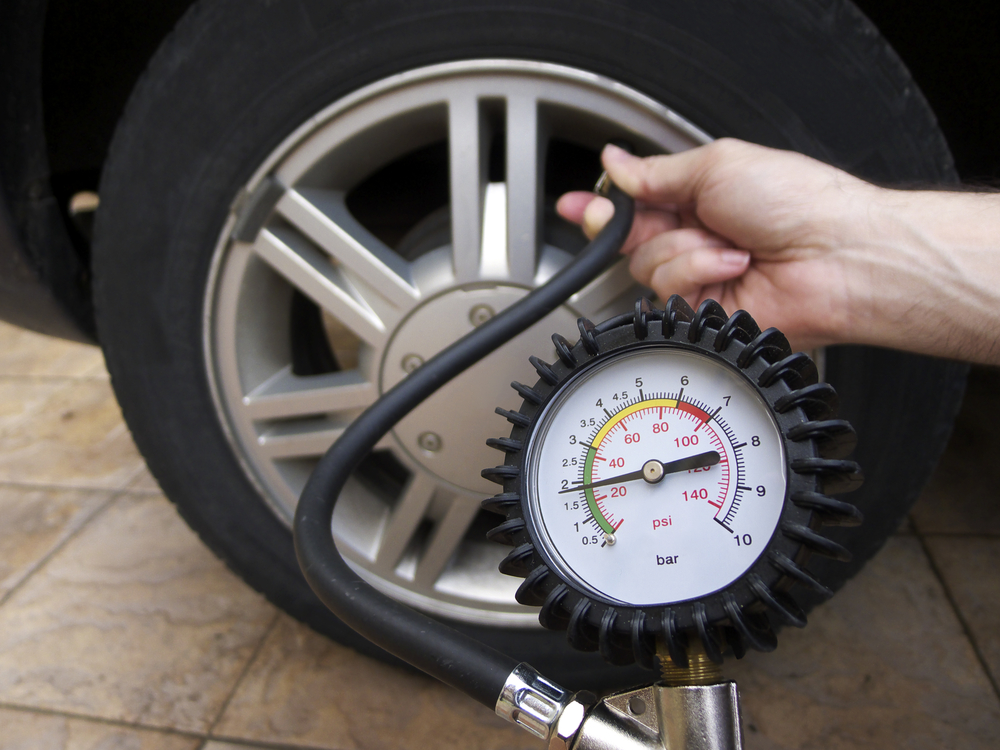
Tyres are the only part of your BMW 1 Series that actually touches the road. They’re the shoes your car wears every single day. And just like wearing the wrong shoes can ruin a walk, incorrect tyre pressure can quietly sabotage your driving experience.
We’ve all been there: you inflate your tyres, hop back in, and the warning light is still glowing like an annoyed teacher at the back of the class. That’s where the BMW 1 Series tyre pressure reset comes into play. It’s not just a button press—it’s a ritual that brings your car back into harmony.
In this guide, we’ll walk through everything you need to know: how the system works, when to reset it, how to do it on different generations, what mistakes to avoid, and why it matters more than most drivers realize.
Content in this publication
- Understanding the BMW Tyre Pressure Monitoring System
- When Should You Reset Tyre Pressure?
- Where to Find Correct Tyre Pressure
- BMW 1 Series Tyre Pressure Reset (Step-by-Step)
- What Happens During the Reset?
- Common Mistakes That Keep the Light On
- Why Correct Tyre Pressure Matters
- How Often Should You Check Tyres?
- TPMS vs Manual Gauges
- Seasonal Tyre Changes and Resetting
- What If Reset Doesn’t Work?
- Driving Feel After a Successful Reset
- A Quick Tyre Reset Checklist
- The Bigger Picture
- Closing Thoughts
- FAQs
Understanding the BMW Tyre Pressure Monitoring System
BMW uses a smart system called TPMS (Tyre Pressure Monitoring System). In most BMW 1 Series models, it’s not measuring air directly—it’s reading wheel speed through the ABS sensors.
How It Works
Instead of checking pressure in PSI, the system:
- Monitors how fast each wheel rotates
- Detects changes in rolling radius
- Infers pressure loss when a tyre spins faster than the others
It’s clever. Almost poetic. But it also means the system needs calibration after every change.
When Should You Reset Tyre Pressure?
Resetting isn’t something you do once in a lifetime. It’s more like brushing your teeth—routine and essential.
You should reset when:
- You inflate or deflate tyres
- You replace one or more tyres
- You rotate wheels front-to-back
- You switch between summer and winter tyres
- A TPMS warning appears after fixing pressure
Skipping this step is like changing your glasses but refusing to adjust them. The system will keep complaining, even when everything is perfect.
Where to Find Correct Tyre Pressure
Before resetting, we need accuracy.
Look for:
- Driver’s door jamb sticker
- Fuel filler cap
- Owner’s manual
These labels show recommended pressures based on:
- Wheel size
- Load conditions
- Front vs rear tyres
Never guess. Never rely on “what feels right.” BMW engineers spent years fine-tuning these numbers.
BMW 1 Series Tyre Pressure Reset (Step-by-Step)
The process varies slightly by generation, but the logic remains the same.
F20 / F21 (2011–2019)
- Switch ignition on (engine off or on)
- Use iDrive controller
- Go to Vehicle Info
- Select Vehicle Status
- Choose Tyre Pressure Monitor
- Select Perform Reset
- Start driving
The system recalibrates while you drive. After a few minutes, the warning disappears.
F40 (2019–Present)
- Turn the ignition on
- Access the infotainment screen
- Navigate to Car > Vehicle Status
- Select Tyre Pressure Monitor
- Choose Reset
- Confirm
Drive normally. The system learns as you move.
Older E81 / E87 / E82 / E88 Models
- Turn ignition on
- Press BC button on indicator stalk
- Scroll to TPMS symbol
- Hold the button until reset begins
- Drive
Simple. Mechanical. Almost nostalgic.
What Happens During the Reset?
While driving, the car:
- Measures baseline wheel speed
- Compares rotation patterns
- Establishes a “healthy” profile
Think of it as teaching your BMW what “normal” looks like again.
This is why:
- You must reset after inflating
- You must drive at steady speed
- You must avoid sudden stops during learning
The system needs calm conditions—like meditation for machines.
Common Mistakes That Keep the Light On
Even seasoned drivers trip up here.
Avoid these errors:
- Resetting before inflating
- Using uneven pressures
- Driving aggressively during calibration
- Resetting on a slope
- Ignoring slow punctures
If one tyre leaks slowly, the system will reset, learn, and then warn again. That’s not a bug—it’s honesty.
Why Correct Tyre Pressure Matters
This isn’t just about lights on a dashboard. It’s about how your BMW behaves.
Correct pressure:
- Improves fuel economy
- Enhances braking distance
- Reduces tyre wear
- Sharpens steering feel
- Increases stability at speed
Incorrect pressure feels subtle at first. Like walking with one shoe loose. But over time, it wears you down—and your tyres.
How Often Should You Check Tyres?
We recommend:
- Once a month
- Before long trips
- When seasons change
- After temperature swings
Cold air contracts. A 10°C drop can lower pressure by 1–2 PSI. Winter alone can trigger TPMS warnings.
TPMS vs Manual Gauges
BMW’s system is smart, but it’s not psychic.
Use:
- A quality digital gauge
- A petrol station inflator
- A portable compressor
Then reset.
The system doesn’t replace checking—it validates it.
Seasonal Tyre Changes and Resetting
Switching to winter tyres?
Reset after:
- Installing wheels
- Adjusting pressure
- Driving a few minutes
Each set has its own “normal.” Without reset, the car compares apples to oranges and panics.
What If Reset Doesn’t Work?
Try this checklist:
- Recheck pressures
- Ensure all tyres match
- Drive for 10–15 minutes
- Restart car and retry
Still failing?
Possible causes:
- Faulty ABS sensor
- Damaged tyre
- System error
- Aftermarket wheels causing mismatch
At that point, diagnostics may be needed.
Driving Feel After a Successful Reset
Most drivers notice:
- Smoother ride
- Lighter steering
- Better road feedback
- No warning lights
It’s like your BMW exhales. Everything aligns again.
A Quick Tyre Reset Checklist
Before resetting:
- Inflate all tyres to spec
- Park on flat ground
- Turn ignition on
- Access TPMS menu
During reset:
- Drive smoothly
- Avoid harsh braking
- Maintain steady speed
After reset:
- Confirm warning disappears
- Recheck pressures in a week
The Bigger Picture
Your BMW 1 Series is a conversation between you and a machine. Tyre pressure is one of the clearest sentences in that dialogue.
Resetting the system isn’t just maintenance—it’s communication. You’re telling the car, “This is normal. Trust this.”
And when your BMW trusts its data, it rewards you with confidence on every curve, every motorway stretch, every rainy morning commute.
Closing Thoughts
The BMW 1 Series tyre pressure reset is one of those small rituals that quietly protects your safety, wallet, and driving pleasure. It takes less than a minute, yet influences every mile you drive.
Treat it like a habit, not a chore. Because a BMW that rolls on properly inflated tyres doesn’t just move—it glides.
FAQs
1. Can I reset tyre pressure without driving?
No. The system needs movement to learn wheel behavior.
2. Does resetting delete faults?
It clears TPMS warnings, not hardware faults.
3. How long does calibration take?
Usually 5–10 minutes of normal driving.
4. Will resetting fix a puncture warning?
Only if the puncture is repaired and pressure restored.
5. Can I ignore TPMS warnings?
You can—but it’s like ignoring a smoke alarm.
If you want to know other articles similar to BMW 1 Series Tyre Pressure Reset Guide you can visit the category Service and Parts.
Nissan Rogue Oil Change Cost: Prices, Service Options, and What to Expect
Nissan Rogue Key Battery Replacement: Easy Step-by-Step Guide
Nissan Rogue Oil Change Interval: Complete Guide by Model Year
Nissan Rogue Brake Pads and Rotors Cost: Complete 2026 Guide

Kia Sorento Service Reset: How to Reset the Service Light
Kia Sorento Fuel Tank Capacity: Gallons, Litres and Model Differences
Leave a Reply
More content of your interest